 Cafe Central: The One Everyone Photographs
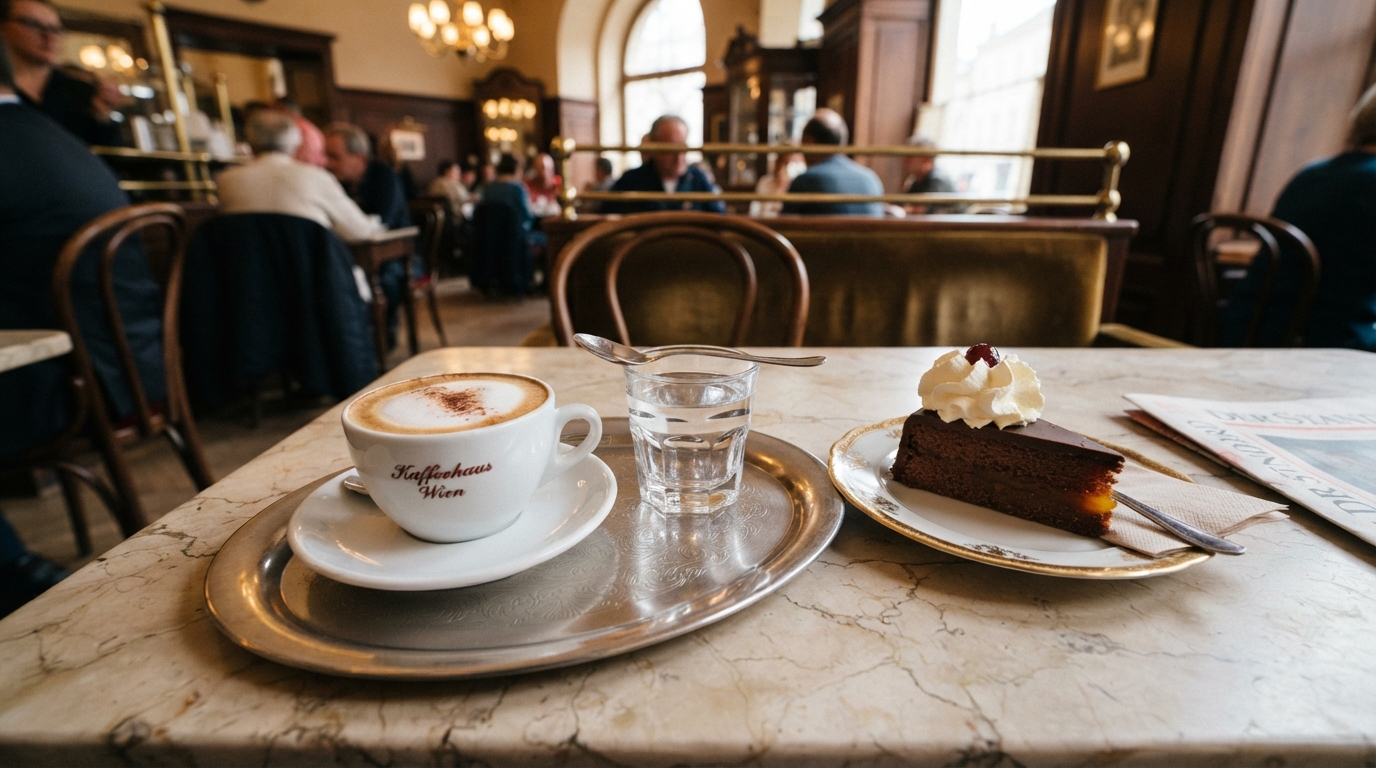
Café Central sits inside the Palais Ferstel, under vaulted ceilings and marble columns that make it feel more like a small cathedral than a place to order a Melange. Freud, Trotsky, and a long list of Viennese writers used to argue here over coffee. It is touristy now, and the queue outside proves it, but the room earns the hype. Go for the vaulted ceiling and stay for the pastries.
Best time to visit: right when it opens, before the tour groups arrive.
Directly across from the State Opera, Café Sacher inside Hotel Sacher is where the Sachertorte was invented. The dark red banquettes and chandeliers feel formal, almost stiff, but that is part of the experience. Order the cake with unsweetened whipped cream, exactly as it was designed to be served, and skip the debate about whether Demel’s version is better. Just try both and decide for yourself.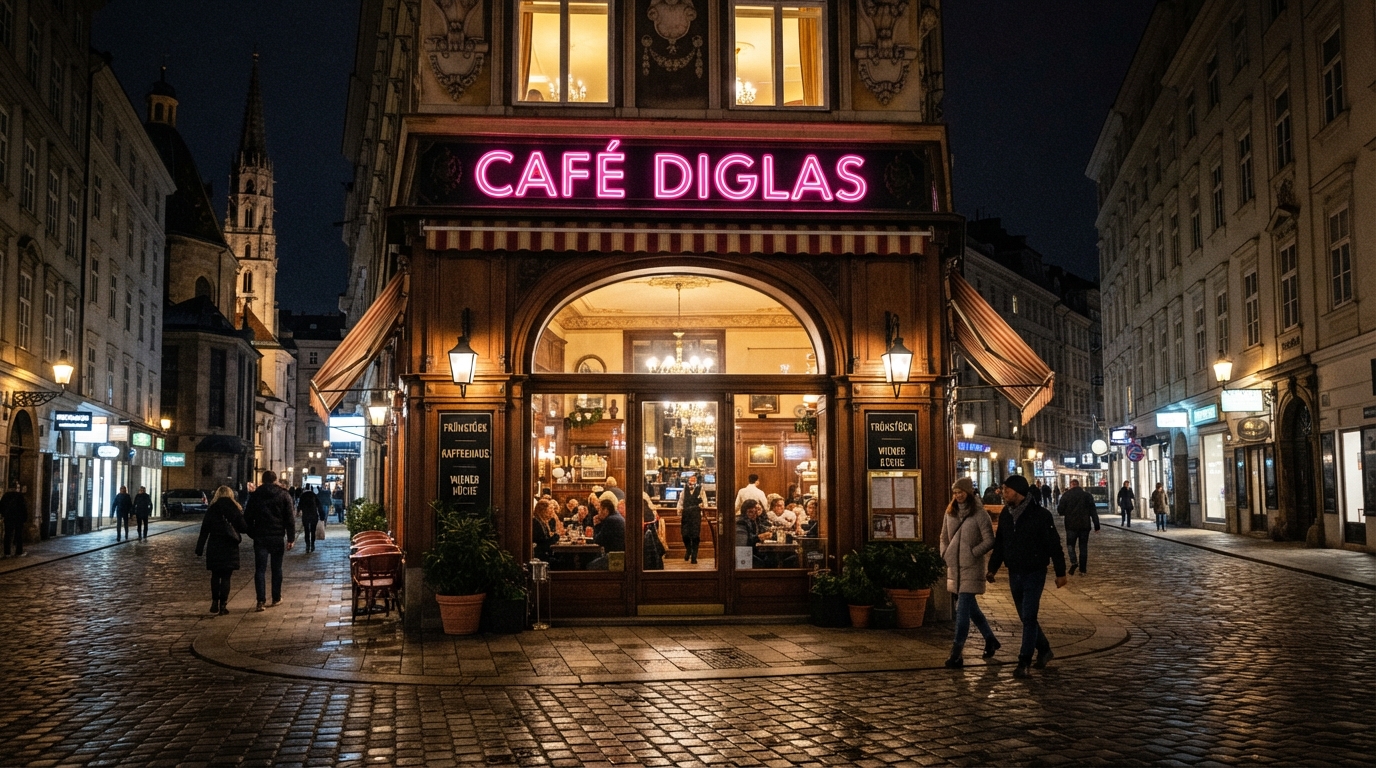
Demel has been a court confectioner since 1786, and it still runs like one. Watch the pastry chefs work through the open kitchen window on Kohlmarkt before you even sit down. The staff traditionally address guests as Herr or Fräulein, an old habit the café keeps on purpose. This is the best cafe in Vienna old town for an unhurried afternoon, not a quick coffee between sights.
If Central and Demel feel like museums, Hawelka feels like someone’s living room that happens to serve coffee. Low ceilings, dark wood, and walls covered in old posters. The Hawelka family has run it since 1939, and almost nothing about the place has changed since. Order a Melange and the Buchteln, sweet rolls filled with jam, and settle in. This is the spot for evening, not a rushed morning stop.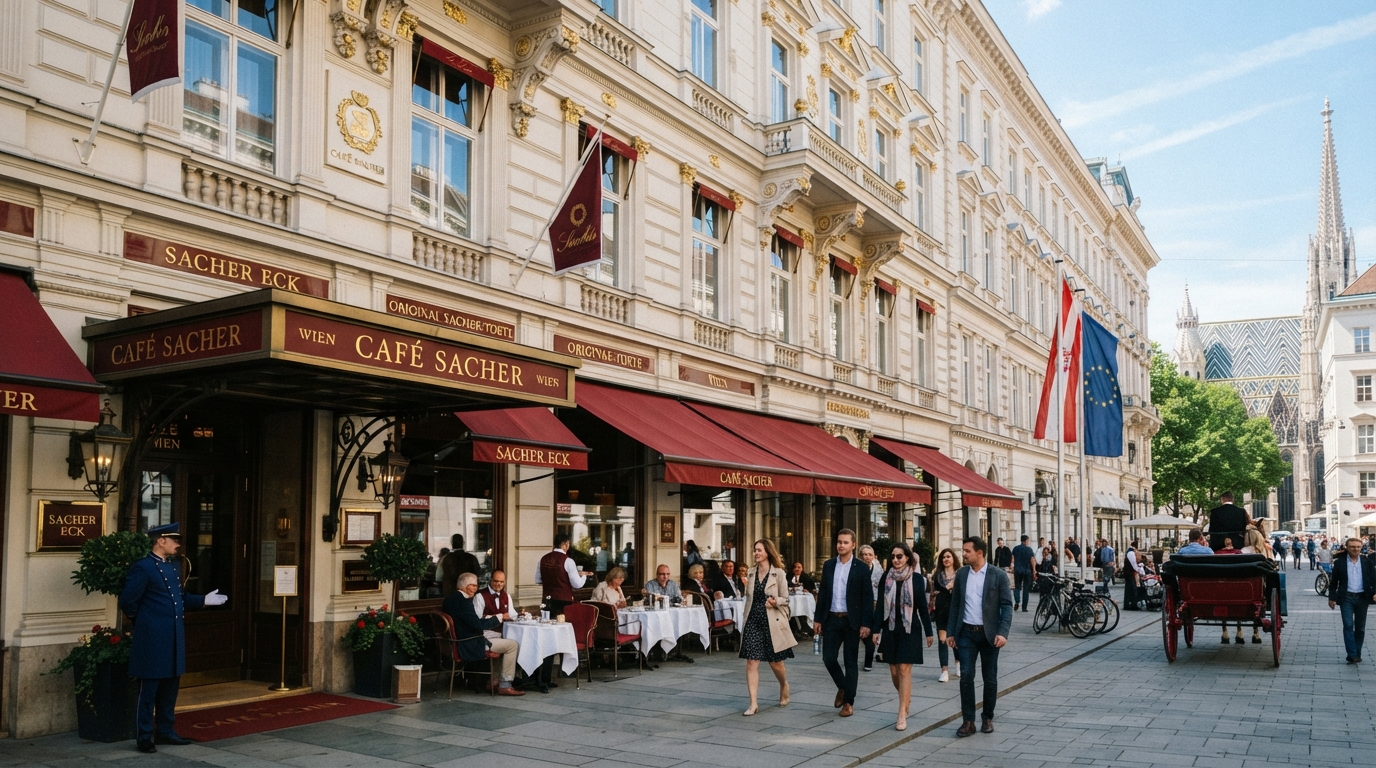
Café Sperl, open since 1880, sits a bit outside the tightest tourist loop but is still walkable from the old town. Wood paneling, billiard tables, and a slower pace than the big three above. If you want a version of old Vienna without the queue, this is it.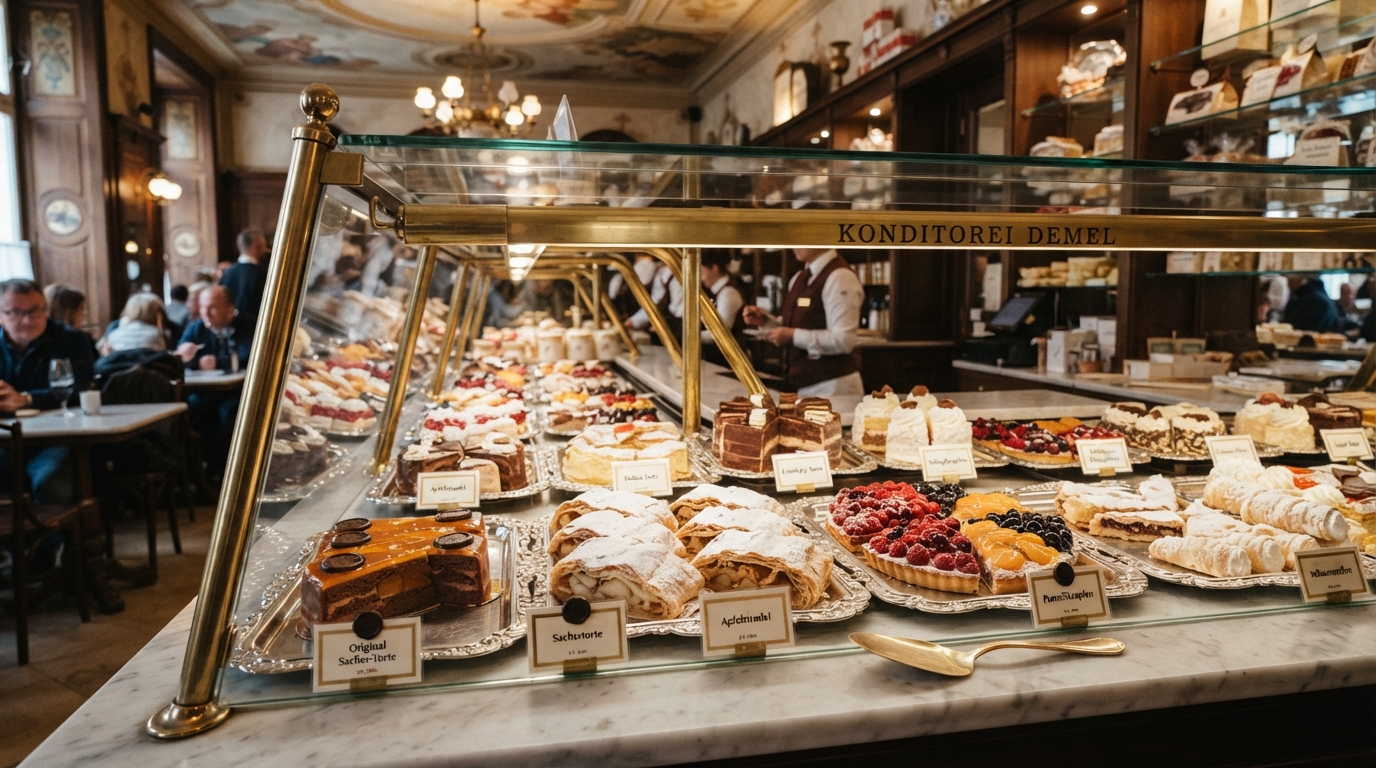
Nobody will rush you here, so do not feel like you need to order and leave. Check Vienna’s official tourist board site before you go, since some of these cafes post seasonal hours around holidays. A single coffee earns you a table for as long as you want it, that is the whole point of the culture. Tipping a small amount in cash is normal. Waiters at the grand cafes can seem formal or even a little stiff, that is style, not unfriendliness.
A small notebook is genuinely useful here if you are the kind of traveler who wants to remember which cafe served the better cake. This compact travel journal fits easily in a coat pocket for jotting notes between stops. A crossbody travel bag also makes sense for old town cafe hopping, since tables are often small and you do not want a bulky backpack taking up space. If you want a deeper printed guide to carry alongside your phone, this Vienna city guidebook covers the old town in more depth than a single blog post can.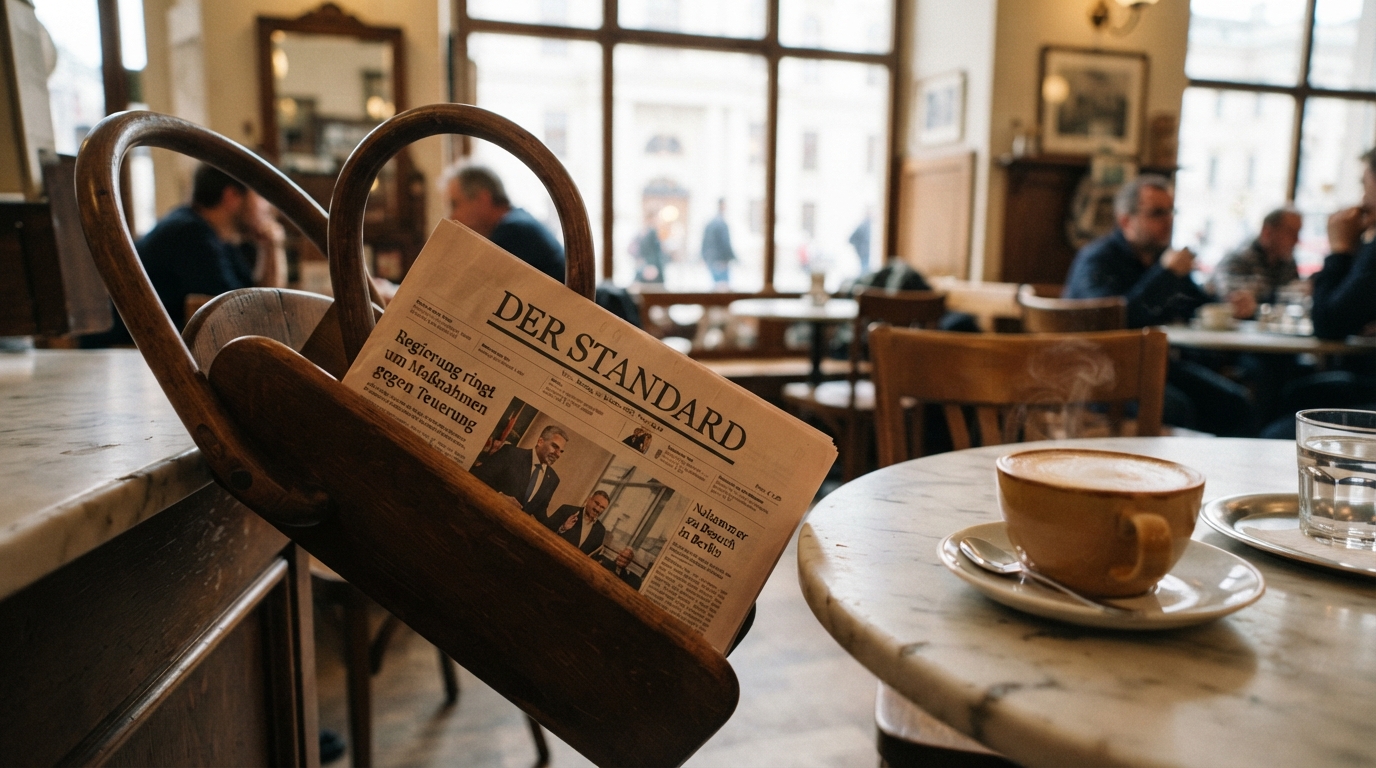
If Vienna is one stop on a bigger Central Europe trip, Budapest is a natural next city, with its own thermal bath and coffeehouse culture just a train ride away. For a completely different pace, our 3 days in Istanbul guide covers a city with an equally serious coffee tradition, just brewed very differently. And if Mediterranean sunshine is more your speed after all that marble and chandelier, Athens offers cafe culture of its own, with rooftop views instead of vaulted ceilings.
Which is the most famous cafe in Vienna old town?
Café Central is the most photographed and most visited, thanks to its history and its dramatic interior inside the Palais Ferstel.
Do I need a reservation?
Not usually, though Café Sacher can have a wait at peak times. Arriving right at opening is the easiest way around a queue.
Are Viennese coffeehouses expensive?
Coffee and cake at the famous cafes cost more than an average coffee shop, but you are paying for the setting and the fact you can sit for hours. Café Sperl is a cheaper, quieter alternative if budget matters more than the photograph.
What is the difference between a Melange and a regular cappuccino?
A Melange is Vienna’s own version, usually a bit milkier and served in the coffeehouse style rather than an Italian espresso bar style.