
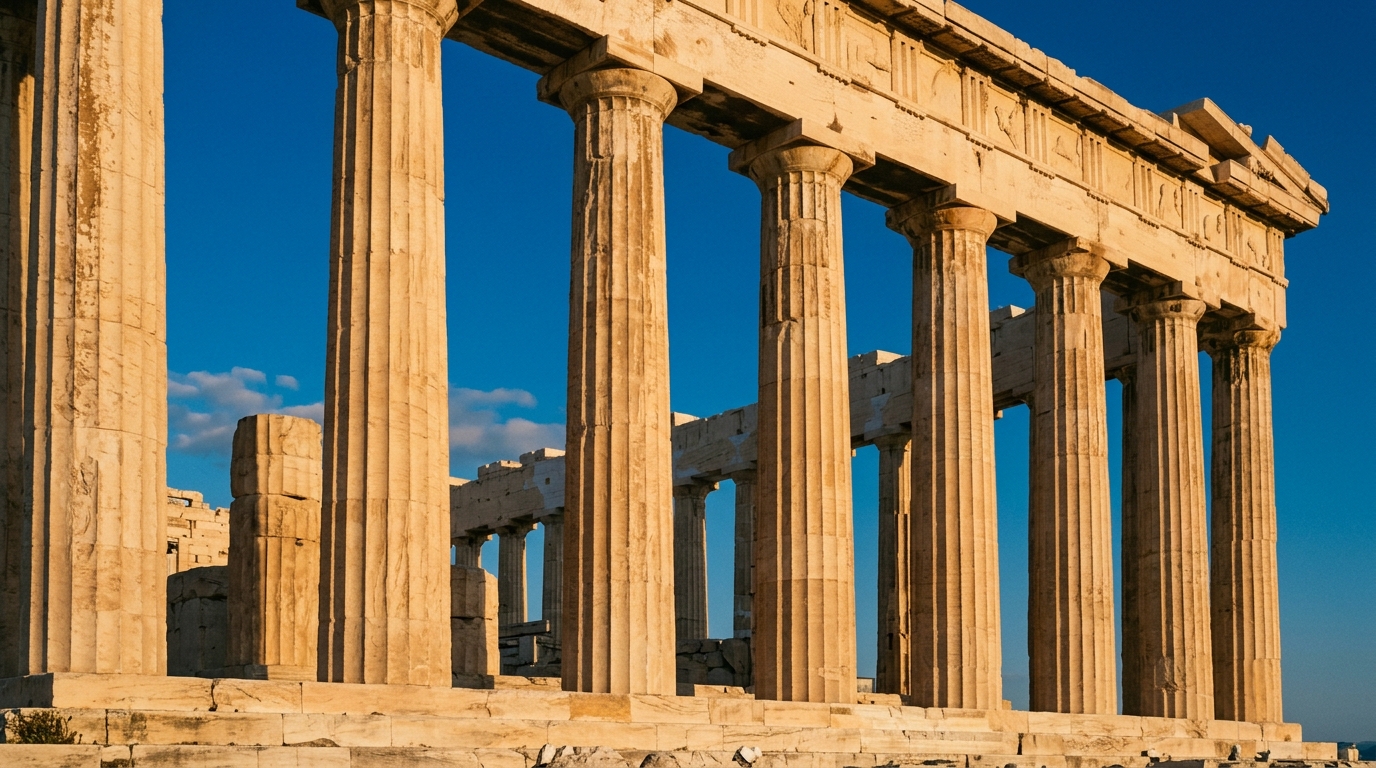
Yes, every Athens guide starts with the Acropolis. There is a reason for that. Standing at the Parthenon and looking out over a city that has been continuously inhabited for over 3,000 years is genuinely one of the most remarkable experiences in travel.
The Parthenon was built in 447 BC as a temple to the goddess Athena. It is still standing. That alone should stop you in your tracks.
A ticket costs €30 for adults (prices went up in April 2025, and the winter discount no longer applies). The ticket also covers entry to several nearby sites including the Ancient Agora, the Temple of Olympian Zeus, and Kerameikos.
Practical tips for visiting the Acropolis:
Most visitors rush through the Acropolis and skip the museum at the base of the hill. That is a mistake.
The Acropolis Museum houses the original sculptures and friezes from the Parthenon that remain in Greece. It is modern, beautifully designed, and genuinely moving — especially the top floor, where you can see the sculptures with the actual Acropolis visible through the glass behind them.
Entry is €10. Plan at least 90 minutes.
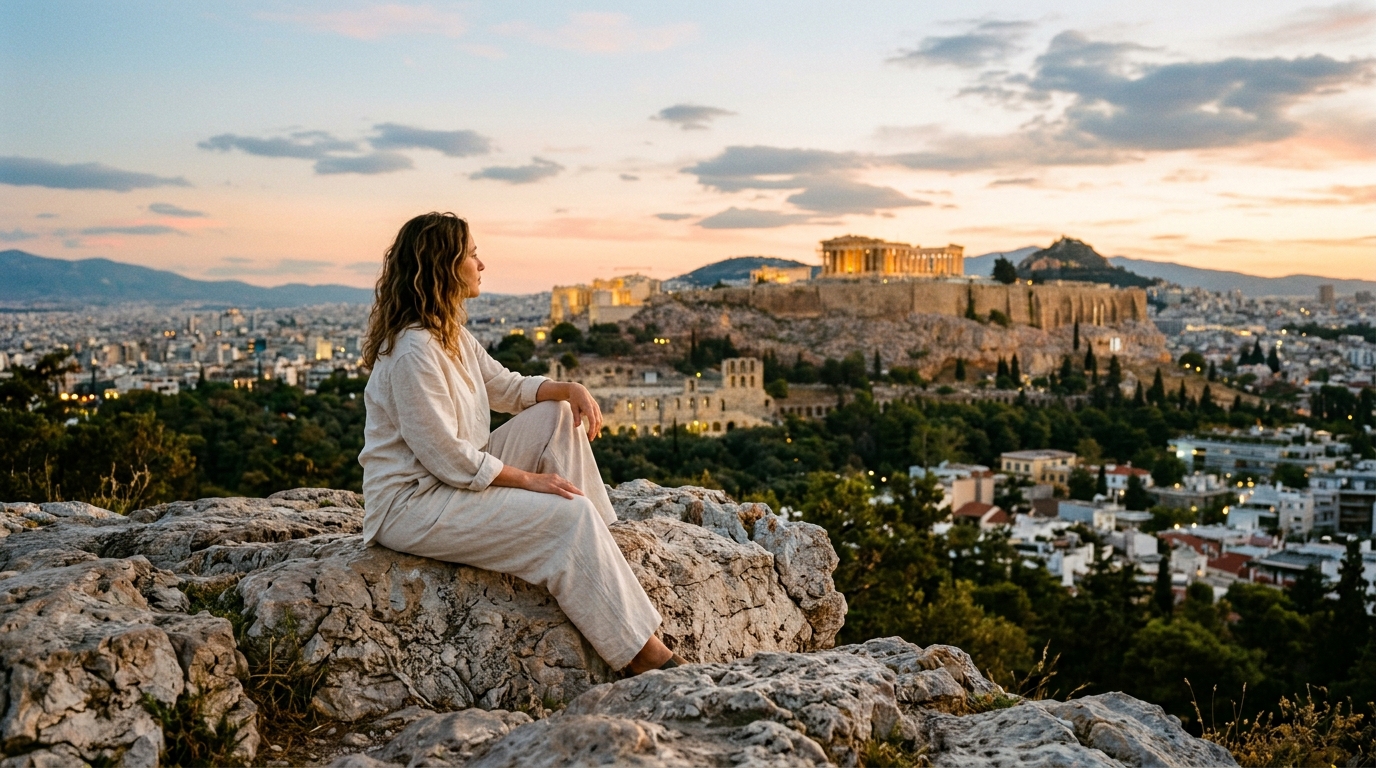
Here is a tip almost no article emphasizes enough: skip the paid viewpoints and walk up Areopagus Hill instead.
It is a short, steep climb up ancient rock just below the Acropolis entrance. The view from the top is extraordinary — you can see the Ancient Agora, Plaka, and the city spreading out to the sea. Sunset here is one of the best free experiences in Athens.
It is also historically significant. The Apostle Paul reportedly preached here in 51 AD. There is a bronze plaque commemorating the sermon. Entry is completely free all day, every day.
The Ancient Agora was the beating heart of ancient Athenian democracy. Citizens gathered here to vote, trade, argue philosophy, and watch trials. Socrates walked these grounds.
Most tourists walk straight past it to get to the Acropolis. Do not make that mistake.
The Temple of Hephaestus inside the Agora is actually better preserved than the Parthenon — and far less crowded. The Stoa of Attalos, a reconstructed ancient covered marketplace, houses a small but excellent museum.
Entry is included in the combined Acropolis ticket.
If you want that iconic frontal view of the Parthenon — the one from all the postcards — you need to go to Philopappos Hill, not the Acropolis itself.
It sits southwest of the Acropolis, takes about 20 minutes to walk up, and is completely free. The path winds through pines and ancient ruins. Go at sunset. Bring water. You will not regret it.
This is one of the most important museums in the world. It holds the Mask of Agamemnon, the Antikythera Mechanism (an ancient analog computer from 150 BC), and an extraordinary collection of bronze sculptures, frescoes, and jewelry.
It is also consistently undervisited, which means you can actually spend time with the exhibits without being jostled.
Allow at least two to three hours. Entry is €15. Take the metro to Victoria Station.
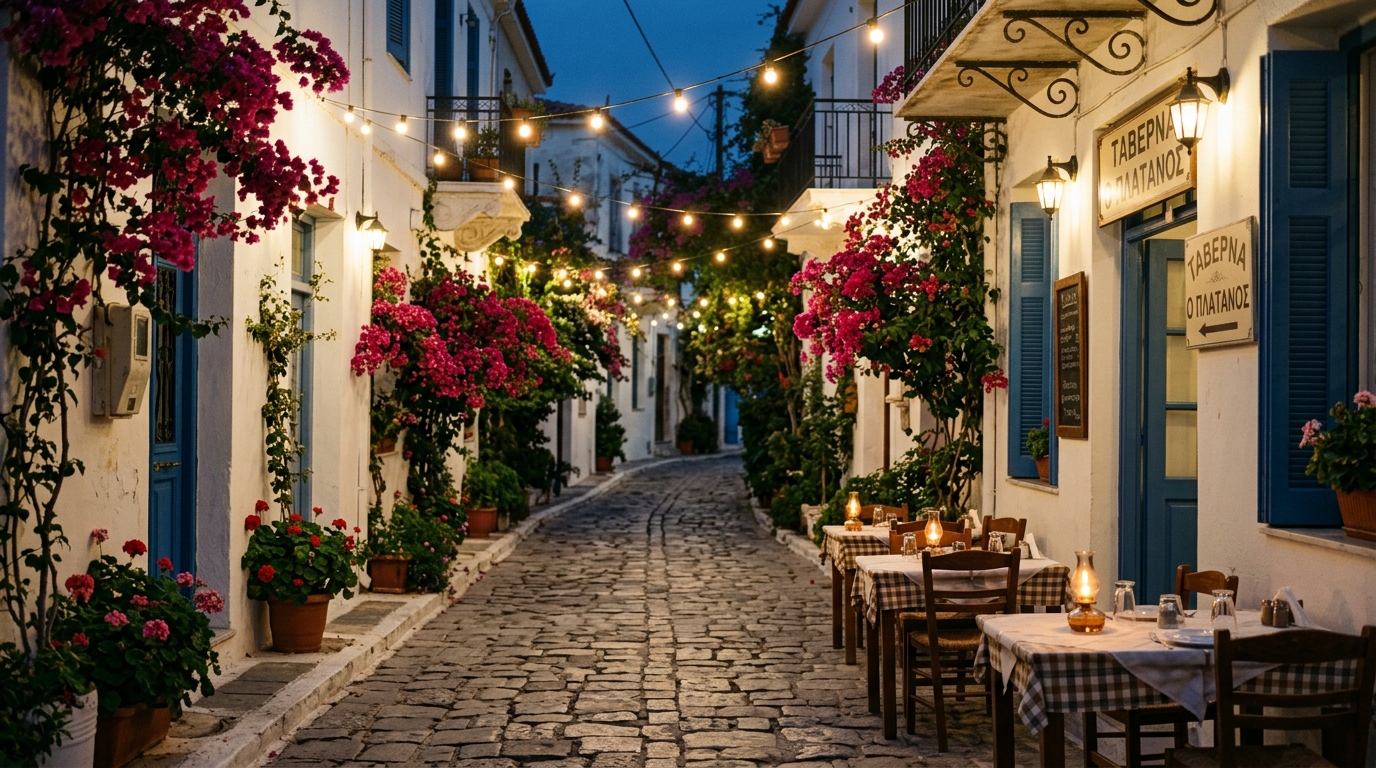
Plaka is the oldest continuously inhabited neighborhood in Athens. Narrow streets, neoclassical houses, bougainvillea everywhere, and tavernas spilling out onto every corner.
It gets busy, especially in summer. Go in the evening when the light is softer and the tourist rush has thinned a little. The Mnisikleous Street Stairs — a sloped stone stairway lined with outdoor restaurant tables and colorful cushions — is one of the best places in Athens for a slow dinner. Arrive before 8 PM to get a good spot.
Monastiraki is noisy, chaotic, and completely alive. The flea market here runs every day but is biggest on Sundays, when vendors spread out across the surrounding streets selling everything from vintage clothes to old coins to handmade jewelry.
The square itself sits right next to the Ancient Agora, with a direct view up to the Acropolis. For an unforgettable rooftop view over the ruins with a coffee or a drink in hand, the rooftop bars around Monastiraki square are the place to go.
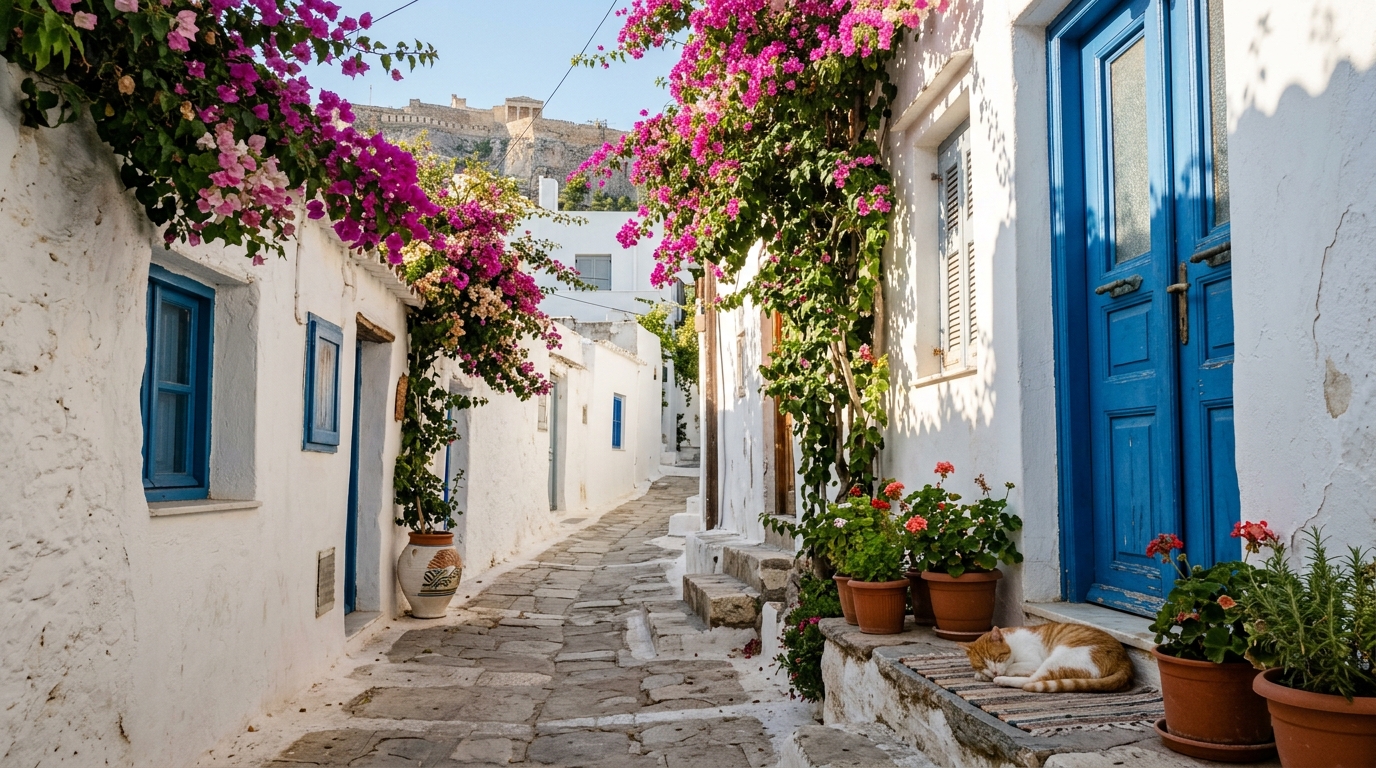
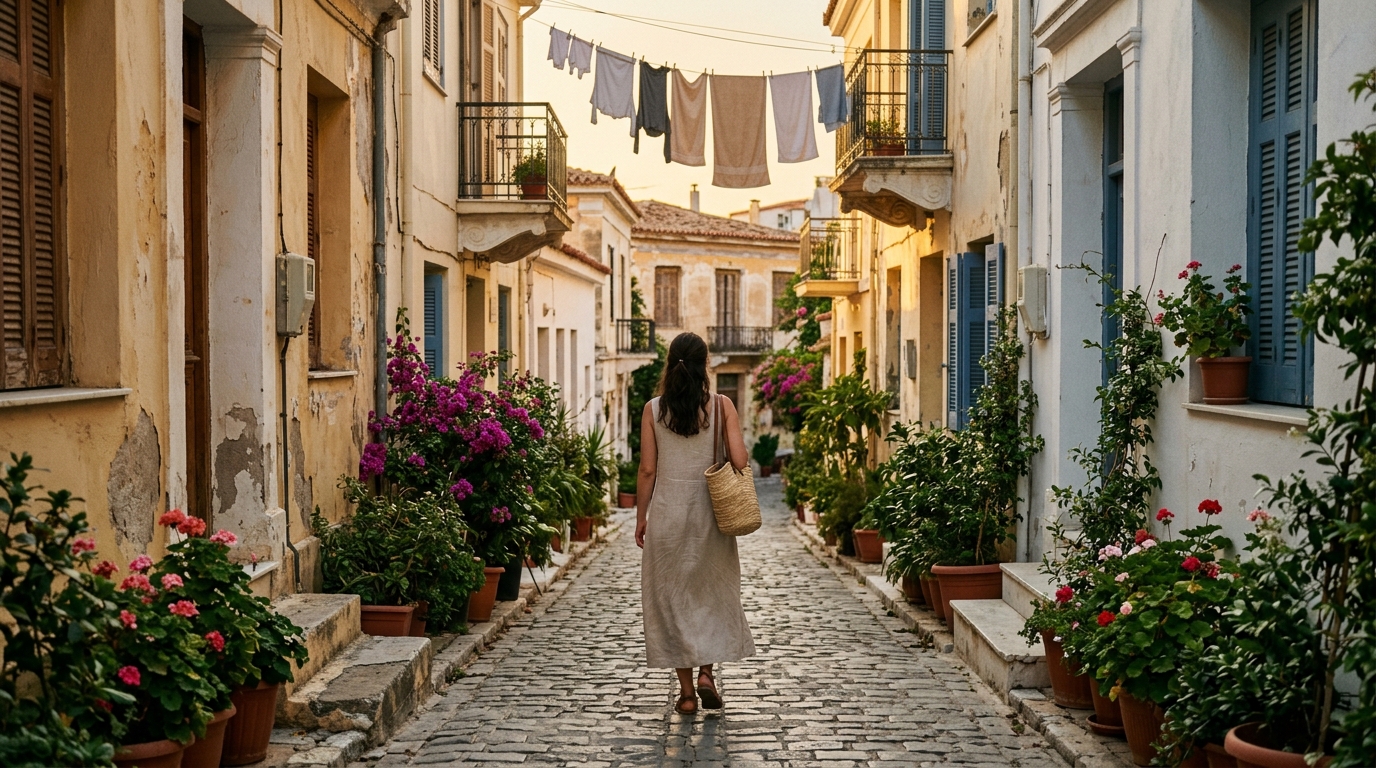
Tucked into the slope just below the Acropolis, Anafiotika is a tiny neighborhood that feels nothing like Athens. Whitewashed houses, cats sleeping in doorways, bougainvillea climbing every wall, and almost complete silence.
It was built in the 19th century by workers from the island of Anafi, who built their houses in the Cycladic style they knew from home. Most visitors never find it. Look for the narrow path that climbs up from the eastern edge of Plaka.
Psyrri sits just west of Monastiraki and is where Athens locals eat, drink, and gather on weekend nights. It is grittier than Plaka, more lived-in, and far more interesting.
Street art covers the walls. Small tavernas serve excellent meze. The bars fill up around midnight and go until sunrise. This is not a tourist neighborhood — it is the real Athens.
Exarchia is Athens’ most alternative neighborhood. University students, artists, activists, bookshops, vinyl record stores, and some of the best cheap food in the city.
The street art is extraordinary. The atmosphere is unlike anywhere else in Athens. The Saturday farmers market here is a genuine local experience.
It has a reputation for occasional political demonstrations, so just stay aware. But for curious travelers, it is one of the most interesting areas in the city.
Koukaki sits just south of the Acropolis and is where many Athenians who work in the center actually live. Good coffee shops, local restaurants, no tourist menus, and a genuinely relaxed neighborhood atmosphere. Great if you want to feel less like a visitor.
Athens is one of the best food cities in Europe. Here is what you should actually eat:
Koulouri — Sesame bread rings sold from street carts every morning. The perfect breakfast for €0.50.
Spanakopita — Spinach and feta pie in flaky pastry. Every bakery makes it. Some are extraordinary.
Souvlaki — Grilled meat on a skewer, usually pork or chicken, served in a pita with tzatziki, tomato, and onion. Do not leave Athens without eating a proper souvlaki from a neighborhood spot rather than a tourist street.
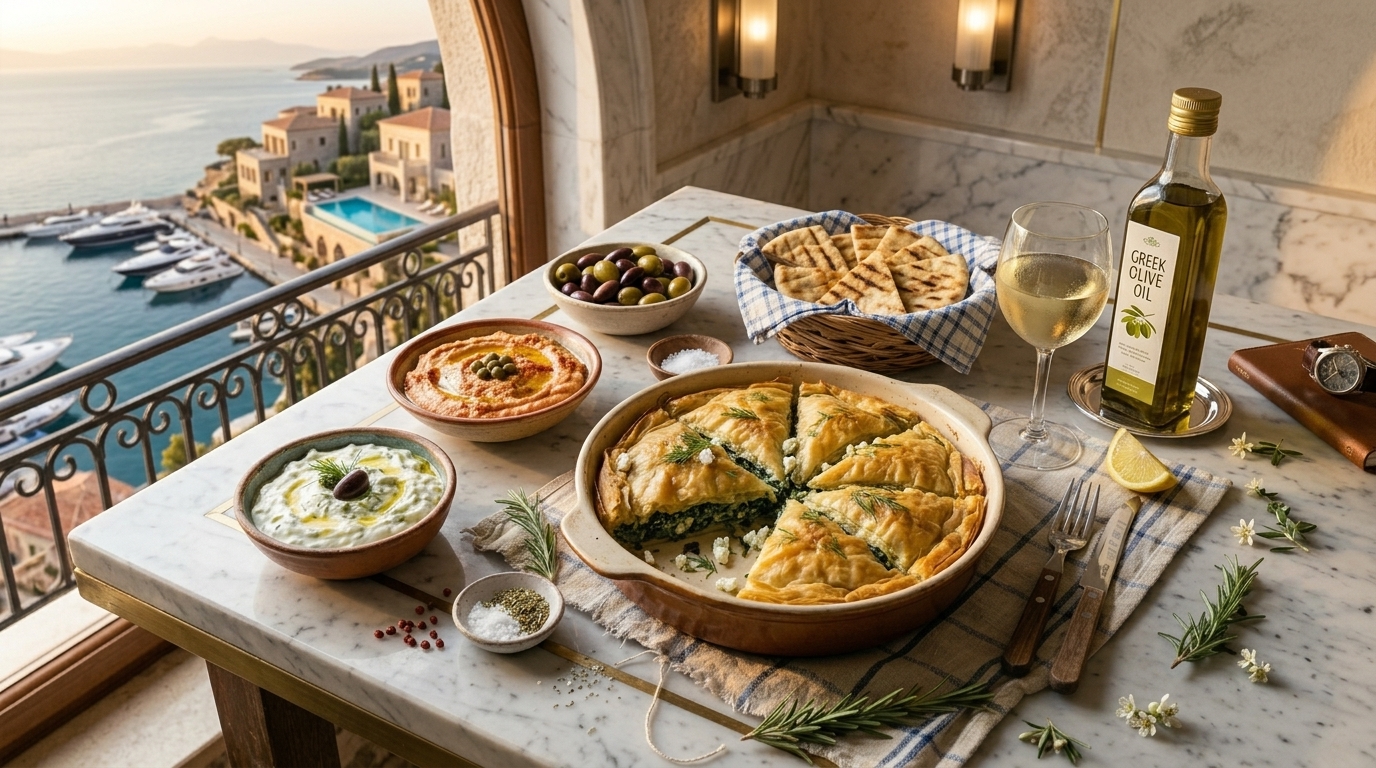
Loukoumades — Greek doughnuts, fried and served with honey and cinnamon. The spot called Lukumades near Monastiraki does a brilliant version.
Meze — Small plates designed for sharing, eaten slowly over several hours. This is how Athenians actually eat. Order too much. Linger. That is the point.
Taramosalata and Tzatziki — The dips you find everywhere. The ones at actual tavernas are completely different from anything you have tried at home.
The central market on Athinas Street has been running since 1886. The meat and fish halls are not for the faint-hearted, but the surrounding stalls sell incredible olives, cheeses, spices, and local products.
Cafe Epirus inside the market serves traditional dishes you will not find on tourist menus. Go for breakfast or an early lunch.
Greek food goes far deeper than what most restaurants show visitors. A walking food tour through Monastiraki, Psyrri, and the central market area will take you to spots you would never find alone and give you context for what you are eating.
Most tours run about three and a half hours and include eight to ten tastings. Go hungry.
Mount Lycabettus rises 277 meters above the city and offers 360-degree views across Athens all the way to the sea. There is a small chapel at the summit, a cafe, and a restaurant.
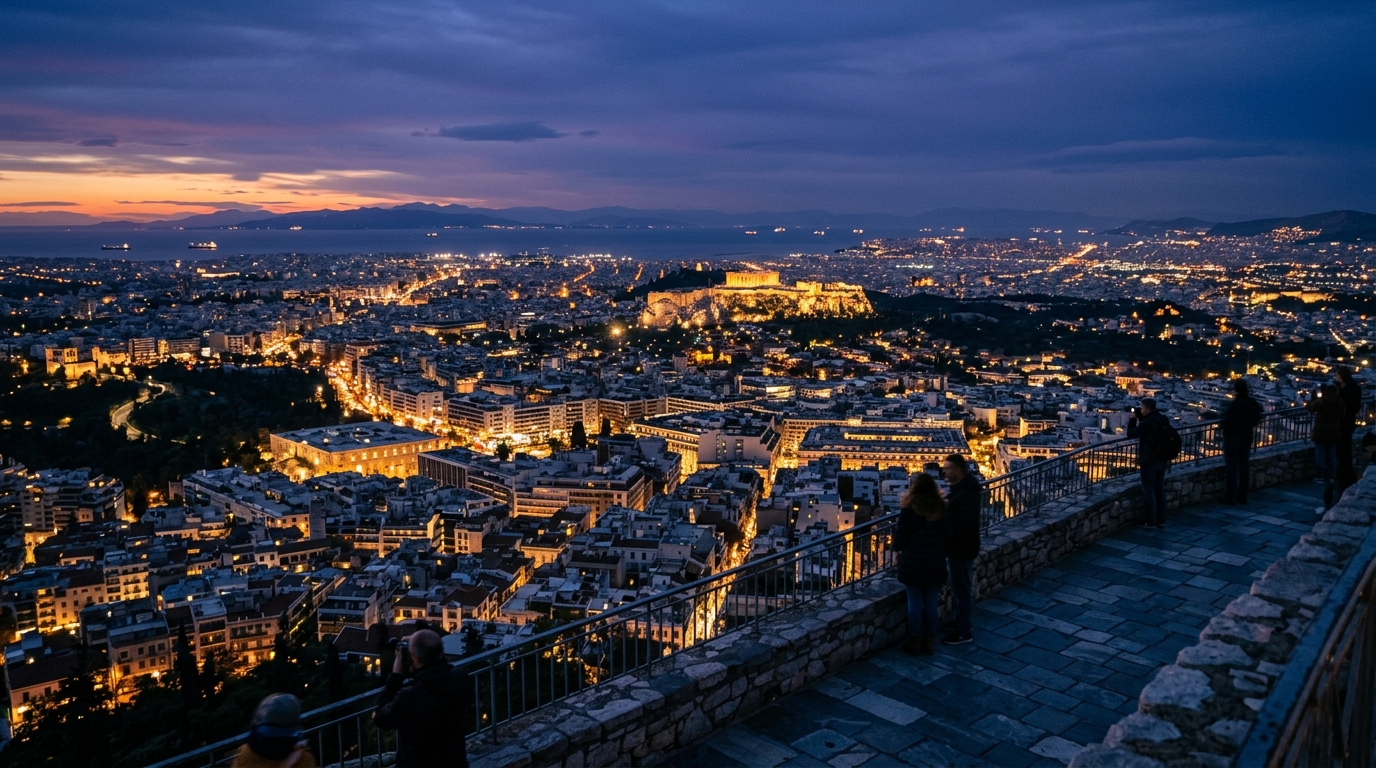
You can walk up (about 45 minutes through a pine forest) or take the funicular from Kolonaki. Go at sunset if you can. The view of the city lit up below is remarkable.
This is the gap most Athens guides completely miss.
About 25 kilometers south of the city center, Lake Vouliagmeni is a natural thermal lake fed by underground springs. The water stays at around 22 to 29 degrees Celsius year-round. It is clear, calm, and surrounded by rock cliffs. You can swim here any month of the year.
Entry is around €10. There is a small spa and wellness area on site. Combined with a visit to the nearby Temple of Poseidon at Cape Sounion, this makes one of the best day trips from Athens.
Getting there: Take Bus 122 from Glyfada or drive 30 minutes south on the coastal road.
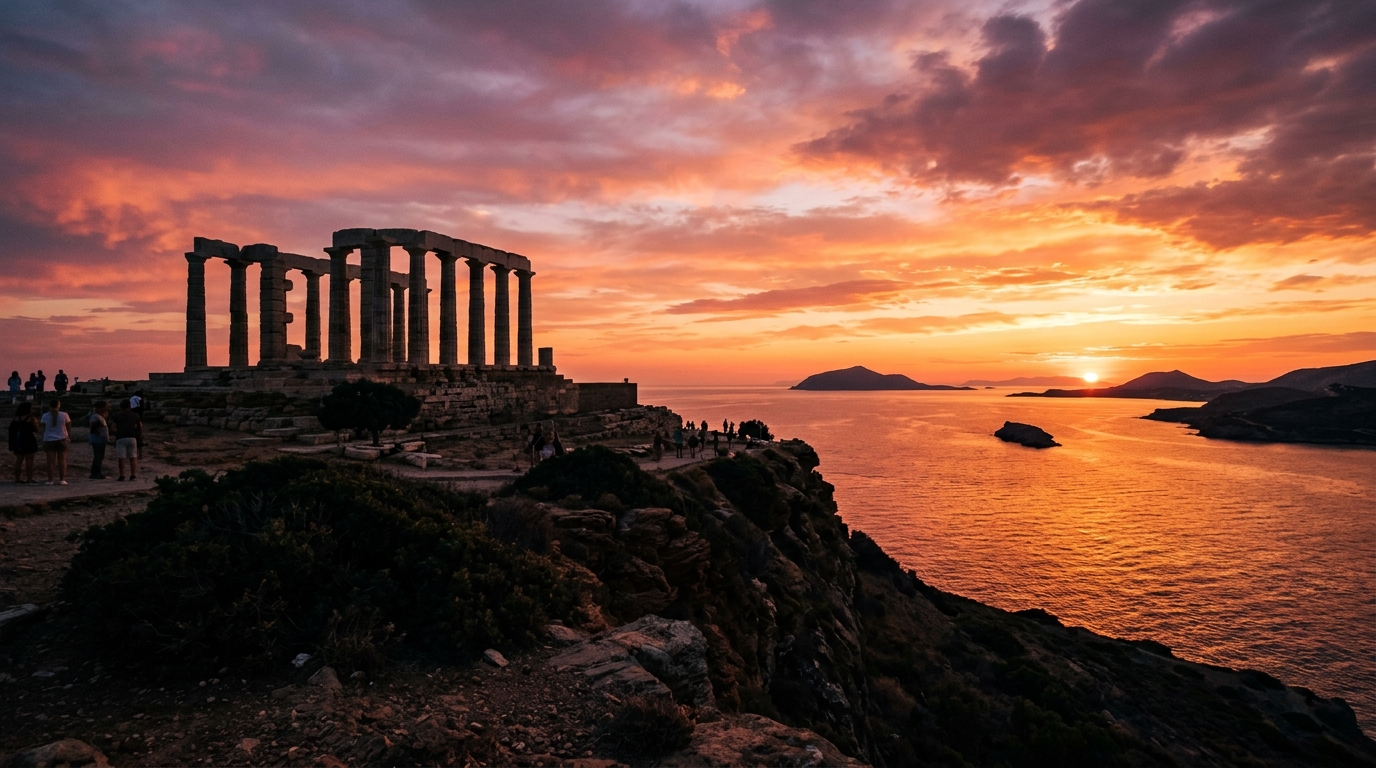
Cape Sounion is about 70 kilometers south of Athens along the coast. The Temple of Poseidon sits at the cliff edge, 60 meters above the Aegean Sea.
Byron carved his name into one of the columns in 1810. It is still there.
The drive down the coastal road is beautiful. Go for sunset — watching the sun drop into the sea from the temple steps is one of the great experiences in Greece.
KTEL buses run from the Pedion Areos terminal in Athens. The journey takes about 90 minutes each way.
Athens involves a lot of walking on uneven, often slippery ancient stone. Most visitors underestimate this.
Footwear matters most. The Birkenstock Arizona Sandals are consistently the top choice for Athens visitors — supportive, comfortable on long days, and packable. They hold up well on marble and cobblestone.
For sightseeing in the heat, a lightweight packable daypack keeps your hands free and your water bottle accessible. The Osprey Daylite Plus is compact, well-built, and fits under airplane seats — useful for day trips to Sounion or Vouliagmeni.
A portable power bank is genuinely useful in Athens — the sites are spread out, you will be using maps and translation apps constantly, and charging points are rare at archaeological sites. The Anker 20000mAh PowerCore is reliable, compact enough for a daypack, and charges two devices simultaneously.
Afternoon siesta is real. Many small shops close between 2 PM and 5 PM. Do not plan shopping during this window.
Athenians eat late. Dinner before 9 PM is early. Most restaurants fill up between 9 and 11 PM. The best experience is joining that rhythm rather than fighting it.
Always carry cash. The central market, small bakeries, neighborhood tavernas, and street food vendors often do not take cards.
The metro is excellent. Clean, punctual, air-conditioned, and cheap. A single ticket is €1.20. Buy a day pass (€4.50) if you plan to use it more than three times.
The combined ticket saves money. The €30 Acropolis ticket covers multiple sites. Check which ones are included before paying separate entry fees elsewhere.
Best time to visit: April, May, September, and October. Temperatures are comfortable, crowds are manageable, and the light is extraordinary. July and August are brutally hot and extremely crowded.
Free entry on specific dates: On the last weekend of September (European Heritage Days) and certain public holidays, many museums and sites offer free admission. The Acropolis is also free on the first Sunday of each month from November to March.
Cape Sounion — Temple of Poseidon and coastal drive. 90 minutes each way.
Delphi — The ancient Oracle site in the mountains, 2.5 hours from Athens. One of the most atmospheric ancient sites in Greece.
Nafplio — A beautiful Venetian harbor town 2 hours south. An excellent overnight trip.
Aegina Island — A short ferry from Piraeus port. Ancient temple, pistachio trees, and a quieter island feel without the full Greek island logistics.
Hydra — No cars allowed on the entire island. Donkeys carry luggage from the port. Completely charming, 90 minutes by hydrofoil from Piraeus.
How many days do you need in Athens?
Three days is the sweet spot for first-time visitors. Two days covers the main sights. Four or five days lets you slow down, explore neighborhoods properly, and do a day trip or two.
Is Athens safe for solo female travelers?
Yes, Athens is generally safe. The usual common sense applies — be aware of your surroundings at night, stick to well-lit areas after midnight, and be alert around Omonia Square and Exarchia in the evenings.
What is the best neighborhood to stay in Athens?
Plaka and Monastiraki put you closest to the main sights. Koukaki is quieter, more local, and still very close to the Acropolis. Kolonaki is the upscale residential area with good restaurants and easy access to Mount Lycabettus.
Do I need to book the Acropolis in advance?
Yes, especially from April through October. Book online at least a few days ahead. In summer, queues for on-the-day tickets can be extremely long.
What is the Acropolis combined ticket?
The €30 ticket covers the Acropolis, Ancient Agora, Roman Agora, Temple of Olympian Zeus, Kerameikos, Hadrian’s Library, and a few other sites. It is valid for five days.
What food should I try first in Athens?
Start with a koulouri from a street cart in the morning, souvlaki for lunch from a neighborhood spot, and a long meze dinner somewhere in Psyrri or on the Mnisikleous stairs in Plaka. That covers breakfast, lunch, dinner, and a genuine taste of how Athenians eat.
Can I see the Acropolis for free?
Entry is free on the first Sunday of each month from November through March, and on certain national holidays. Otherwise the standard ticket is €30.
Athens rewards people who slow down.
The tourists who rush through the Acropolis and leave for Santorini the next morning miss the part that actually gets under your skin — the neighborhood tavernas, the evening walks up Philopappos Hill, the morning coffee at a tiny cafe in Anafiotika, the strange and wonderful feeling of eating lunch surrounded by 2,500 years of history.
Give Athens time. It will give you a lot back.