This guide covers everything you need to know for a first visit, including what to see, where to eat, which thermal bath to choose, and a few things most other guides forget to mention.
Three full days is the sweet spot for a first visit. That gives you enough time to see the main landmarks on both sides of the river, spend a proper afternoon at a thermal bath, and actually sit down for meals rather than rushing between stops.
If you only have two days, you can still cover the highlights, but you will need to prioritize and skip some of the slower, more relaxed experiences. Four or five days is ideal if you want to include a day trip to the Danube Bend or explore the city at a genuinely unhurried pace.
Spring (April to May) and autumn (September to October) are the best months. Temperatures are comfortable, the city is beautiful, and the tourist crowds are more manageable than summer.
Summer is busy and can get very hot, with temperatures regularly above 30 degrees Celsius. That said, the long evenings are lovely, outdoor ruin bars are at their best, and the city has a real buzz.
Winter is underrated. Budapest has some of the best Christmas markets in Europe, the thermal baths feel even more magical when there is cold air outside, and hotels are significantly cheaper. It gets cold, sometimes below freezing, but the city is fully equipped for it.
Budapest has a solid public transport system covering the metro, trams, and buses. A single ticket costs around 500 Hungarian Forints, and a 24 hour travel card costs around 2,500 Forints. For three days, buy a 72 hour card, which is cheaper than buying single tickets.
Download the BudapestGO app before you travel. It shows real time timetables and route planning, which makes navigating the system much easier, especially when the tram and the metro both stop near the same place.
The city is largely flat on the Pest side and very walkable. The Buda side has hills, so comfortable shoes matter. A compact travel wallet keeps your cards, cash in Forints, and transport pass in one place. This slim RFID blocking travel wallet from Amazon is a popular choice for keeping everything organized without adding bulk to your bag.
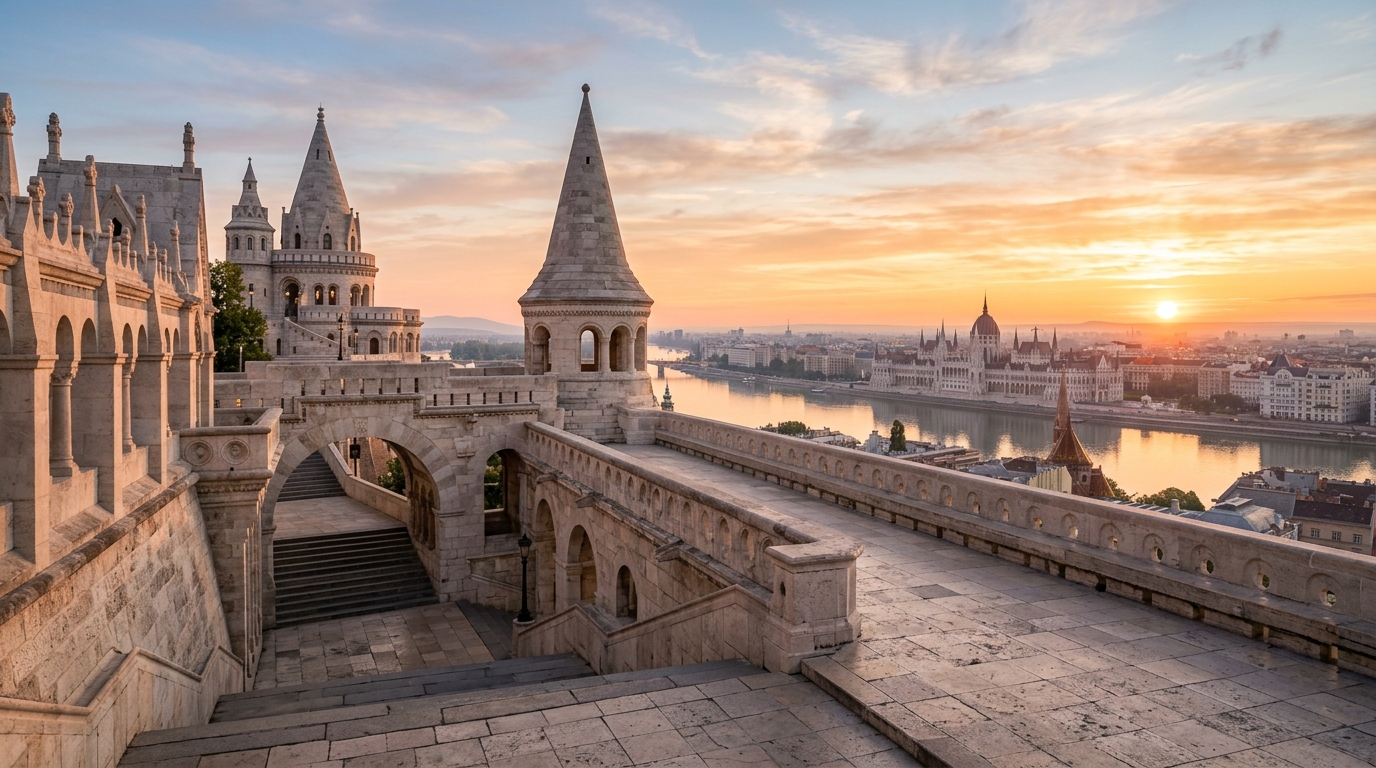
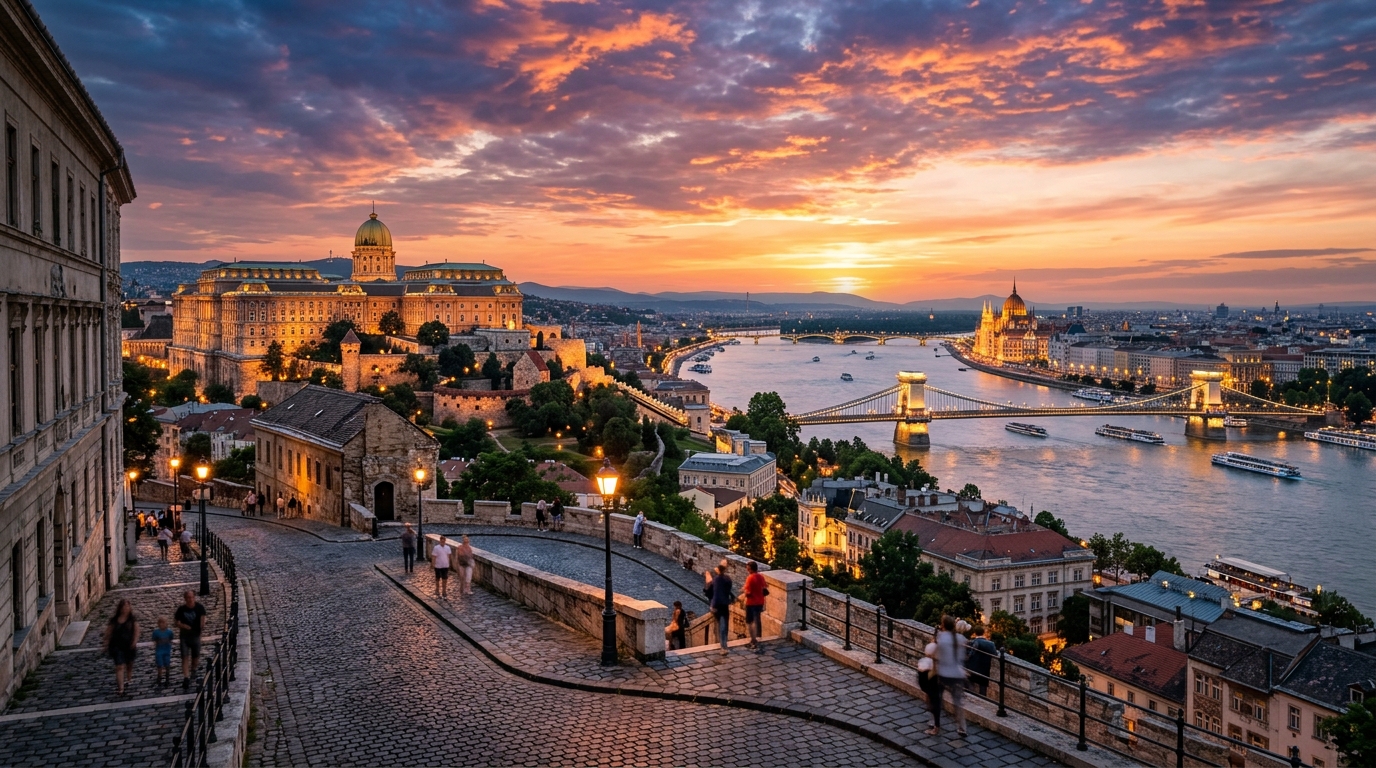
Fisherman’s Bastion sits on Castle Hill in Buda with a view across the river to the Hungarian Parliament that most people agree is one of the most beautiful views in Europe. The neo Gothic towers, the river, the Parliament dome on the other side, and the rooftops of Pest stretching behind it all look extraordinary at any time of day.
The catch is that it costs money to access during normal hours. The solution is to go at sunrise. The gates are open from early morning, crowds are almost nonexistent, and the golden light on the Parliament building from across the river is genuinely stunning. It is worth setting an early alarm for.
If you want to go during the day, entry to the upper terraces costs around 1,500 Forints. The lower terrace and the surrounding area are free.
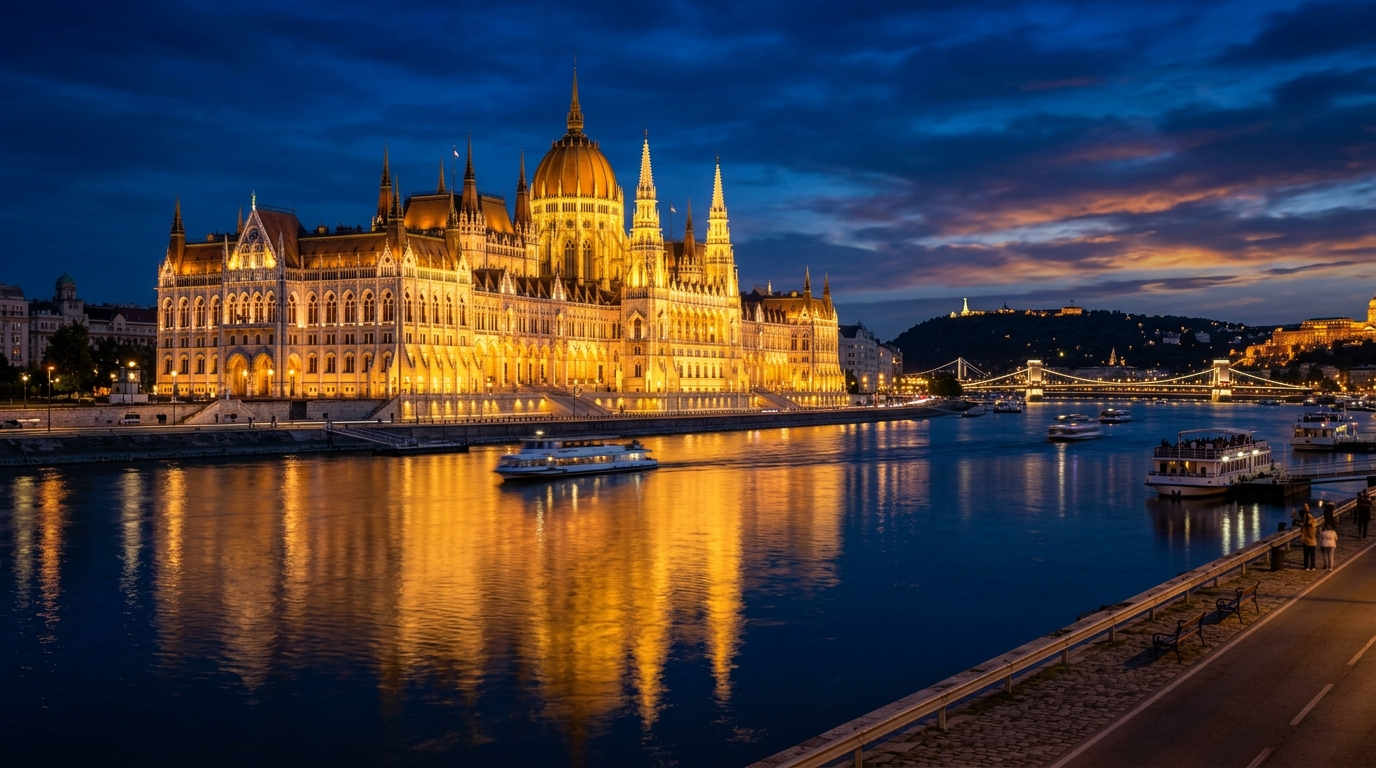
The Hungarian Parliament Building on the Pest side of the Danube is one of the largest and most ornate parliament buildings in the world. From the outside, especially from the Buda side of the river or from the Chain Bridge, it is genuinely jaw dropping.
Tours of the interior run regularly and include the Hungarian Holy Crown, which is kept under heavy guard in a central hall. Book tickets online in advance because they sell out quickly and are only available at specific times. A guided tour in English costs around 9,000 to 11,000 Forints.
Even if you skip the interior tour, walking along the embankment on the Pest side in the evening, when the Parliament is lit up and reflected in the river, is completely free and just as impressive visually.
Budapest sits on top of more than 100 natural thermal springs, and the city has been building baths around them since the Ottoman occupation in the 16th century. Going to at least one is essentially a requirement, but choosing the right one matters because they are all quite different.
Szechenyi is the most famous and the most visited. It is a grand, yellow neo baroque complex in City Park with multiple outdoor pools and indoor pools of varying temperatures. It is busy, social, and festive, especially on weekend evenings when they run bath parties with DJs. It is the classic Budapest experience. Entry starts at around 10,000 to 14,000 Forints depending on the day and what you include.
Rudas Baths is a better choice if you want something more atmospheric and less touristy. The original Turkish dome, built in the 1500s during the Ottoman period, is extraordinary. Mondays and Tuesdays are women only, which makes it especially popular with solo female travelers who want a quieter, more traditional experience. The rooftop pool with river views is a separate area and worth booking in advance.
Gellert Baths is inside a grand Art Nouveau hotel on the Buda side and is the most photogenic of the three. It is also the priciest, and some visitors find it more like a tourist attraction than a genuine spa experience. Worth visiting for the architecture if that appeals to you.
If you are only going to one thermal bath and you want the full Budapest experience without feeling overwhelmed by crowds, Rudas is the better choice for solo female travelers. Szechenyi is the better choice if you are going with a group and want the social, festive atmosphere.
Pack a swimsuit that actually stays in place in water. If you are planning to spend a few hours moving between pools of different temperatures, a supportive one piece works better than a bikini that needs constant readjusting. This halter neck swimsuit on Amazon has good reviews specifically from travelers doing thermal bath visits in Eastern Europe.
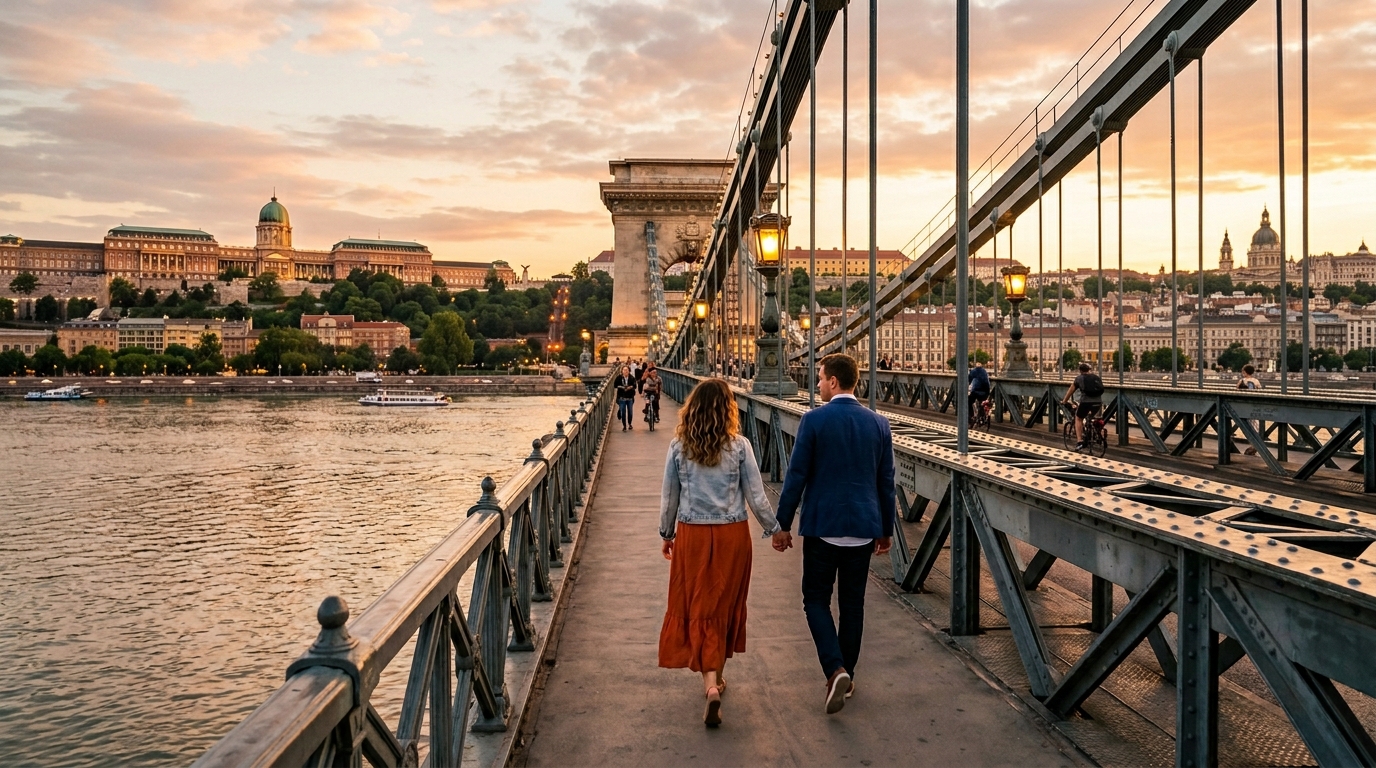
The Chain Bridge was the first permanent bridge connecting Buda and Pest, completed in 1849, and it remains one of the most recognized symbols of the city. Walking across it gives you views in both directions along the Danube that are hard to match from any other spot in the city.
Walk across at golden hour if you can. The light on the castle on the Buda side and the Parliament on the Pest side at that time of day is the kind of thing you want to photograph.
The Jewish Quarter in Pest, centered around the Dohany Street Synagogue, is one of the most historically significant and visually interesting neighborhoods in Budapest. It is also where the ruin bars started.
The Dohany Street Synagogue is the largest synagogue in Europe and one of the most ornate. Tours run throughout the day and include the attached Jewish Museum and a memorial garden. Entry is around 6,000 Forints. Book a time slot in advance in summer.
Beyond the synagogue, just walking the streets of the Jewish Quarter is worth doing. There are street art murals, independent cafes, small galleries, and the kind of neighborhood atmosphere that you lose as soon as you move into the more central tourist areas.
The Jewish Quarter is also where most of the city’s best ruin bars are, which makes it a natural destination for an evening out.
Ruin bars are Budapest’s most unique contribution to global nightlife. They started in the early 2000s when a group of locals took over abandoned buildings in the Jewish Quarter, filled them with mismatched furniture, eclectic art, and cheap drinks, and created something that has been imitated around the world but never quite replicated.
Szimpla Kert is the original and still the best. It is open during the day as a market and coffee shop, and transforms into a bar in the evenings. Inside you will find a Soviet era Trabant car used as seating, multiple themed bars across two floors, open air courtyards, neon lights, disco balls, and a genuinely mixed crowd of locals and travelers. Beer is cheaper than most European cities.
On Sunday mornings, the courtyard hosts a farmers market with local cheese, bread, honey, and produce from across Hungary. Going on a Sunday morning is a completely different experience from going at night, and both are worth doing if you have the time.
Buda Castle sits at the top of Castle Hill and contains the Hungarian National Gallery and the Budapest History Museum. The castle itself was destroyed and rebuilt multiple times over the centuries, and the current version was heavily restored after World War II.
The real reason to come up here is not the museums, though. It is the streets of the Castle District surrounding the castle, which are quiet, cobbled, and lined with medieval and baroque buildings. They feel entirely separate from the bustle of Pest below, and wandering them without a plan is one of the most pleasant things you can do in Budapest.
Take the funicular up from the Chain Bridge for around 1,500 Forints one way, or walk up the steps for free. The steps take about 10 to 15 minutes and the views on the way up are part of the experience.
St. Stephen’s Basilica on the Pest side is one of the largest churches in Hungary and well worth seeing both from outside and inside. The exterior is neoclassical and imposing. The interior is richly decorated with gold, marble, and mosaics.
You can climb to the dome for panoramic views over the city for a small fee. It is less crowded than Fisherman’s Bastion and gives you a different perspective over the rooftops of Pest.
The square in front of the basilica is also where one of Budapest’s best Christmas markets is held each November and December. If you visit in winter, this market is one of the highlights of the trip.
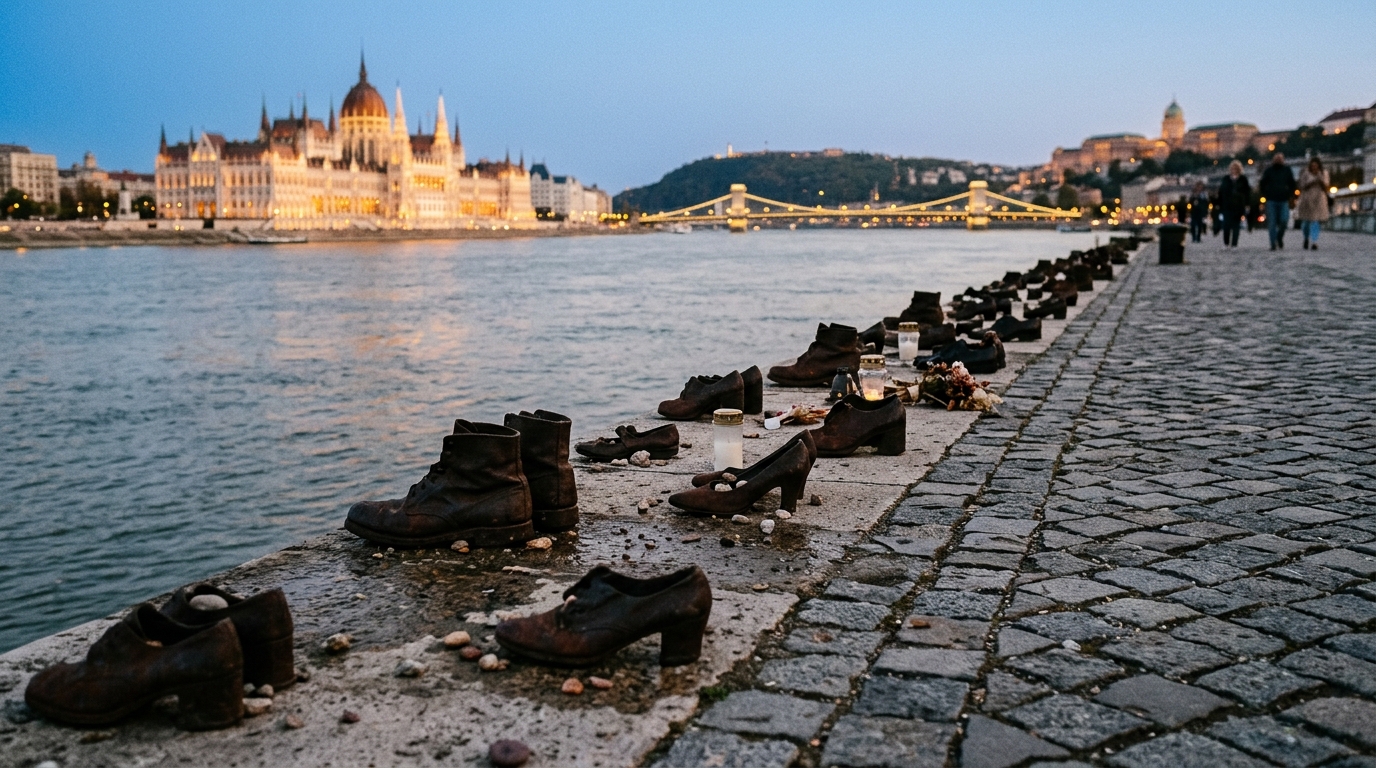
This is one of the most moving sites in Budapest. Sixty pairs of iron shoes are fixed to the embankment on the Pest side of the Danube, a memorial to the thousands of Jewish people who were forced to remove their shoes at the river’s edge and were shot into the Danube by Arrow Cross militiamen during World War II.
It is not a big attraction in the visual sense. There is no entry fee, no queue, no guided tour required. It is just sixty pairs of shoes on the river bank. And it is completely unforgettable. Give yourself a few quiet minutes here.
Langos is a deep fried dough topped with sour cream and cheese that Hungarians eat as street food, and it is one of those things that sounds simple and turns out to be genuinely excellent. You will find it at markets and street food stalls throughout the city.
The Great Market Hall on the Pest side of Liberty Bridge is the most convenient place to try it, along with Hungarian sausages, chimney cake, and paprika products in every variety. The ground floor is for groceries and produce, the upper floor is for street food and souvenir shopping. Go hungry.
Goulash is the dish most associated with Hungary internationally, and it actually bears very little resemblance to what gets served in restaurants outside the country. Proper Hungarian goulash is a soup, not a stew, made with beef, paprika, and vegetables. Trying a bowl in an actual Hungarian restaurant rather than a tourist focused spot near the Parliament makes a significant difference in quality.
Most guides either recommend it or skip it entirely without explaining the calculation. Here is the honest breakdown.
The Budapest Card covers unlimited public transport, free entry to most major museums and galleries, and 20 percent off thermal bath entry. A 72 hour card costs around 30,000 to 35,000 Forints.
It is worth buying if you plan to visit three or more museums, use public transport frequently, and spend time at a thermal bath. It pays for itself quickly in that scenario. It is not worth buying if you are mostly walking, only visiting one or two paid attractions, and eating at local restaurants rather than tourist spots.
Budapest is genuinely one of the most affordable capital cities in Europe, but prices have risen in recent years.
Budget travelers can manage on 12,000 to 18,000 Forints per day (roughly 30 to 45 euros), covering a hostel, street food, public transport, and free or low cost attractions.
Mid range travelers should plan for 35,000 to 60,000 Forints per day (roughly 90 to 150 euros), which covers a comfortable hotel, sit down meals, transport, and a thermal bath visit.
Luxury travelers have excellent options starting around 120,000 Forints per day, including rooftop cocktail bars, spa hotels, and fine dining.
Budapest is considered one of the safer cities in Central Europe. The main practical concerns are common to most European cities.
Pickpocketing happens in tourist dense areas, particularly on the M1 metro line, around Vaci Street, and near the Parliament. Keep bags zipped and close to your body.
The ruin bars in the Jewish Quarter are generally safe and have a mixed crowd that includes many solo female travelers. The party atmosphere at Szechenyi bath on weekend evenings can be crowded and boisterous, so if that is not your preference, going on a weekday is much calmer.
Walking alone at night in the main neighborhoods is generally fine. Stick to well lit streets and use ride share apps like Bolt rather than unmarked taxis, which have overcharged tourists in the past.
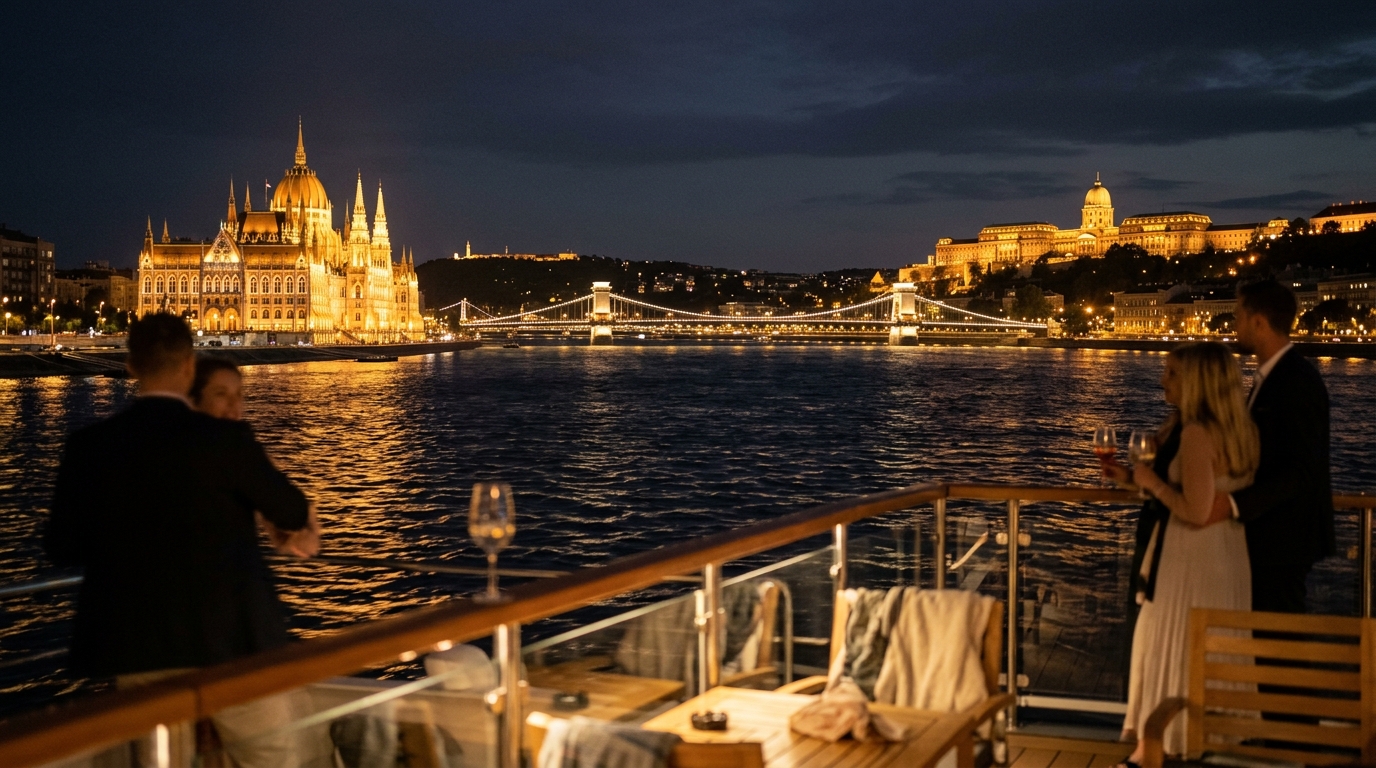
Some of Budapest’s most beautiful views, specifically the Parliament and Buda Castle reflected in the river, are most visible from the water. And both look best when lit up after dark.
Evening cruises run roughly 60 to 90 minutes and include a drink or a small meal depending on which operator you choose. Book through a reputable company in advance, particularly in summer. The difference between a river cruise at night and the same view from the embankment is significant enough to be worth the cost.
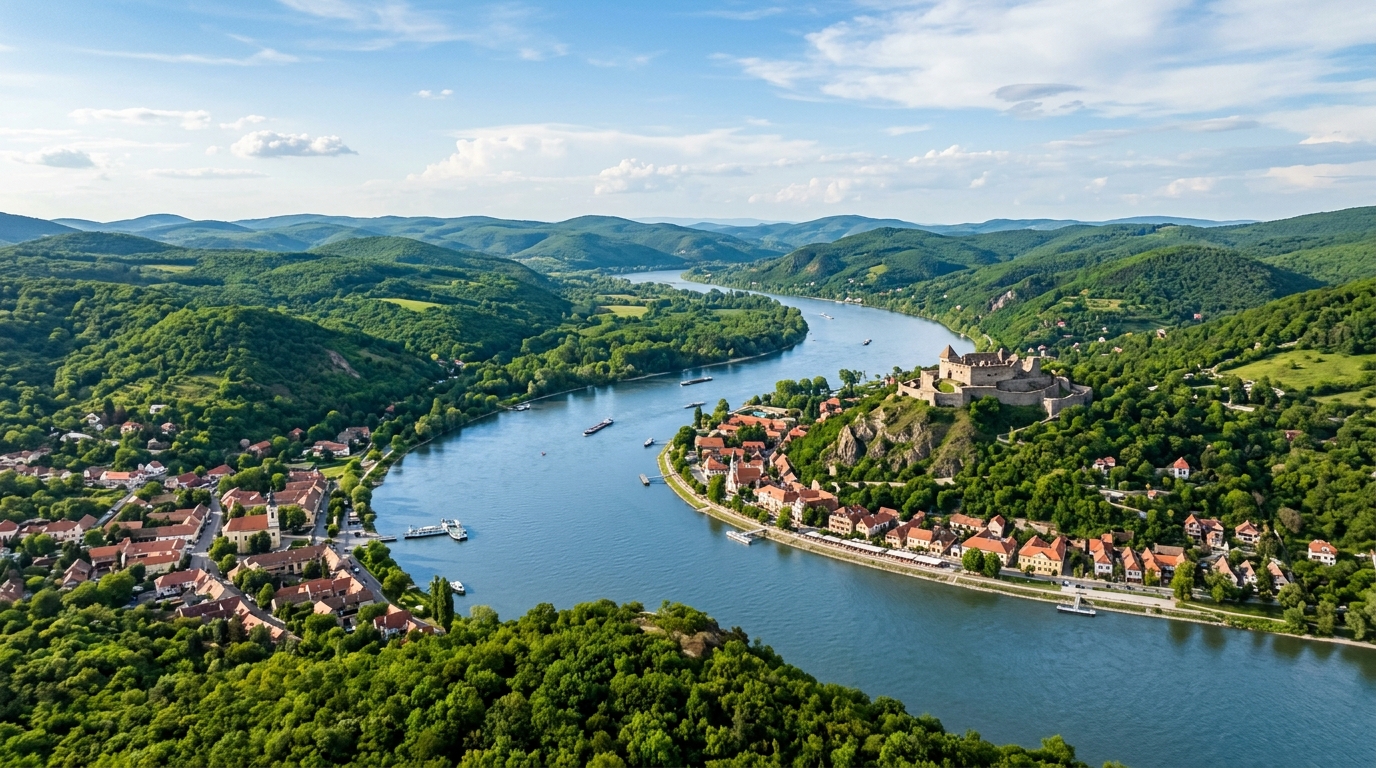
The stretch of the Danube north of Budapest includes three towns worth visiting. Szentendre is a charming baroque town full of galleries and Serbian Orthodox churches. Visegrad has a hilltop fortress with views down the river. Estergom has the largest church in Hungary, built on a promontory over the river, which is visible for miles in every direction.
You can reach all three by train or by organized day trip. The Szentendre specific HEV train from Batthyany ter station is the easiest and cheapest option.
Eger is about two hours from Budapest by train and is famous for two things: a castle that successfully held off an Ottoman siege in 1552, and a wine region producing the red called Egri Bikaver, known as Bull’s Blood. Wine tasting in the cellars carved into the volcanic rock underneath the city is an experience that is genuinely unlike anything you will find in Western Europe.
The Jewish Quarter is the best base for most first time visitors. It is central, walkable to almost everything on the Pest side, and has the best concentration of restaurants, bars, and cafes in the city.
The area near St. Stephen’s Basilica is quieter and slightly more upscale, with good transport links and easy access to the river.
Avoid staying on Vaci Street. It is expensive, loud, and full of tourist trap restaurants. The surrounding streets a few blocks back offer much better value and a more genuine experience of the city.
Vaci Street is Budapest’s main tourist shopping street and it is mostly overpriced souvenir shops and restaurants designed for visitors who do not know where else to go. Walk through it once to see it, but do not eat or shop here.
Organized pub crawls in the ruin bar area can be loud, crowded, and not representative of what the bars are actually like on a normal night. Going independently gives you a much better experience, especially if you start earlier in the evening before the biggest crowds arrive.
Is Budapest expensive to visit?
Budapest is one of the most affordable capitals in Europe. A mid range budget of around 90 to 150 euros per day covers comfortable accommodation, sit down meals, transport, and attractions.
Which thermal bath should I visit in Budapest?
For the classic social experience, choose Szechenyi. For something more atmospheric and historically significant with women only days, choose Rudas. For architecture and elegance, choose Gellert.
Is Budapest safe for solo female travelers?
Yes, Budapest is considered safe for solo female travelers. The main risk is pickpocketing in tourist areas. Use Bolt for late night transport rather than unmarked taxis.
How many days should I spend in Budapest?
Three days is ideal for a first visit. Four or five days allows you to add a day trip and explore at a more relaxed pace.
What is the currency in Budapest?
The currency is the Hungarian Forint (HUF). Most tourist places accept cards, but markets and smaller cafes often prefer cash. Withdraw Forints from an ATM on arrival rather than exchanging currency at the airport.
Do I need to book thermal bath tickets in advance?
Yes, especially in summer and on weekends. Szechenyi in particular sells out popular time slots. Book online a few days ahead to avoid disappointment.
What is the best neighborhood to stay in Budapest?
The Jewish Quarter is the best base for first time visitors. It is central, walkable, and close to the best restaurants, ruin bars, and attractions on the Pest side.
What should I eat in Budapest?
Try langos (deep fried dough with sour cream and cheese), goulash soup, chimney cake, and the local wine Egri Bikaver. The Great Market Hall is the best single spot to try multiple Hungarian foods in one place.
Budapest does not reveal itself all at once. The most memorable parts of a visit here tend to be the unexpected ones. A courtyard you wander into by accident. A conversation at a ruin bar with someone who has lived in the Jewish Quarter their whole life. The Danube lit up at dawn from a bridge no one else is standing on.
Do the big things because they are genuinely worth it. But leave half of your schedule open for wandering. The best version of Budapest is the one you find when you stop following a list.