
 If you are trying to figure out the best things to do in Quebec City in winter, you are in the right place. This guide covers the fun activities, the food, the events, what to pack, how much money to budget, and a simple day by day plan you can copy.
We wrote this after checking what other travel guides say about Quebec City in winter, and we noticed most of them miss a few big things. They talk about the pretty photos but skip the practical stuff, like how cold it really gets, how much a trip costs, and how to dress so you actually enjoy yourself instead of freezing. We fixed that here.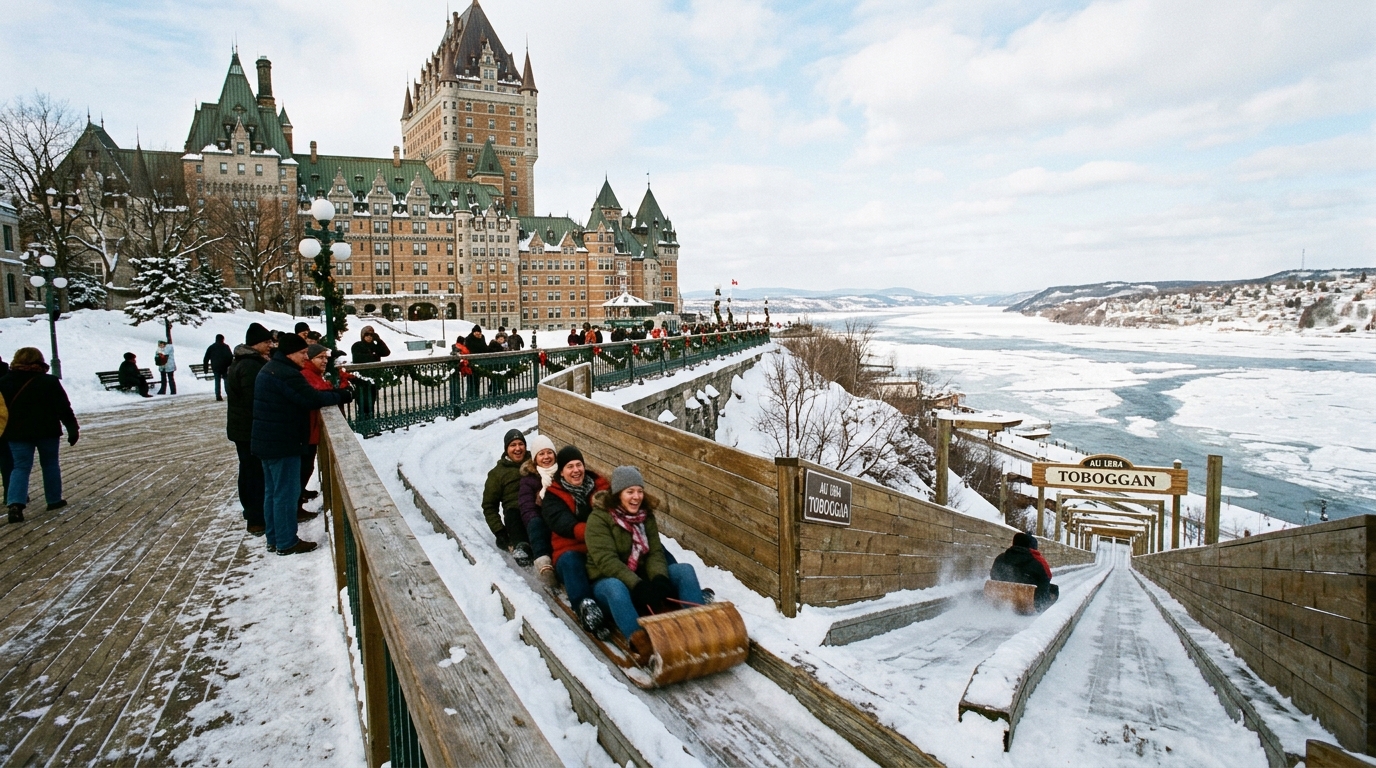
Quebec City is one of the oldest cities in North America. Old Quebec, the historic part of the city, is even a UNESCO World Heritage Site, protected for its European style streets and buildings that go back to the 1600s. You can read more about its history on Wikipedia’s Old Quebec page.
In summer, the city is pretty. In winter, it feels magical. Snow covers the rooftops of Petit Champlain. Christmas lights glow along the stone walls. Horse drawn sleighs move through Old Quebec. You get ice skating, a real ice hotel, a giant winter carnival, and warm food everywhere you turn.
This is also why so many travel writers call it one of the best winter destinations in North America. So if you are searching for the best things to do in Quebec City in winter, know that winter is not the backup season here. For many visitors, it is the main reason to come.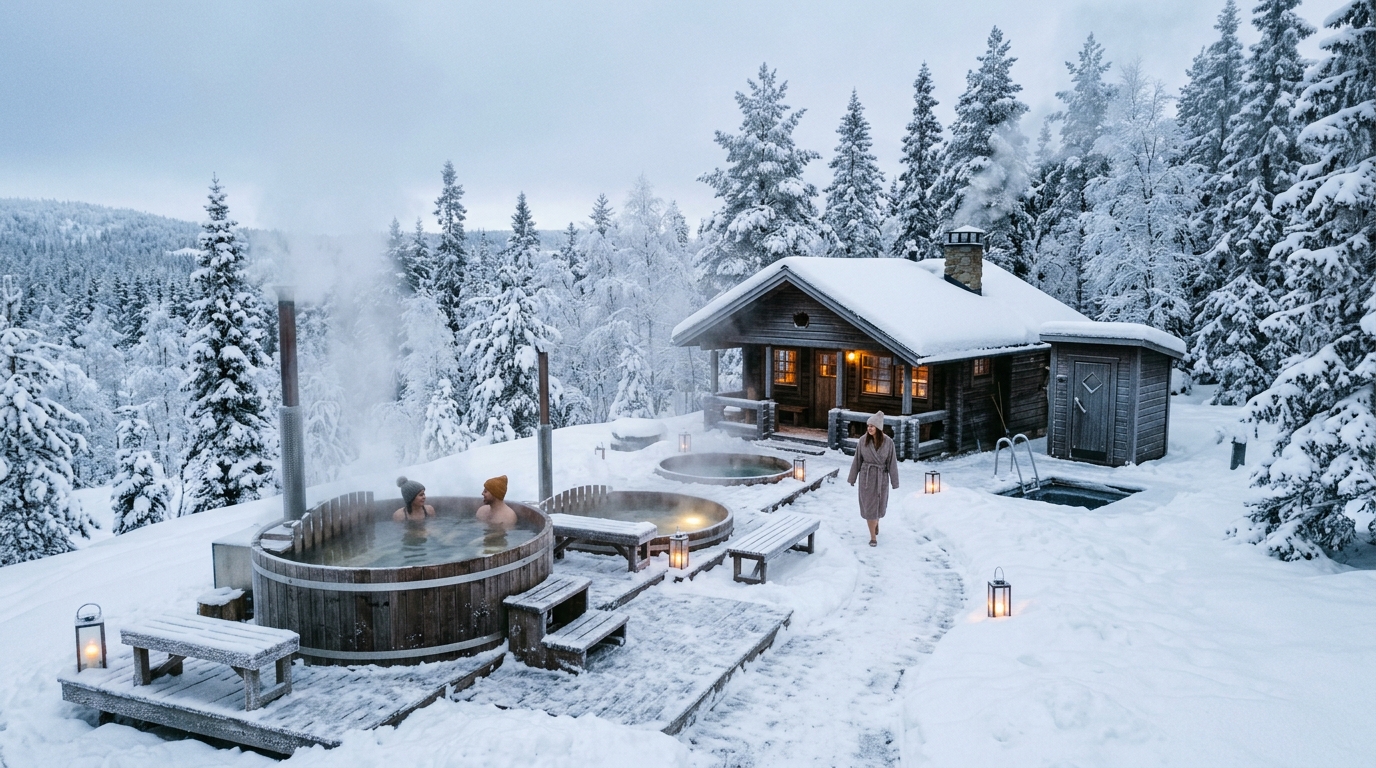
Winter in Quebec City runs from December through March. Here is a simple breakdown so you know what to expect.
If you want the full festival experience, go in late January through mid February. If you want fewer crowds but still plenty of snow, December or early March work well.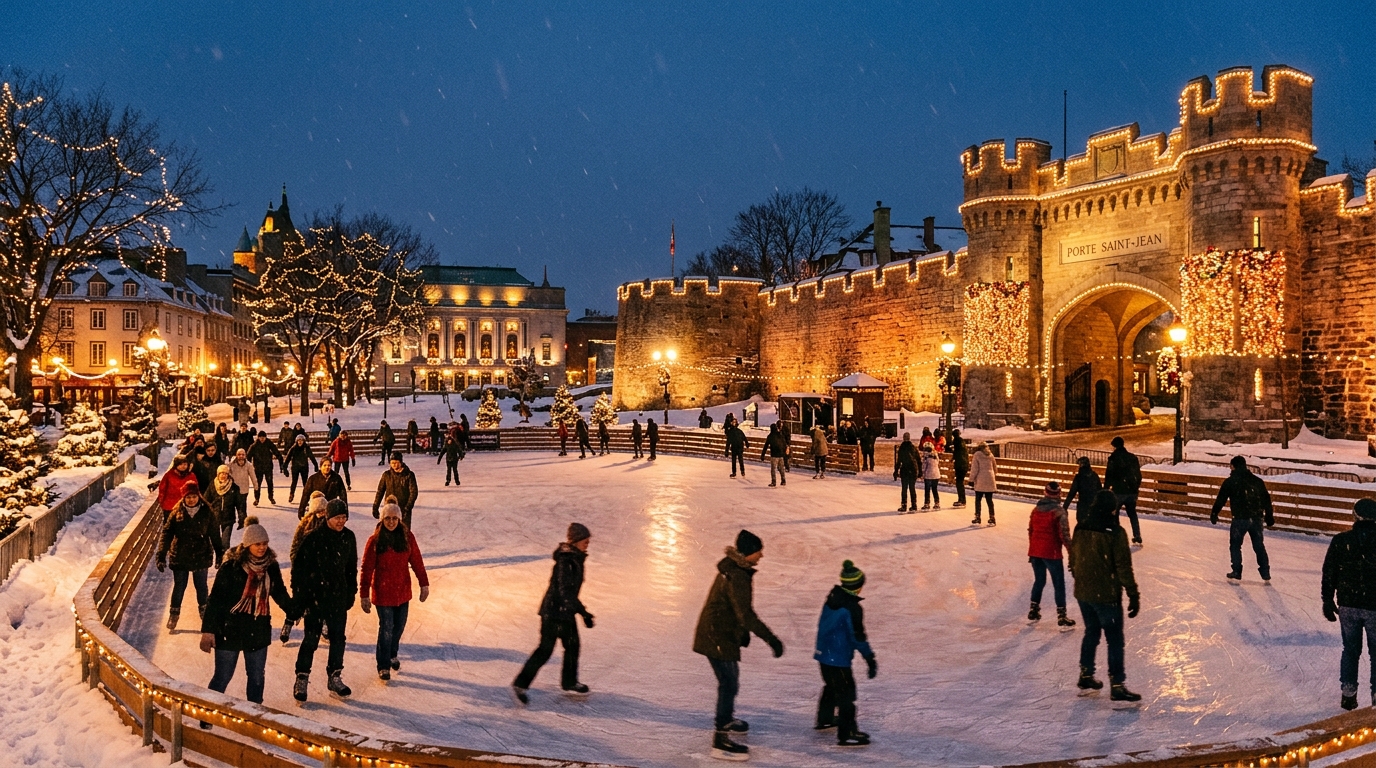
Here is our full list, starting with the most popular picks and moving into the smaller gems most guides skip.
This is free, easy, and honestly the best thing to do in Quebec City in winter for first time visitors. Just walk the streets of Old Quebec. Start at the Chateau Frontenac, head down to Petit Champlain, and wander through Place Royale. The narrow streets look completely different under snow, and every corner feels like a postcard.
Right next to the Chateau Frontenac is a wooden toboggan slide that has been there since the 1800s. You sit on a sled, get pushed off, and slide down at a decent speed with a view of the Saint Lawrence River in front of you. It costs a small fee per ride and is fun for kids and adults.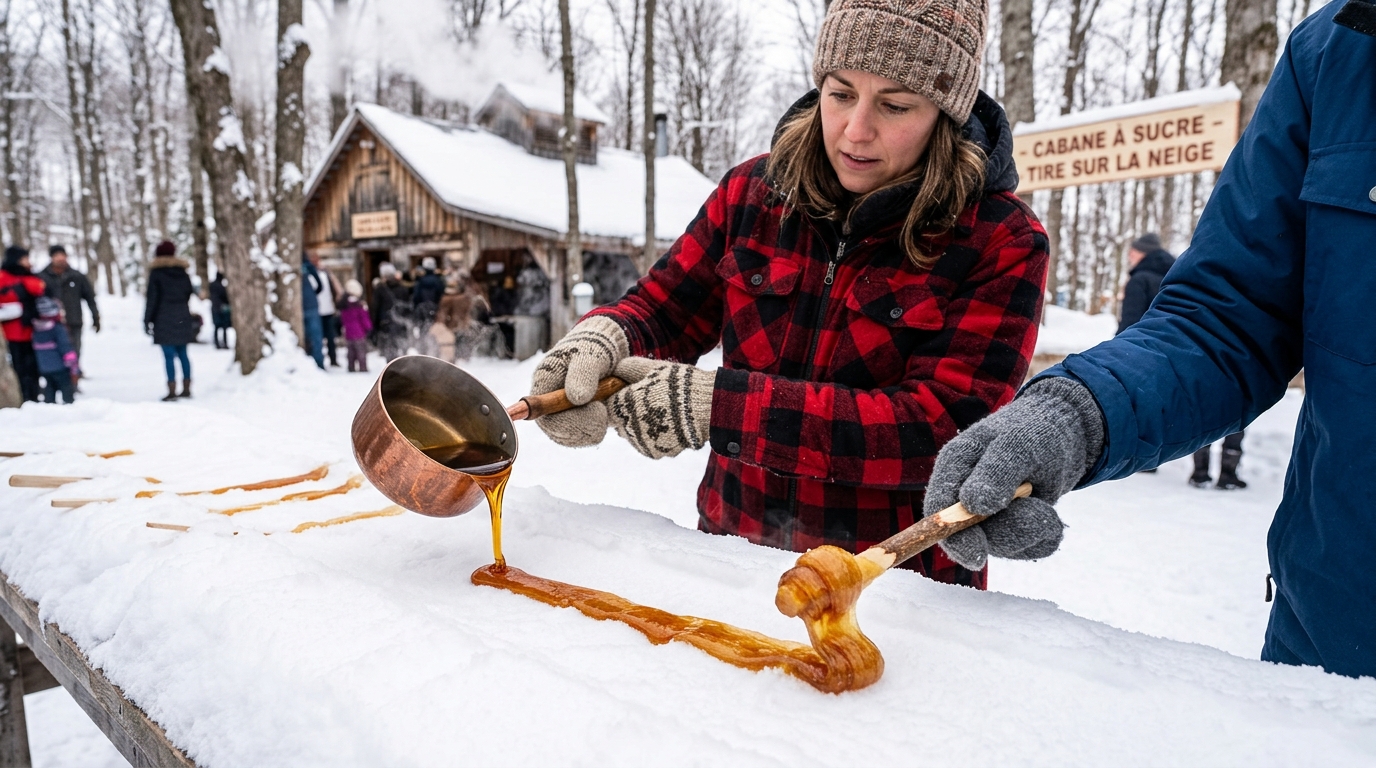
This is the world’s largest winter carnival, and it has been running since 1894. The 2026 edition runs from February 6 to 15. You will find ice sculptures, night parades, an ice palace built for the mascot Bonhomme, snow slides, and dozens of outdoor activities across the city. Full details and the yearly schedule are on the official Carnaval de Québec website, and you can read the festival’s background on its Wikipedia page.
Tickets called Effigies give you access to most sites and come with small perks like a hot drink and maple taffy. Kids age 12 and under usually get in free.
This outdoor rink sits right next to the old fortified gates of the city and next to the Christmas Market. Rent skates on site, glide around for an hour, then warm up with a hot chocolate from one of the nearby cafes. It is one of the most scenic rinks you will find anywhere.
This is Canada’s only ice hotel, and it is rebuilt from scratch every single winter using thousands of tons of snow and ice. It usually opens in early January and stays open until March, weather depending. You can visit for a few hours to see the ice bar, the ice chapel, and the sculpted rooms, or you can actually sleep there in a proper sleeping bag on a bed made of ice. Either way, it is unlike anything else in North America. Check current dates and packages on the official Hôtel de Glace site.
The German Christmas Market in Old Quebec runs from late November through late December. Think wooden kiosks, string lights, mulled wine, and the smell of cinnamon and sausages in the cold air. Once that wraps up, Le Grand Marché hosts its own holiday market with local food and gifts.
Just outside the city is Montmorency Falls, and it is actually taller than Niagara Falls. In winter, the mist from the falls freezes and builds up into a giant cone of ice at the bottom, which locals call the sugar loaf. You can walk across the suspension bridge above the falls or take the cable car for a better view. It is an easy half day trip from downtown.
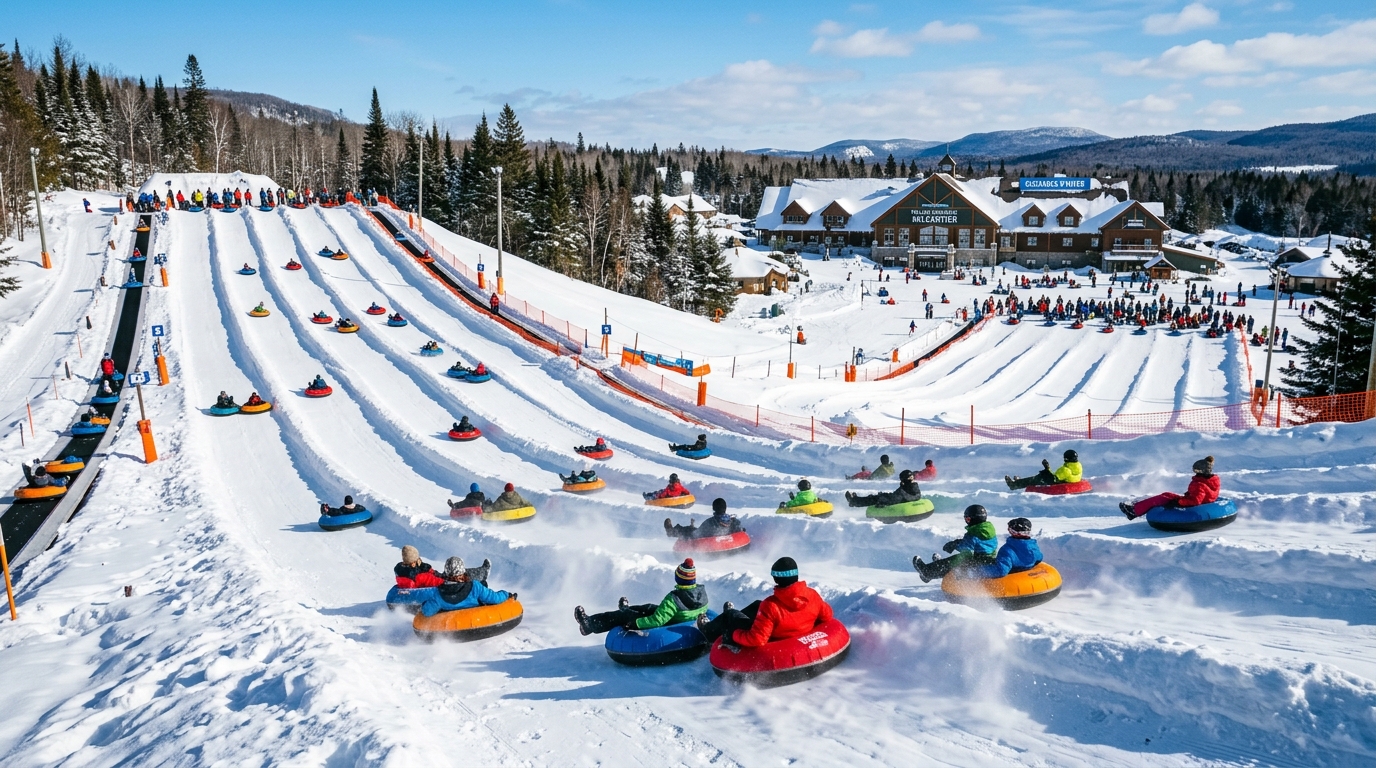
Quebec City sits close to several ski resorts, including Le Massif de Charlevoix and Stoneham. Village Vacances Valcartier, the same resort that hosts the ice hotel, has one of the largest snow tubing parks in Eastern Canada plus an indoor water park to warm up in after. If you want something different, book a dog sledding tour through the forest just outside the city. It is a bucket list activity for a lot of visitors.
Places like Strøm Spa and Le Germain Spa let you move between outdoor hot tubs, saunas, and cold plunge pools while snow falls around you. It sounds strange until you try it. The contrast between the heat and the cold air is one of the most relaxing things you can do on a winter trip.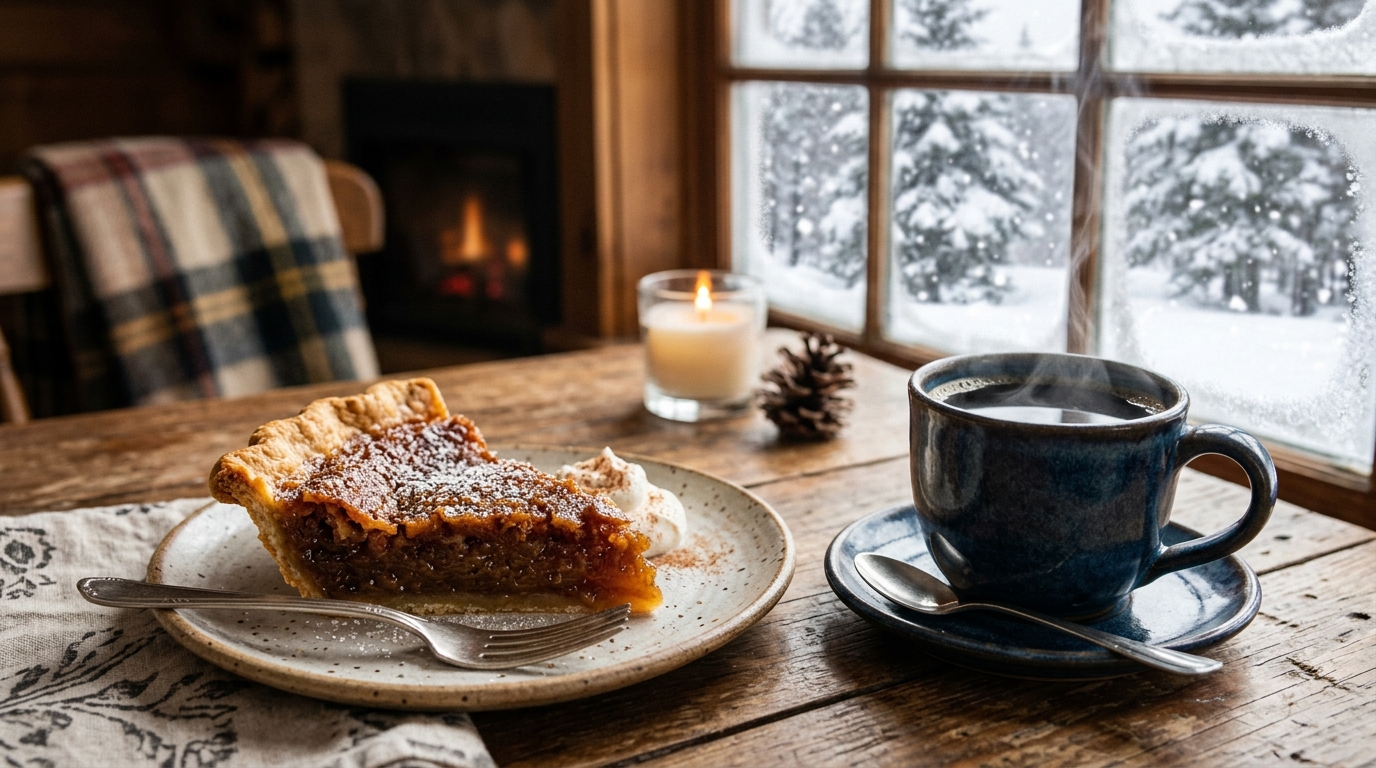
Food is a big part of any Quebec City winter trip. Here is what to try:
We read through the top ranking articles on this topic, and almost all of them focus only on the list of activities. Here is what they leave out.
Locals dress in layers, not one thick coat. Here is a simple system that actually works:
A good pair of insulated boots makes the biggest difference. If yours are not rated for real winter cold, check these insulated winter boots on Amazon before your trip, since regular sneakers or fashion boots will leave your feet cold within minutes outside.
Hand warmers are also worth packing, especially for long outdoor events like Carnaval or the toboggan run. A reusable hand warmer like this one heats up fast and can be reused again and again, so you are not throwing away disposable ones every day.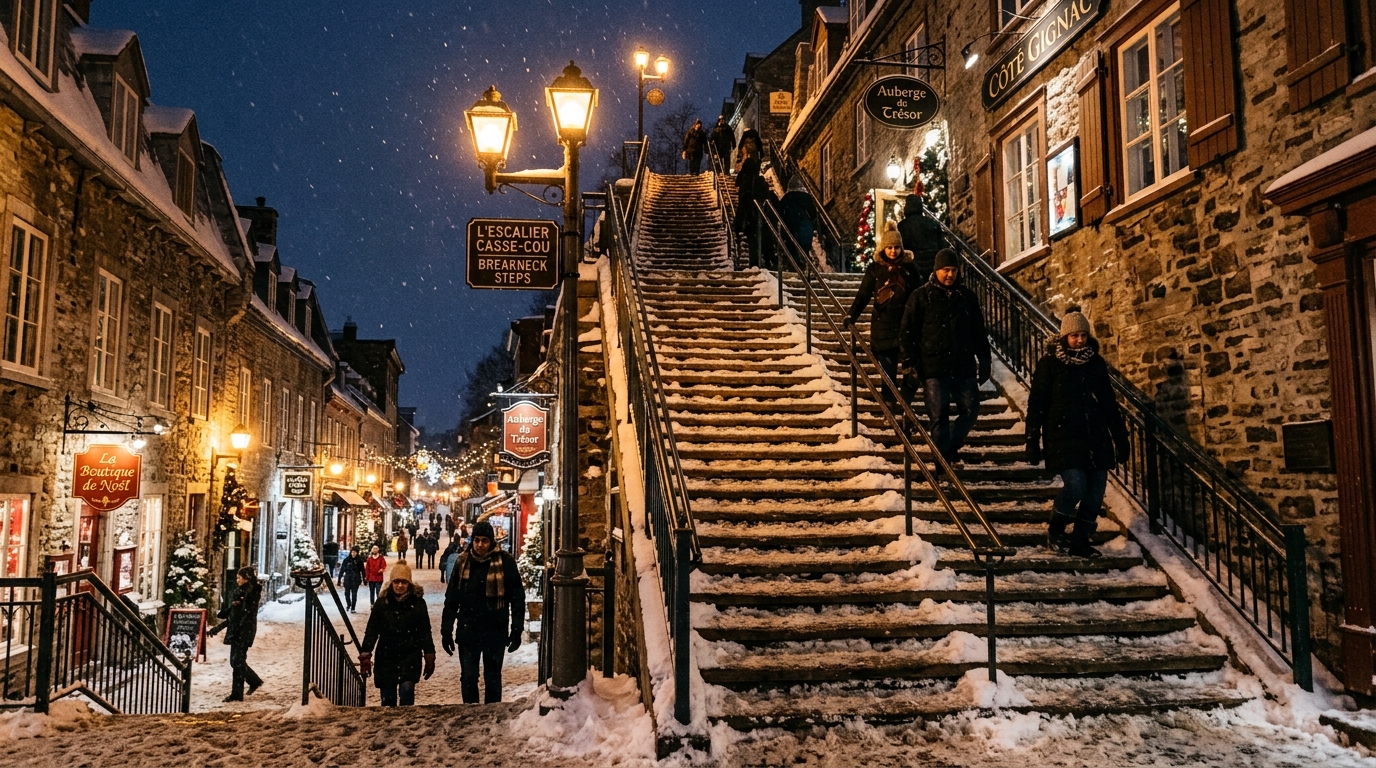
Most articles skip numbers completely, so here is a rough daily budget per person, in Canadian dollars:
Carnaval Effigy passes usually cost around 30 to 60 dollars, and a day visit to the ice hotel runs about 25 to 35 dollars per person.
Yes, and this is actually one of the best parts of visiting. Old Quebec is small, and most major sights sit within a 20 minute walk of each other. The sidewalks in the tourist areas are cleared and salted regularly. Just wear boots with good grip, since some of the older stone streets and stairs, like the Breakneck Steps, do get slippery after fresh snow.
Staying inside the walls of Old Quebec means you can walk to almost everything on this list. If you want a quieter, more budget friendly stay, look just outside the walls near Grande Allée, which is still a short walk or cheap taxi ride from the main sites.
Day 1: Walk Old Quebec, visit the Chateau Frontenac, ride the toboggan slide, ice skate at Place D’Youville, browse the Christmas Market if it is open.
Day 2: Day trip to the Hôtel de Glace and Village Vacances Valcartier for snow tubing, or head to Montmorency Falls in the morning and a Nordic spa in the afternoon.
Day 3: If you are visiting during Carnaval, spend the day at the festival sites. If not, try dog sledding or a ski day at a nearby resort, then finish with a poutine dinner in Old Quebec.
If you are combining Quebec City with other winter spots in Canada, our Whistler travel guide and Toronto travel guide are worth checking too, since a lot of visitors build a bigger Canadian winter trip around these three cities. We also have a full Canada destinations hub if you want to keep exploring, plus a guide to budget friendly adventure trips in Canada if cost is your main concern. And if you are curious how the same country feels in warmer months, take a look at our roundup of the best summer destinations in Canada.
Is Quebec City worth visiting in winter?
Yes. Winter is actually the best season for a lot of visitors, since it brings the ice hotel, the winter carnival, Christmas markets, and snow covered streets that you will not see in summer.
How cold does it get in Quebec City in winter?
Temperatures usually sit between minus 10 and minus 20 degrees Celsius (0 to 14 degrees Fahrenheit) from January through February, though it can feel colder with wind chill.
What should I pack for Quebec City in winter?
Pack thermal layers, a waterproof winter coat, insulated boots rated for extreme cold, wool socks, a warm hat, gloves or mittens, and hand warmers for long outdoor events.
How many days do I need in Quebec City in winter?
Three days is enough to see Old Quebec, visit the ice hotel or Montmorency Falls, and enjoy one or two winter activities without rushing.
When is Carnaval de Québec in 2026?
The 2026 Quebec Winter Carnival runs from February 6 to 15.
Is the Hôtel de Glace worth visiting?
Yes, even just for a few hours. You do not have to sleep there to enjoy it. A day visit ticket lets you walk through the ice sculptures, chapel, and ice bar for a fraction of the overnight price.
Is Quebec City safe to walk around in winter?
Yes. The historic center is well maintained and well lit, and sidewalks in tourist areas are cleared regularly. Just wear boots with good traction for icy patches.
Quebec City in winter is not just pretty to look at. It is a season packed with real activities, from sliding down a 1800s toboggan run to sleeping on a bed made of ice. Whether you have one day or a full week, you will not run out of things to do.
If you are still planning the rest of your trip, check the official Quebec City tourism guide to winter activities for updated hours and seasonal openings, since dates can shift slightly year to year depending on snowfall. And once you have your dates locked in, come back to this guide for the full list of the best things to do in Quebec City in winter, pack your warmest boots, and enjoy the snow.