This guide skips the tour-package math (the “$327 a day average” you’ll see quoted elsewhere) and instead walks through what independent, budget-conscious adventure travel in Canada actually costs in 2026, region by region, with real numbers pulled from the parks themselves.
Before picking a destination, it helps to know the three line items that make or break a Canadian adventure budget.
Park access. If your trip touches more than one national park say Banff, Yoho, and Kootenay in the same week the Parks Canada Discovery Pass is the single best value in Canadian travel. It runs $83.50 for an adult or $167.50 for a family/group of up to seven people in one vehicle, and it covers admission to more than 80 national parks and historic sites for a full year. Daily entry to the Rocky Mountain parks is $12.25 per adult, so the pass pays for itself in under seven days. There’s also a seasonal wrinkle worth planning around: the Canada Strong Pass gives free admission to Banff National Park from June 19 to September 7, 2026, plus a 25% camping discount during that window a genuinely free way to visit if your dates line up.
Where you sleep.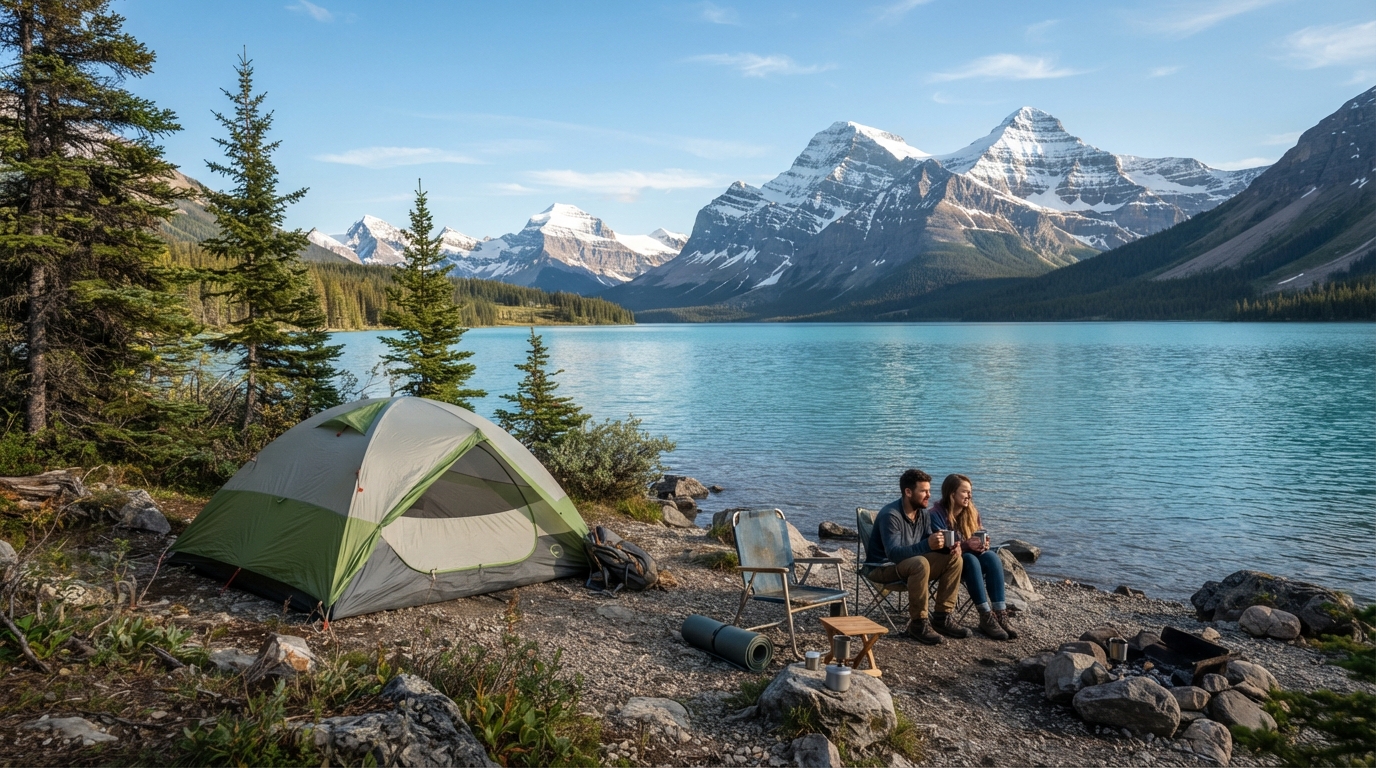 Developed campgrounds in provincial and national parks generally run $34–$56 a night. Backcountry sites, which require a permit but put you somewhere genuinely remote, are far cheaper Algonquin Provincial Park’s backcountry permit is about $14 per adult per night, no matter how far into the interior you paddle.
How you move. This is where most “budget” trips quietly become expensive. Renting a car for a week in the Rockies during summer can cost more than the flight that got you there. Trips built around one hub Tofino, Canmore, Squamish with day trips radiating out beat multi-city road trips almost every time on a tight budget.
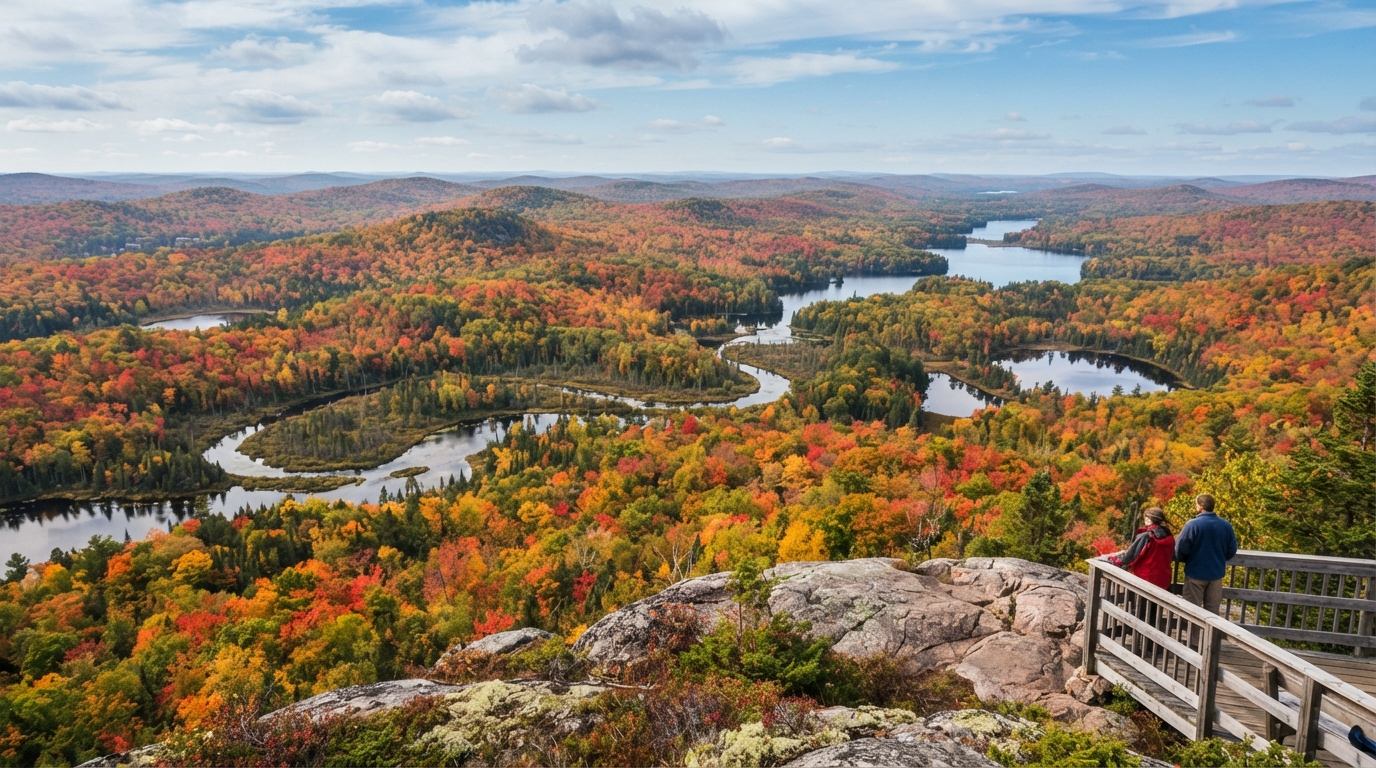
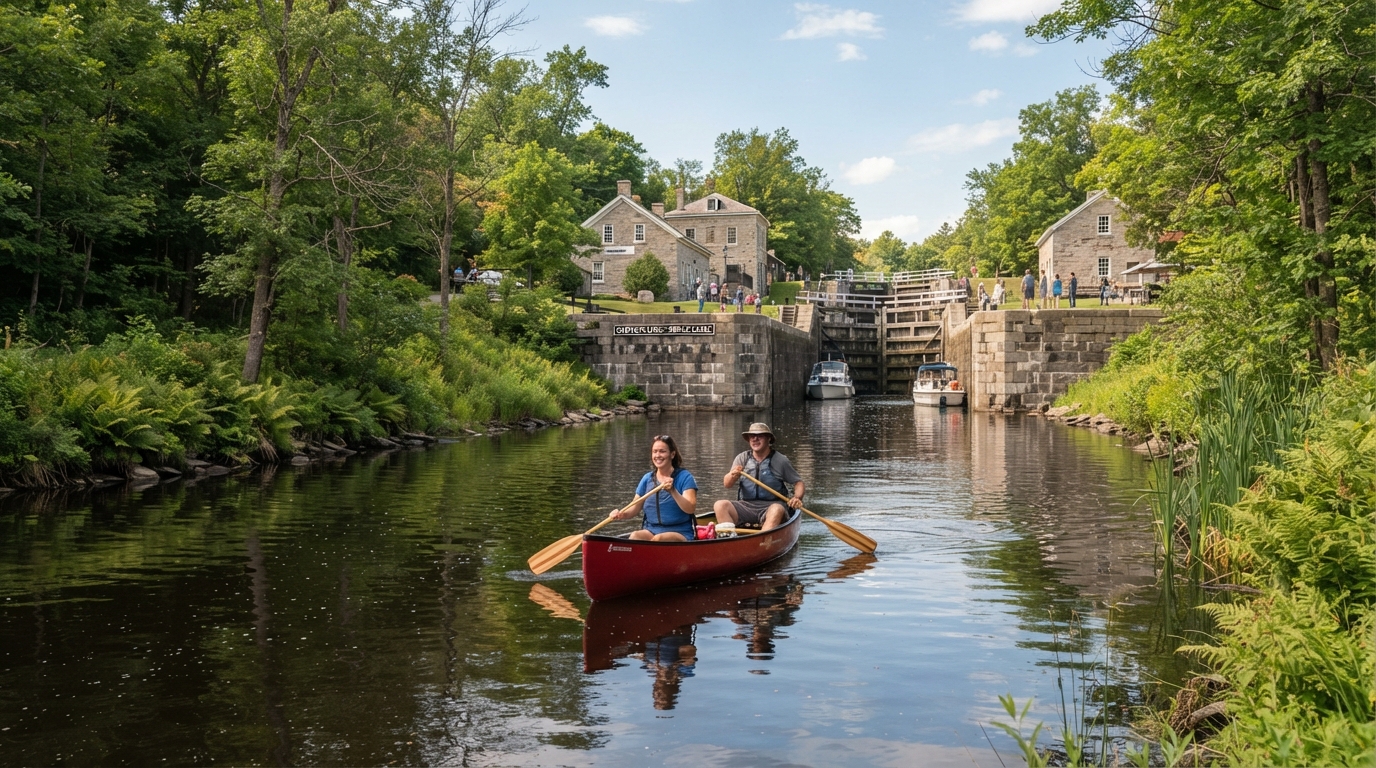
Algonquin is the trip most Canadians grew up doing, and it remains one of the cheapest genuine wilderness experiences on the continent. Over 2,000 backcountry sites sit across more than 2,400 kilometers of canoe routes and portage trails, and you don’t need a guide to access any of it just a reserved backcountry permit and a map.
Real numbers: backcountry camping runs about $14 per person per night; the daily vehicle permit is $21, or $92 for an annual pass if you’re coming back. A three-night canoe loop for two people, gear rental included, typically lands under $250 total cheaper than one night at most lodges an hour outside the park. Book through Ontario Parks’ reservation system five months ahead for July and August weekends; the good routes fill fast.
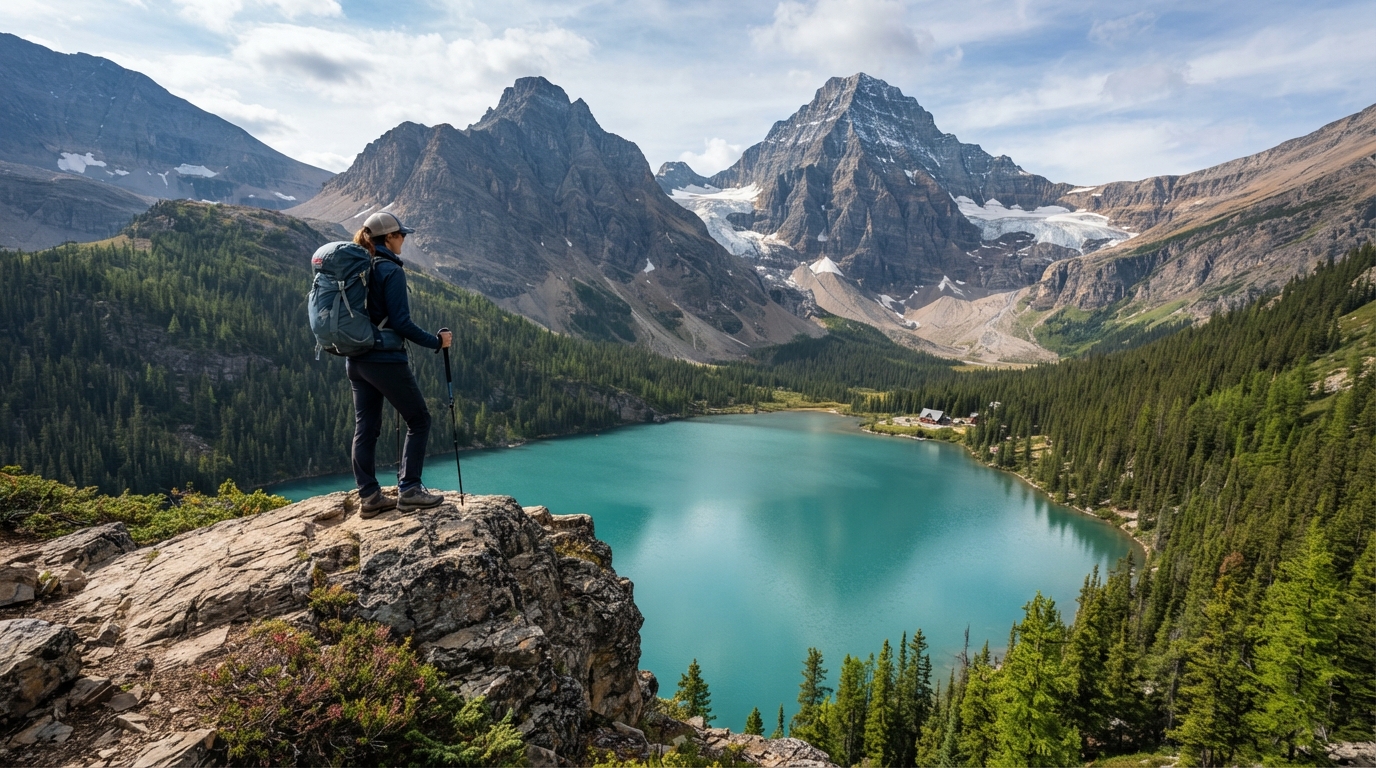
Banff gets marketed as a luxury destination, but the adventure itself hiking to Lake Agnes Teahouse, scrambling above Moraine Lake, paddling Emerald Lake in Yoho costs the same whether you’re staying at the Fairmont or a $38 hostel bunk. For a full breakdown of where to stay and what to prioritize on a first visit, our Banff guide for first-time visitors covers the logistics in more depth, and our Banff winter guide is worth a look if you’re chasing snow instead of alpine lakes.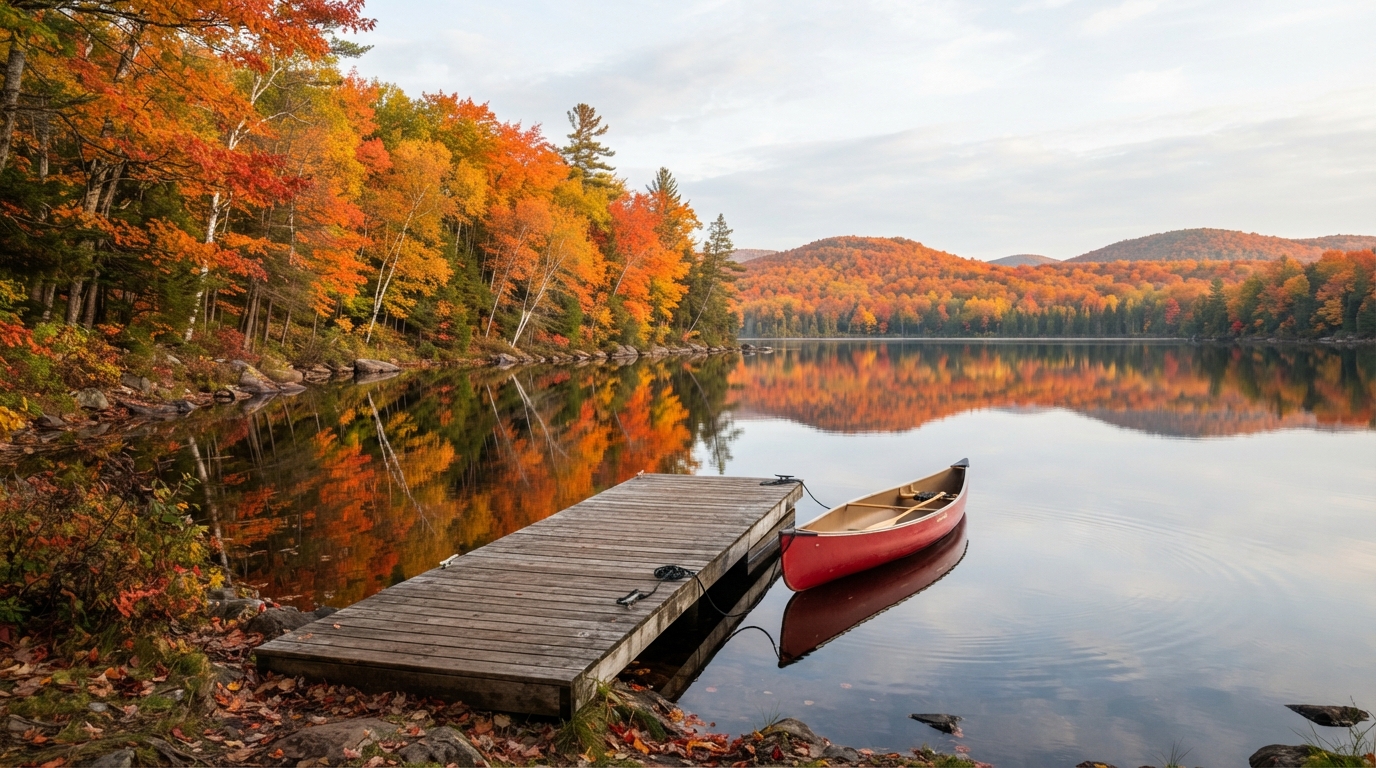
Real numbers: the Discovery Pass ($83.50/adult) covers entry to Banff, Yoho, and Kootenay for a full year. Tunnel Mountain Campground runs around $40/night. If your trip falls between June 19 and September 7, 2026, Banff entry is free under the Canada Strong Pass and camping is discounted 25% worth building a trip around if your schedule allows it.
The Bruce Peninsula gets compared to the Caribbean for a reason the water off Tobermory really is that color. Hiking the Grotto and the Georgian Bay cliffs along the Bruce Trail costs nothing beyond a park day-pass, and the swimming, cliff-jumping, and sea-kayaking here rival much more expensive coastal destinations.
Real numbers: day-use parking and trail access run roughly $15–$20; camping at Cyprus Lake sits in the $45–$55 range. A weekend trip for two, including a rented kayak, typically stays under $300.
Tofino has a reputation as an expensive surf town, and the beachfront resorts earn that reputation. But the surfing itself one of the few cold-water surf scenes in North America worth traveling for is accessible to anyone willing to camp instead of book a suite. Group surf lessons run in the $80–$100 range, board rentals are cheaper if you book multiple days, and Pacific Rim National Park’s campgrounds put you steps from the break for a fraction of resort pricing.
Real numbers: Pacific Rim camping runs roughly $30–$40/night; a two-day intro-to-surfing package with lessons and rental typically lands around $180–$220 per person genuinely affordable for what’s often sold as a bucket-list splurge.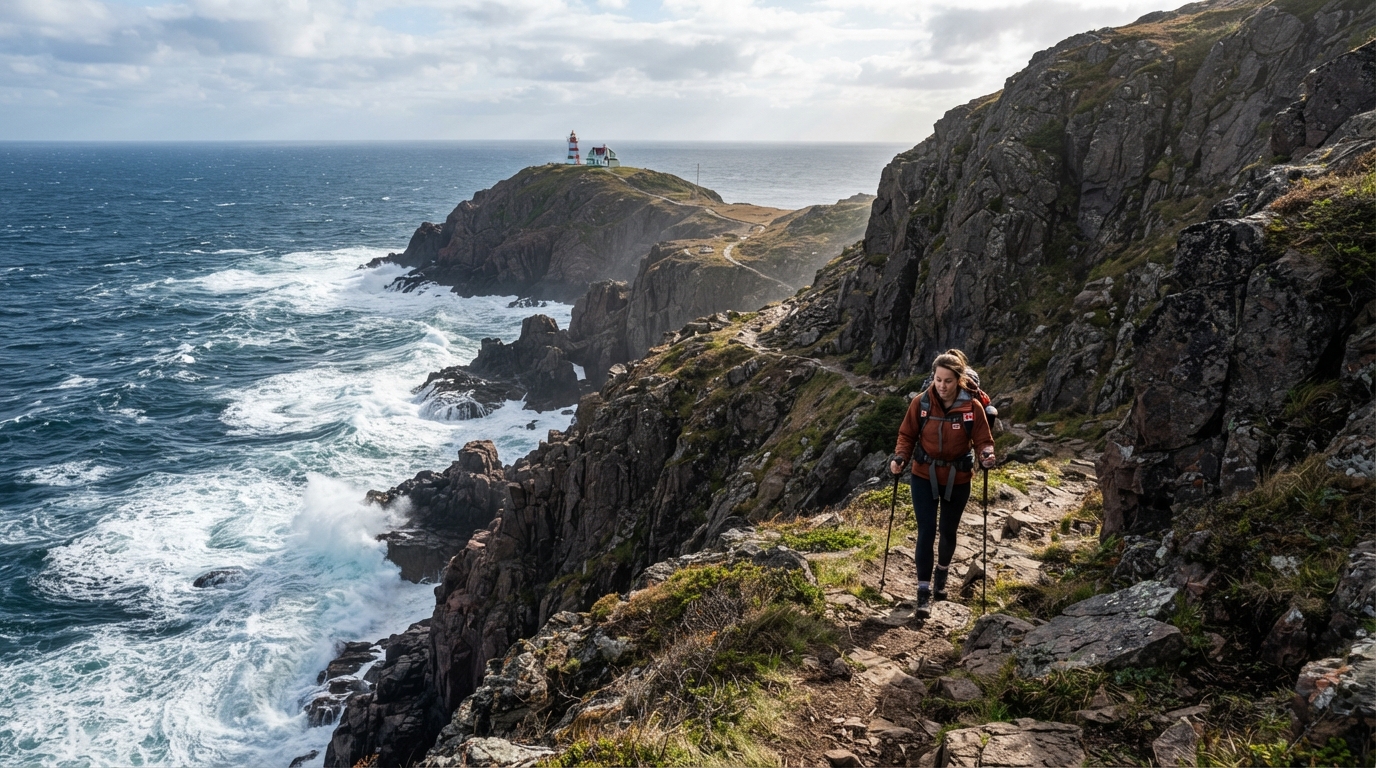
Whistler in ski season is genuinely expensive. Whistler in June or September is a completely different, far cheaper mountain town with hiking, mountain biking, and via ferrata routes that don’t require a lift ticket to access most of the terrain. Our full Whistler travel guide breaks down the shoulder-season strategy in detail, and if skiing is still the goal, our roundup of budget-friendlier ski destinations across Canada is a useful comparison before you commit.
Real numbers: shoulder-season hostel beds in Whistler run $45–$65/night versus $150+ in winter; many of the best hiking trails, including Joffre Lakes and the Sea to Sky corridor, are entirely free once you’re there.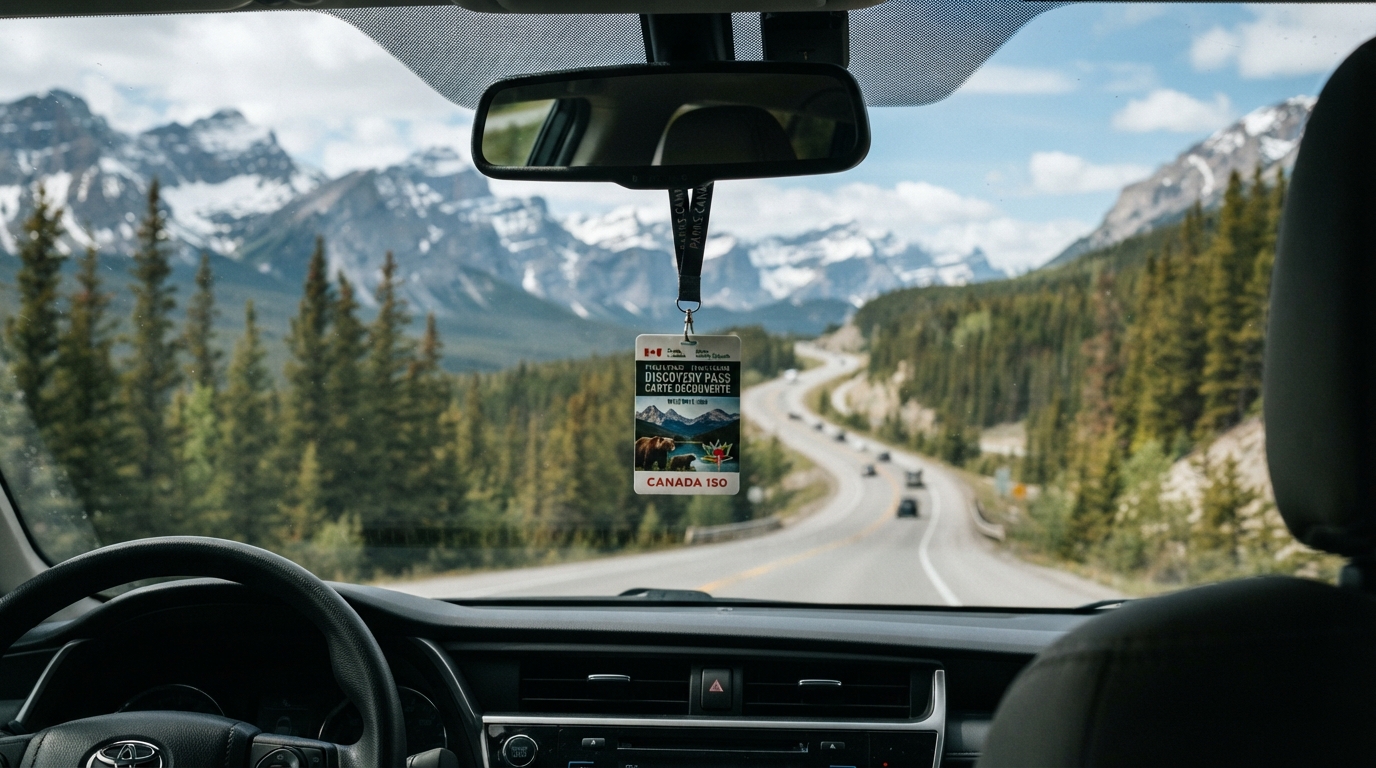
Fundy is one of the least crowded national parks in the country, which keeps prices down and campsites available even in peak summer. Kayaking the Bay of Fundy at low tide, then watching the same spot disappear under 40 feet of water twelve hours later, is one of the more genuinely surreal adventure experiences in Canada and it’s covered by the same Discovery Pass that gets you into Banff.
Real numbers: camping runs $30–$45/night; guided sea-kayaking tours through local operators typically cost $75–$95 for a half-day.
If flexibility is on your side, the single biggest budget lever isn’t destination it’s timing. Our roundup of hidden winter destinations in Canada that most tourists miss covers several spots where shoulder-season pricing runs 40–60% below peak summer or peak ski-season rates, without losing much of the actual experience.
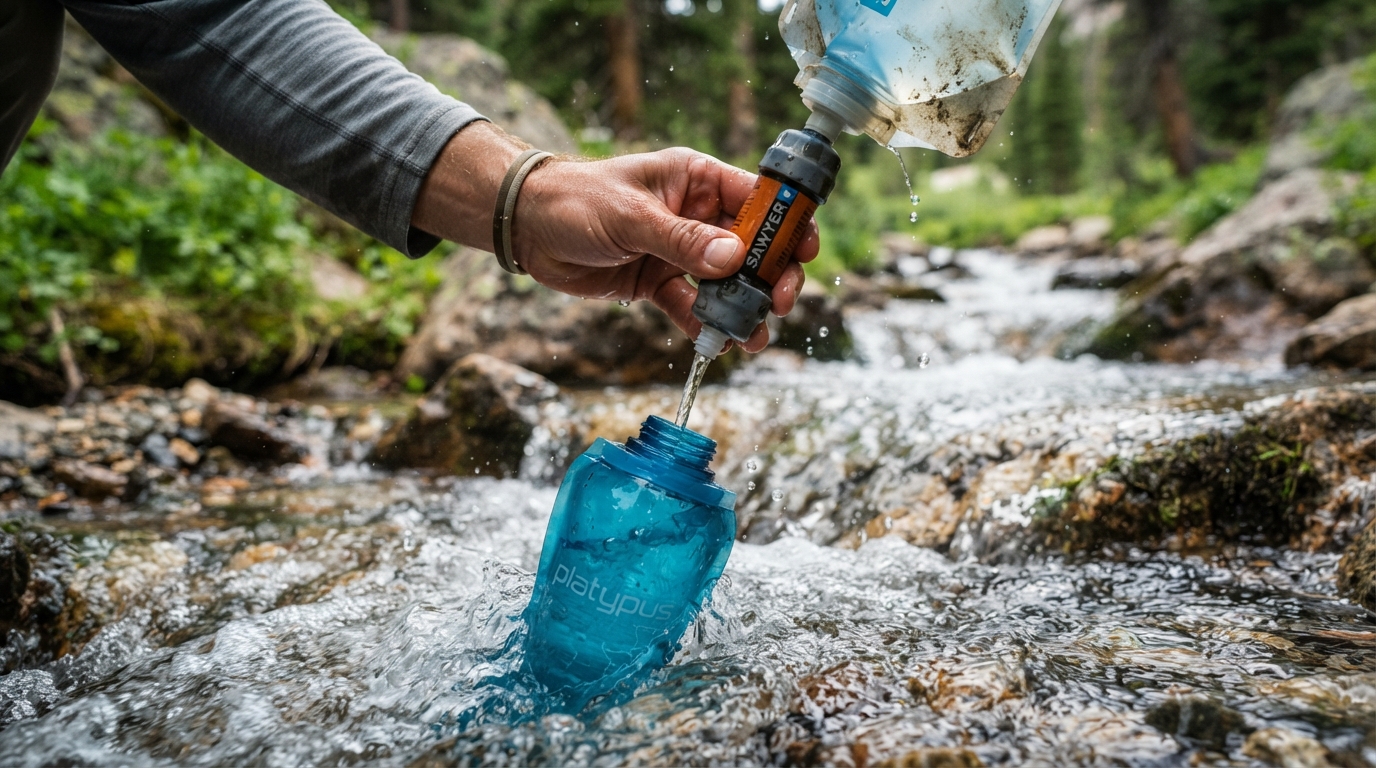
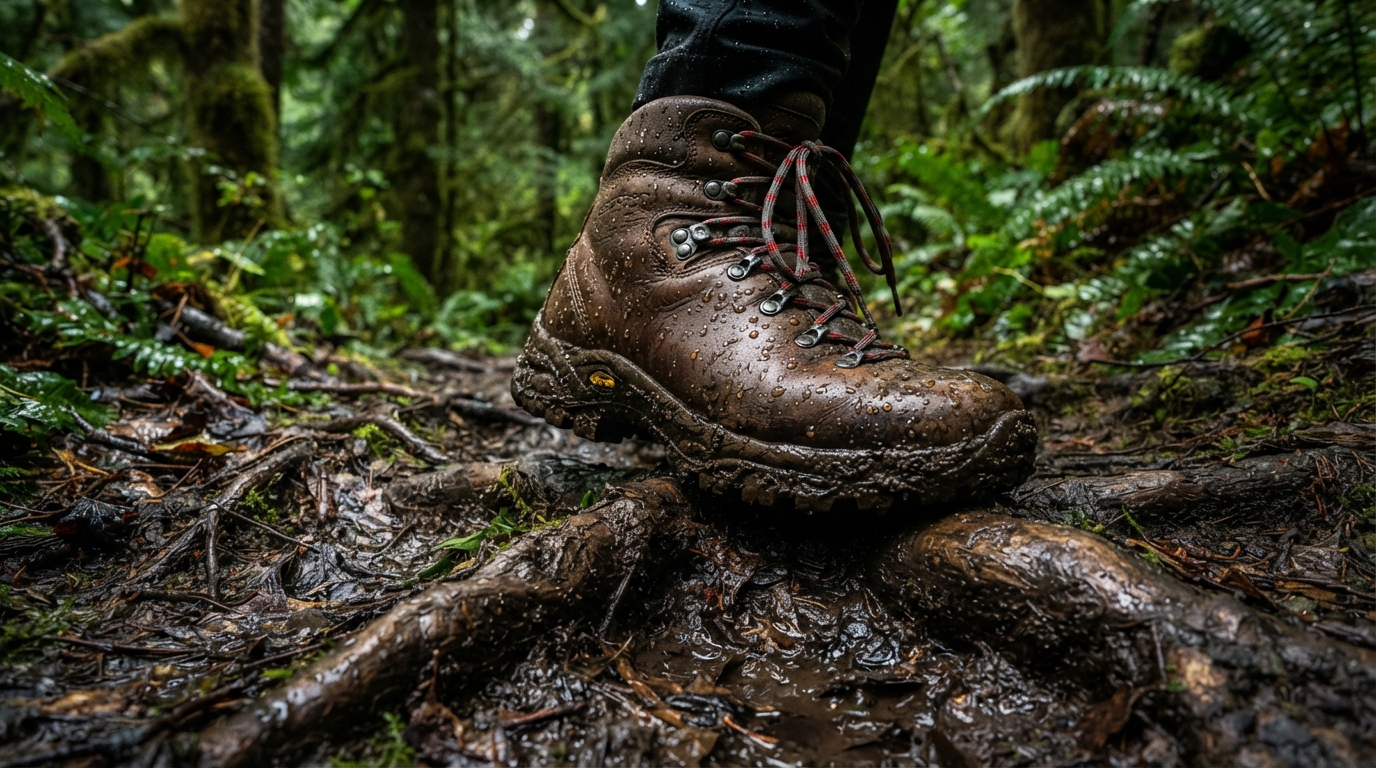
You don’t need a full outfitter’s worth of gear for most of these trips, but three items consistently make the difference between an enjoyable budget adventure and a miserable one:
Is Canada expensive for adventure travel?
It can be, if you’re booking resort-based packages. Independent trips built around national and provincial park access, backcountry camping, and off-peak timing regularly cost a fraction of the guided-tour pricing you’ll see quoted elsewhere.
Do I need a Discovery Pass for a single park visit?
No if you’re only visiting one national park for a few days, paying the daily entry fee ($12.25/adult in the Rockies parks) usually costs less than the annual pass. The pass only pays off once you’re visiting multiple parks or staying a week or more.
Is backcountry camping in Canada safe for beginners?
Yes, with preparation. Algonquin and similar parks maintain marked routes, permit systems, and ranger support, and starting with a shorter one- or two-night route is a reasonable way to build confidence before attempting longer canoe or backpacking trips.
What’s the cheapest season for adventure travel in Canada?
Shoulder seasons late spring and early fall generally offer the best balance of lower prices, fewer crowds, and still-accessible trails, especially in mountain towns like Whistler where winter pricing spikes dramatically.
Can you do a budget adventure trip in Canada without a car?
In a few places, yes Tofino and Whistler both have shuttle and bus connections from major airports. Most backcountry destinations like Algonquin and Fundy, however, are genuinely easier with a car.