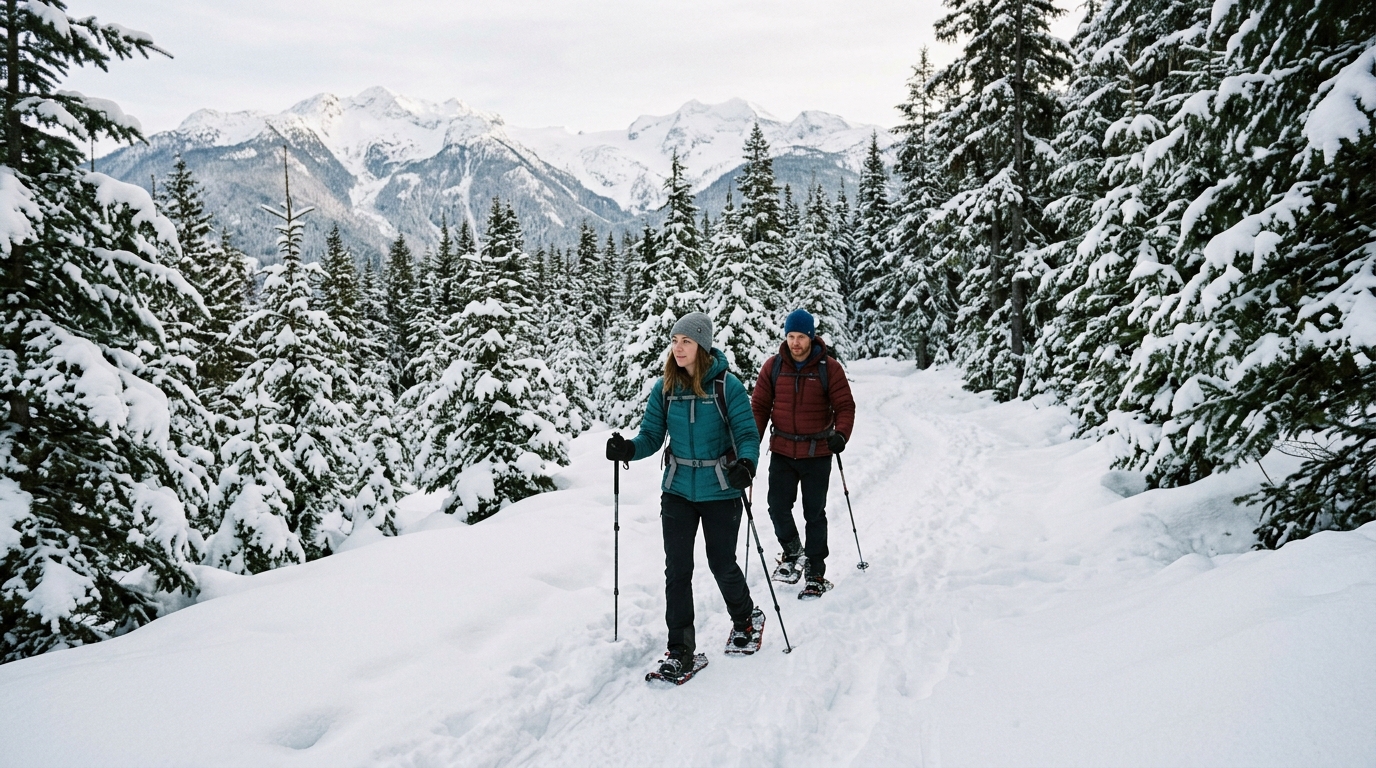
Whistler is one of Canada’s best mountain destinations for first-time visitors, as it is great in both summer and winter. If you want the easiest overall experience, go in summer. Winter is the best time to go if skiing or snowboarding is the main reason for your trip.

For most first-time visitors, late June to September is the best time to go. The weather is easier, sightseeing is smoother, and you can enjoy lakes, hiking, and mountain views without dealing with winter logistics.
Winter is the classic Whistler season, and it is the right choice if skiing or snowboarding is your main reason for visiting. But it also comes with higher costs, more planning, and extra things to think about like road conditions and lift access.
Whistler is not just a winter destination. That is what many first-timers get wrong. It works well year-round, but for a first overall trip, summer is often the easier and more flexible option.
| Option | Best For | Key Benefit | Limitation |
|---|---|---|---|
| Summer | First-time visitors | Easiest overall experience | Popular dates can be pricey |
| Winter | Skiers and snowboarders | Classic Whistler atmosphere | More expensive and harder to plan |
| Spring | Relaxed mountain trips | Quieter and more laid-back | Some activities start gradually |
| Fall | Scenic quiet escapes | Fewer crowds | Some alpine access may be limited |
For a first visit, summer is often the smarter choice unless you are specifically going to ski.
Whistler is about a two-hour drive from Vancouver, though the trip can take longer depending on traffic and weather.
If you do not want to rent a car, that is completely fine. Many first-time visitors take a shuttle or coach from Vancouver or YVR and manage the trip easily without driving.
For most first-timers, the best choice is simple: drive if you want flexibility, or take a shuttle if you want the easiest, lowest-stress option.
If you are visiting in winter, road conditions matter more, so think carefully before choosing to drive.
For most first-time visitors, Whistler Village is the best place to stay. It is central, walkable, and close to restaurants, shops, and major activity areas. If you want the trip to feel effortless from the moment you arrive, this is usually the safest choice.
Upper Village is a suitable alternative if you want something slightly quieter while still staying close to the main action. It works well for people who want convenience without as much buzz right outside their door.
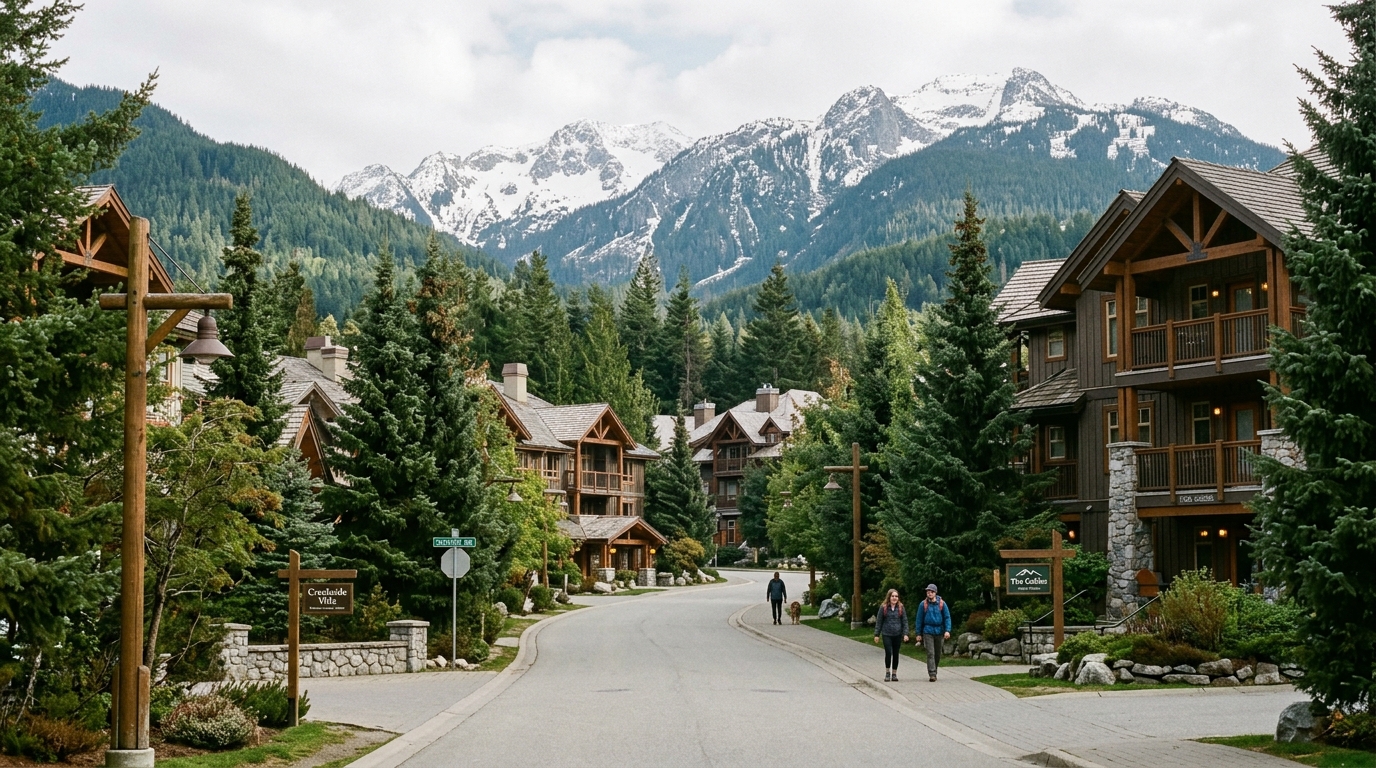
Creekside is a better fit if you prefer a calmer atmosphere and do not mind being a little outside the center. Some travelers like it because it feels more relaxed and less busy.
The biggest mistake first-timers make is focusing too much on the hotel itself and not enough on the area. In Whistler, location matters more than squeezing out a small accommodation saving. If it is your first trip, staying central usually improves the whole experience.
The most iconic thing to do is ride the PEAK 2 PEAK Gondola. It is one of the top Whistler experiences and a great choice for first-time visitors.
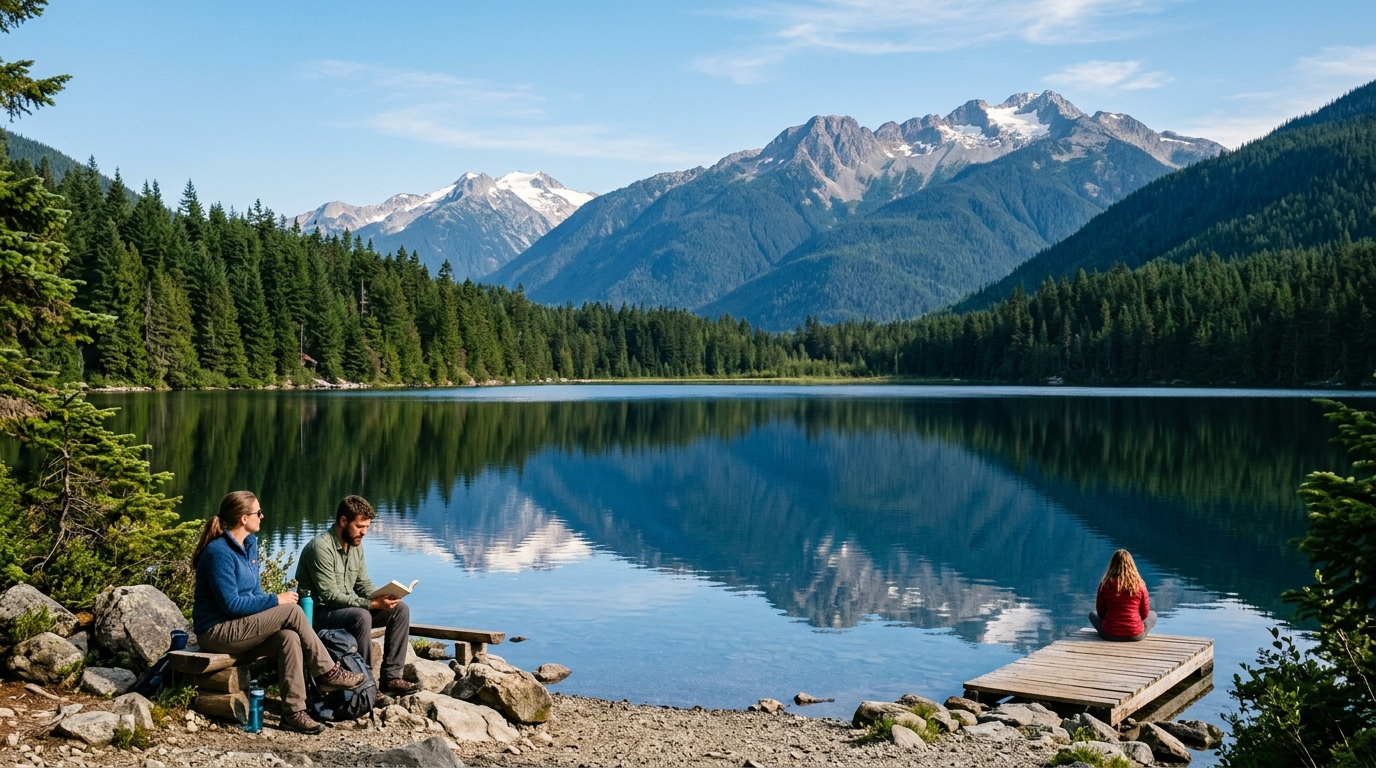
In summer, the best activities are simple: alpine sightseeing, lakes, walking trails, and time around the village. During winter, skiing or snowboarding are the main highlights, along with slower activities such as snowshoeing, Nordic trails, and village time. Here’s the thing: you do not need to cram in everything. Whistler is better when you leave room to enjoy it.
If this is your first time, three days is enough for a strong introduction.
Day 1: Arrive, check in, and explore Whistler Village. Keep the first day light. Travel takes more out of you than people expect.
Day 2: Do one major activity. In summer, that usually means the PEAK 2 PEAK Gondola and alpine sightseeing. In winter, it is your main ski or snowboard day.
Day 3: Slow the pace down. In summer, that could be a scenic walk, a lake visit, or an easy trail. In winter, it could be a quieter snow activity or a relaxed final morning before heading back.
If you have 4 to 5 days available, that would be even better. That gives you room for one big signature day, one slower scenic day, and one flexible day for weather, rest, or an extra activity.
That matters.
Because the difference between a remarkable mountain trip and an exhausting one is often just pacing.
What you pack for Whistler depends on the season, but a few essentials will make any trip smoother. Comfortable shoes, easy-to-layer clothing, and a small day bag are useful regardless of when you visit.
In summer, bring light layers, a waterproof jacket, sunscreen, sunglasses, and shoes that can handle walking or casual hikes. Mountain weather can shift quickly, so even a warm afternoon can turn into a cool evening.
In winter, focus on warmth and waterproof gear. A good winter jacket, thermal layers, gloves, a beanie, and waterproof boots will make a big difference. If skiing or snowboarding is part of your trip, your outerwear needs to be practical enough for snow and cold conditions.
Three especially useful items for first-time visitors are a waterproof jacket, an insulated reusable water bottle, and a power bank. They are simple, practical, and helpful in both summer and winter.
The main thing is to pack for mountain weather, not city weather. A little preparation makes Whistler far more comfortable and much easier to enjoy.

Whistler feels most worth it on a first trip when you decide early whether you want a ski vacation or an effortless mountain getaway. If you are going for skiing or snowboarding, winter makes the most sense. If you want scenery, lakes, walking trails, gondola views, and a more relaxed pace, summer is usually the better choice.
For first-time visitors, the simplest formula is this: choose the right season, stay in the right area, and do not overpack the itinerary. That is what keeps the trip enjoyable rather than stressful.
If this is your first Whistler visit, the safest plan is usually to stay in Whistler Village, give yourself 3 to 5 days, and build the trip around one big signature day plus one or two slower scenic days. That approach lets you see the best of Whistler without feeling rushed.
Q: What’s the best time to visit Whistler for a first trip?
A: Summer is the easiest all-around first trip. Winter is best only if skiing or snowboarding is your main priority.
Q: How do I get to Whistler from Vancouver without renting a car?
A: Take a shuttle or coach from YVR or downtown Vancouver. That is a normal and practical option for first-timers.
Q: Should I stay in Whistler Village or Creekside?
A: Village is better for most first-timers. Creekside is better if you want a quieter stay and do not need the central buzz.
Q: Why does Whistler work in summer too?
A: Because it offers more than snow: alpine sightseeing, lakes, trails, golf, dining, and a walkable resort center.
Q: When should I book Whistler for the best experience?
A: As soon as you decide your season and stay area, especially for winter trips and popular summer weekends.