
Use this section for featured snippets.
If this is your first time in Osaka, start here. Dotonbori is the city’s signature night scene. It sits in Minami and is packed with giant signs, canal views, restaurants, bars, and the famous Glico sign. It is busy, touristy, and still worth seeing once.
Do not turn it into an all-night line-waiting mission. The best way to enjoy Dotonbori is simple. Walk the canal. Cross Ebisu-bashi. Take your photo. Eat one or two things. Then move into nearby side streets for a better meal.
Best for: first-time visitors, nightlife, street atmosphere
Eat here: takoyaki, okonomiyaki, ramen, grilled seafood
Osaka is often treated as Japan’s kitchen for a reason. Food is not a side activity here. It is the main event. Kuromon Market has been feeding Osaka since the late Edo period. Today it runs for about 580 meters and has around 150 stores selling seafood, fruit, meat, snacks, and ready-to-eat food.
This is one of the best places in Osaka to graze. Go hungry. Pick a few things, not fifteen. Fresh tuna, grilled scallops, tamagoyaki, fruit cups, and wagyu skewers are the obvious crowd favorites. Then keep walking into Namba, where the best part is often not a famous shop but a busy little counter restaurant full of locals.
A lot of Osaka guides stop at “go to Kuromon.” The better advice is this: use Kuromon for snacking, then sit down somewhere nearby for a real meal.
Best for: food lovers, casual eating, short visits
Good pairings: Dotonbori, Shinsaibashi, Namba side streets
Osaka Castle is the city’s most famous landmark. The history goes back to 1583, and the current main tower was reconstructed in 1931. The bigger win for most travelers is not rushing inside first. It is walking the grounds, seeing the moat, and enjoying the park around it. Osaka Castle Park covers 106 hectares, so the whole area feels much bigger than many visitors expect.
If you love Japanese history, go inside the museum. If you are more casual, the exterior, the park, and the city views may be enough. This is one of the few places in central Osaka where the city suddenly feels open and calm.
Best for: first-time visitors, spring blossoms, photos, light history
Good to know: better as a half-day stop than a full-day plan
Kaiyukan is one of the easiest crowd-pleasers in Osaka. It recreates Pacific Rim environments in large tanks and houses around 30,000 creatures across roughly 620 species. Its best-known residents are the whale sharks in the main Pacific Ocean tank.
This is one of the best Osaka attractions for families, couples, and anyone stuck with bad weather. It is also a smart choice when you want a slower pace after neon-heavy nights and crowded shopping streets.
Best for: families, rainy days, animal lovers
Skip it if: you only want old temples, markets, and street life
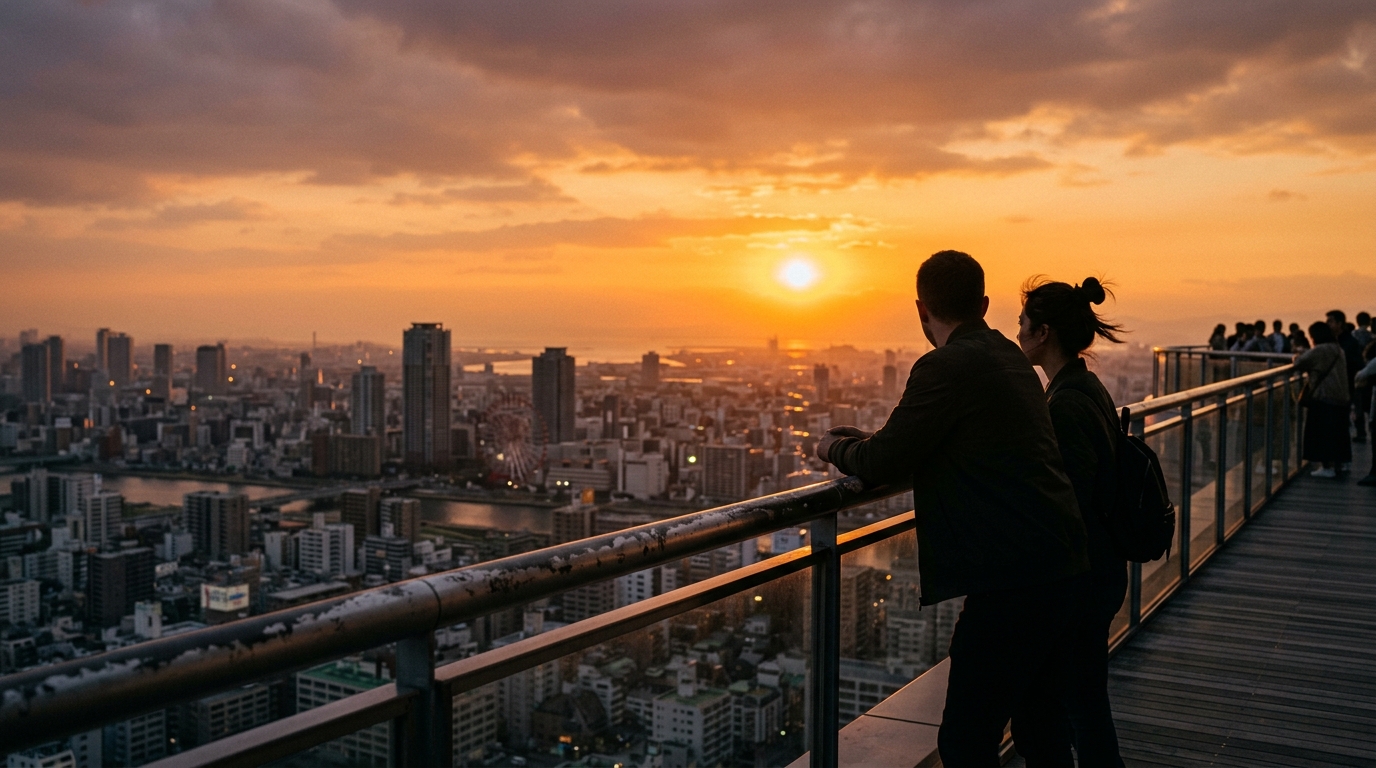
If you want one city view in Osaka, make it this one. The Kuchu-Teien Observatory spreads across the 39th floor, 40th floor, and rooftop, and the glass escalator ride up is part of the appeal.
Go late in the day. Osaka looks stunning in daylight, but it looks better when the city starts to glow. This is a strong date-night stop, and it works well before dinner in Umeda.
Best for: sunset, skyline views, couples, photographers
Shinsekai feels different from the rest of Osaka. It is retro, loud, and slightly rough around the edges in a fun way. The area is known for Tsutenkaku Tower, Janjan Yokocho, huge retro signs, and kushikatsu, the deep-fried skewers Osaka is famous for.
This is not polished Osaka. That is why people like it. Come here when you want something more local-feeling than Dotonbori, but still lively. Wander, snack, look up, and let the neighborhood do the work.
Best for: retro Osaka, street food, night walks
Try here: kushikatsu, doteyaki, beer, old-school snack stops
Many Osaka articles lean too hard on neon and food. That is a mistake. The city also has real depth.
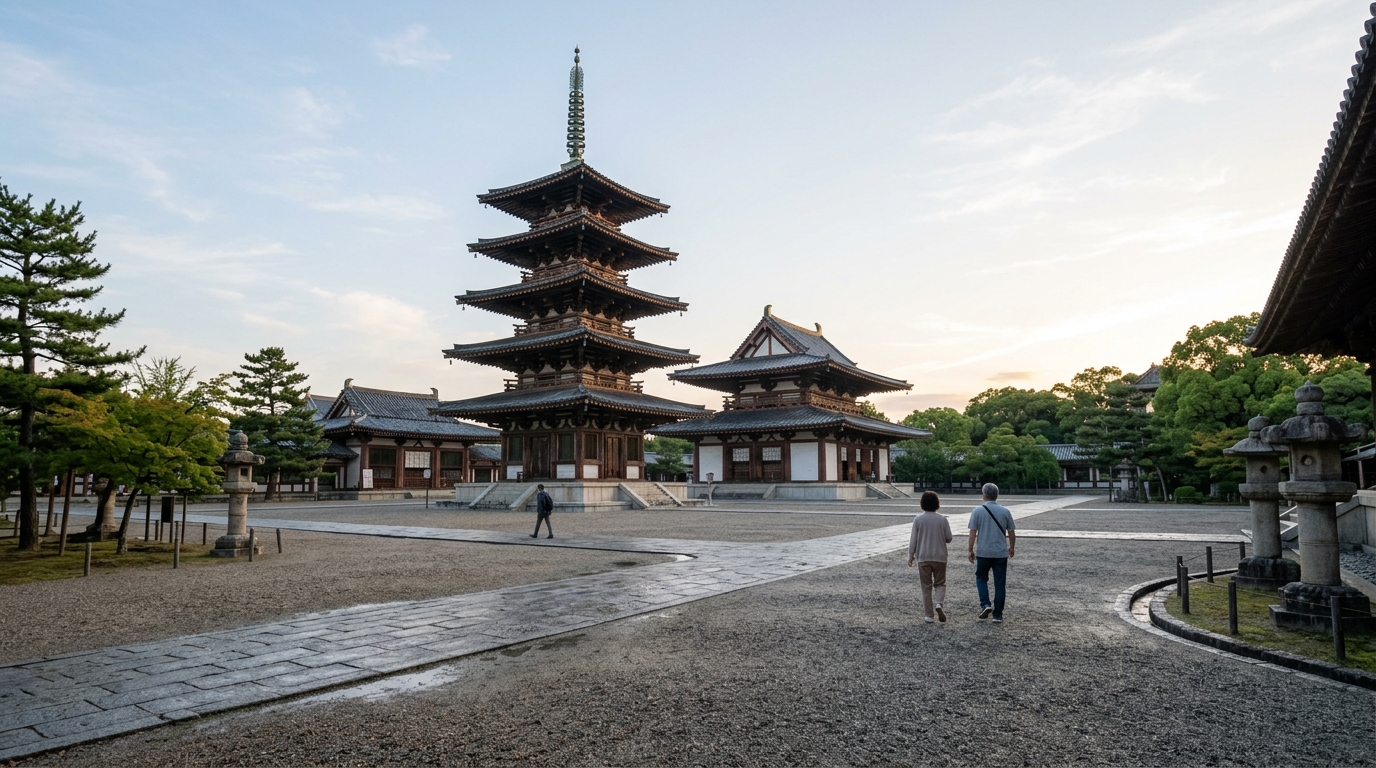
Shitennoji is the first official Buddhist temple in Japan and was founded in 593 by Prince Shotoku. If you want history without leaving the city, this is one of the smartest choices.
Sumiyoshi Taisha is one of Japan’s oldest shrines. The shrine says it has stood over Osaka Bay for almost 2,000 years and traces its founding to the third century. It feels calmer, older, and more rooted than many first-time visitors expect from Osaka.
If you can only do one, choose it based on your mood:
Most Osaka guides tell you to shop. Fewer tell you where the city feels most everyday. Tenjinbashisuji Shopping Street is a better answer than another generic mall stop. It stretches about 2.6 kilometers and is widely described as the longest shopping street in Japan. It takes around 40 minutes to walk end to end.
This is where Osaka feels less performative and more lived in. You get cheap food, tiny shops, practical stores, old-school signs, and the kind of browsing that feels natural instead of curated for tourists.
Best for: local atmosphere, affordable shopping, bad weather
Good pairings: Osaka Museum of Housing and Living, Osaka Tenmangu
This activity is one of the most underrated things to do in Osaka. The museum recreates Osaka town life from 1830 to 1844 and also covers housing and city life across later periods.
It works because it gives context. After a few days of food, shopping, and skyline views, this is the kind of place that helps the city make more sense. It is also an excellent rainy-day option and easy to pair with Tenjinbashisuji.
Best for: history, rainy days, travelers who want more than photo stops
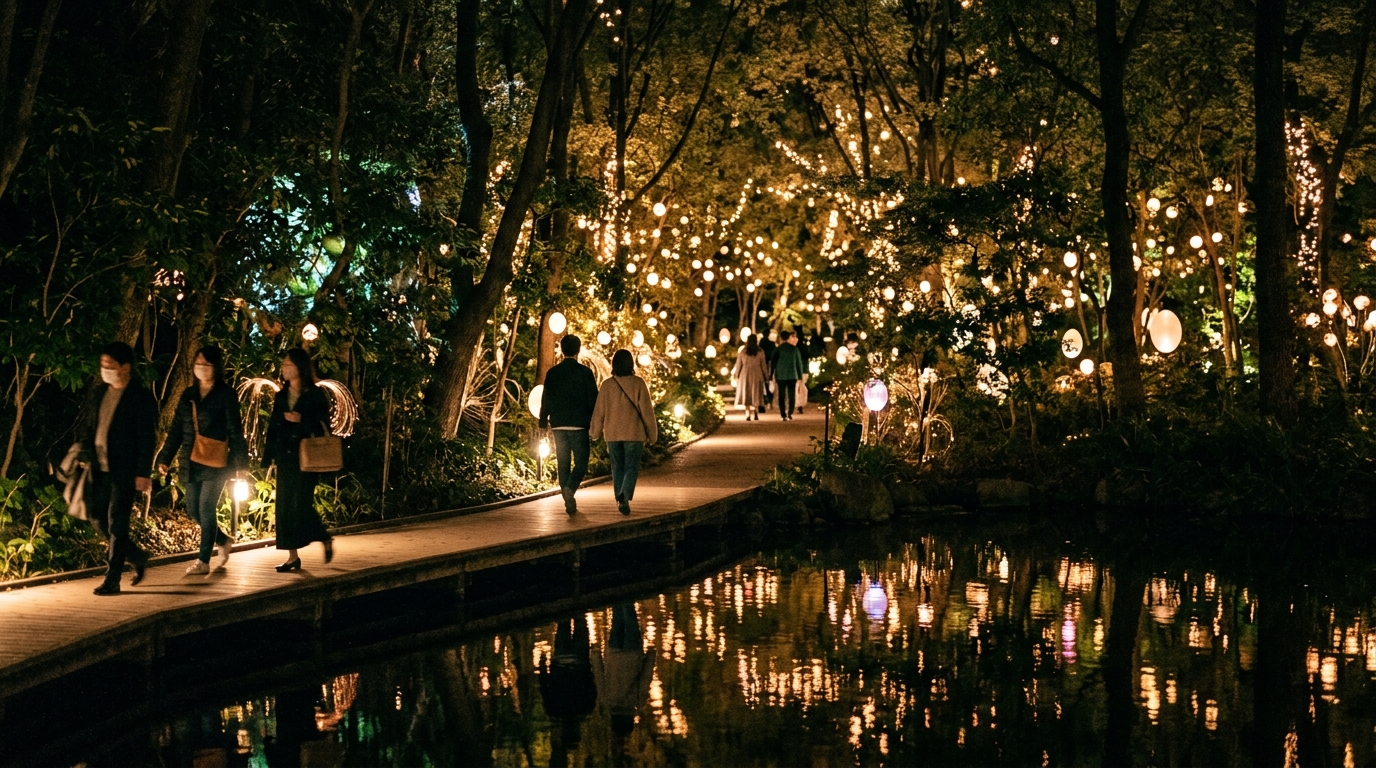
If you want something modern, this is one of Osaka’s best evening add-ons. teamLab Botanical Garden is a night open-air museum inside Nagai Botanical Gardens. The artworks use the plants, lake, and ecosystem of the garden itself, so the experience changes with the setting and the season. Nagai Botanical Garden covers about 240,000 square meters.
This option is a good choice when you want a different kind of night in Osaka. It feels calmer than Dotonbori and more memorable than another shopping block.
Best for: couples, art lovers, repeat visitors, evening plans
Universal Studios Japan is one of Osaka’s biggest draws and sits at the top of TripAdvisor’s current attraction rankings. Super Nintendo World is one of its biggest hooks, and Universal says timed entry rules may apply for that area.
But this is not a must for everyone. It takes a full day. It can be crowded. It makes sense if you love theme parks, Nintendo, or Harry Potter. If your Osaka trip is more about neighborhoods, If you’re not interested in food, shrines, and easy wandering, you can skip it and not feel like you missed the heart of the city.
Best for: families, Nintendo fans, theme park lovers
Probably skip if: you only have one or two days in Osaka
This is the section most Osaka articles should have and often do not.
You do not need a giant budget to enjoy the city. Some of the best Osaka moments cost little or nothing:
The mistake people make in Osaka is thinking that every hour needs a ticket. It does not. This city is most enjoyable when you leave room to walk.
Rain changes the city, but it does not ruin it.
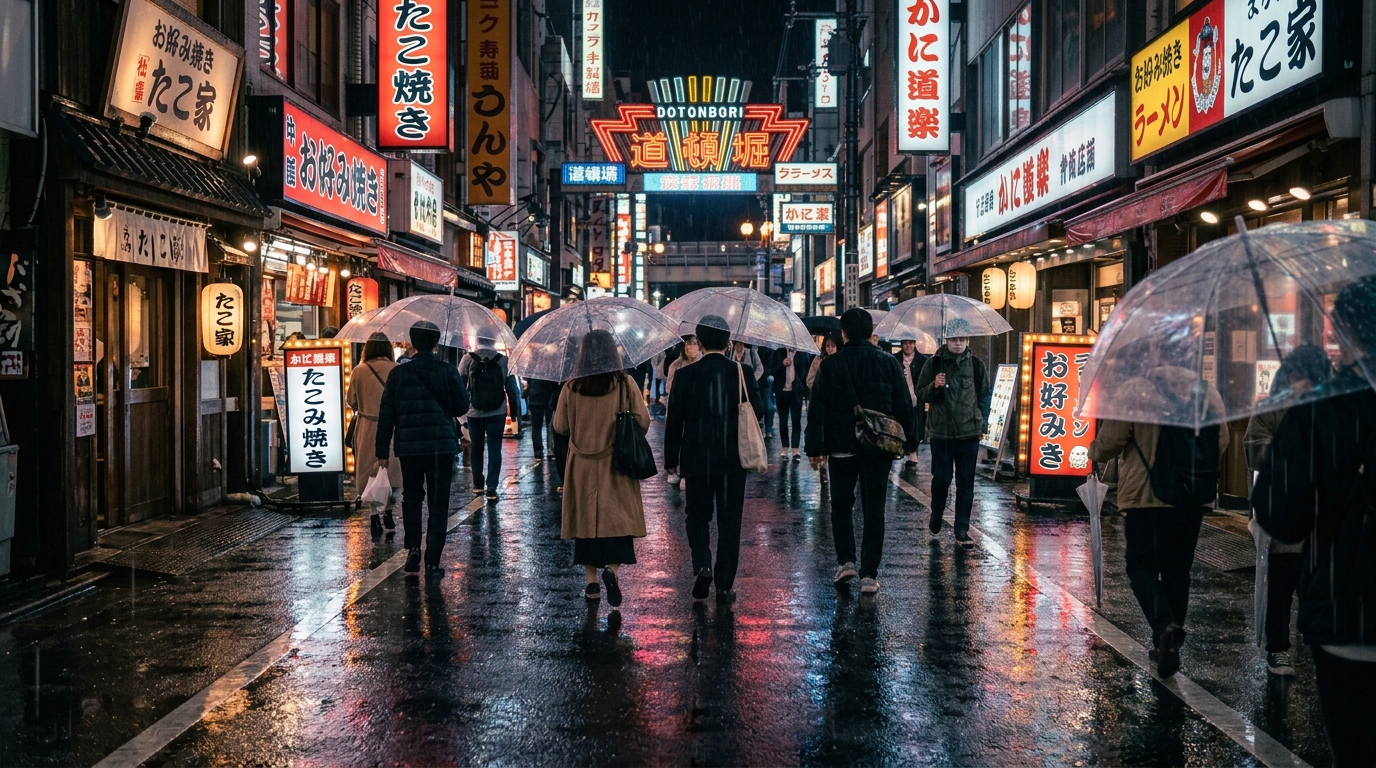
The smartest rainy-day Osaka plan is:
That is a much better rainy-day plan than trying to force castle photos or a long outdoor walking route.
Osaka is one of Japan’s best base cities. JNTO highlights several easy trips from here, including Kyoto, Nara, Kobe, Himeji, Koyasan, Uji, and northern Osaka. Kyoto is about 50 minutes by commuter train or 15 minutes by bullet train. Nara is roughly 40 minutes away. Kobe is about 20 minutes. Himeji is about 50 minutes by shinkansen or 1.5 hours by local train. Koyasan is around two hours.
The best picks are simple:
Do one day trip, not three. Osaka works better when it is still your base, not just a bed between trains.
These fit naturally into this kind of trip and are actually useful:
These are not exciting purchases. They are the ones you will be glad you packed.
The best things to do in Osaka are not all giant attractions. They are a mix.
Do the bright stuff. Walk Dotonbori. Eat too much in Namba. See Osaka Castle. But also make time for the quieter side of the city. Visit Shitennoji or Sumiyoshi Taisha. Walk Tenjinbashisuji. Go to the Museum of Housing and Living. That is where Osaka starts to feel richer, not just louder.
If you build your trip around food, one or two key sights, and neighborhoods with character, Osaka is effortless to love.
Osaka is best known for food, nightlife, and street energy. Dotonbori, takoyaki, okonomiyaki, Osaka Castle, and its easy access to the rest of Kansai are the biggest reasons people visit.
Yes. Osaka is worth visiting if you like food, neighborhoods, nightlife, and easy day trips. It is less formal than Kyoto and less overwhelming than trying to do too much in Tokyo.
Two days is a good minimum for the city itself. Three to four days works well if you also want a day trip to Kyoto, Nara, Kobe, or Himeji.
First-time visitors should usually start with Dotonbori, Kuromon Market, Osaka Castle Park, one city view, and one quieter cultural stop like Shitennoji or Sumiyoshi Taisha.
They do different jobs. Osaka is better for food, nightlife, and casual city energy. Kyoto is better for temples, gardens, and classic historical sights. Many travelers enjoy both because they are easy to combine.
For most first-time visitors, staying around Namba is the easiest choice if you want food and nightlife nearby. Umeda is better if you care more about skyline views and smoother rail connections. This is a planning call, not a hard rule.
Start with takoyaki, okonomiyaki, kushikatsu, ramen, and market snacks from Kuromon. Osaka rewards simple, casual eating more than overplanned restaurant hopping.