

A few things make Southeast Asia particularly suited to women traveling alone:
It’s affordable. A tight budget stretches far here. That means you can afford better accommodation in safer areas, take Grab instead of negotiating with strangers for rides, and join group tours if you’d rather not do something completely alone. Money buys safety options.
There’s a massive solo travel community. Southeast Asia has been a backpacker destination for decades. The infrastructure reflects that female-only dorm rooms, well-reviewed hostels with social atmospheres, group tours designed for solo travelers, and a constant flow of other women doing exactly what you’re doing. You will never feel like the only one.
Violent crime against tourists is rare. This is consistently true across the region. The risks solo female travelers actually face in Southeast Asia are mostly practical scams, petty theft, traffic, and occasionally unwanted attention. Not violence.
The culture is generally respectful. Thailand in particular is known for a non-confrontational, calm social culture. Many women who’ve traveled widely report feeling less street harassment in Thai cities than they do at home in Western countries.
None of this means you travel carelessly. But it does mean the fear many first-timers bring to this decision is significantly larger than the actual risk.
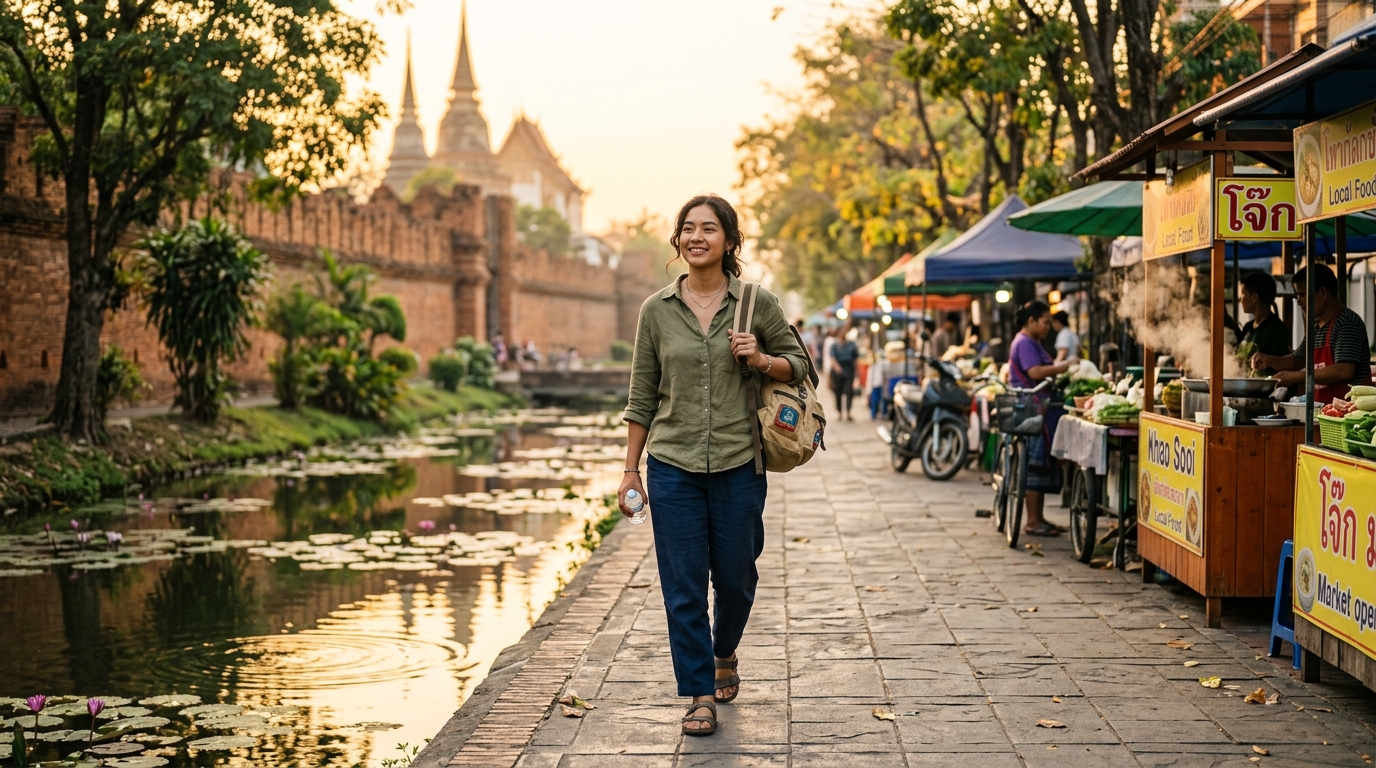
Thailand is the most welcoming country in the region for solo female travelers. The tourist infrastructure is excellent, English is widely spoken in cities and tourist areas, and Grab is reliable across Bangkok, Chiang Mai, and major tourist hubs.
Thai culture places a high value on calm and respect. Catcalling and street harassment common in many countries are genuinely rare here. Women who’ve lived in Chiang Mai for months report walking alone at night to the local 7-Eleven without a second thought.
Real risks: Scams near tourist attractions (tuk-tuk redirects, gem shops), drink spiking in party areas like Koh Phangan’s full moon parties, petty theft in crowded markets. These are manageable with awareness.
Best areas for solo women: Chiang Mai (safest feel, tight community), Bangkok (huge and fast but very safe with Grab), Koh Lanta and Koh Tao (laid-back island vibes, easy to meet people).
Areas to be more careful: Heavily touristy party spots Pattaya, parts of Phuket’s Bangla Road, full moon party beaches. These aren’t dangerous, but the environment requires more vigilance.
Vietnam is a fantastic destination for solo female travelers. Violent crime against tourists is among the lowest in Southeast Asia. The U.S. State Department lists Vietnam at Level 1 “exercise normal precautions” the safest tier.
The one issue that’s genuinely common and needs specific mention: bag snatching from motorbikes. It happens fast. Someone on a motorbike rides close to the pavement, grabs a bag or phone, and is gone in seconds. It’s not violent in the traditional sense they’re not threatening you but it can ruin your day and cost you your valuables.
The fix is simple: carry your bag on the side away from the road (between you and the buildings), hold your phone with two hands when using it on the street, and keep your bag zipped and close to your body.
Real risks: Motorbike bag snatching (very manageable once you know about it), aggressive touts in tourist areas like Ha Long Bay piers, taxi overcharging (always use Grab).
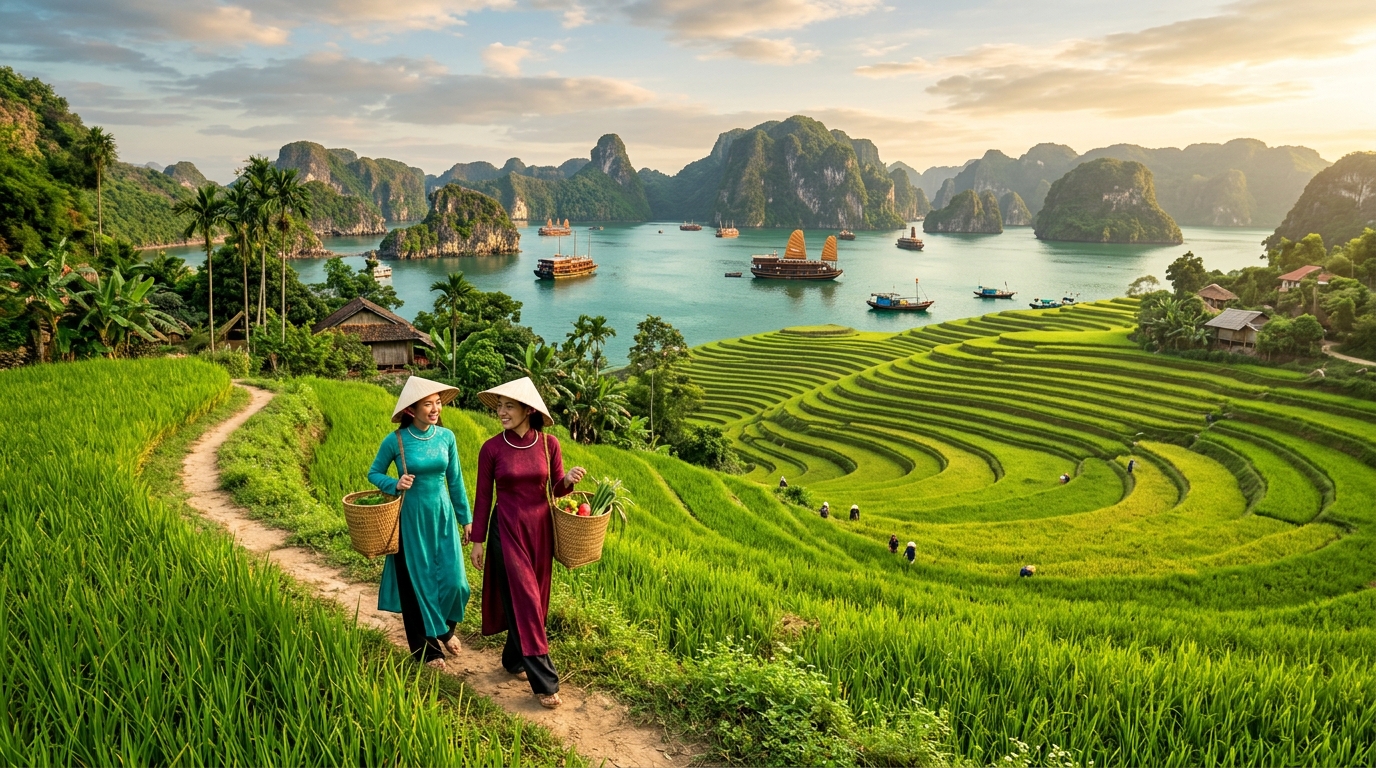
Best areas for solo women: Hoi An (genuinely magical, extremely safe feeling, great solo traveler community), Hanoi’s Old Quarter (busy but safe), Da Nang.
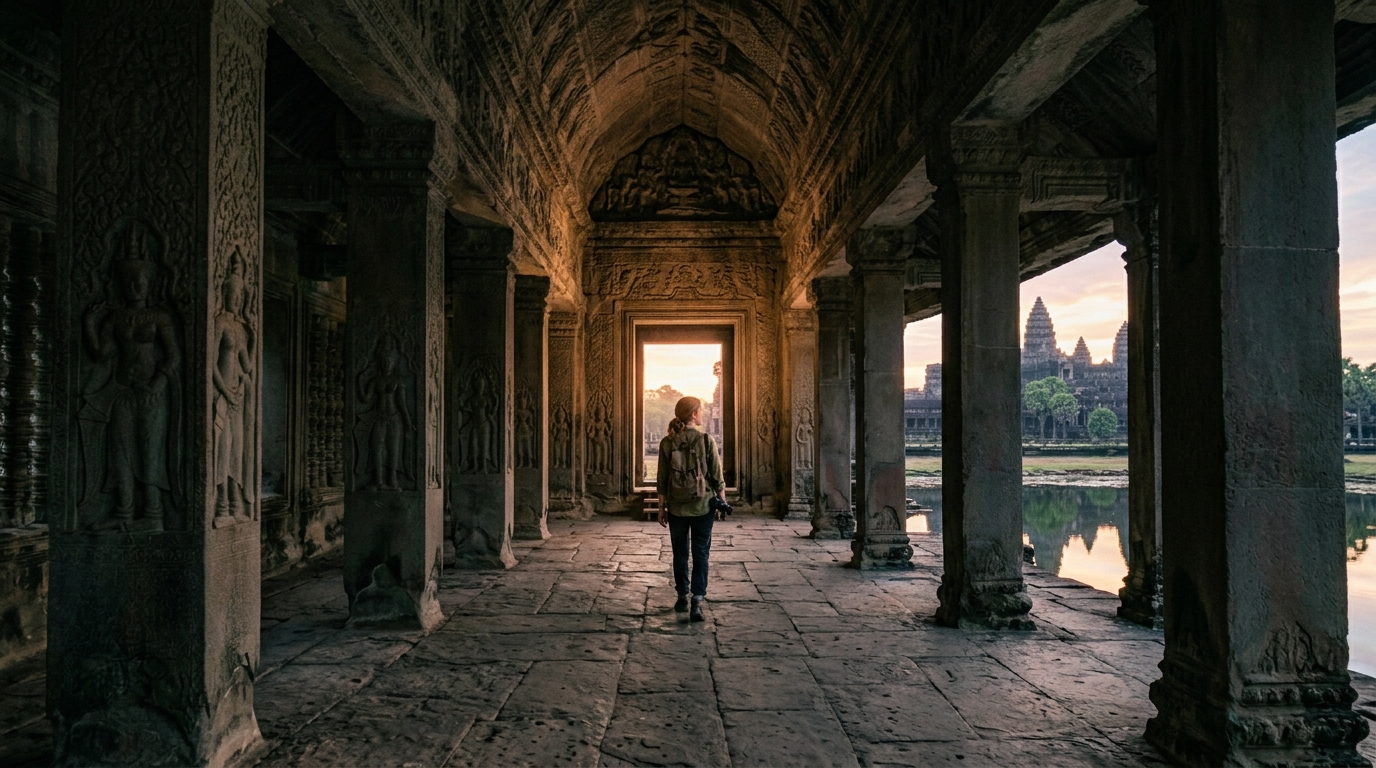
Cambodia has a harder recent history than its neighbours, and some of that context matters for travelers. In tourist areas Siem Reap, Phnom Penh’s riverfront, the Angkor Wat complex solo female travelers report feeling comfortable and safe.
Outside tourist areas, exercise more caution. Rural Cambodia has less infrastructure, fewer English speakers, and less Grab coverage. If you’re doing anything remote trekking, off-the-beaten-path temples go with a guide or at minimum let someone know exactly where you’re going.
Siem Reap specifically has a very well-established solo traveler scene centred around the hostel strip near Pub Street. It’s easy to meet people and join groups here.
Real risks: Drink spiking in Pub Street bars is reported don’t leave your drink unattended. Tuk-tuk scams near Angkor Wat. Traffic (crossing roads in Phnom Penh takes adjustment).
Areas to be more careful: Remote areas outside the main tourist circuit. Nighttime in less-lit parts of Phnom Penh.
Bali has one of the strongest solo female traveler communities in Southeast Asia particularly in Ubud, which draws women interested in yoga, wellness, retreats, and slower travel. It feels immediately welcoming in a way that’s hard to describe until you’re there.
Violent crime against tourists is rare. The more common issues are traffic accidents (especially for inexperienced scooter riders the roads in south Bali are genuinely chaotic), petty theft in crowded tourist areas, and the usual scams.
Indonesia is a Muslim-majority country. Bali is Hindu and therefore different culturally but if you travel beyond Bali to other Indonesian islands, dress and behaviour expectations shift significantly.
Real risks: Scooter accidents (the leading cause of tourist injury in Bali), Kuta nightlife area (more aggressive atmosphere than the rest of Bali), tourist pricing and persistent vendors.
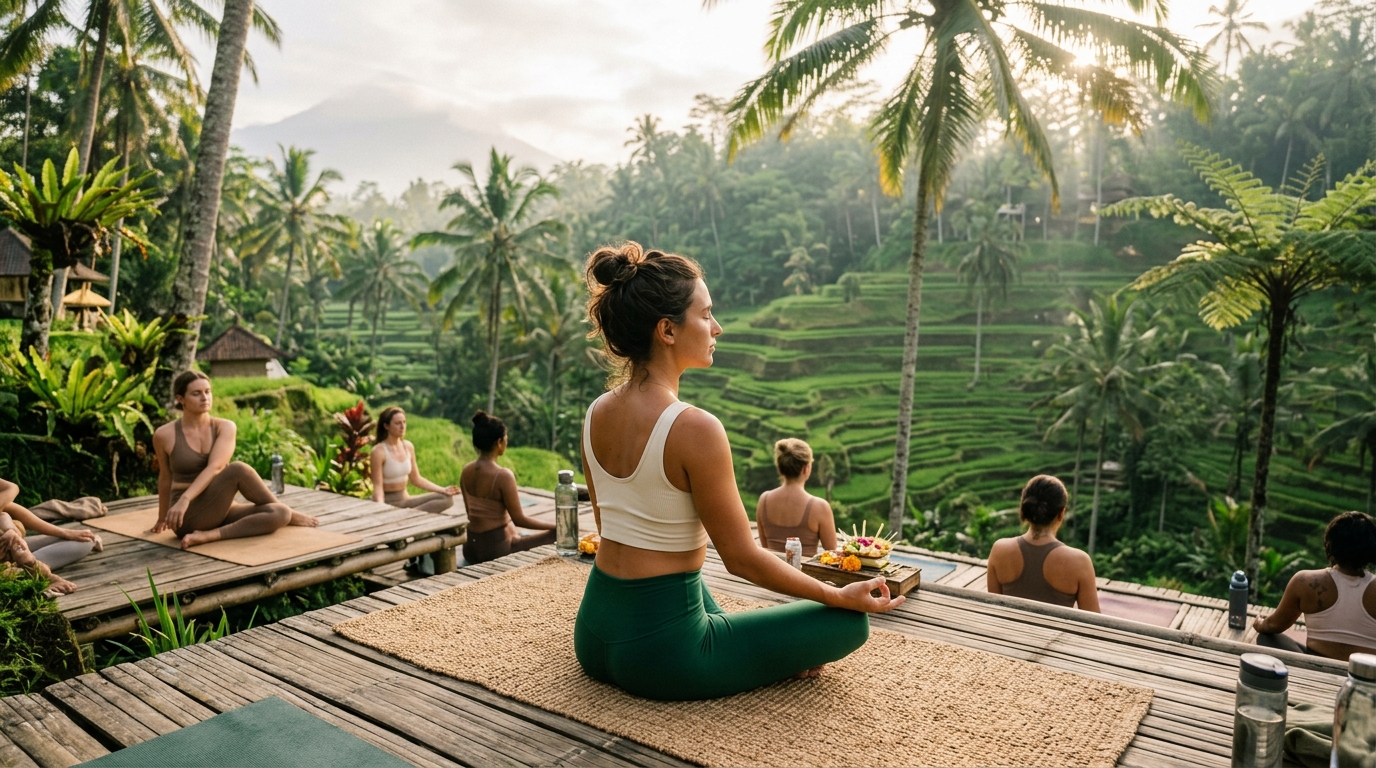
Best areas for solo women: Ubud (spiritual, community-focused, extremely safe feeling), Canggu (relaxed, good café scene, strong expat community), Seminyak (more polished, less backpacker-heavy).
Malaysia is genuinely underrated for solo female travel. Kuala Lumpur is modern, well-connected, and has an excellent transport system. Penang is a food lover’s paradise with a relaxed solo traveler community. Both cities have a multicultural atmosphere Chinese, Indian, and Malay influences all visible that makes them feel open and cosmopolitan.
The key adjustment is cultural awareness. Malaysia is a Muslim-majority country. Dress modestly outside tourist zones, particularly in smaller cities and outside Kuala Lumpur and Penang. In Kuala Lumpur itself, dressing similarly to any other modern city is generally fine.
Real risks: Petty theft in very crowded areas (Bukit Bintang in KL, busy markets). Standard awareness applies.
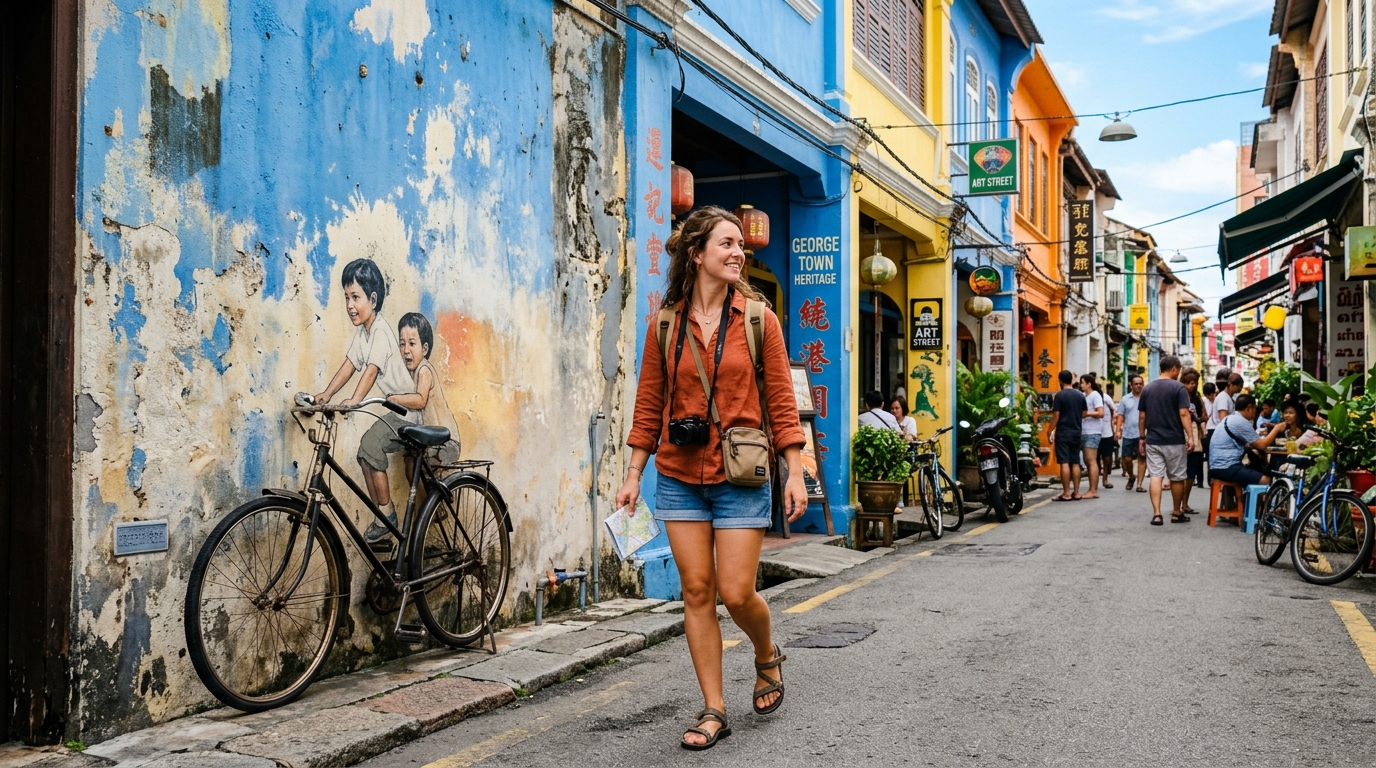
Best for solo women: Penang (genuinely excellent food, art, history, and a relaxed vibe), Kuala Lumpur (great base for getting around Malaysia).
Singapore consistently ranks among the safest cities in the world. The crime rate is genuinely extremely low, public transport runs until midnight and is impeccable, and there’s zero tolerance for harassment with serious legal consequences.
The trade-off is cost. Singapore is expensive accommodation, food, and activities are all significantly more than the rest of Southeast Asia. It’s worth including as a stop, but it’s not a destination you’ll base yourself in for two weeks on a normal travel budget.
Scams target tourists of all genders, but women traveling solo can be seen as easier targets. The most common ones:
The “temple is closed” redirect near major temples in Bangkok or Siem Reap. Someone tells you it’s closed and offers to take you somewhere else. Walk directly to the entrance and confirm yourself.
Tuk-tuk commission tours driver offers a cheap or free ride with “just one stop” at a shop where they earn commission. Use Grab.
Overcharging taxis always use Grab or confirm the meter is running. If a driver quotes a flat price that seems high, get out.
Fake tour operators especially near major attractions. Book tours through your hotel or well-reviewed platforms like Klook. Don’t book from someone who approaches you on the street.
This is real and worth taking seriously, particularly in party areas. Full moon parties in Thailand, Pub Street in Siem Reap, Kuta in Bali anywhere with heavy nightlife has some risk.
Rules that actually matter:
Getting from place to place is where many safety decisions actually happen.
Use Grab. This is the single most consistent piece of advice from solo female travelers across all of Southeast Asia. Fixed prices, GPS tracking, driver details shared with the app. No negotiating with strangers in the dark.
Avoid unlicensed taxis at night. In cities where Grab is less established, only take licensed taxis ask your accommodation to call one or recommend a reliable company.
Be cautious with motorbike taxis. They’re everywhere and cheap, but the risk is real road conditions vary, helmets aren’t always provided, and accidents happen. For short daytime trips in a city you know, they’re manageable. For longer or nighttime rides, take a Grab car.
Overnight buses and trains are generally fine. The main watch-out: lock your bag to something secure or keep valuables in a smaller bag that stays with you.
Unwanted attention from men exists in Southeast Asia, as it does everywhere. The experience varies significantly by country.
Thailand and Bali tend to have less street harassment than many places. Vietnam and Cambodia particularly in tourist-heavy areas can involve more persistent attention from touts and vendors, which isn’t threatening but can be tiring.
What actually works:
Most safety guides cover the practical stuff. What they skip is the emotional reality of solo travel and this matters.
Loneliness is real. The first few days of a solo trip can feel harder than you expected. You arrive somewhere new, you don’t know anyone, and the freedom that seemed exciting from home can suddenly feel isolating. This is normal. It almost always passes by day three or four, especially once you’ve met people at a hostel or joined an activity.
Confidence builds fast. Women who’ve done solo trips consistently report that navigating genuinely unfamiliar situations alone figuring out the transport, ordering food in a language you don’t speak, sorting out a problem at a guesthouse builds a kind of confidence that’s hard to find any other way.
Your gut is usually right. If a situation feels off, leave. Don’t second-guess yourself to avoid seeming rude. A feeling of discomfort is information. Act on it.

If someone you love is planning a solo trip to Southeast Asia and you’re the one losing sleep over it, here’s the honest version:
Southeast Asia is safer than many Western cities for the specific risks families tend to worry about violent crime, assault, and kidnapping. These are genuinely rare in the main tourist areas. The risks that are more common scams, traffic, petty theft are manageable with preparation and awareness.
The best thing you can do is support them in planning well: travel insurance, regular check-ins, a shared itinerary. That’s genuinely more useful than trying to talk them out of going.
Before you go:
Accommodation:
Daily habits:
If something goes wrong:
If this is your first solo trip and you want to start somewhere genuinely beginner-friendly:
1. Chiang Mai, Thailand the top pick for first-timers. Safe, easy to navigate, strong solo traveler community, excellent food, beautiful temples, and a pace of life that doesn’t overwhelm. Our Things to Do in Chiang Mai guide covers it in full.
2. Hoi An, Vietnam a small, walkable town with a lantern-lit old town, zero aggressive vibe, and a genuine feeling of calm safety. One of the most consistently recommended spots by solo female travelers.
3. Ubud, Bali if you want a more spiritual, wellness-focused trip. Yoga retreats, rice terraces, a community of like-minded women. Very easy to meet people.
4. Penang, Malaysia for the food and the culture. One of Southeast Asia’s best food cities, manageable size, and a relaxed atmosphere.
5. Singapore is expensive but an ideal first stop if you want to ease into the region with maximum infrastructure and minimal culture shock before heading somewhere more adventurous.
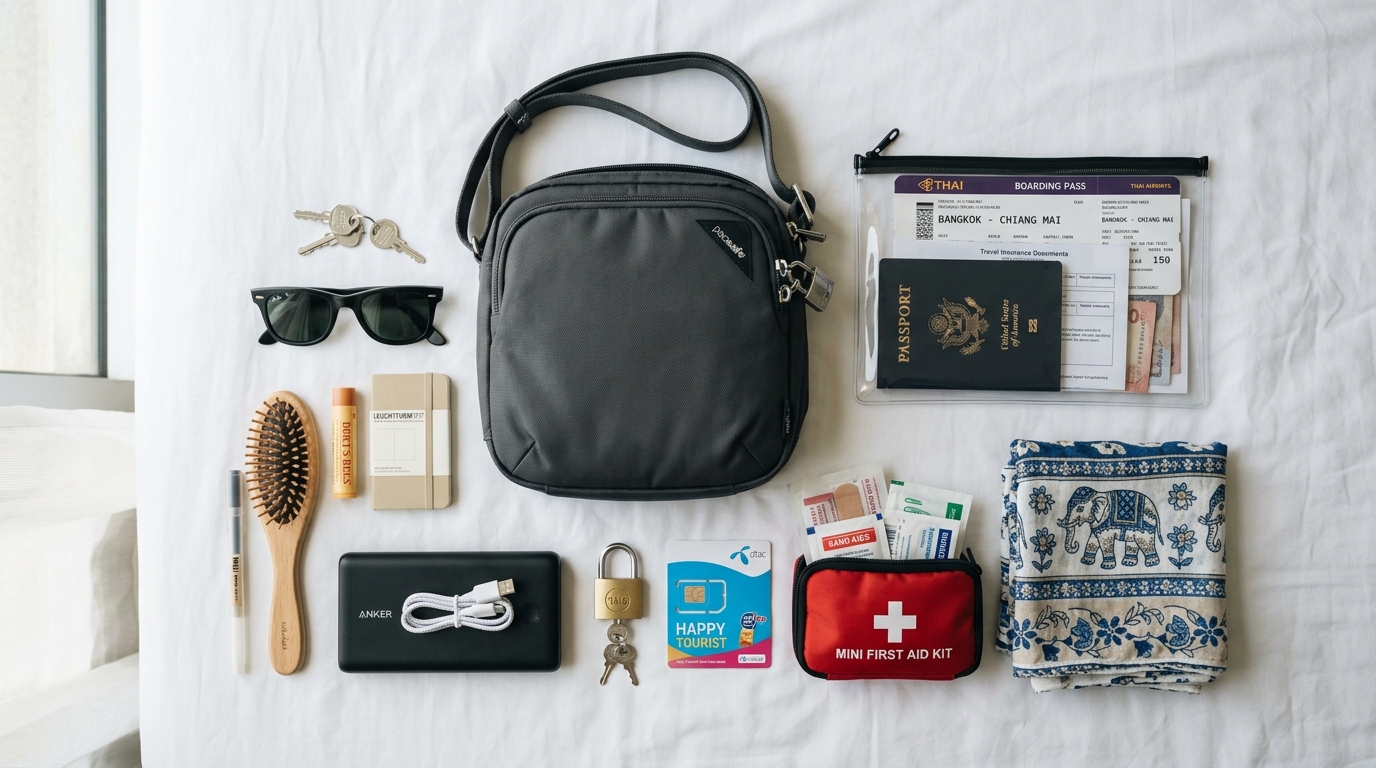
Beyond the standard travel packing list, a few specific items make a solo trip more comfortable and secure:
Is Southeast Asia safe for solo female travelers?
Yes. Southeast Asia is consistently ranked among the best regions in the world for solo female travel. Violent crime against tourists is rare. The more common issues scams, petty theft, traffic are manageable with preparation and awareness. Millions of women travel here alone every year, and the vast majority have safe, positive experiences.
Which country in Southeast Asia is safest for solo female travelers?
Thailand and Singapore are generally considered the most beginner-friendly. Singapore has the lowest crime rate but is expensive. Thailand especially Chiang Mai has the best combination of safety, affordability, and solo traveler infrastructure. Vietnam and Bali are also excellent. Cambodia is safe in tourist areas but requires more caution outside them.
What are the biggest risks for solo female travelers in Southeast Asia?
The real risks are: scams targeting tourists, petty theft (especially bag snatching from motorbikes in Vietnam), drink spiking in nightlife areas, traffic accidents (particularly on scooters), and getting into unlicensed taxis. Violent crime is genuinely rare.
How do I get around safely as a solo female traveler?
Use Grab for almost all transport needs. It’s the Southeast Asian equivalent of Uber fixed prices, GPS tracking, and driver details all recorded. Available across Thailand, Vietnam, Malaysia, the Philippines, and more. For longer journeys, book overnight trains or reputable bus services through your hotel or platforms like 12go.asia.
Should I stay in hostels or hotels?
Both work well. Hostels with good reviews and social atmospheres are excellent for meeting people and feeling less alone which itself improves safety. Most good hostels have female-only dorm options. Hotels give you more privacy and control but cost more. A mix of both hostels when you want company, a private room when you need to recharge is what most experienced solo travelers do.
What should I do if something goes wrong?
Go to the nearest large hotel lobby if you feel immediately unsafe; they’re staffed and secure. For medical issues, contact your travel insurance provider first. For theft, file a police report (needed for insurance claims) and contact your embassy if your passport is involved. Having these numbers saved before you travel makes a significant difference.
Is it safe to go out alone at night in Southeast Asia?
In most tourist areas and city centres, yes. Use Grab to get home rather than walking long distances alone late at night. Avoid obviously poorly lit or deserted areas. In heavy nightlife zones, go out with people you’ve met at your hostel rather than completely alone. Trust your instincts; if something feels off, leave.
Do I need travel insurance for Southeast Asia?
Yes, without question. Medical care in the region ranges from excellent (Bangkok, Singapore) to very basic (rural areas). A medical emergency or hospital stay without insurance can be extremely expensive. Dengue fever, motorbike accidents, and food-related illness are all real possibilities that travel insurance covers. It’s cheap relative to the cost of needing it.
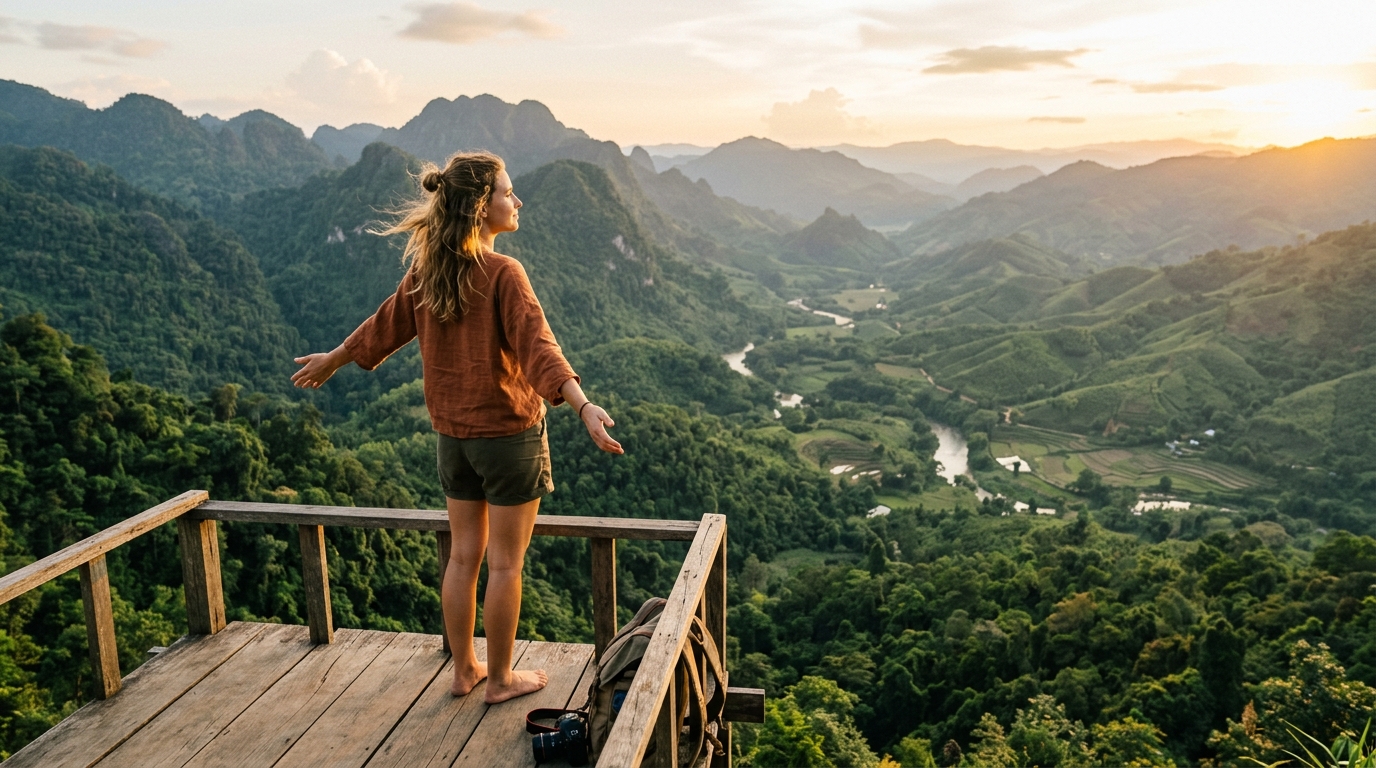
Southeast Asia is one of the most rewarding places in the world to travel alone as a woman. Not despite being solo, but partly because of it. You make decisions at your own pace. You meet people you’d never encounter in a group. You build confidence in a way that genuinely stays with you.
The worries are real but manageable. The rewards the temples, the food, the landscapes, the people, the feeling of navigating somewhere completely new on your own terms are also real.
Prepare well, stay aware, trust your instincts, and go.