Italy Travel Budget Guide: How Much a Trip to Italy Costs in 2026

Italy is one of those trips people dream about for years. Then they start checking prices and feel overwhelmed. That makes sense. Italy can be expensive. Rome, Venice, Florence, Lake Como, Capri, and the Amalfi Coast can drain a budget fast.

But Italy does not have to be a luxury trip. If you plan well, choose the right season, and avoid a few common mistakes, you can do Italy for much less than most people expect.

budget traveler in Italy walking

This guide breaks it down in a simple way. You will see what Italy usually costs, what makes prices rise, where travelers overspend, and how to build a realistic budget without ruining the trip.

Italy travel budget at a glance

The easiest way to budget for Italy is by travel style.

Travel StyleDaily Budget Per PersonBest For
Budget€90 to €140Hostels, cheap eats, public transport, fewer paid attractions
Mid-range€160 to €260Private rooms, some high-speed trains, regular restaurant meals
Comfort€300+Central hotels, tours, nicer dining, more convenience

How much does a trip to Italy cost?

One week in Italy for one person

  • Budget: €700 to €980
  • Mid-range: €1,120 to €1,820
  • Comfort: €2,100+

One week in Italy for two people

  • Budget: €1,400 to €1,960
  • Mid-range: €2,240 to €3,640
  • Comfort: €4,200+

These numbers become much more realistic when you think in daily ranges instead of one vague average.

What makes Italy expensive

Italy gets expensive when you combine:

  • Peak summer travel
  • Famous cities only
  • Short stays in many places
  • Last-minute train bookings
  • Hotels in old-town centers
  • Restaurants near major landmarks
  • Paid attractions every day
  • Taxis and airport transfers

That is why one traveler says Italy is affordable and another says it is very expensive. Both can be right.

The cheapest time to visit Italy

Cheapest months

The cheapest time is usually January and February, especially for flights and hotels.

Best value months

For most travelers, the best value is:

  • March to May
  • September to November

These months often give you lower prices than summer, better weather than deep winter, and fewer crowds.

Important catch

Low season works better for cities like Rome, Florence, Venice, and Milan. Coastal areas and resort towns may feel quiet in winter, and some places may have shorter opening hours or seasonal closures.

Flight budget for Italy

Flights are often the biggest upfront cost.

Your total depends on where you are flying from, but these tips help:

  • Compare Rome, Milan, Venice, Naples, and Florence
  • Be flexible with travel dates
  • Travel in shoulder season
  • Book earlier for summer
  • Consider arriving in one city and leaving from another

That last point matters more than people think. Open-jaw flights can save both time and money.

Accommodation budget in Italy

This is where many budgets go wrong.

Rough accommodation ranges

Budget

  • Hostel dorm: €30 to €60
  • Simple private room: €60 to €110

Mid-range

  • Decent hotel or B&B: €120 to €220

Higher-end

  • Well-located hotel: €250+

Places like Venice, Florence center, Lake Como, Capri, and the Amalfi Coast are often much more expensive than the national average.

How to cut accommodation costs

  • Stay just outside the center
  • Avoid one-night stays
  • Book early
  • Consider cheaper base cities like Bologna, Naples, Turin, Verona, or Lecce
  • Look at agriturismos in the countryside

Transportation budget in Italy

Italy is easy to move around, but your choices matter.

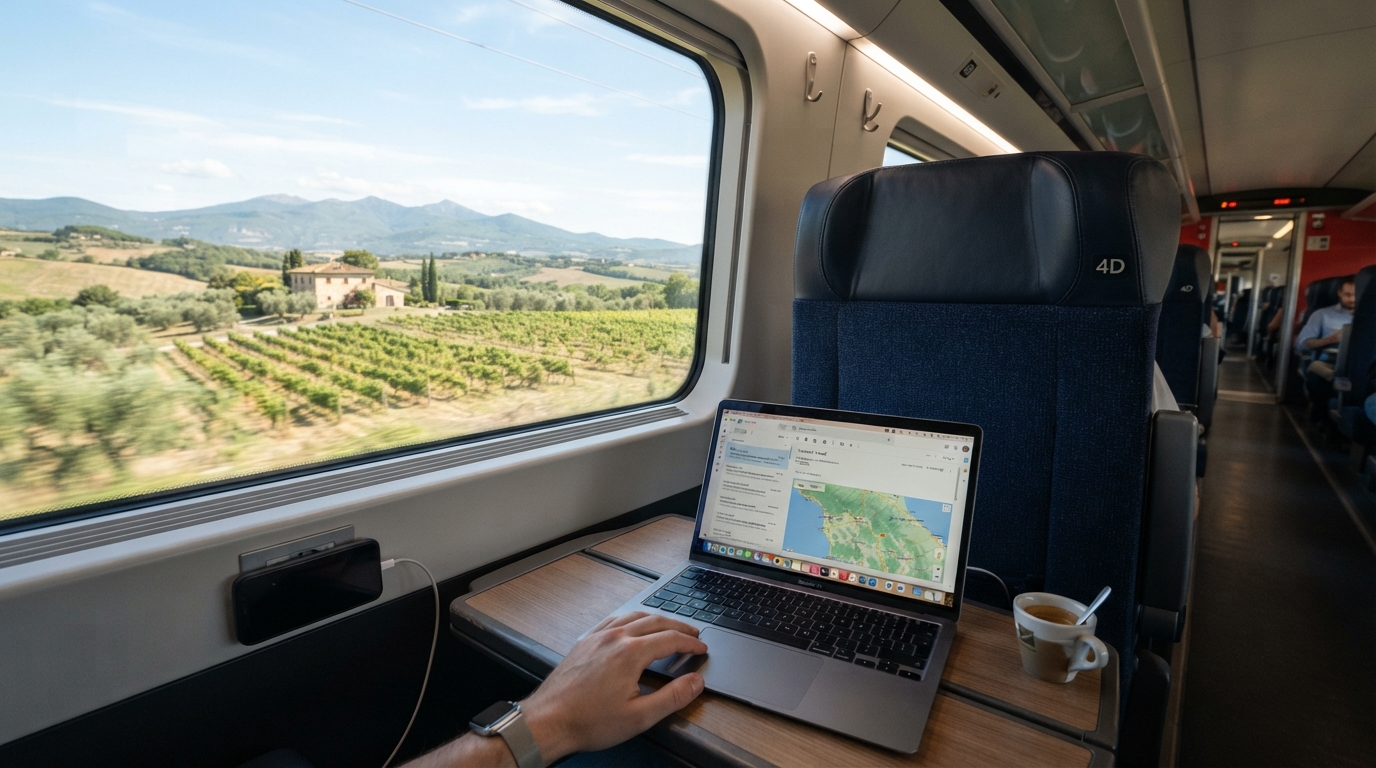
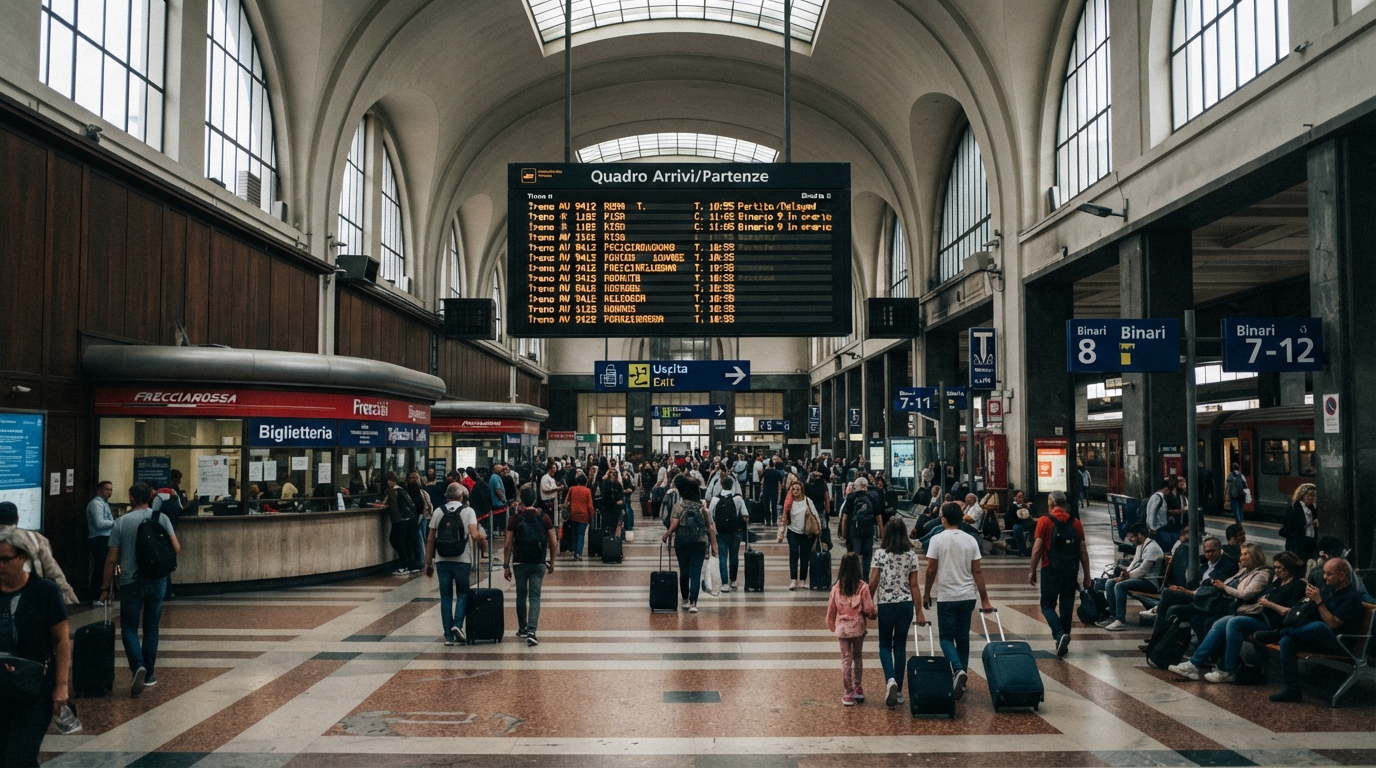
Italy train travel scene

Local transport

Expect to spend on metro, buses, trams, and occasional local trains.

Intercity transport

Your main options are:

  • Regional trains
  • High-speed trains
  • Buses
  • Budget flights for longer routes

Smart rule

  • Use high-speed trains when time matters
  • Use regional trains or buses when budget matters
  • Book fast trains early
  • Do not assume a rail pass is always the cheapest option

Food budget in Italy

Food can be one of the best parts of the trip, and it does not have to destroy your budget.

Italian food

Cheap food day

  • Coffee and pastry
  • Pizza slice, sandwich, or bakery lunch
  • Simple pasta or pizza dinner

Estimated total: €25 to €45 per person

Comfortable food day

  • Cafe breakfast
  • Casual lunch
  • Sit-down dinner
  • Snacks, coffee, dessert, or aperitivo

Estimated total: €50 to €90 per person

Easy way to save

Eat a little away from the biggest tourist landmarks. Prices often drop fast once you move a few streets out.

Sightseeing budget

Italy can be cheap if you enjoy walking, churches, piazzas, viewpoints, and old streets. It gets more expensive when you book major attractions every day.

Simple sightseeing plan

  • Low-cost day: one paid attraction and free walking
  • Higher-cost day: two major sites or one guided tour
  • Best budget move: mix museum days with free city days

3 Amazon Products That Can Actually Save You Money in Italy
amazon product

These are not random travel gadgets. They are practical items that help reduce common extra costs on an Italy trip, especially around charging, luggage, and day-to-day convenience.

1) Universal travel adapter

A good travel adapter is one of the first things you need for Italy. It helps you charge your phone, camera, laptop, and other devices without wasting money on overpriced adapters at the airport or near tourist areas. A universal model is also more useful long term because you can reuse it on future trips.

Why it helps your budget:
It prevents last-minute spending on basic charging accessories and keeps all your devices usable throughout the trip.

2) 10,000mAh portable charger

Italy usually means long walking days, train tickets on your phone, maps, restaurant searches, translation apps, and photos. A compact power bank keeps your phone alive when you are out all day.

Why it helps your budget:
It helps you avoid emergency purchases, paid charging options, and transport problems caused by a dead phone when your tickets and directions are digital.

3) Digital luggage scale

This is one of the most useful small travel tools, especially for Italy. Many travelers come back with extra weight from shopping, gifts, snacks, leather items, or clothing. A digital luggage scale helps you check your bag before you reach the airport.

Why it helps your budget:
It lowers the risk of overweight baggage fees, which can be one of the easiest ways to lose money at the end of a trip.

Best order to buy them if your budget is tight

  • Universal travel adapter
  • Portable charger
  • Digital luggage scale

For Italy, the adapter is the most important. After that, the power bank is the most useful for daily travel.

Hidden costs most articles miss

This is where many Italy budgets fall apart.

1. Tourist taxes

Many cities charge a nightly accommodation tax. Travelers often forget to include this in the total budget.

2. Airport transfers

A cheap flight can stop being cheap once you add trains, buses, shuttles, or taxis from the airport.

3. Seat reservations and train upgrades

If you book late, fast trains can cost much more than expected.

4. Shopping

Italy is not the place where most people buy nothing. Leather goods, food gifts, ceramics, fashion, and souvenirs add up quickly.

5. Prime location premiums

Hotels near the biggest landmarks often cost much more without adding much value to the trip.

Sample Italy budgets by trip style

7 day budget

7-day budget Italy trip

Route: Bologna, Florence, and Rome. If Rome is part of your first trip, this 3 days in Rome itinerary can help you plan your time without overspending. A shorter stay in Florence also works well for budget travelers, and this 2 day Florence itinerary makes it easier to see the highlights without wasting time or money.

Estimated total per person

  • Accommodation: €280 to €500
  • Transport: €80 to €150
  • Food: €210 to €315
  • Attractions: €60 to €120
  • Extras and taxes: €50 to €100

Total without flights: €680 to €1,185

7-day mid-range Italy trip

Route: Venice, Florence, Rome. If Venice is on your list, this 3 day Venice itinerary can help you budget your stay better and avoid common first-time mistakes.

Estimated total per person

  • Accommodation: €700 to €1,300
  • Transport: €120 to €220
  • Food: €350 to €630
  • Attractions: €120 to €250
  • Extras and taxes: €80 to €150

Total without flights: €1,370 to €2,550

10-day comfort trip

Route: Rome, Florence, Venice, Lake Como or Amalfi Coast
Style: central hotels, fast trains, nicer dining, tours

Estimated total per person

  • Accommodation: €1,800+
  • Transport: €250+
  • Food: €700+
  • Attractions and tours: €300+
  • Extras and taxes: €150+

Total without flights: €3,200+

The biggest budget mistake in Italy

Trying to do too much.

Moving every one or two nights looks smart on paper. In real life, it raises train costs, baggage hassle, transfer costs, and the temptation to take taxis. It also pushes you toward more expensive hotel choices because you want convenience.

Slower travel is usually cheaper travel. It is also better travel.

Best money-saving tips for Italy

  • Travel in shoulder season
  • Book fast trains early
  • Stay slightly outside the center
  • Mix expensive cities with cheaper ones
  • Eat away from major landmarks
  • Keep a separate hidden-cost buffer
  • Avoid overpacking your itinerary
  • Compare arrival and departure airports before booking

what most competitor articles miss

Is Italy expensive for first-time travelers?

It can be, especially if your dream trip is Rome, Florence, Venice, and the Amalfi Coast in summer. But it does not have to be. Most first-time travelers save money by traveling in shoulder season, slowing down their route, and avoiding expensive hotel zones.

How much extra should you add for hidden costs?

A smart rule is to add 10% to 15% on top of your main budget for taxes, transfers, snacks, laundry, baggage fees, and small unplanned spending.

Is a rail pass worth it?

Not always. For many Italy trips, point-to-point tickets are cheaper, especially if you book early.

What is the cheapest part of Italy?

In general, less touristy southern cities and smaller destinations give better value than Venice, Capri, Lake Como, or the Amalfi Coast.

Final thoughts

The real answer to “How much does Italy cost?” is simple:

It depends on the version of Italy you choose.

If you pick the most famous places in peak season, stay in the center, book late, and move too fast, Italy gets expensive very quickly.

If you travel in shoulder season, stay a little outside the postcard center, book trains early, and mix paid attractions with free city time, Italy becomes much more manageable.

The goal is not always to make the trip as cheap as possible. The goal is to make it worth the money you spend.

FAQs

What is a realistic daily budget for Italy?

A realistic daily budget is €90 to €140 for budget travel, €160 to €260 for mid-range travel, and €300+ for comfort travel.

What is the cheapest month to go to Italy?

Usually January or February.

How much should I budget for food in Italy?

A practical range is €25 to €45 per day on a budget and €50 to €90 per day for a more comfortable food budget.

Are trains in Italy expensive?

They can be affordable if you book early. Fast trains cost more, while regional trains and buses are usually cheaper.

How much extra money should I bring to Italy?

Add 10% to 15% above your main budget for hidden costs and small extras.