
Before anything else: comfortable shoes, a light scarf, and a willingness to get pleasantly lost are the three things that will most improve your trip.
A good quality lightweight travel scarf is genuinely useful in Istanbul. You will want it for mosques, for cooler evenings along the Bosphorus, and for covering your shoulders when you wander into more traditional neighborhoods. This versatile travel scarf on Amazon folds small enough to live in your bag without taking up space.
Istanbul straddles two continents. The European side is where almost all the major landmarks are, split between the old city area called Sultanahmet and the newer, trendier neighborhoods of Beyoglu, Karakoy, and Galata on the northern bank of the Golden Horn.
The Asian side, called Kadikoy and Uskudar, is where locals actually live and eat. It is worth crossing for at least half a day, but it is not the right base for a three day first visit.
Stay in Sultanahmet if you want to be within walking distance of the Hagia Sophia, Blue Mosque, and Grand Bazaar. Stay in Galata or Karakoy if you prefer a more modern, neighborhood feel with great restaurants and cafes, and do not mind taking the tram to the old city.
The Istanbul Kart is the city’s transport card and covers the metro, tram, ferry, and bus. Buy one at any major transport hub and top it up as needed. A single trip costs around 20 to 25 Turkish Lira, and the card saves you money compared to buying individual tickets.
The T1 tram line is the most useful for tourists. It runs from Kabatas through Karakoy, over the Galata Bridge, through Eminonu, and all the way to Sultanahmet and beyond. Get comfortable with this line and you can cover most of the old city easily.
Ferries on the Bosphorus are the most pleasant way to cross between the European and Asian sides. The commuter ferry from Eminonu to Kadikoy takes about 25 minutes and costs the same as a standard transport trip. It is also one of the most scenic rides you can take in the city for almost no money.
Istanbul is a city where practical and respectful dressing matters, especially in the old city and mosque areas. This is not a city where you need to dress head to toe conservatively all the time. But there are a few specific situations where it matters.
For mosques: both men and women need to cover their shoulders and legs. Women also need to cover their hair inside a mosque. Most mosques have scarves and coverings available to borrow at the entrance, but having your own is more comfortable. Remove shoes before entering.
For the Grand Bazaar, Eminonu, and Sultanahmet in general: these areas are busy and mixed. Comfortable walking clothes are fine. The same goes for the Asian side and the Bosphorus neighborhoods.
For Beyoglu, Galata, and Karakoy: these areas are modern and cosmopolitan. You can dress however you normally would.
Day One is for Sultanahmet, Istanbul’s old city, which sits on a peninsula between the Bosphorus and the Sea of Marmara. This is where three empires built their most important monuments, and you can walk between them in under ten minutes.
Start early. By 9am most mornings, queues at the major sites are already forming.
The Hagia Sophia is the first thing most people want to see in Istanbul, and it deserves every bit of that anticipation. Built as a cathedral in 537 AD, converted to a mosque in 1453, turned into a museum in 1934, and converted back to a mosque in 2020, it is one of the most layered buildings in the world.
The interior is staggering. The dome is 55 meters high and when it was built it was the largest in the world. The Byzantine mosaics and Christian imagery coexist with Islamic calligraphy panels and the mihrab pointing toward Mecca. Nothing else in the world looks quite like it.
Entry is free but you will need to be respectful of mosque etiquette, including covering up and removing shoes. The building closes five times a day for prayer. Check the prayer schedule before you go and plan your visit around it. Arriving right when it opens, before 9am, gives you the most peaceful experience.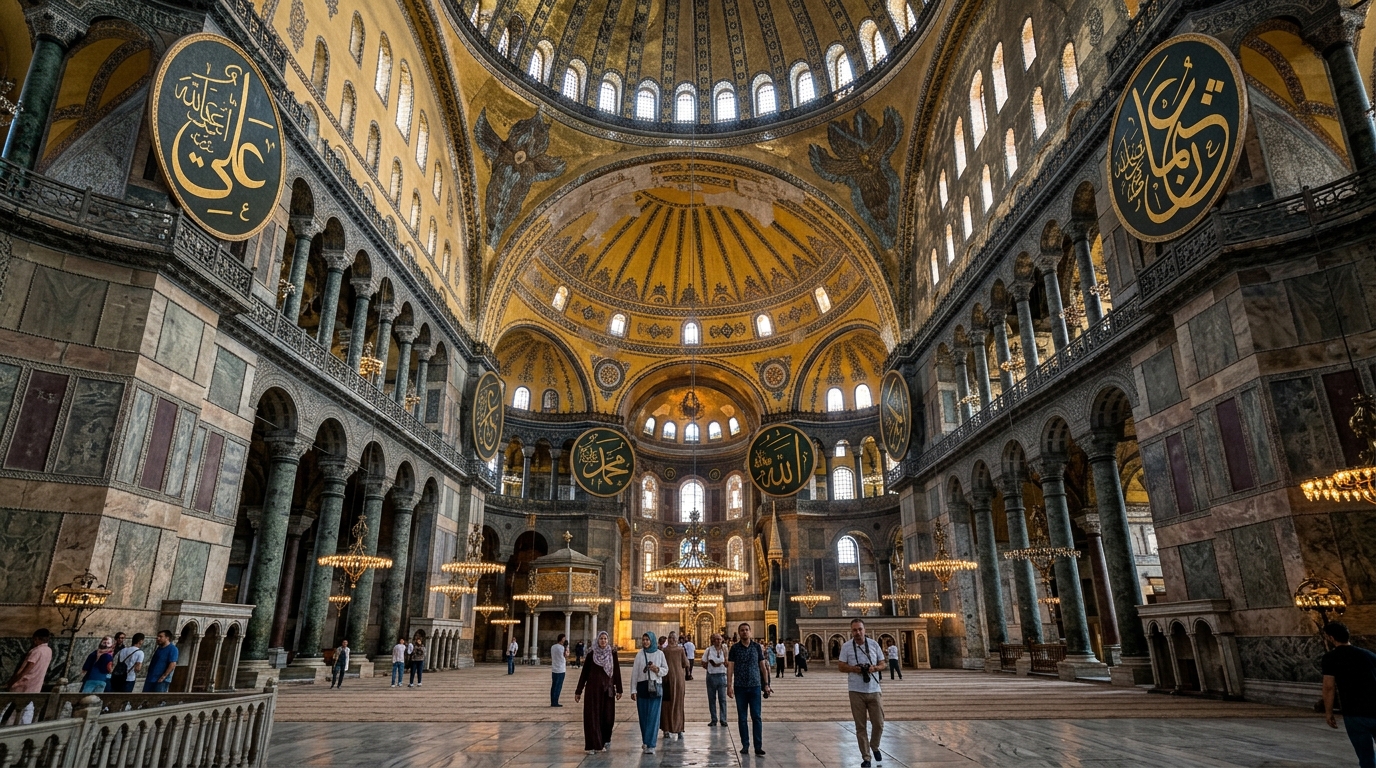
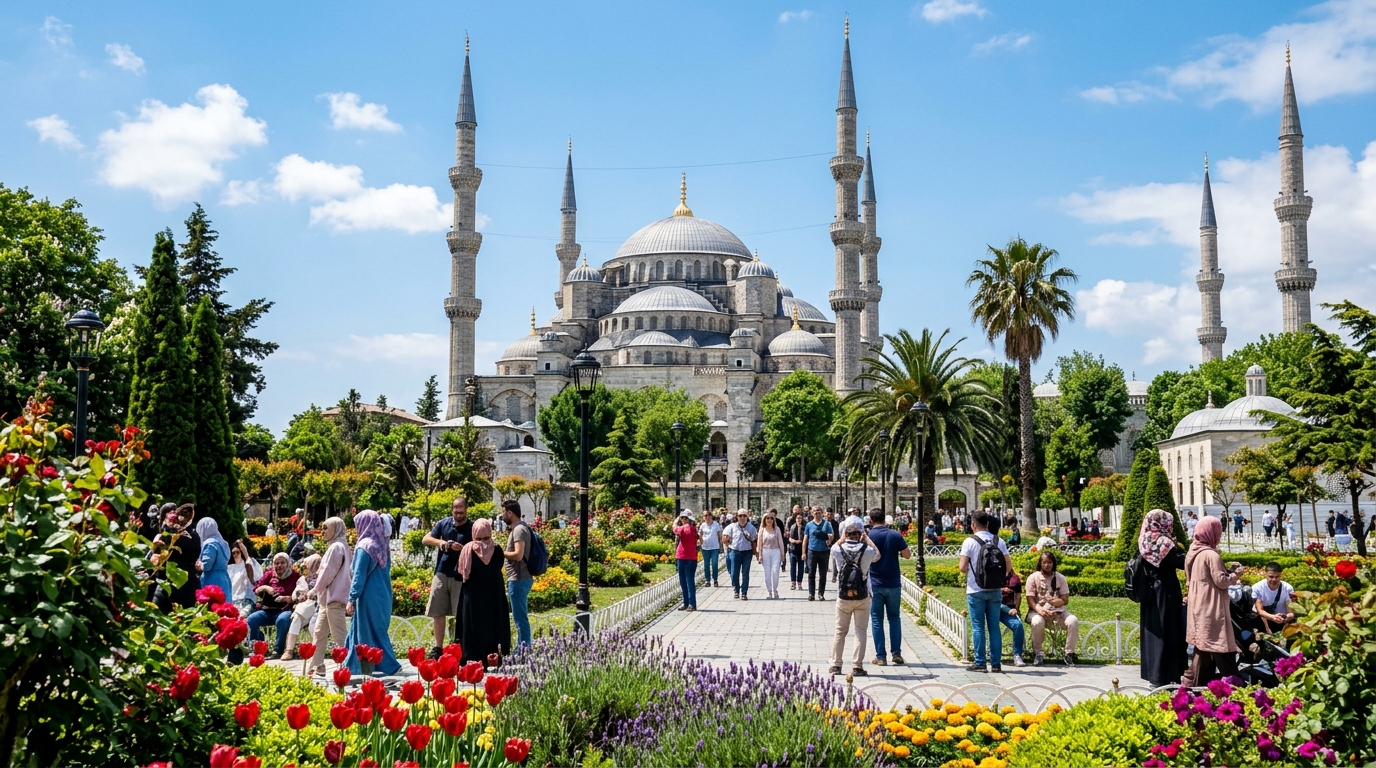
The Blue Mosque, officially the Sultan Ahmed Mosque, sits directly across a plaza from the Hagia Sophia. It is free to enter and is still an active mosque, which means the same dress code applies and it closes for all five daily prayers.
The exterior is the most iconic image of Istanbul, with six minarets and a cascade of domes that is best viewed from the garden in the plaza between the two buildings. The interior gets its nickname from the tens of thousands of hand painted Iznik tiles covering the walls and columns.
Given that both buildings are free and next door to each other, most visitors do both in the same morning. Go to the Hagia Sophia first, then walk across the plaza to the Blue Mosque.
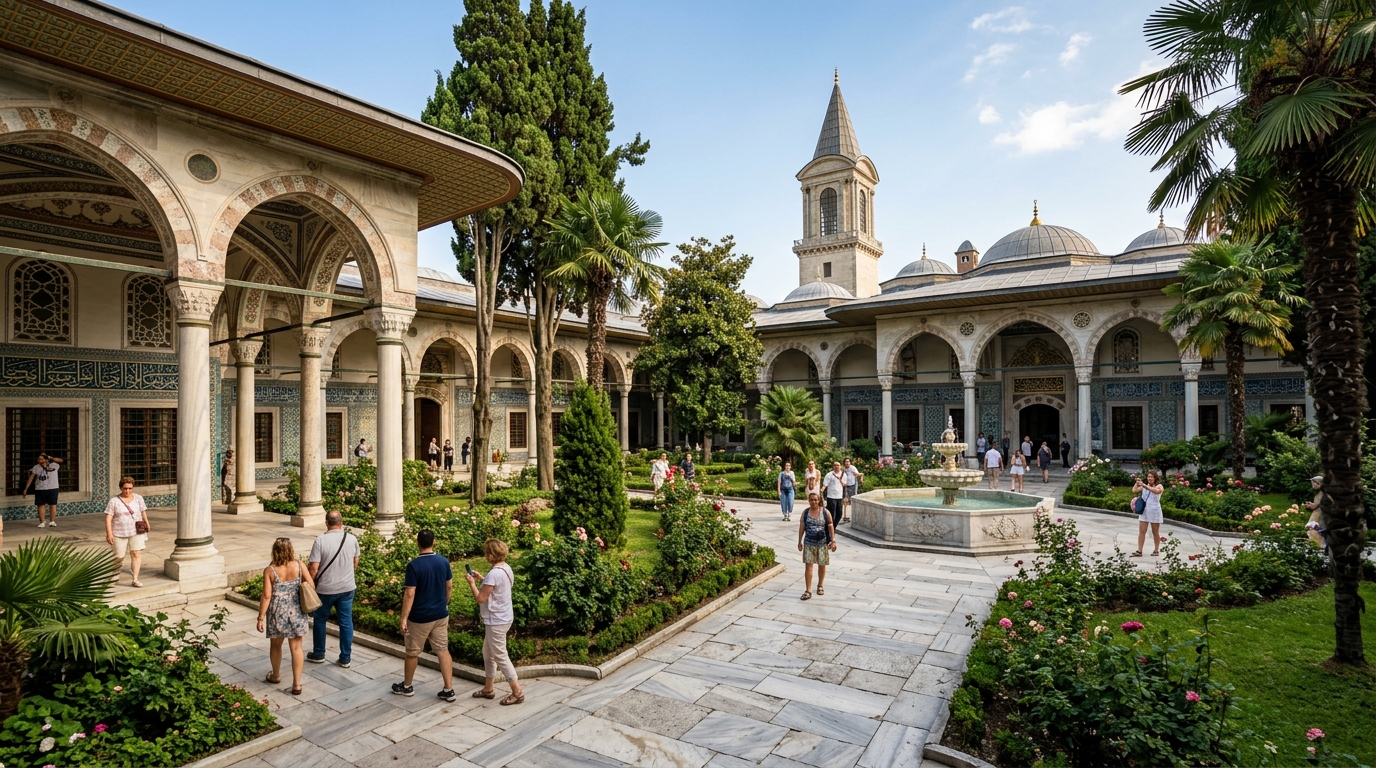
Topkapi Palace was the administrative center of the Ottoman Empire for nearly four centuries and it is enormous. Budget at least two to three hours for the highlights.
The Harem section requires a separate ticket and is worth the addition. It was the residential quarters of the imperial household and gives you a different view of Ottoman life than the grand audience halls and treasury.
Book tickets online in advance to skip the queues. Entry to the main palace is around 800 Turkish Lira, and the Harem is an additional fee.
The Basilica Cistern is directly below the street in Sultanahmet and it is one of the most atmospheric things you can do in the city. It is a 6th century underground reservoir with 336 columns reflected in shallow water and a permanent cool temperature that feels incredible in summer.
The Hippodrome, now called Sultanahmet Square, is the long open area in front of the Blue Mosque. It was the Byzantine city’s main arena for chariot racing and public events. The Egyptian Obelisk and the Serpentine Column standing in the middle of the square are original ancient pieces.
For dinner on Day One, walk down toward the water to the Eminonu area, where you will find balik ekmek, which are grilled fish sandwiches sold from boats moored at the dock. They are cheap, fresh, and completely delicious. Eat yours standing at the railing watching the Bosphorus traffic.
Alternatively, take the tram across the Galata Bridge to Karakoy, which has a concentrated strip of excellent restaurants and meyhanes (traditional Turkish taverns) where you can sit for hours over meze, raki, and grilled fish.
Day Two slows down. The Grand Bazaar and Spice Bazaar are both morning priorities, but the real point of the day is eating well and walking through the neighborhoods that most tourists skip.
The Grand Bazaar is one of the oldest and largest covered markets in the world, with over 4,000 shops across 60 streets. It opened in the 1460s. Walking into it for the first time is genuinely overwhelming.
A few things to know before you go. Prices are negotiable everywhere. The first price quoted is not the price you should pay. Do not feel pressured to buy anything during the first pass. Walk the whole thing first, see what is available, and come back to the things that actually interest you.
The areas toward the center of the bazaar tend to have the most touristy goods. The streets around the edges often have more interesting, lower priced items and more local shopkeepers.
Go in the morning when it opens at 8:30am. The bazaar gets progressively busier through the day and by afternoon it is packed.
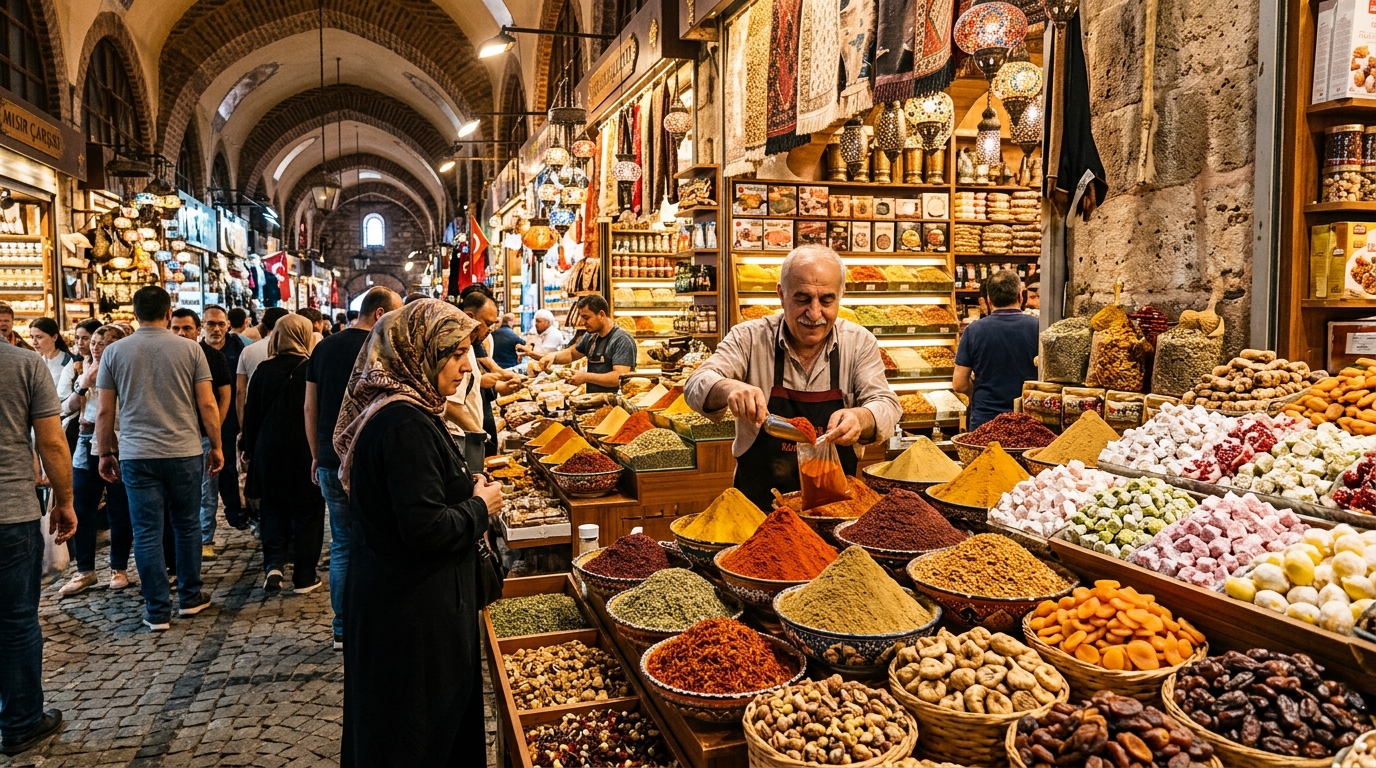
The Spice Bazaar, also called the Egyptian Bazaar, is a ten minute walk from the Grand Bazaar toward the water. It is much smaller and more manageable, and the sensory experience, mountains of colorful spices, dried fruits, Turkish delight, cheese, and tea, is one of the most vivid things you will encounter in Istanbul.
Turkish tea (cay) is sold by the glass everywhere in and around both bazaars. Say yes. It is a small thing that immediately changes the rhythm of the morning.
After the bazaars, cross the Galata Bridge on foot. The bridge has two levels: the upper level for traffic and pedestrians, and the lower level lined entirely with restaurants and tea houses over the water. Stop for tea or a bite at one of the waterfront spots.
On the other side is Karakoy, one of the most interesting neighborhoods in contemporary Istanbul. It is full of independent coffee shops, small galleries, design stores, and some of the best restaurants in the city. Walk uphill from Karakoy into Galata, where the 14th century Galata Tower dominates the skyline. The tower has a viewing platform with panoramic city views but the queues can be long. The surrounding streets are worth exploring regardless.
Continue uphill into Beyoglu and Istiklal Avenue. This is Istanbul’s main pedestrian shopping street, nearly a mile and a half long, lined with everything from international brands to local bakeries to historic pasaj buildings full of tiny shops and cafes.
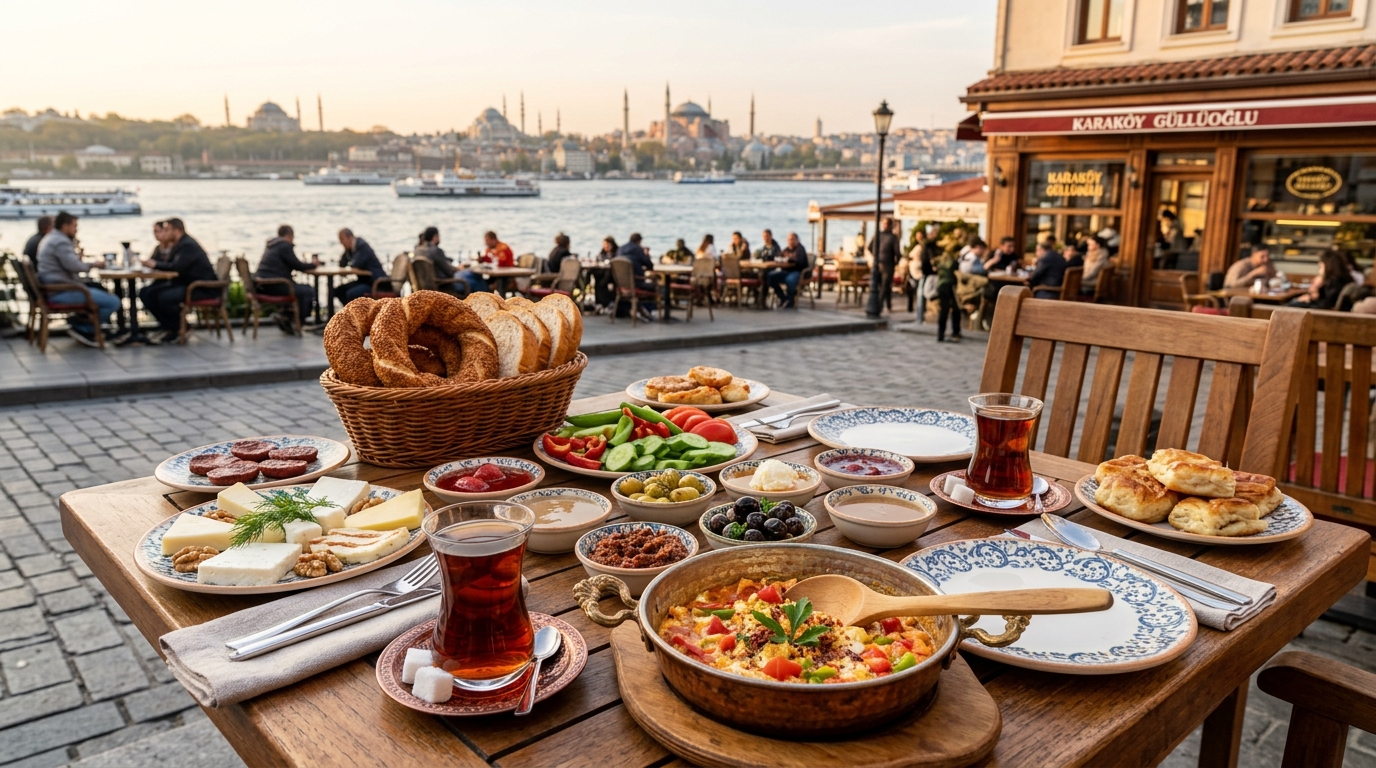
Turkish breakfast is the most important meal and it deserves an entire morning if you can manage it. The spread includes multiple cheeses, olives, tomatoes, cucumbers, honey, clotted cream, eggs, fresh bread, and endless tea. Go to a traditional breakfast place in Karakoy or the Balat neighborhood for the full experience.
Midday, look for a lokmaci (Turkish doughnut shop) or a borek bakery for a light bite. Borek is a flaky pastry filled with cheese, spinach, or meat and it is one of the best street foods in the city.
For dinner, try a meyhane in Beyoglu. These are traditional taverns where dinner is a long, sociable affair: start with cold meze (dips, salads, stuffed vegetables), move to hot meze, then grilled fish or meat, with raki or wine throughout. Most meyhanes do not have fixed menus. The waiter brings out what is good that day. Trust them.
Day Three is for crossing the water. The Asian side of Istanbul is where locals live, eat, and spend their weekends, and it feels noticeably different from the tourist focused European side.
Take the ferry from Eminonu or Karakoy to Kadikoy. The crossing takes about 25 minutes and the views of Istanbul from the water, with the old city skyline and the minarets behind you, are some of the best you will get the whole trip.
Kadikoy is a market neighborhood with an open air bazaar, fish market, produce stalls, bakeries, and an extraordinary density of good cafes and restaurants. The Kadikoy market, known as Moda market or simply the Kadikoy Carsi, is one of the best places to eat in Istanbul. Small shops sell everything from fresh manti (Turkish dumplings) to kokoreç (grilled offal sandwiches) to freshly squeezed pomegranate juice.
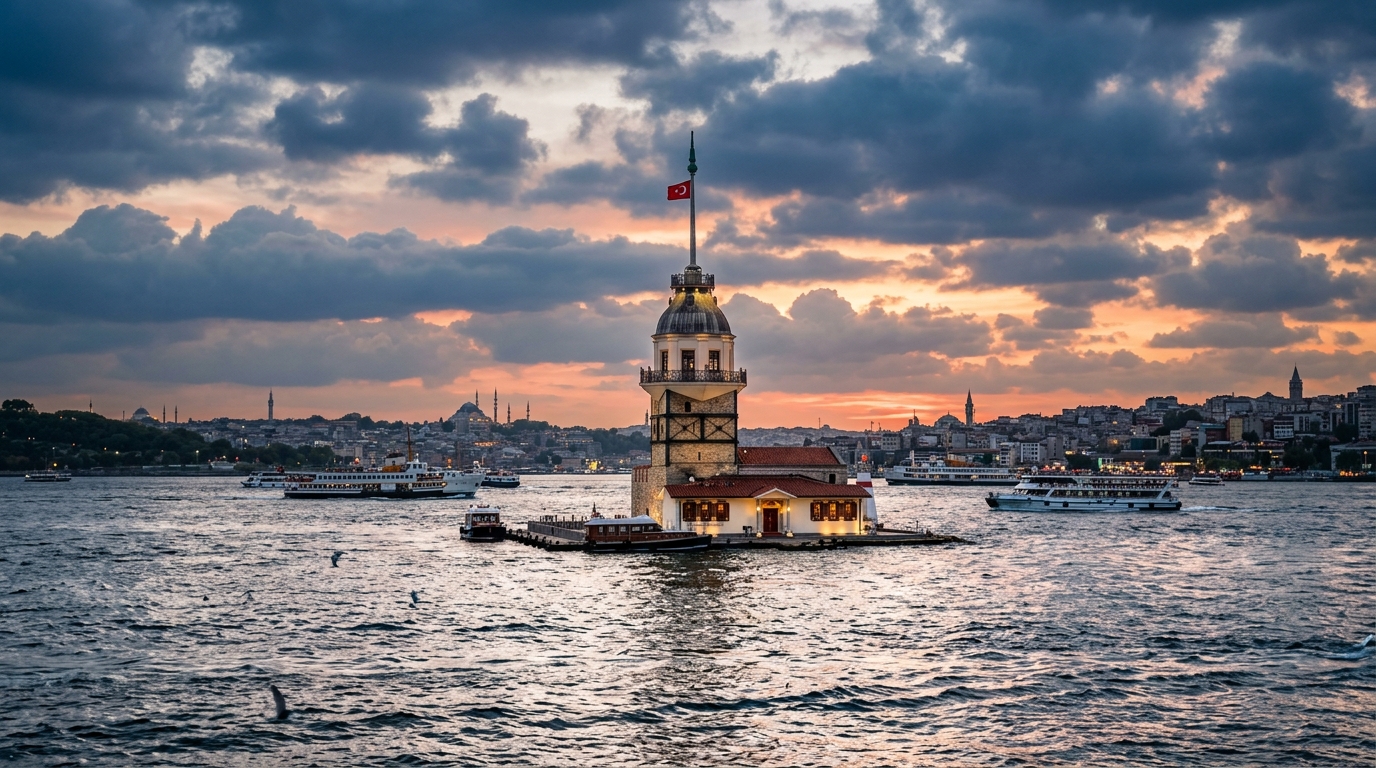
After Kadikoy, take a short bus or ferry ride to Uskudar, which has a more traditional, quieter atmosphere than the Kadikoy side. From here you can see the Maiden’s Tower, a small tower on a tiny island a few hundred meters offshore. Short boat trips go out to it, and the return view of the Asian shoreline with the Bosphorus Bridge in the background is worth the trip.
If you have not done a Bosphorus cruise yet, the afternoon of Day Three is the time. Longer public ferry routes from Eminonu run up the Bosphorus past the two suspension bridges, the Ottoman palaces along the waterfront, and small fishing villages that feel nothing like the city you spent the last two days in.
The full Bosphorus cruise takes around two hours one way. A shorter round trip version is available and takes about 90 minutes. Both run from Eminonu and cost just a few dollars with your Istanbul Kart.
A pair of compact binoculars adds a lot to a Bosphorus cruise. The waterfront palaces, yalis (historic wooden mansions), and bridges are all much more interesting when you can see them properly rather than as distant shapes. This lightweight foldable binocular on Amazon is easy to pack and makes a real difference on the water.
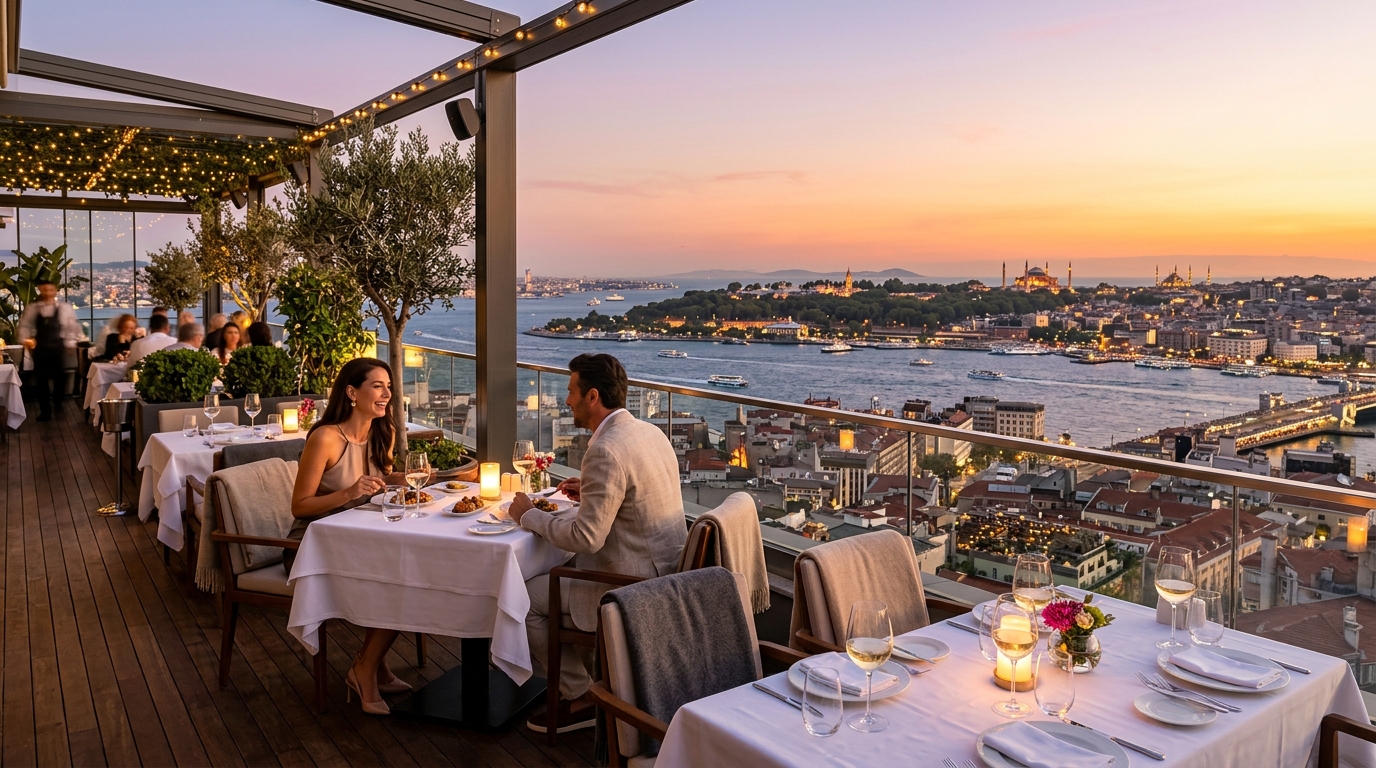
For the final evening, get to Galata Bridge or the rooftop terrace of a hotel in Sultanahmet or Beyoglu around sunset. The light on the Bosphorus and the old city skyline from either vantage point is the kind of view that stays with you long after you leave.
Most guides say “cover up for mosques” and leave it there. Here is what actually helps.
Carry a light scarf that covers shoulders and hair in your bag every day. Not just for mosques. Many neighborhoods on the Asian side and around the Grand Bazaar are more conservative in feel, and being prepared means you can move freely without having to think about it.
Shoes that slip on and off easily matter more than people expect. You will remove them at every mosque, and if your shoes take three minutes to undo, you will slow down the experience for everyone including yourself. Slip on shoes or easy buckle styles work much better than lace ups for this trip.
The Istanbul Museum Pass covers Topkapi Palace, Hagia Sophia Museum (when it was a museum), the Basilica Cistern, the Archaeological Museum, and several other sites. Post the 2020 conversion of Hagia Sophia back to a mosque, the pass covers fewer major sites than it used to.
For a three day trip focused on this itinerary, calculate the individual entry costs first before buying. If you are planning to visit Topkapi, the Archaeological Museum, the Basilica Cistern, and Dolmabahce Palace, the pass pays for itself. If you are only doing two or three paid sites, individual tickets may work out cheaper.
Istanbul is a very manageable city for solo female travelers, but it helps to go in with accurate expectations rather than either alarm or overconfidence.
The Grand Bazaar and Eminonu areas involve a lot of persistent sales approaches. “Where are you from?” is almost always the opening line of a sales pitch rather than genuine curiosity. A friendly but firm “no thank you” and keeping walking is all that is needed. You do not have to be rude, but you also do not need to stop and engage.
The tram and metro are safe and well used by local women at all hours. Taxis have a reputation for overcharging tourists, so use the BiTaksi or Uber app rather than flagging street cabs.
Evenings in Karakoy, Beyoglu, and Kadikoy are busy and lively with mixed crowds. These areas feel comfortable for solo dining and drinking at any reasonable hour.
Turkey’s currency has fluctuated significantly in recent years, so costs in Turkish Lira change frequently. Here is a rough guide in USD/EUR for current reference.
Budget travelers can manage on around 35 to 50 dollars per day covering a hostel or budget guesthouse, street food and small restaurants, public transport, and free or low cost attractions.
Mid range travelers should plan for 80 to 150 dollars per day, covering a comfortable hotel, sit down restaurant meals, entry fees, and transport.
Luxury travelers have excellent options from 200 dollars per day upward, with boutique hotels in Galata, rooftop restaurants, private Bosphorus boat tours, and spa experiences available.
Food in particular remains a significant value. A full Turkish breakfast for two at a proper lokanta rarely costs more than 10 to 15 dollars. A fish dinner with wine at a Karakoy meyhane for two is around 40 to 60 dollars. Street food is everywhere and mostly excellent.
Balik ekmek at Eminonu dock: grilled mackerel sandwich from the boats at the water. Nonnegotiable.
Turkish breakfast: the full spread with dozens of small dishes. Do this at least once, ideally in Karakoy or the Balat neighborhood.
Simit: sesame encrusted bread rings sold from street carts. The correct Istanbul breakfast on the go.
Manti: tiny Turkish dumplings served with yogurt, butter, and dried mint. Available everywhere, extraordinary at a good restaurant.
Baklava from Karakoy Gulluoglu: one of Istanbul’s most famous baklava shops is in Karakoy and they make it fresh daily. Pistachio, walnut, or plain. Eat it there rather than buying it as a souvenir.
Cay (tea): Turkish tea is served in small tulip shaped glasses, always freshly brewed, and offered constantly. Accept it whenever you can. It is one of the pleasures of being in the city.
Book Topkapi tickets online. The queues without pre bought tickets are long, especially in summer. Buying online takes five minutes and saves an hour.
Prayer times matter. Both the Hagia Sophia and Blue Mosque close for about 30 minutes during each of the five daily prayers. Check the schedule the night before and plan your timings around it. Missing this detail is the most common mistake first time visitors make.
Carry cash. Many small restaurants, market stalls, and street food vendors are cash only. Withdraw Turkish Lira from ATMs on arrival. Airport exchange rates are poor. ATMs inside the city give much better rates.
The tram on Istiklal Avenue runs once an hour. Most people do not realize this and end up walking the full length by accident. The historic red tram is charming but not a practical transport option. Walk Istiklal instead.
Download maps offline. Istanbul’s street layout is complicated, especially in Sultanahmet and the bazaar areas. Download an offline map before you leave your accommodation each morning.
A portable phone charger is essential for a city where you will be navigating, photographing, and translating constantly all day. This compact power bank on Amazon is small enough to carry without noticing it and charges a phone two to three times.
How many days do you need in Istanbul?
Three days covers the highlights well. Five to seven days allows a more relaxed pace, more neighborhoods, and a day trip to Princes Islands or Bursa.
Is Istanbul safe for tourists?
Yes, Istanbul is generally safe for tourists. The main practical concerns are opportunistic scams targeting visitors in the Grand Bazaar and Sultanahmet area and the need for basic urban awareness. Violent crime targeting tourists is rare.
Is Istanbul safe for solo female travelers?
Yes, with some practical preparation. Use ride apps rather than street taxis, stick to busy areas in the evenings, and have a confident response ready for persistent sales approaches in the bazaar areas. The city is very manageable solo.
What is the best area to stay in Istanbul for 3 days?
Sultanahmet for walking access to the major sites. Galata or Karakoy for a more local, neighborhood feel with better restaurants and easy tram access to the old city.
Do I need to book Hagia Sophia tickets in advance?
Hagia Sophia is free as a mosque but closes for prayer five times a day. No ticket is needed, but arrive early and check prayer times to avoid being turned away.
What should I wear in Istanbul?
Light, comfortable clothes that cover shoulders and knees for mosque visits. Carry a scarf for hair covering. Comfortable shoes that slip off easily. No special dress code applies outside of religious sites.
Is Turkey expensive to visit?
Istanbul offers very good value by European capital standards. Food especially is affordable. Accommodation ranges from budget hostels to high end boutique hotels. Major attractions have entry fees but many of the best experiences, ferries, markets, neighborhoods, are free or very cheap.
What is the currency in Istanbul?
Turkish Lira (TRY). Cards are widely accepted at hotels and restaurants, but street food, market stalls, and smaller shops are often cash only. Withdraw Lira from ATMs in the city rather than exchanging it at the airport.
Can you see Istanbul in 2 days?
You can see the major highlights in 2 days, but it will feel rushed. Three days is the minimum for a trip that does not feel like a checklist exercise.
Istanbul rewards the traveler who shows up without a fixed agenda. Yes, you need to see the Hagia Sophia and the Blue Mosque and the Grand Bazaar. Those things are famous for a reason, and they will not disappoint you.
But the best moments in Istanbul tend to happen in between. Drinking tea on a ferry crossing the Bosphorus while the city falls away behind you. Getting lost in the lanes behind the Spice Bazaar and stumbling into a lokanta where lunch is whatever they cooked that morning. Watching the sun set over the old city from Galata Bridge with a simit in your hand.
Three days is enough to catch those moments. Make sure you leave room for them.