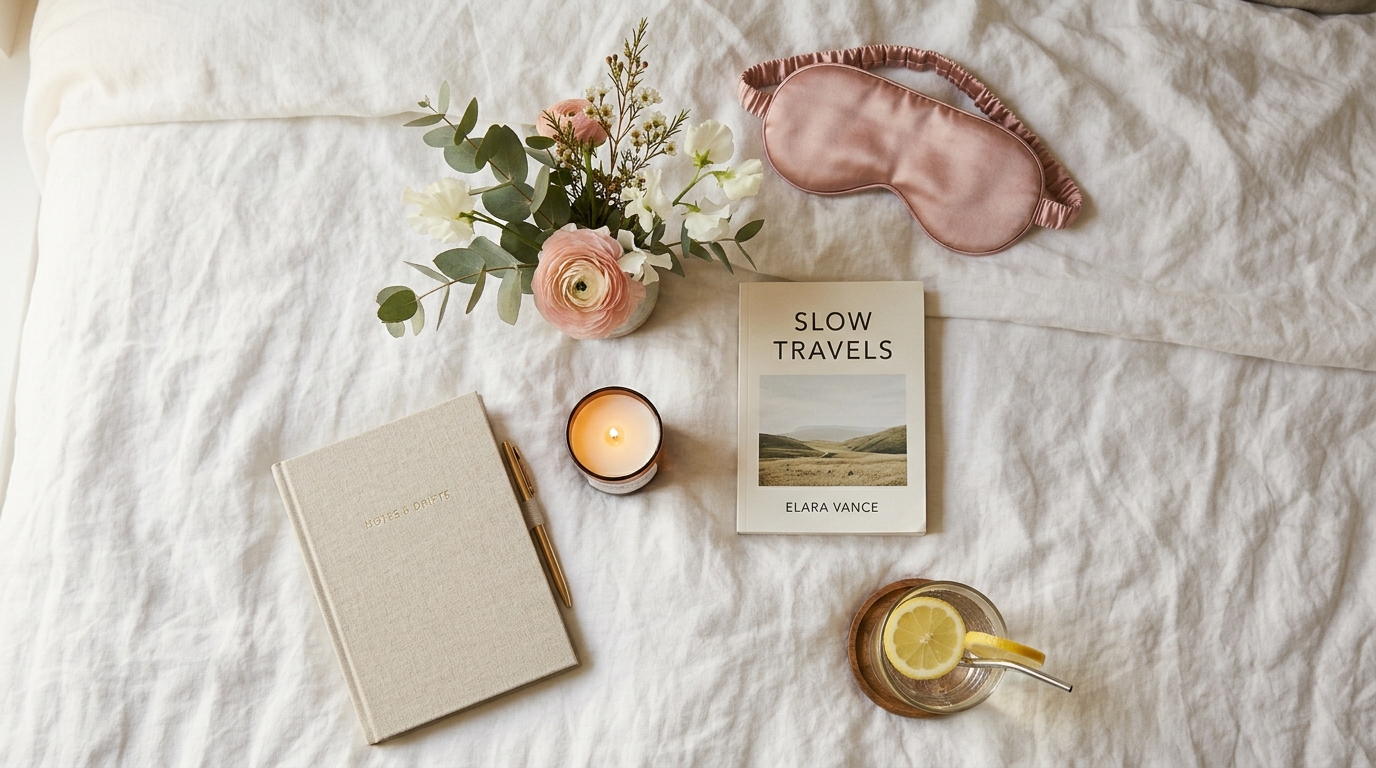
Soft life travel puts rest, ease, and comfort first. Instead of packing 10 destinations into 7 days, you slow down. You stay longer. You breathe.
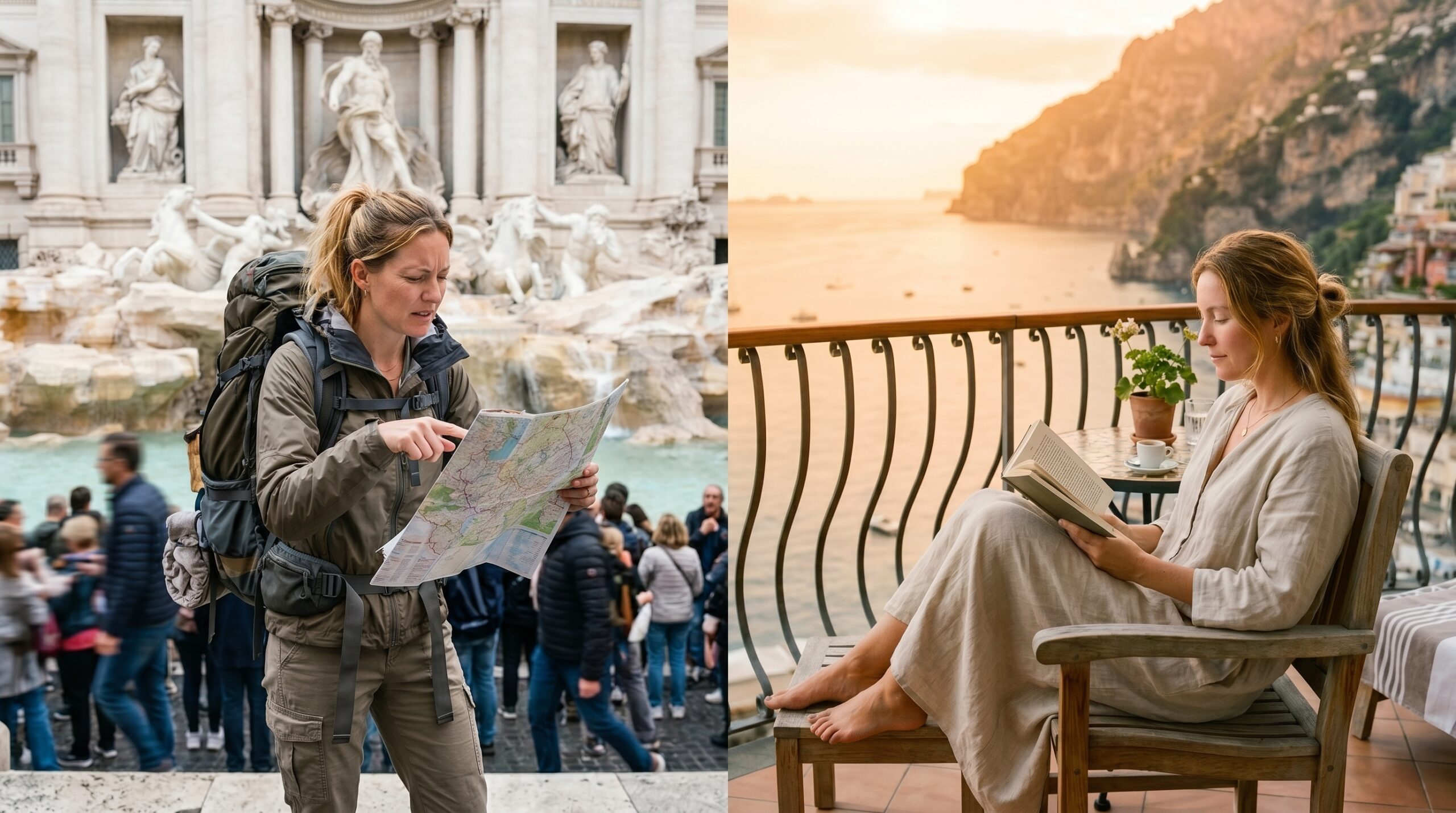
It’s the opposite of the hustle vacation — where you wake up at 5 AM for a museum queue, eat lunch standing up, and collapse into bed only to do it again.
Soft life travel means:
It’s not about being lazy. It’s about being intentional.
Because people are exhausted.
After years of hustle culture and FOMO travel, women are pushing back. A 2026 Vrbo survey found 91% of travelers want slower, simpler trips built around rest — not checking boxes.
Many women are realizing they return from “vacations” needing another vacation. Soft life travel is the direct answer to that.
Soft life travel isn’t just luxury travel with a new name. The difference is in the intention.
| Regular Luxury Travel | Soft Life Travel |
|---|---|
| Five-star hotel as a status symbol | A cozy boutique property that felt like home |
| Checking off must-see spots | Three hours in one café because it felt perfect |
| Expensive but exhausting | Affordable OR expensive — but always restful |
| Performing for social media | Actually being present |
You can do soft life travel in a budget guesthouse in Bali or a private villa in Tuscany. The price point doesn’t define it. The pace does.
Imagine 7 days in Kyoto. A regular trip crams in temples every morning, a cooking class, a day trip to Osaka, a tea ceremony — all squeezed in.
A soft life version looks like this:
No 6 AM alarms. Just presence.
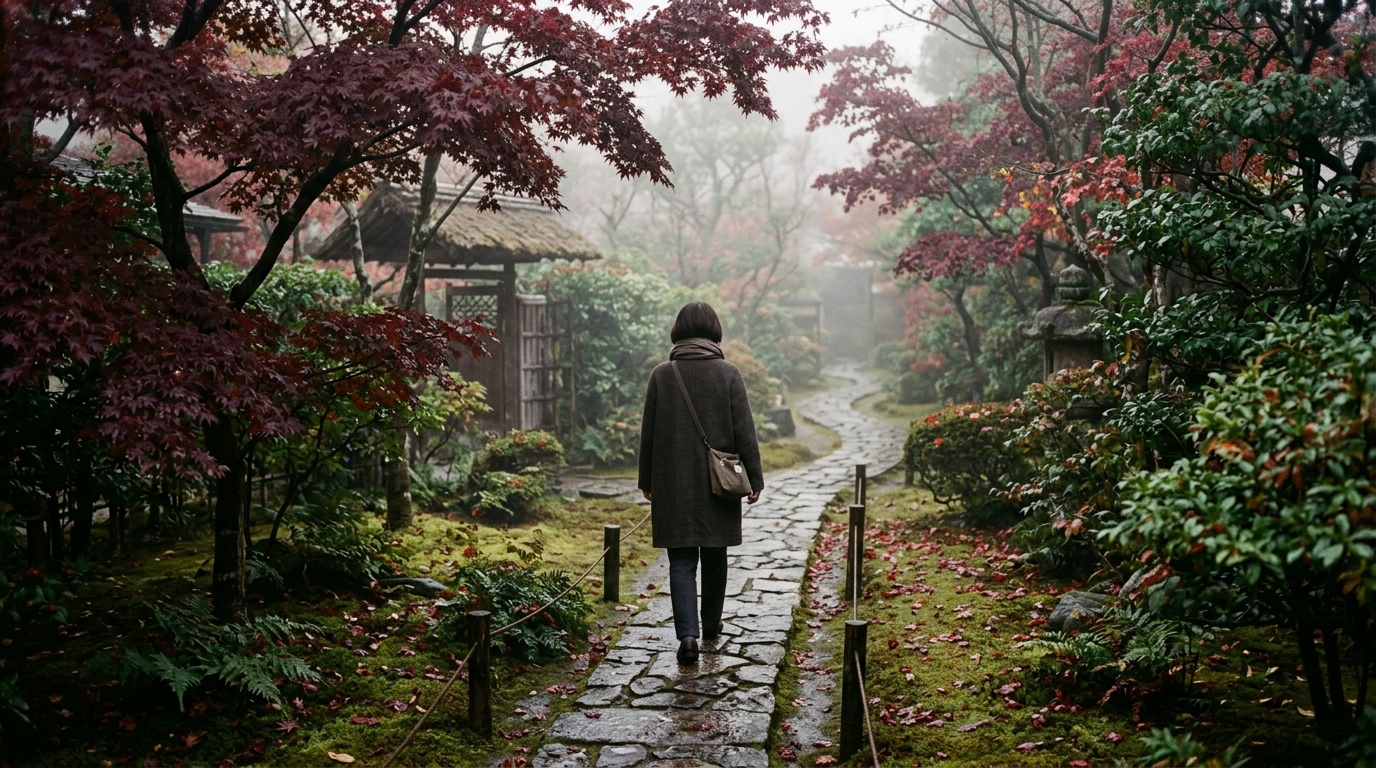
Quiet temples, moss gardens, excellent food, and a culture that already respects slowness. Winter is especially magical — fewer tourists, moody atmosphere, incredible food.
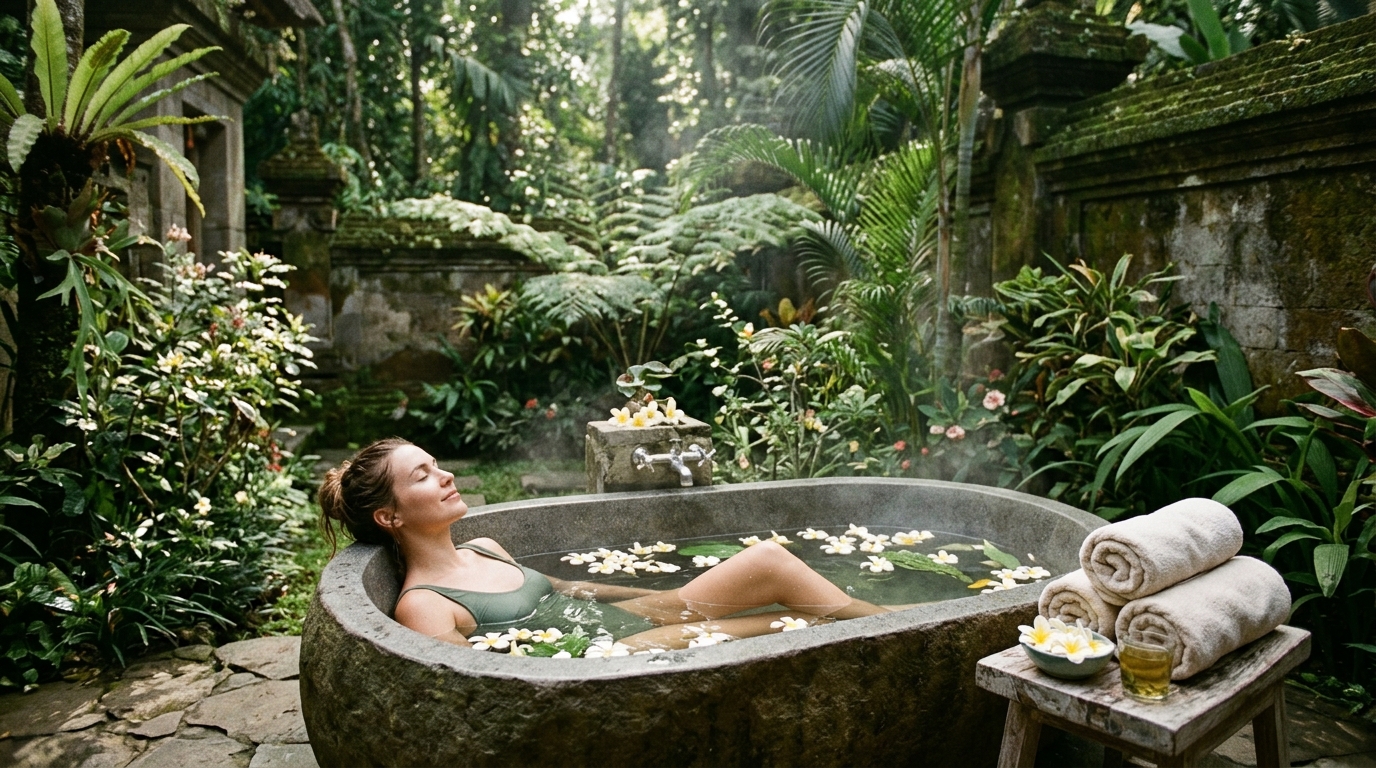
The wellness capital of Southeast Asia. Rice terraces, jungle sounds, spa treatments. Bali rewards those who slow down — the more you rush, the more you miss.
Mallorca in May — before summer crowds — is one of Europe’s most underrated soft life destinations. Long lunches, slow evenings, beautiful light.
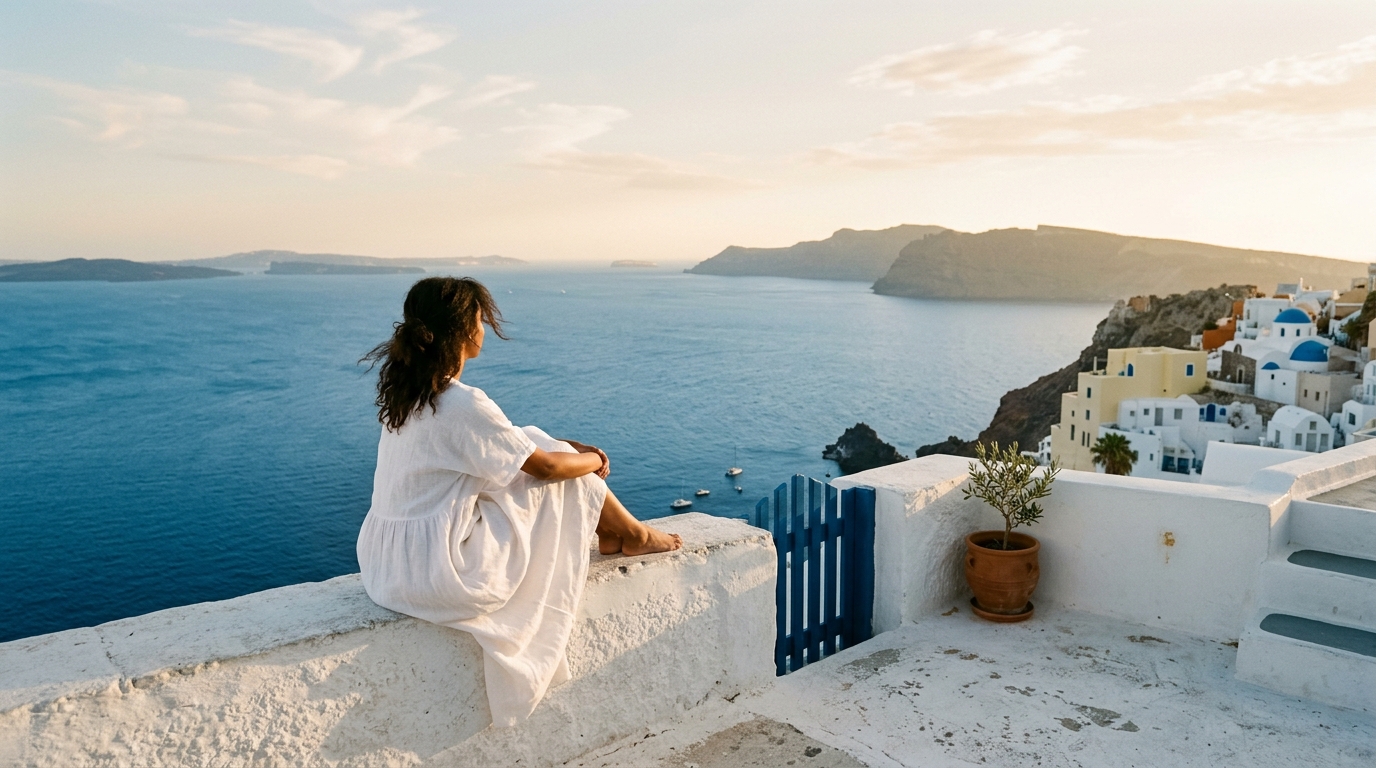
September in Santorini is a revelation. The Instagram crowds are gone, prices drop, and the island goes quiet. Sit on a terrace and watch the Aegean. That’s the whole plan.
A UNESCO-listed riverside town with spiritual traditions, French-influenced food, and a pace that slows your pulse within hours of arriving.
Autumn at Lake Como is completely different from summer. The yachts are gone. The towns breathe. Pure restoration.
Choose one destination. Resist combining five countries. Depth beats breadth every time.
Pre-book only one or two things. A special dinner. A spa day. Leave everything else open.
Choose accommodation wisely. Look for natural light, a balcony or terrace, a bathtub, and a quiet neighborhood. Boutique hotels beat big chains for soft life travel every time.
Build in intentional rest. Block time for nothing. A nap. Reading. Sitting by water. This feels weird at first — push through it. That’s where the magic is.
Eat slowly. Find two restaurants you love and go back. Take two hours for dinner. Order dessert. This is the trip.
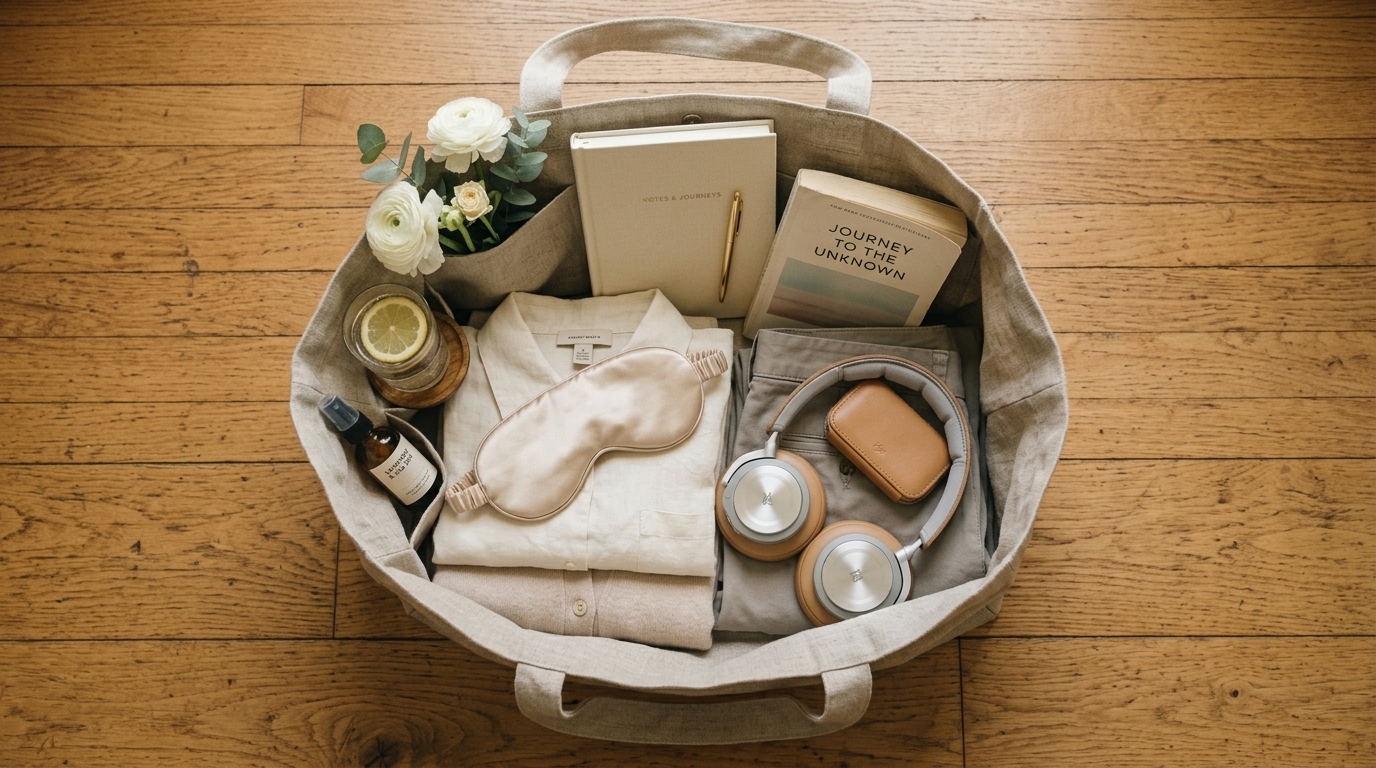
Packing for a soft life trip means prioritizing comfort over cramming in options.
Clothing: Soft, breathable fabrics — linen, cotton, bamboo. One beautiful outfit for that special dinner. Comfortable shoes that don’t need breaking in.
For your room:
For travel days:
For self-care:
Pack less than you think you need. Soft life travel is about ease — dragging heavy luggage is the opposite of that.
Soft life travel doesn’t have to be expensive. The expensive part is usually the rushing — last-minute tours, tourist trap restaurants, and constant city-hopping.
Slowing down actually saves money.
Solo soft life travel is having a moment.
When you travel alone with this mindset, something shifts. You’re not managing anyone else’s energy. You eat when you want. You stay as long as you want somewhere. You change plans without explaining yourself.
Kyoto, Ubud, Lisbon, and the Greek islands are consistently the best choices for solo women who want to feel safe, unhurried, and genuinely restored.
A few tips:
Over-planning. If your Google Maps has 40 saved pins, cut it in half.
Choosing the Instagram spot over the comfortable one. The most photogenic café is usually the most crowded. The second-best one is where you actually relax.
Guilt about resting. A full afternoon doing nothing is not wasted. It’s the point.
Checking work email. Set an out-of-office reply. Actual separation is non-negotiable.
What does soft life travel mean? It means prioritizing rest, ease, and intentional experiences over packed itineraries. Slowing down and actually enjoying where you are.
Is it the same as slow travel? They overlap but aren’t the same. Slow travel is about pace. Soft life travel adds a specific emphasis on comfort, self-care, and protecting your peace.
Can I do it on a budget? Yes. Shoulder season, one destination, a kitchen rental, and one planned splurge make soft life travel very affordable.
What are the best destinations? Kyoto, Ubud, Mallorca, Luang Prabang, Lake Como, and Santorini in September.
How is it different from luxury travel? Luxury is about the quality of the product. Soft life is about the quality of the experience. You can have a soft life trip in a guesthouse and an exhausting trip in a five-star resort.
Soft life travel is a response to something real — the exhaustion of modern life, and the realization that a trip should leave you feeling better than when you left.
Book fewer activities. Find a hotel with a bathtub. Sit in one café for three hours. Eat something slowly and beautifully.
That’s it. That’s soft life travel. And once you try it, you won’t go back.