 By the end, you will have a clear list of the best things to do in Puglia Italy, a simple itinerary idea, and answers to the questions most people search for right before they book their trip.
Puglia (also called Apulia) is the long, narrow region that forms the heel of Italy. It stretches between two seas, the Adriatic on one side and the Ionian on the other. That is why Puglia has so many beaches, more coastline than almost any other Italian region.
Puglia matters because it gives you everything people love about Italy, white villages, olive groves, old churches, fresh seafood, without the crowds you find in Rome, Florence, or Venice. If you have already planned a 10 day Italy itinerary for first time visitors, Puglia is a natural next stop once you want to slow down and see a quieter side of the country.
 The best months to visit Puglia are May, June, September, and October. The weather is warm but not too hot, the towns are calmer, and prices for hotels and flights drop compared to peak summer.
July and August are the busiest months. This is when Italians themselves go on holiday, so beaches and small towns fill up fast. If you love a lively, packed summer atmosphere, this is still a fun time to go. If you prefer space to breathe, aim for late spring or early autumn instead.
Most guides skip this question, but it is one of the first things people search. Here is a simple answer.
Puglia is a long region. Driving from the very north to the very south can take around five hours, so do not try to see everything in three days. Pick two bases, such as Bari or Ostuni in the north and Lecce in the south, and explore from there. This is the same trick we recommend in our 10 day Italy itinerary, split your trip into bases instead of packing your bags every night.
Here is the full list, built from what real travelers and trusted travel guides recommend, plus a few things most articles leave out.
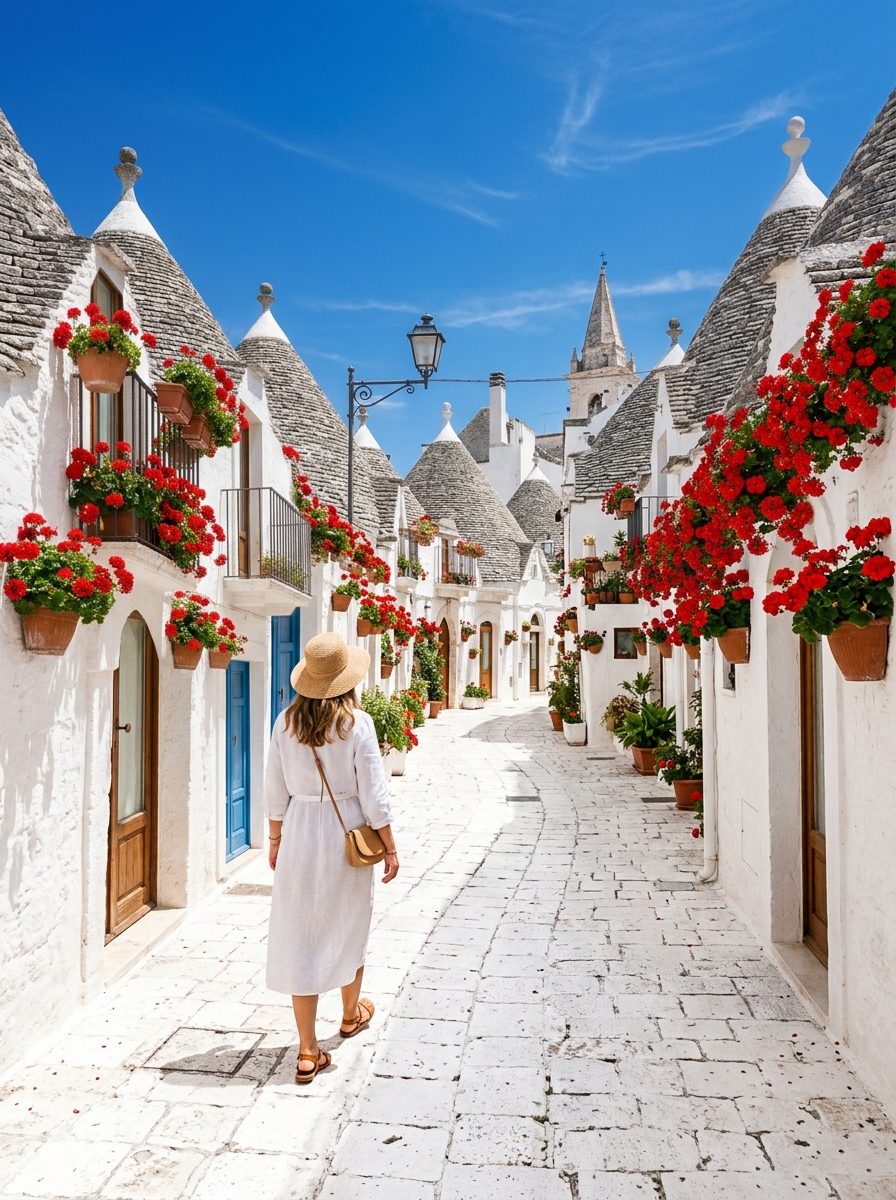
Alberobello is famous for its trulli, small round houses with cone shaped stone roofs. Nowhere else in the world has this many trulli in one place. Walk the narrow streets early in the morning before the tour buses arrive. Many trulli are now shops, cafes, or small guesthouses, so you can even sleep inside one.
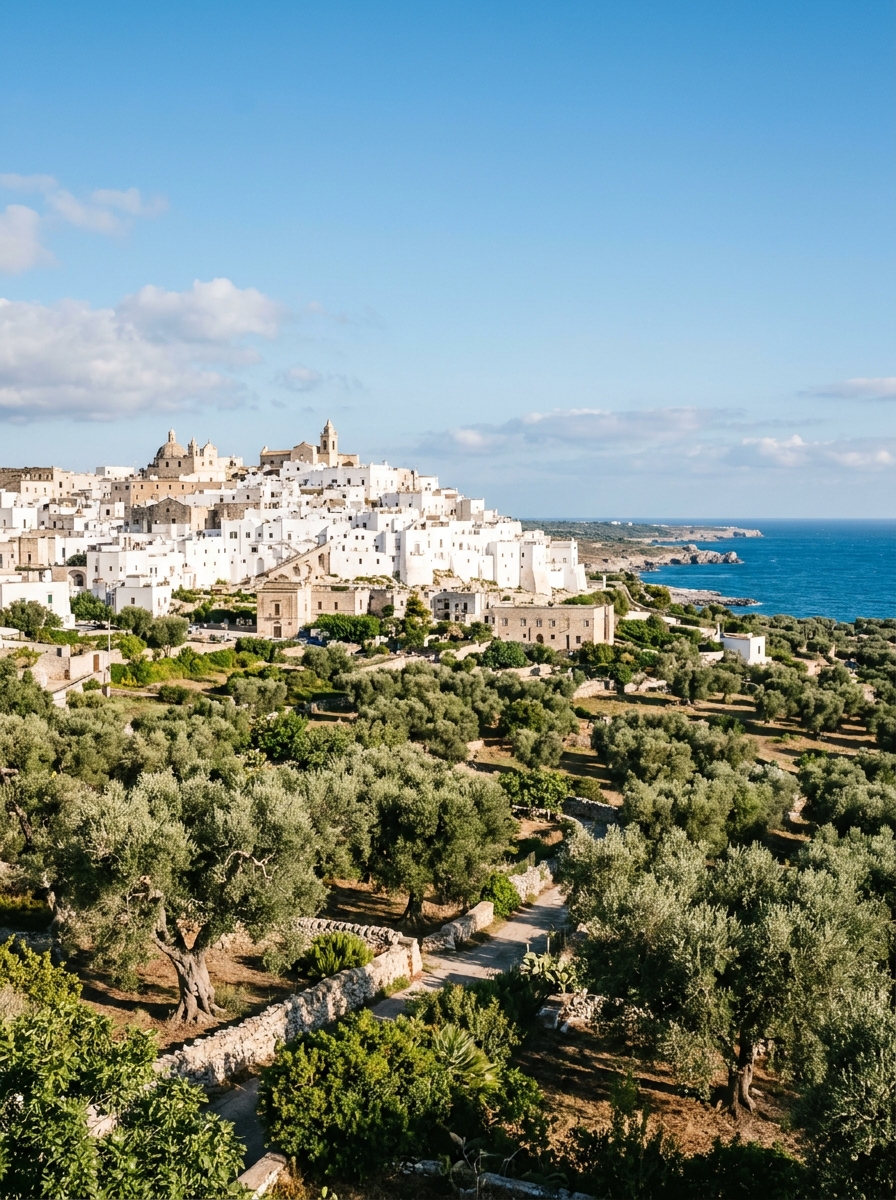
Ostuni sits on a hill and every building is painted white. It looks almost like snow from a distance. Walk up to the top for views over olive groves that stretch all the way to the sea. Ostuni also has a great bar and restaurant scene at night, so it is worth staying until sunset.
Lecce is often called the Florence of the south because of its detailed stone architecture. The whole old town is built from a soft local stone that carvers shaped into flowers, animals, and saints on almost every building. Spend at least half a day just walking, and stop for a coffee in Piazza Sant’Oronzo.
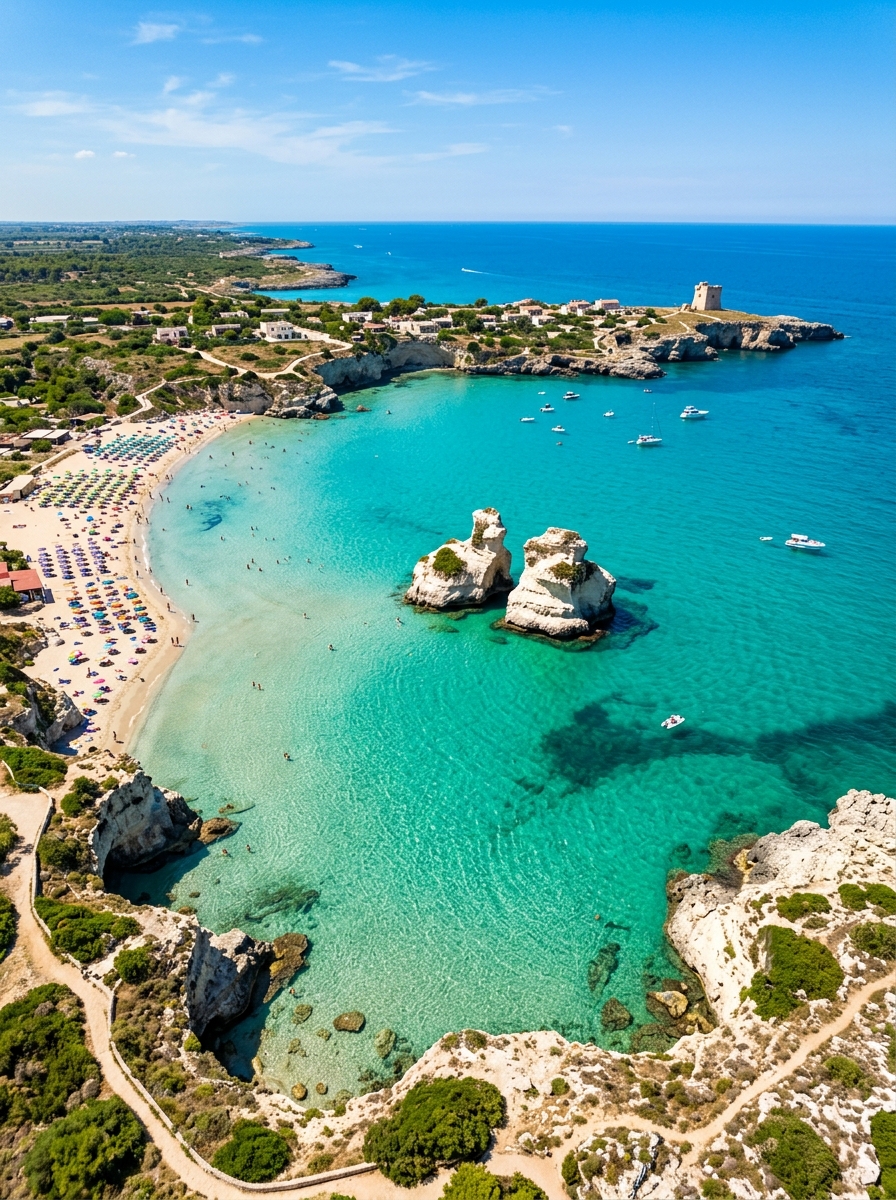
Puglia has some of the best beaches in Italy. A few favorites include:
Some beaches are free (called spiaggia libera), and others are lidos, where you pay to rent a chair and umbrella. Both are common, so plan for a mix.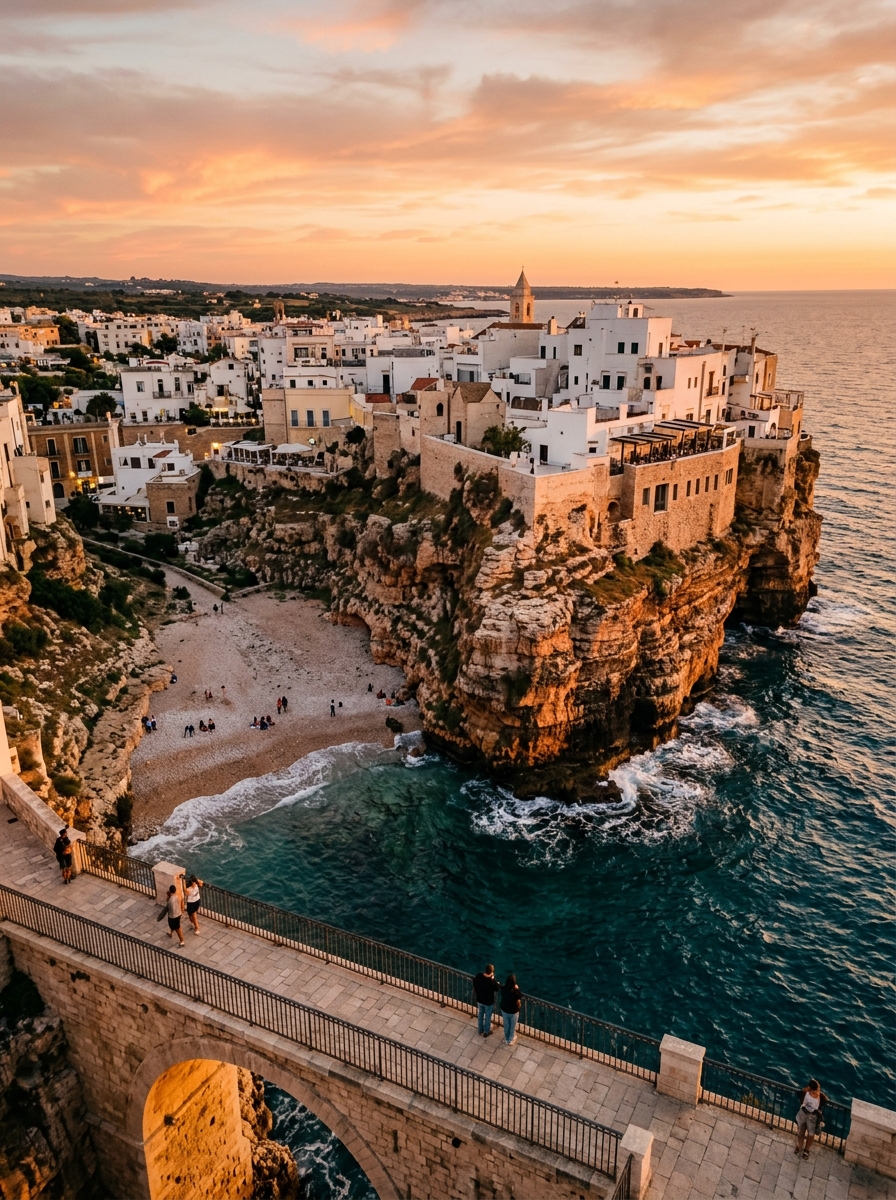
Polignano a Mare is a small town built right on top of sea cliffs. The most famous view is Lama Monachile, a small beach tucked between two cliffs with a bridge above it. This town gets busy in summer, so try to visit early morning or later in the evening.
Bari is Puglia’s capital, and its old town is where you should go to eat. Watch local women make fresh orecchiette pasta by hand right on the street, a tradition that has continued here for generations. Try focaccia barese, a soft flatbread topped with tomatoes and olives, sold fresh from small bakeries.
Puglia has remains of over a hundred castles, more than most people expect. The most famous is Castel del Monte, an octagon shaped fortress built in the 1200s that is now a UNESCO World Heritage Site. It sits alone on a hill and looks unlike any other castle in Italy.
Along the Gargano coast near Vieste, boat tours take you into limestone caves and hidden coves you cannot reach on foot. This is one of the most photographed things to do in Puglia, and it works well as a full or half day trip.
Puglia produces more olive oil than almost anywhere else in Italy, and its wine is becoming just as well known. Look for Primitivo and Negroamaro, two red wines grown across the region. Many small farms and wineries open their doors for tastings, often paired with local bread and cheese.
Beyond Alberobello and Ostuni, the Valle d’Itria has smaller towns worth a stop:
Otranto sits at the easternmost point of Italy, right where the country nearly touches Greece. Its cathedral holds one of the largest floor mosaics in Europe, made in the 1100s. The old town walls and castle are also worth a slow walk.
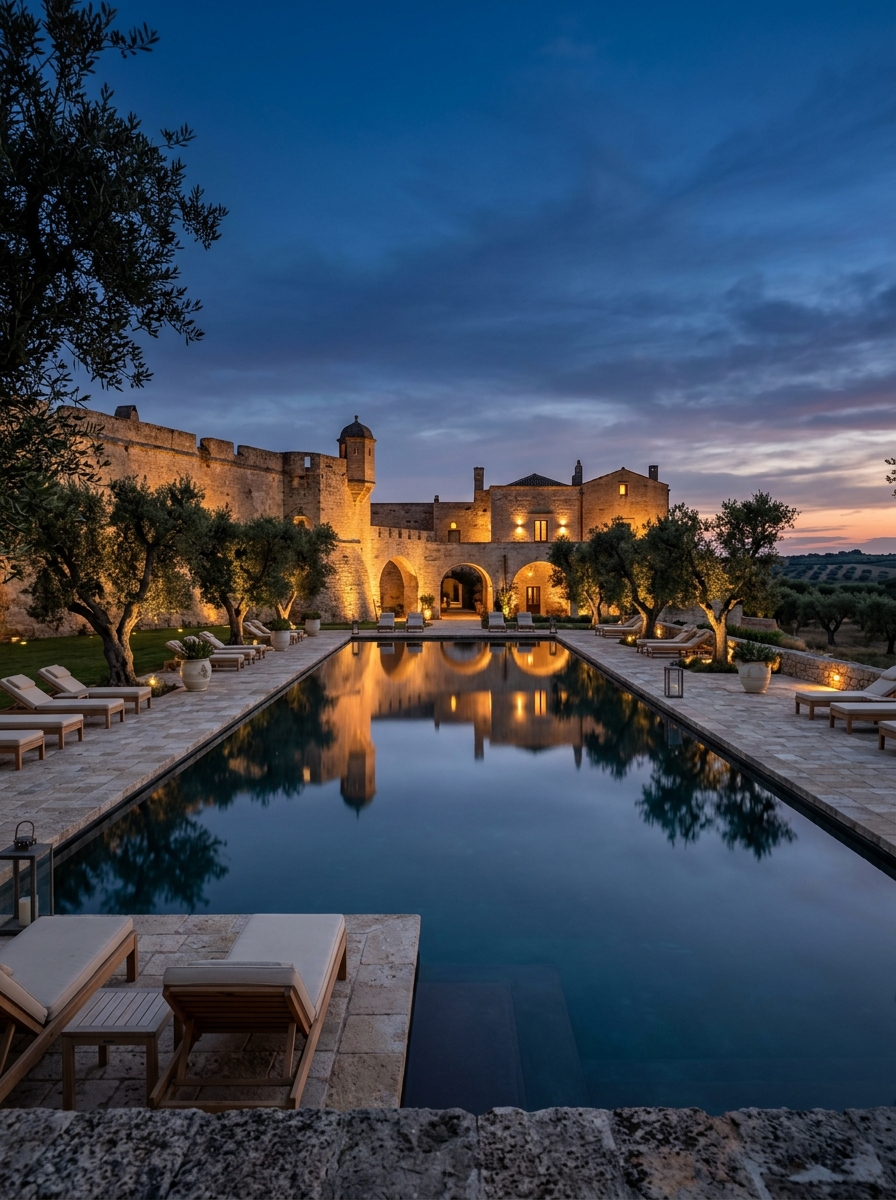
A masseria is a traditional fortified farmhouse, often turned into a hotel today. Staying in one is one of the most authentic things to do in Puglia. Many sit surrounded by olive groves, far from crowds, with pools and home cooked meals included.
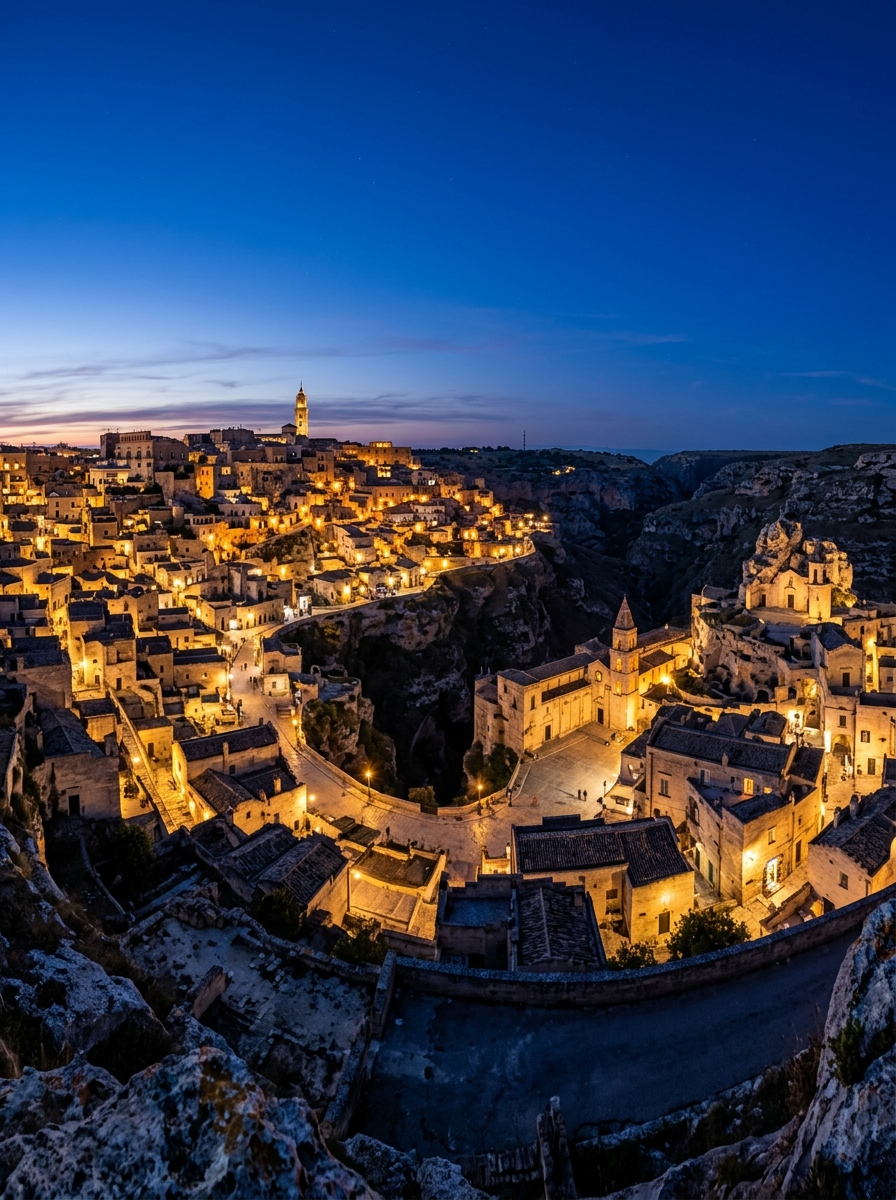
Matera is technically in the neighboring region of Basilicata, but it sits so close to Puglia that most guides include it. This ancient city is carved into cave dwellings called sassi, and it is one of the oldest continuously inhabited places in the world. It pairs naturally with a Puglia trip, the same way a trip through Tuscany often pairs with a stop in Rome, something we cover in our Italy travel budget guide.
This is where we go further than most articles ranking for best things to do in Puglia Italy. These are the practical questions people search right after reading a basic list.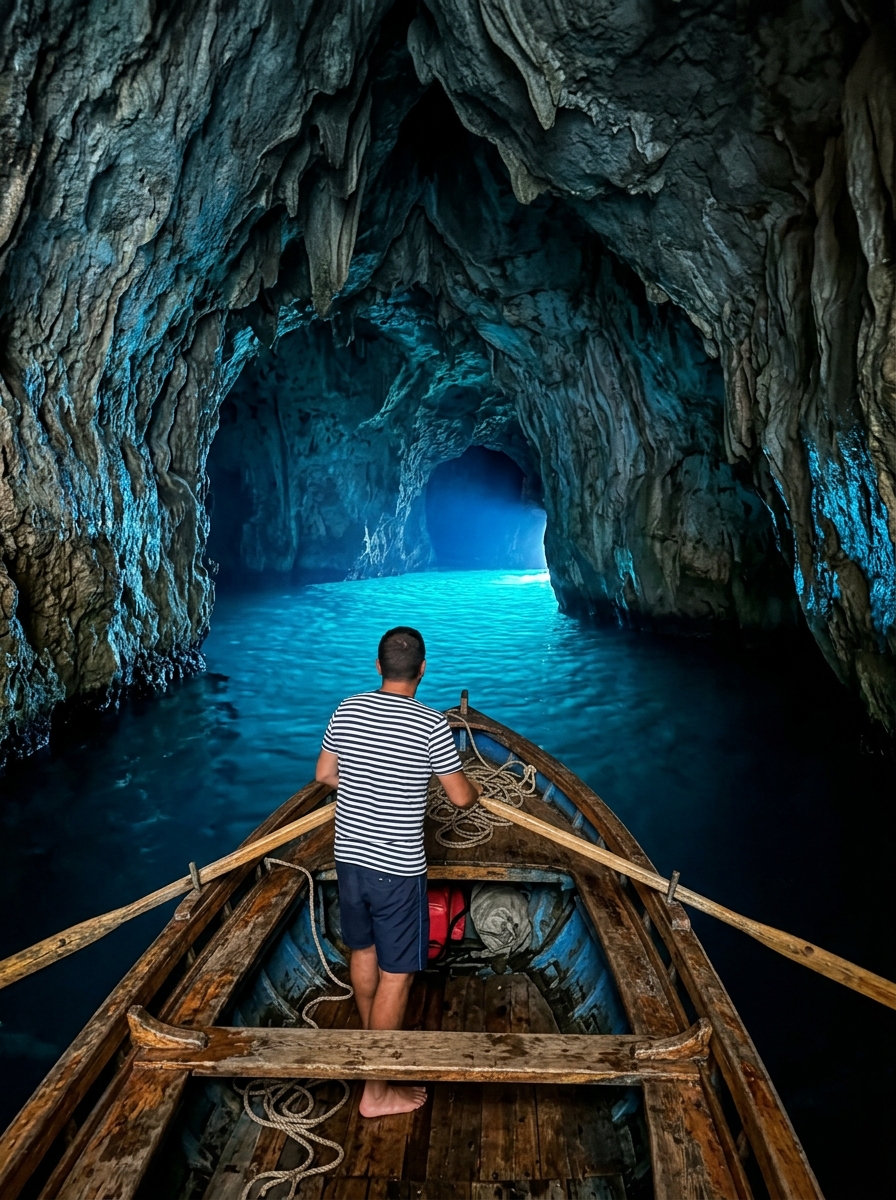
Most guides mention driving but never explain the full picture. Here is the real answer.
If you are used to train travel from a trip like our Rome to Florence train guide, know that Puglia works differently. A car opens up far more of the region.
Beyond “try the pasta,” here is what locals actually eat.
Puglia costs less than northern Italy overall. As a rough daily guide per person, expect around 60 to 90 euros for budget travel including a simple room, meals, and local transport, and 150 euros or more per day for a comfortable trip with nicer hotels and rental cars. Peak summer months push prices higher, which is another reason shoulder season works well.
Puglia is considered a safe region for tourists, including solo travelers. A few small habits help you blend in and enjoy it more.
Puglia means a lot of walking on uneven stone streets, hot sun, and beach days. These four items make the trip easier.
3 days: Alberobello, Ostuni, and Locorotondo, based in the Valle d’Itria.
7 days: Start in Bari for two nights, move to the Valle d’Itria for two nights (Alberobello, Ostuni, Cisternino), then finish in Lecce for three nights with day trips to Otranto and Polignano a Mare.
If you enjoy this style of planning, it is the same approach behind our 3 day Venice itinerary and our Rome itinerary for 3 days, pick a base, then build day trips around it instead of moving hotels every single night.
What is Puglia Italy known for?
Puglia is known for its trulli houses in Alberobello, white washed towns like Ostuni, long stretches of coastline, olive oil, and simple, fresh food like orecchiette pasta and burrata cheese.
How many days do you need to see Puglia?
Five to seven days is enough to see the main towns, beaches, and food highlights. Two weeks lets you explore at a slower pace and add day trips to Matera.
What is the best month to visit Puglia?
May, June, September, and October offer warm weather with smaller crowds. July and August are hottest and busiest.
Do you need a car in Puglia?
A car is the best way to see Puglia fully, since many beaches and small towns are hard to reach by train or bus. Bigger cities are connected by rail if you prefer not to drive.
Is Puglia expensive to visit?
Puglia is generally cheaper than northern Italy. Budget travelers can manage on around 60 to 90 euros a day, while a comfortable trip runs closer to 150 euros a day or more.
Is Puglia safe for tourists?
Yes, Puglia is considered a safe region, including for solo travelers. Normal city precautions apply, such as watching your bags in crowded areas.
What food should I try in Puglia?
Try orecchiette with turnip greens, burrata cheese, bombette, taralli, and focaccia barese. These dishes are specific to Puglia and hard to find made the same way anywhere else.
Puglia is not just a list of pretty towns to check off. It is a slower kind of Italy, built around long meals, quiet beaches, and villages that still feel local instead of built for tourists. The best things to do in Puglia Italy come down to giving yourself enough time to actually enjoy it, not rushing between photo stops.
Whether you have three days or two weeks, pick two or three bases, eat everything you can, and leave room in your plan for a slow afternoon by the sea. That is when Puglia shows you why so many travelers fall in love with it.
For more background on the region and current travel advice, the Lonely Planet guide to Puglia, Wikipedia’s overview of Apulia, and the Expedia Puglia travel guide are useful starting points alongside this guide. You can also read real visitor experiences on Tripadvisor’s Puglia forum, see more town by town detail from Earth Trekkers, and check wine and olive oil tour options through Red Savannah’s Puglia guide.