Many articles list famous castles, but they often miss useful travel tips, historical context, and lesser known gems. This guide goes deeper. You will learn which castles to visit, why they matter, and how to plan a trip around them.
Medieval castles were built mainly between the 9th and 15th centuries. Their purpose was simple:
Defense against enemies
Protection of cities or trade routes
Homes for kings and nobles
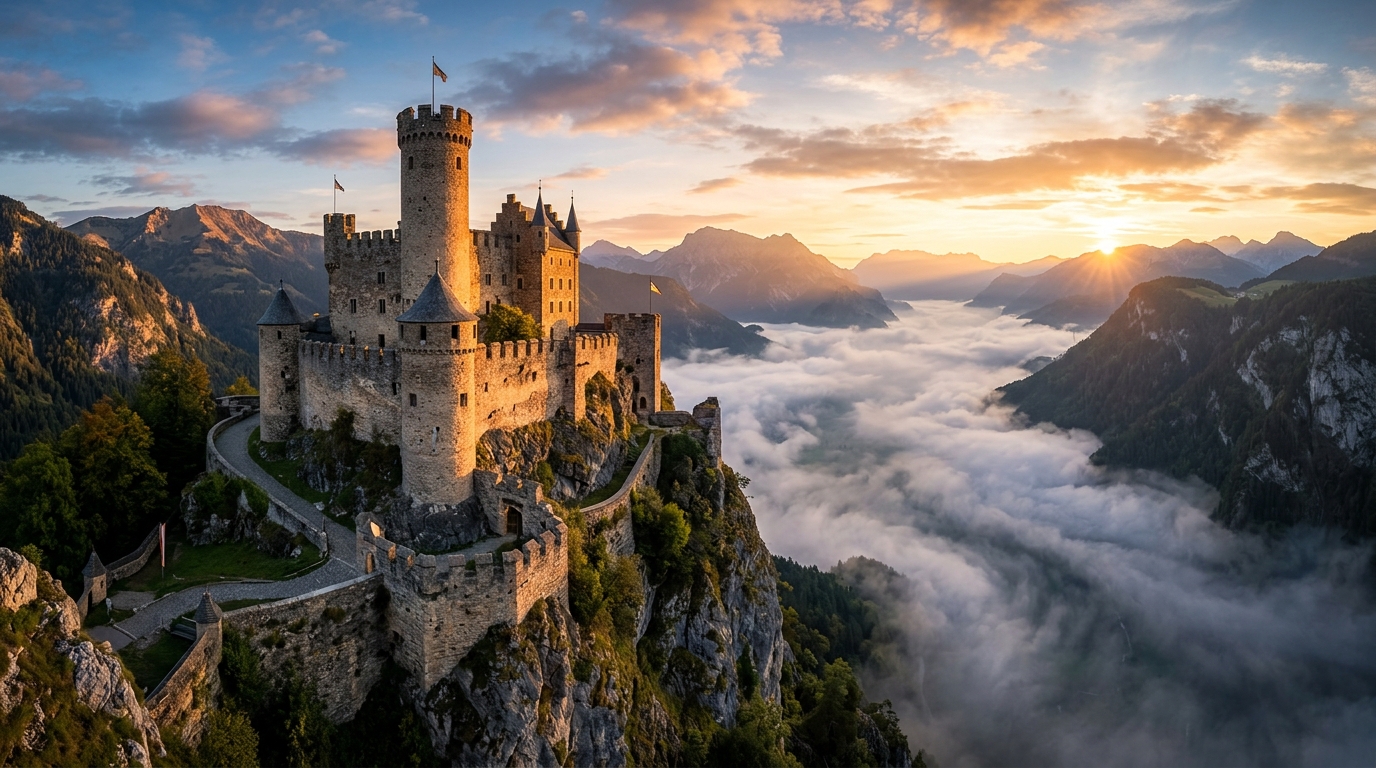
Many castles were built on hills, cliffs, or rivers so attackers could not easily reach them.
For example, Hohensalzburg Fortress in Austria sits high above Salzburg and stretches about 250 meters long, making it one of Europe’s largest medieval castles.
Today these fortresses are some of the most impressive historic places travelers can visit.

Often called Dracula’s Castle, Bran Castle sits in the mountains of Transylvania.
Why it’s special:
Built in the 14th century
Associated with the Dracula legend
Surrounded by dramatic forest and mountains
Now a museum of Romanian history
What travelers love:
Gothic towers and narrow staircases
Secret rooms and hidden passages
Halloween tours and themed events
Travel tip
Visit early morning. Crowds get large after noon.

This castle looks like it came straight from a fairy tale.
Highlights:
Built on a rocky cliff between two rivers
Distinct ship shaped structure
Inspired famous fantasy castles in movies
Best experiences:
Walk the spiral tower staircase
View the city from the tower top
Explore royal halls and armories
Travel tip
Combine your visit with a day trip from Madrid.

Malbork is the largest castle in the world by land area.
Facts:
Built in the 13th century by Teutonic Knights
Constructed with around 30 million bricks
Covers over 140,000 square meters
Why travelers love it:
Massive fortress walls
Museum exhibitions
Beautiful riverside setting
Travel tip
Take the audio guide. The castle complex is huge.

One of the most dramatic Gothic castles in Europe.
Features:
Tall towers and stone bridges
Gothic and Renaissance architecture
Medieval legends and ghost stories
Visitors enjoy:
The massive drawbridge entrance
The knight’s hall
Underground chambers
Travel tip
Visit near sunset for the best photos.

Unlike most castles, Castel del Monte has a unique design.
Key details:
Built in the 1240s by Emperor Frederick II
Famous octagonal shape
UNESCO World Heritage Site
Why travelers visit:
Perfect geometric architecture
Hilltop views across the countryside
Mystery about its original purpose
Travel tip
Visit in spring when the surrounding fields are green.
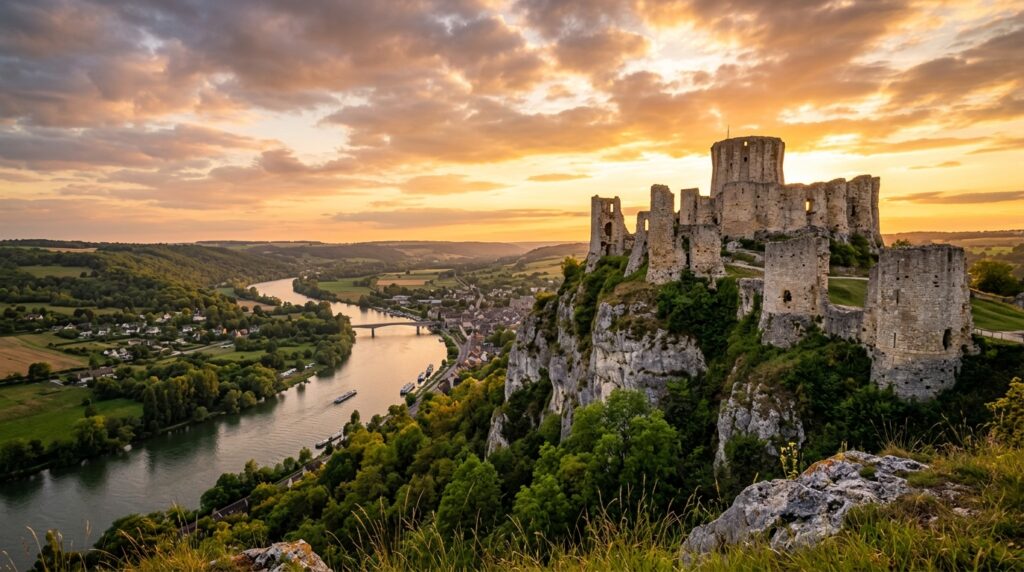
Built by the legendary king Richard the Lionheart.
History highlights:
Construction began in 1196
Overlooks the River Seine in Normandy
Famous for advanced medieval defensive design
Why it’s fascinating:
Powerful military architecture
Stunning river valley views
Historic siege stories
Travel tip
Best visited with a Normandy road trip.
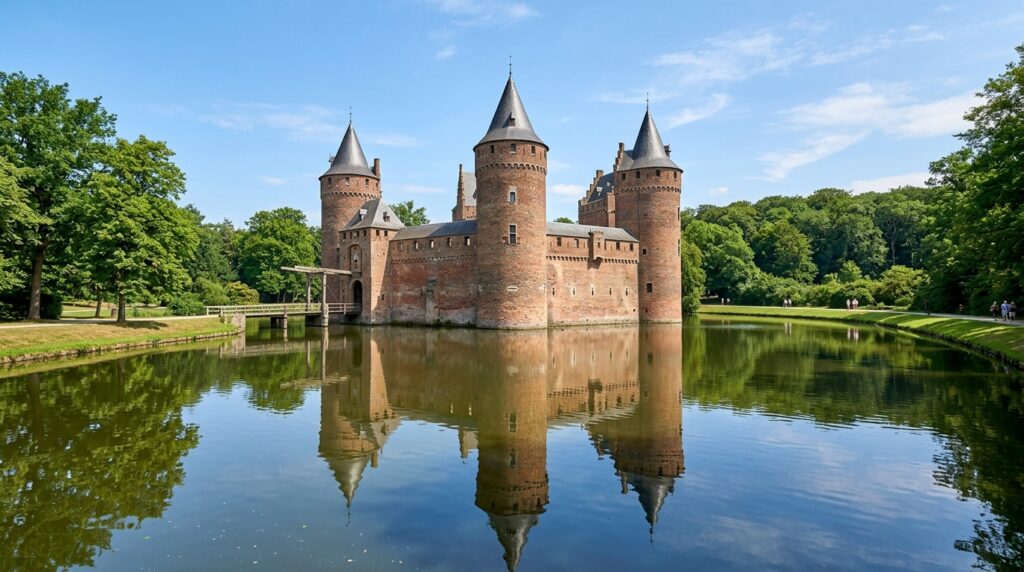
A rare example of a well preserved medieval brick castle.
Features:
Built around 1300
Surrounded by a moat
Three large defensive towers
Why visit:
Authentic medieval structure
Quiet atmosphere compared to famous castles
Beautiful reflection in the water
Travel tip
Combine with a visit to Brussels nearby.
Many articles only list famous castles. They rarely explain how to experience them fully.
Here are experiences travelers should not miss.
Many castles host events like:
Jousting tournaments
Knight battles
Historical reenactments
Medieval food markets
For example, castles in Slovenia host tournaments celebrating medieval history.
Some castles are now hotels.
Benefits:
Sleep inside historic walls
Fewer tourists at night
Unique photography opportunities
Some places have dozens of castles close together.
One famous example is the Rhine River Valley, which has over 40 castles along a 65 km stretch.
Planning ahead improves the experience.
Spring
Early autumn
The weather is pleasant, and crowds are smaller.
Comfortable walking shoes
Camera with zoom lens
Water bottle
Light jacket (castle interiors are cold)

Best times for photos:
Sunrise
Sunset
Foggy mornings
Castles look magical when mist surrounds the towers.

These small items make castle exploration easier.
Lightweight and perfect for day trips through historic towns and castle hills.
Anker PowerCore Portable Charger
You will take many photos. A power bank keeps your phone alive all day.
Rick Steves Europe Through the Back Door Travel Guide
Great for discovering historic castles and hidden towns across Europe.
Germany, France, and Italy have thousands of castles. Germany alone has around 25,000 castle sites and ruins.
Yes. Most famous castles are restored and open to tourists with safety paths and guided tours.
Malbork Castle in Poland is considered the largest castle by land area.
Yes. Many castles have been converted into:
Hotels
Boutique guesthouses
Historic inns
Most visitors spend 2 to 3 hours exploring a castle and nearby town.
Large castles like Malbork may take half a day.
Medieval castles are more than tourist attractions. They are living pieces of history. Each fortress tells a story of kings, wars, and centuries of survival.
Whether you stand inside Bran Castle, climb the towers of Alcázar of Segovia, or explore the massive halls of Malbork Castle, you are stepping into the world of the Middle Ages.
For travelers who love history, architecture, and dramatic landscapes, visiting medieval castles is an unforgettable journey.