
 Why the Lake District Is Built for Nature Lovers
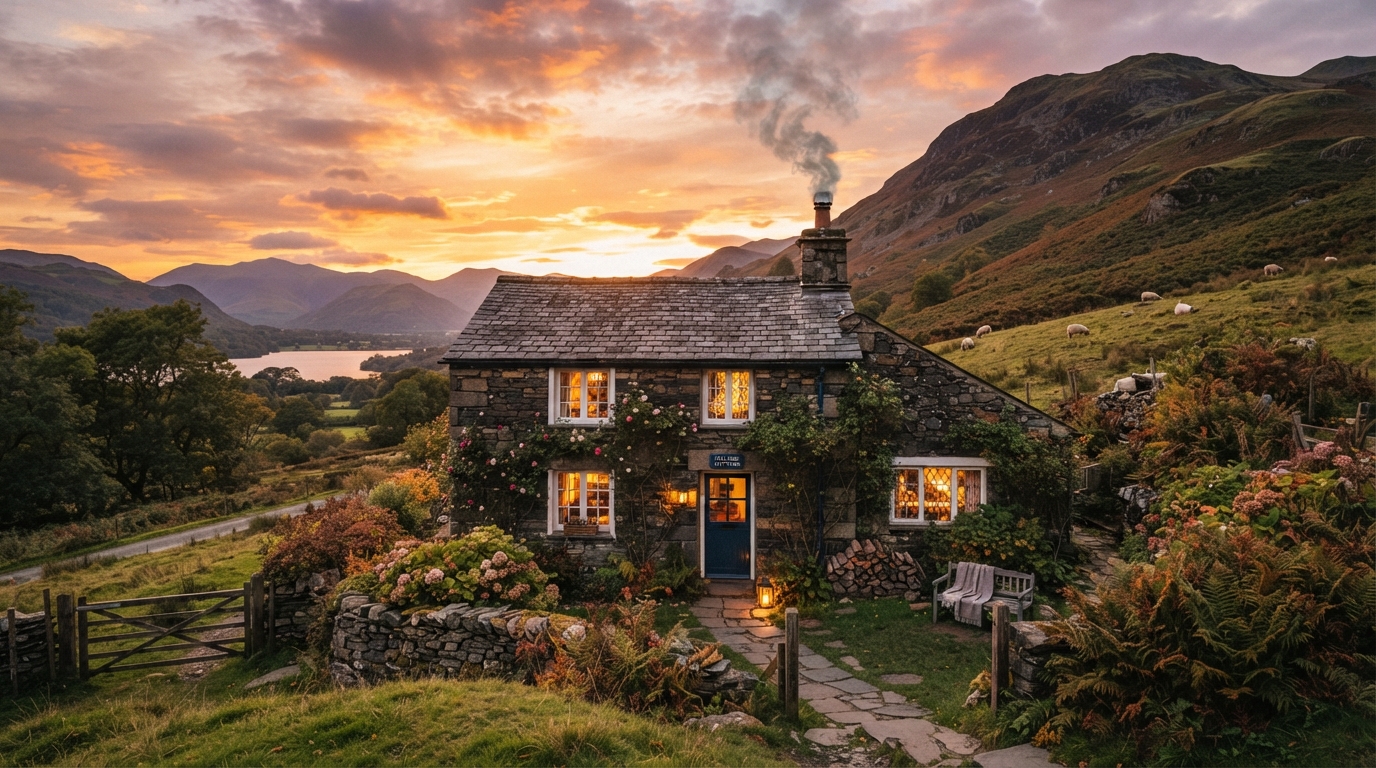
Covering 912 square miles of Cumbria, the Lake District is England’s largest national park and a UNESCO World Heritage Site, home to more than two hundred fells and sixteen major lakes. Few places in England pack this much variety into one region: mountain summits, still water, ancient woodland, and open moorland, all within a short drive of each other.
By car A car gives the most flexibility, since many trailheads and quieter lakes sit outside the main towns. Roads through the fells are narrow and winding, so allow more driving time than the map suggests.
By train and bus The nearest main line station is Windermere, reachable from Oxenholme on the West Coast line. From there, local buses run to Ambleside, Grasmere, and Keswick. Check current routes on [Stagecoach in Cumbria](https://www.stagecoachbus.com/regions/cumbria and north lancashire) before you travel, since rural timetables shift with the season.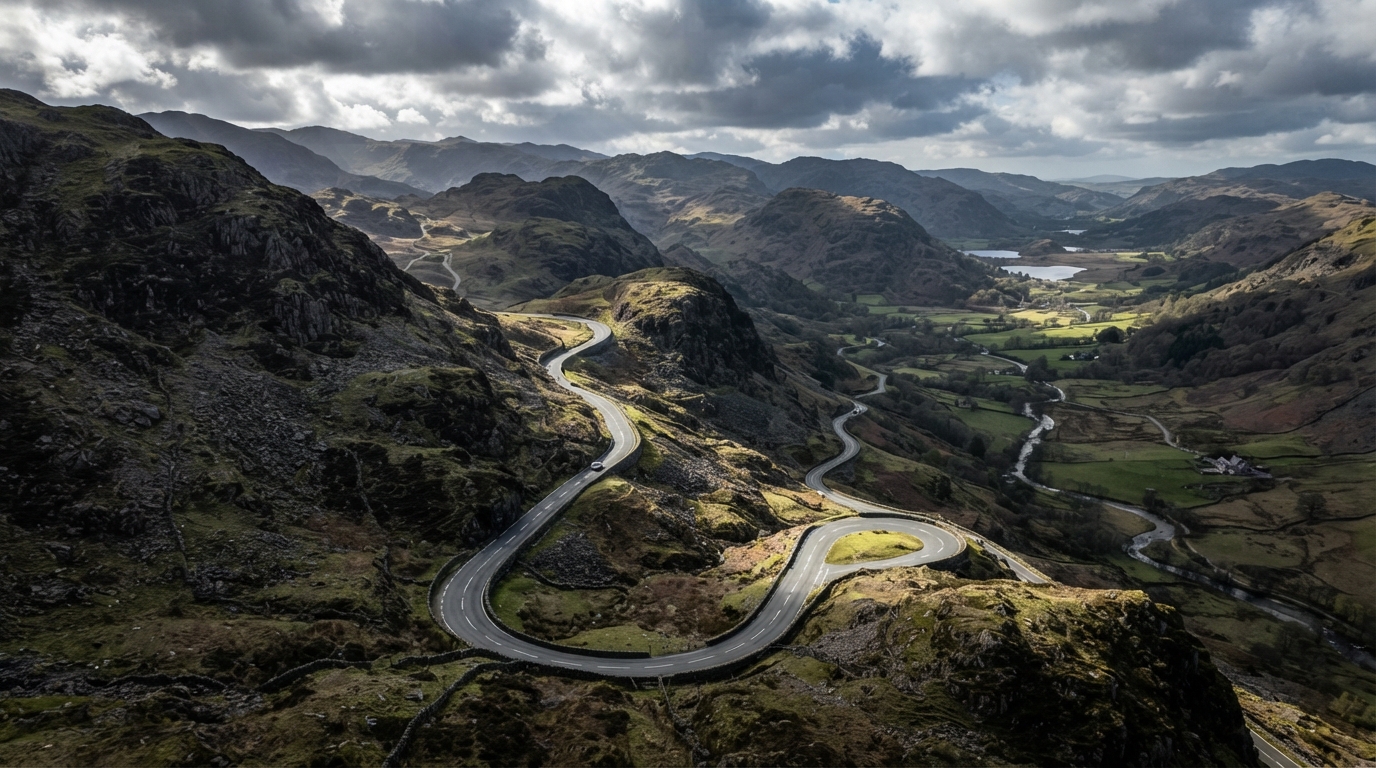
Matching the hike to your fitness level matters more here than almost anywhere else in England. Underestimating a fell walk is one of the most common mistakes first time visitors make.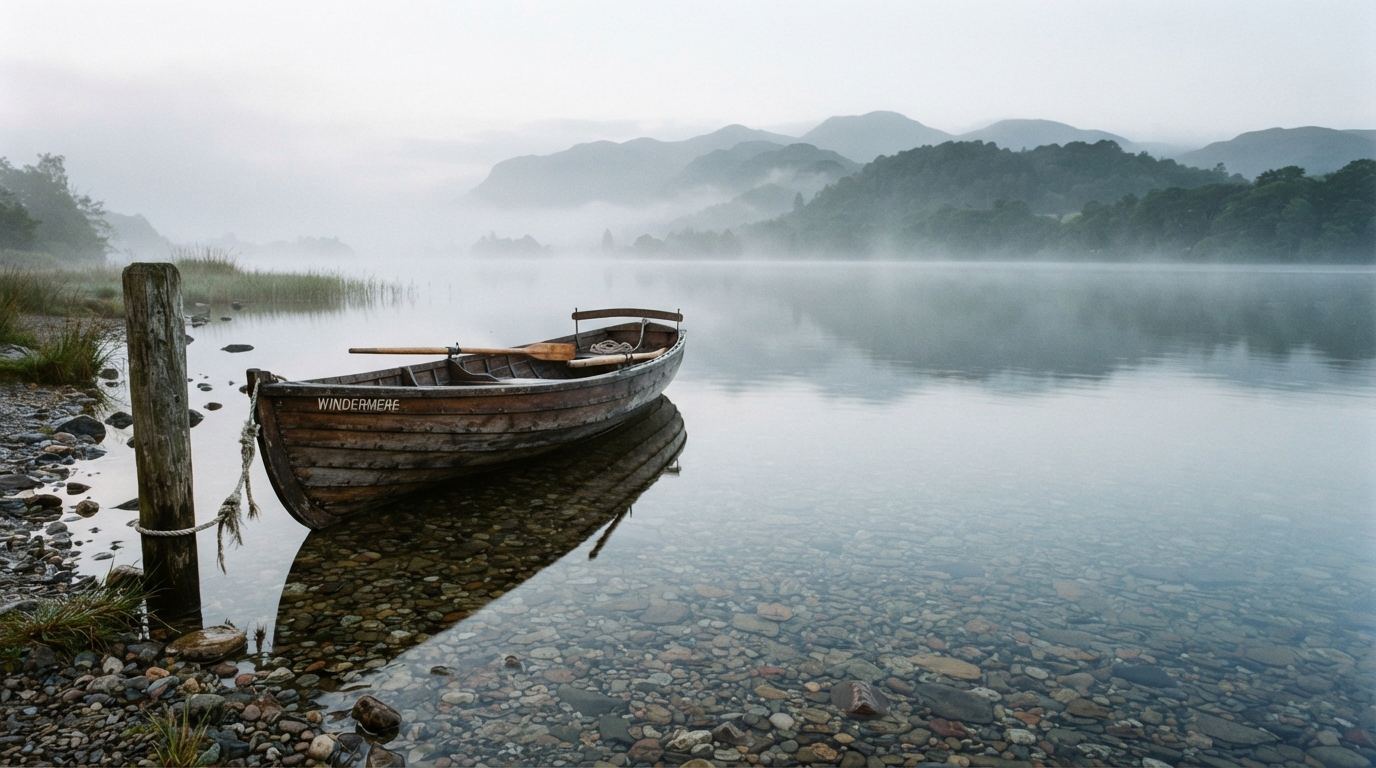
Windermere, England’s largest natural lake, offers boat cruises, sailing, and paddleboarding for those who want to experience the water without a serious hike. Derwentwater, near Keswick, is quieter and especially good for kayaking, with Catbells rising directly behind it for anyone who wants to pair a paddle with a short climb. Ullswater, often considered the most scenic of the lakes, has a steamer service that lets you take in the views without any hiking at all.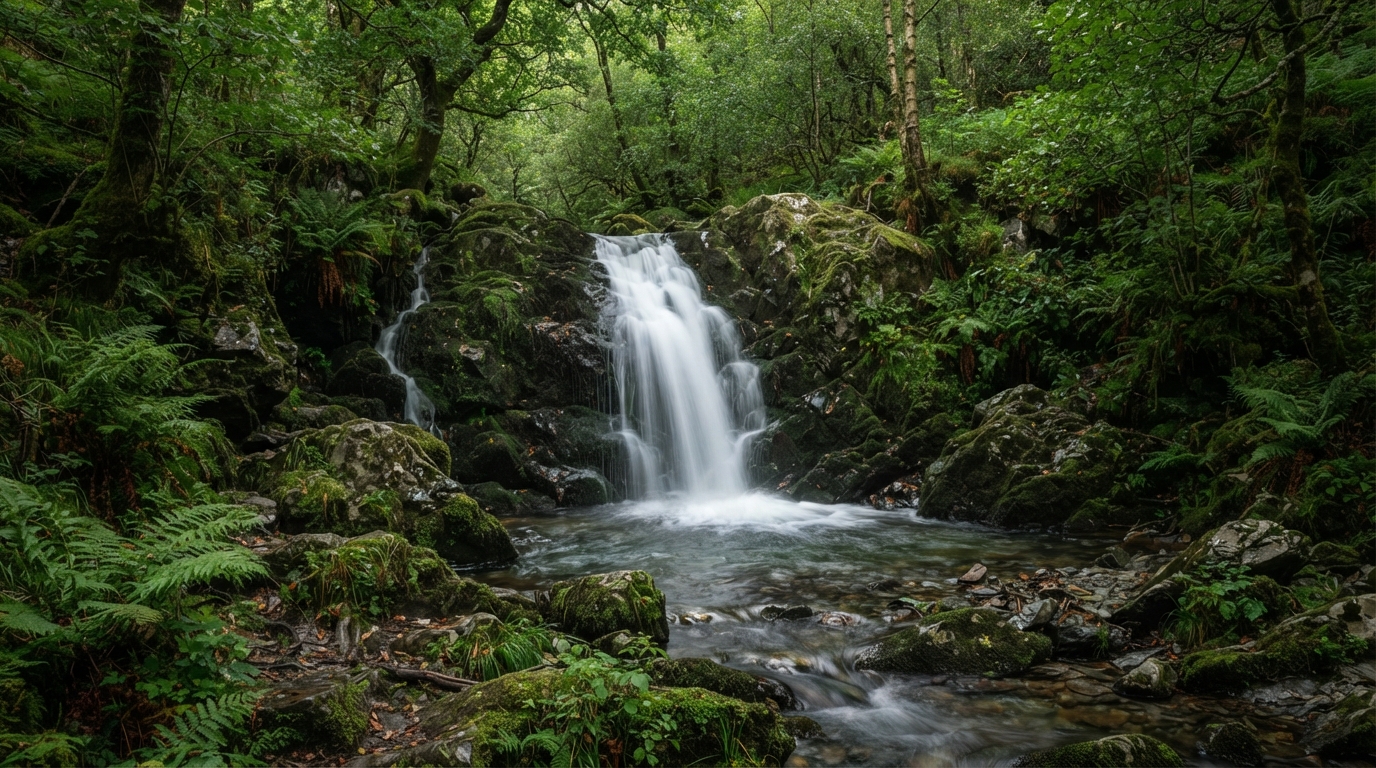
Aira Force, near Ullswater, is the most visited waterfall in the region, with a well maintained woodland trail leading to a dramatic sixty five foot drop under a stone bridge. For something quieter, Scale Force, tucked away near Buttermere, requires more effort to reach but rewards visitors with far fewer crowds. Both are managed in part by the National Trust, which maintains the paths and provides current access information.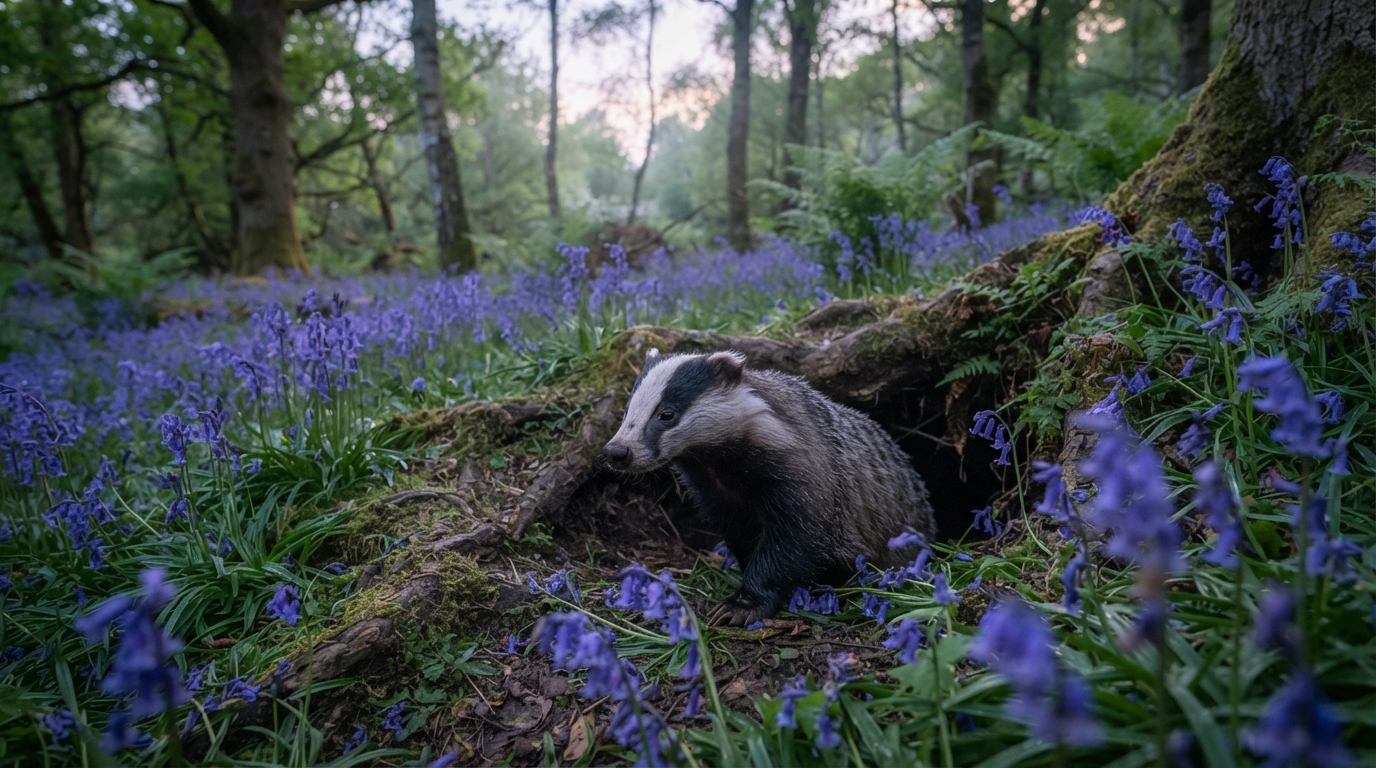
Red squirrels, one of Britain’s rarest native mammals, still survive in pockets of woodland around Ullswater and Whinlatter Forest. Ospreys nest near Bassenthwaite Lake in summer, with viewing points set up during nesting season. Rannerdale is worth a spring visit for its bluebell displays rather than wildlife directly, but the surrounding valley also supports red deer in the quieter months.
Keswick works well if hiking, watersports, and waterfalls are your priority, since Derwentwater, Catbells, and several fells sit within easy reach. Ambleside and Grasmere suit a slower pace, with gentler walks and easy access to Windermere. If wildlife is the main goal, staying closer to Ullswater or Bassenthwaite puts you nearer the ospreys and quieter woodland trails.
Weather in the Lake District changes quickly, and a clear morning can turn wet by afternoon. Lower level woodland walks, like the trail to Aira Force, hold up better in rain than exposed fell walks. Indoor options exist, but for a nature focused trip, shifting to a sheltered valley walk or a boat cruise on a covered vessel keeps the day outdoors without the exposure of an open fell.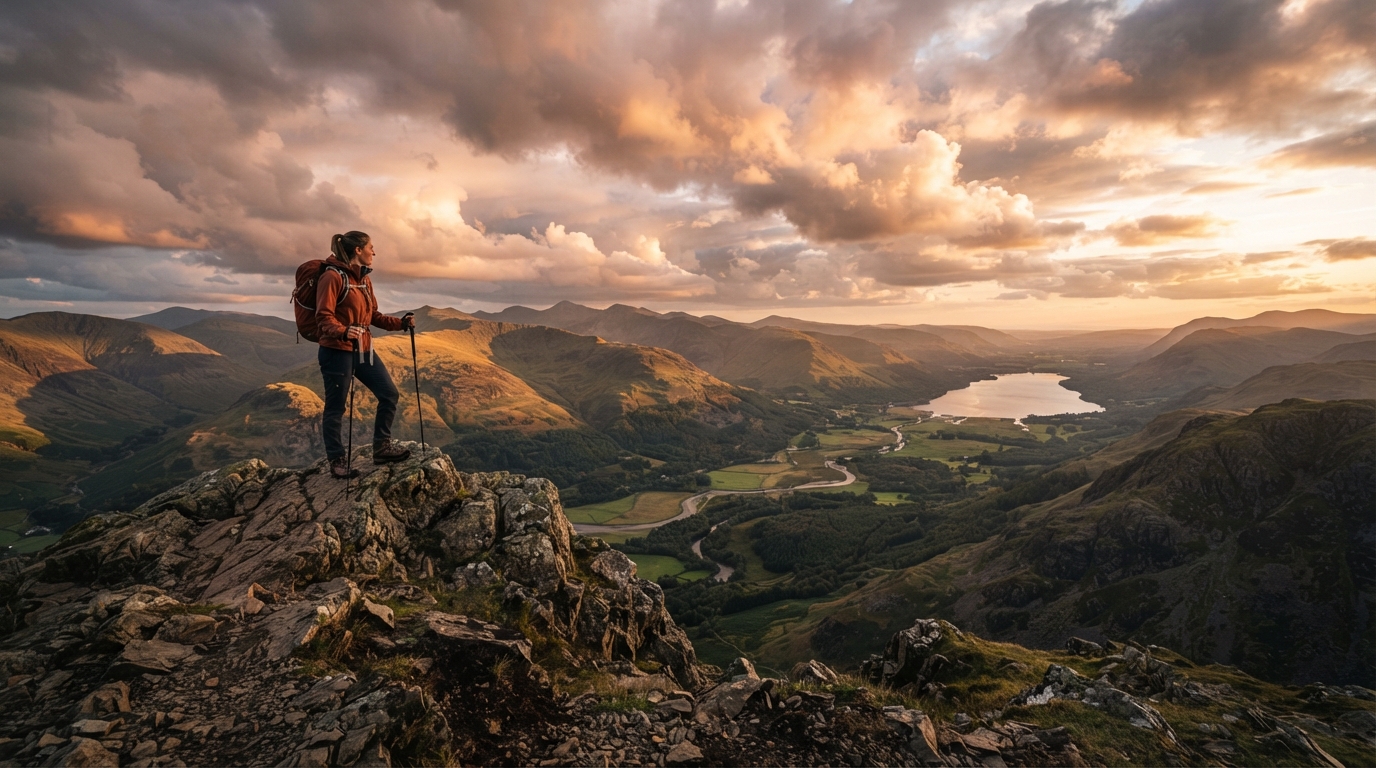
Spring brings bluebells and nesting ospreys, along with fewer crowds than summer. Summer offers the longest days and the widest range of open trails, but also the busiest car parks and villages. Autumn brings color across the fells and cooler hiking conditions, while winter suits lower valley walks more than summit attempts, since higher fells can hold snow and ice well into the season.
The best things to do in the Lake District for nature lovers go well beyond a quick photo at Windermere. Matched to the right hike, the right lake, and the right season, this region offers some of the most rewarding outdoor experiences in England. Pick activities that suit your fitness level, keep an eye on the weather, and the Lake District will deliver exactly the kind of nature trip this keyword is really searching for.
If you are building a wider England countryside trip, our guide to a day trip to Windsor covers another nature friendly escape with the Great Park and Savill Garden, and our roundup of castles and palaces across England, Scotland, and Wales has more ideas if you want to mix history into your outdoor trip. For packing the right layers for changeable fell weather, our travel accessories guide covers a few practical extras worth bringing along.
For current trail conditions and access information, the Lake District National Park Authority is the best place to check before you go. The National Trust manages several of the waterfalls and woodlands mentioned above, and VisitBritain has a good regional overview if you are still deciding where to focus your trip. The region’s UNESCO World Heritage listing explains more about what makes the landscape so protected, and National Rail has current timetables if you are arriving by train.
What is the best hike for beginners in the Lake District?
Catbells and Loughrigg Fell are both approachable for beginners, with clear paths and rewarding views without the full day commitment of Scafell Pike.
Where can you see wildlife in the Lake District?
Red squirrels survive around Ullswater and Whinlatter Forest, and ospreys nest near Bassenthwaite Lake during summer, with dedicated viewing points during nesting season.
Is the Lake District good for a weekend nature trip?
Yes. A weekend is enough to combine one hike, one lake based activity, and one waterfall walk, especially if you base yourself in Keswick or Ambleside.
What should you do in the Lake District if it rains? Lower level woodland walks, like the trail to Aira Force, and covered boat cruises on Windermere or Ullswater both hold up well when higher fells are not a safe option.
What is the best time of year to visit the Lake District for nature?
Spring offers bluebells and nesting ospreys, summer gives the widest trail access, and autumn brings color across the fells with fewer crowds than peak summer.