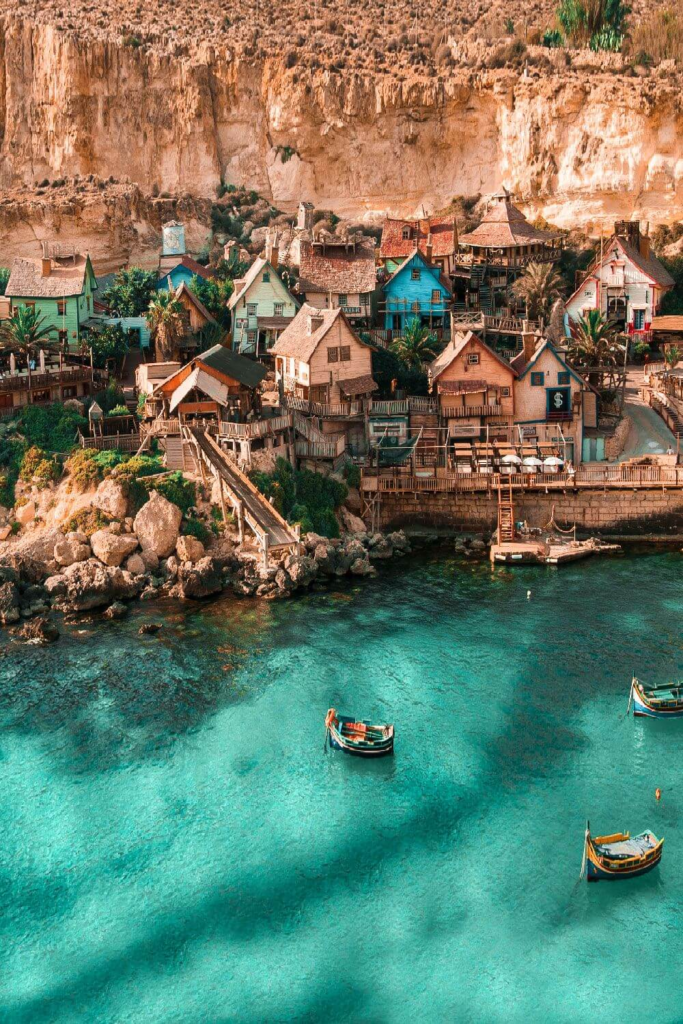
My 2008-2009 study abroad taught me to appreciate the geological features, celebrations, and quirky destination details that make Malta unique.
Malta is a stunning Mediterranean destination known for its rich history, beautiful beaches, and vibrant culture. Before you go, make sure to explore its historic sites, pack for warm weather, and familiarize yourself with local customs, currency (Euro), and transport options. Don’t miss iconic spots like Valletta, Mdina, and the Blue Lagoon.
Returning in 2019, nearly 10 years later, I found the city hip, with a fresh facelift, new gate, and expanded archaeological sites, yet the tiny, compact island packs a surprising amount of things to visit, making it the tenth smallest country in the world. Whether it’s your first time or a return trip, planning with tips for pre-departure preparation helps you get around the friendly, English-speaking population, and explore both old and new places that are relaxed, convenient, and filled with pleasures. Every nation, every archipelago, offers experiences to travel, know, and need, from leaving behind routines to finally finding your way, made easier by several expanded options and learning what seems, maybe, changed, or what one knows.
HAARLEM TOP SPOTS EVERY FIRST-TIMER NEEDS TO VISIT; CLICK HERE
When exploring Malta, it’s fascinating to realize that this archipelago isn’t just one island but a combination of islands, including Comino, Gozo, and the mainland Malta itself, each configured with its own charm and location.
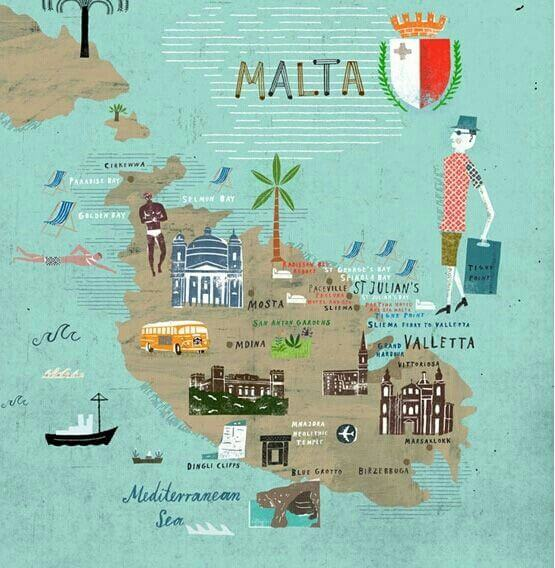
During my travels, taking boat tours between the main and neighbouring islands gave me the best way to see everything the archipelago has to offer, from the small yet tremendous amount of sites to do and explore. Valletta, the capital, is a UNESCO World Heritage Site and a must-visit for history buffs, and planning your time wisely allows you to give yourself the chance to experience the plenty of geographical features this island packs, making every trip definitely enjoyable.
Malta has a colourful history shaped by the Phoenicians, Carthaginians, Byzantines, and Romans, and the Maltese islands are full of stories from these times. The knights of the Order of St John ruled Malta for many years before the French and then the British came, and the republic was established in 1974.
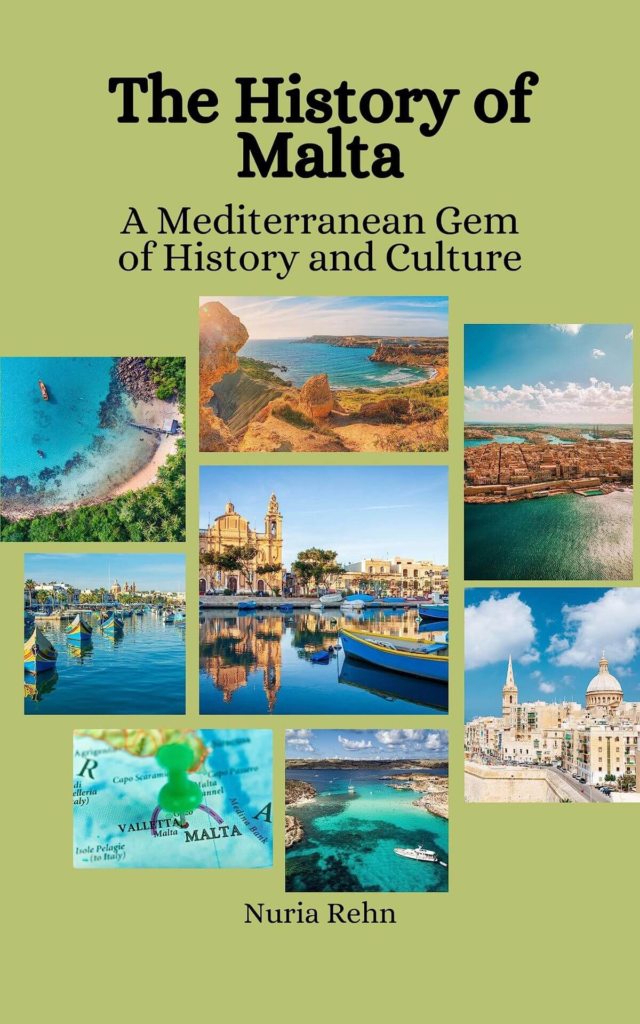
You can learn about this rich legacy at the St John’s Co-Cathedral in Valletta, or wander through the walled city of Mdina to discover medieval past, observe the influences of an eventful history, and see how the island came together over time. Visiting these sites allows you to truly break away into around the centuries and feel how Malta became what it is tod
During my stay in Malta, I quickly realized that while a week spent lying horizontally on a sun-lounger seems relaxing, the best way to discover the wealth of culture is to venture out and explore. Everyone travels by car, so traffic can get heavy, especially during rush hours like 7-9 am and 3:30-6 pm, or when you need to reach the airport.
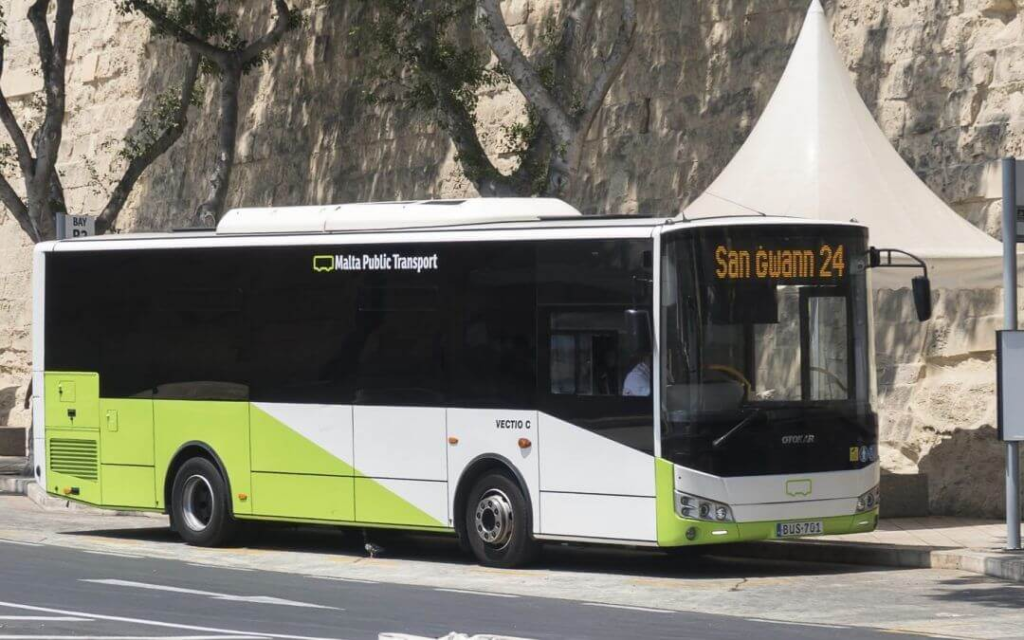
You won’t necessarily hire a car because hopping on a bus is a great way to get around the island for a two-hour ticket costing only €1.50, making it economical. For more convenience, conventional taxis or ride-hailing apps like Bolt and Uber operate across the island, giving travelers multiple options to choose and plan their initial trip smoothly while enjoying the offer of the island.
If you’re wondering what are the best things to do in Malta, I highly recommend exploring Malta and Gozo for their stunning archeological sites like Mdina, Citadella, and the ancient temples of Ħaġar Qim, then catching a festival such as Birgu Lights or Notte Bianco for vibrant local culture; for adventure, try scuba diving, rock climbing on seaside cliffs, or hike through nature, and don’t miss swimming at a beach, whether it’s rocky, low cliffs, or sandy beaches; enjoy Valletta after dark, sip wine on the steps of bars in this UNESCO world heritage site, or take a boat tour to the Blue Grotto or Blue Lagoon; for food, grab a pastizzi, especially the cheese pastizzi, and visit Guadalupe boat bar and bistro in Sliema harbor, while the Marsaxlokk fish market and St.
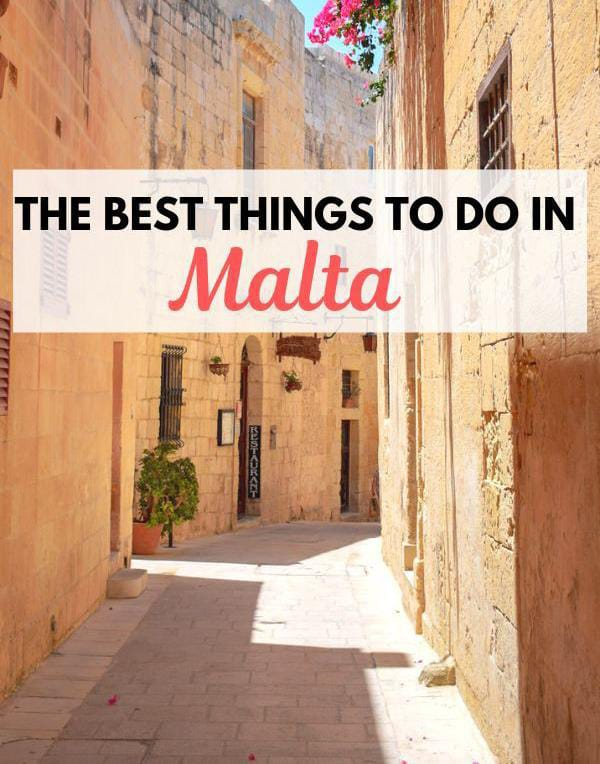
Peter’s Pool offer sunbathing, lunch, or dinner at a seafood restaurant like Tartarun; many people will recommend certain spots, but in my opinion, it’s not always worth going out of your way, so if you catch some hidden gems, cool, otherwise don’t sweat it—just enjoy the day.
If you’re planning a trip to Malta, the ideal period is September and early October when tourists are fewer and the weather is still warm enough to swim during the day. I personally love early fall, especially when events like Notte Bianco and Birgu Lights Festival take place.
Gozo can get a bit windy, so pack accordingly. While the summer months are the most popular for visitors seeking sunshine and swimming, late April and May also offer good times with warm up temperatures and a lower influx of tourists. A detailed tip is to check an in-depth guide to choose the best time to visit and enjoy the island fully.
If you’re planning to travel to Malta, a quick weekend getaway can be tempting, but the best way to truly explore the entire country is to spend 4-7 days, making sure to also visit Gozo. You could even extend your trip into a 10-day adventure and take it at a more leisurely pace.
For those staying more than 4 days, I personally suggest booking 1-2 nights in a traditional Farmhouse on the rural sister island, rather than treating Gozo as a simple day trip, so you have ample time to see the smaller sights even beyond what most people do, giving you a richer experience of Malta’s charm.
When traveling to Malta, the summer can be hot while the rest of the year is more mild, so it’s smart to pack according to season; in fall and winter, sea winds can make windy conditions tricky, so a windbreaker for October to April and January, the windiest month, is essential.
An umbrella is handy because rains can come hard and fast, but if you wait for the shower, you’ll stay prepared, and a Repel Windproof umbrella ($23) can stand up to strong gale force winds. Don’t forget a swimsuit and sunscreen, plus comfortable sneakers, like fashion Keds, for light hiking and exploring town, though intense boots aren’t necessary. A light sweater keeps you cozy during cool evenings by the ocean.
If you’re wondering where to stay in Malta, my top area recommendation is Valletta, the capital, where you can fully enjoy Malta’s ancient history and architecture. Some of the best hotels include Casa Ellul (luxury) and Valletta Vintage (boutique), offering a unique ambiance compared to newer developments.
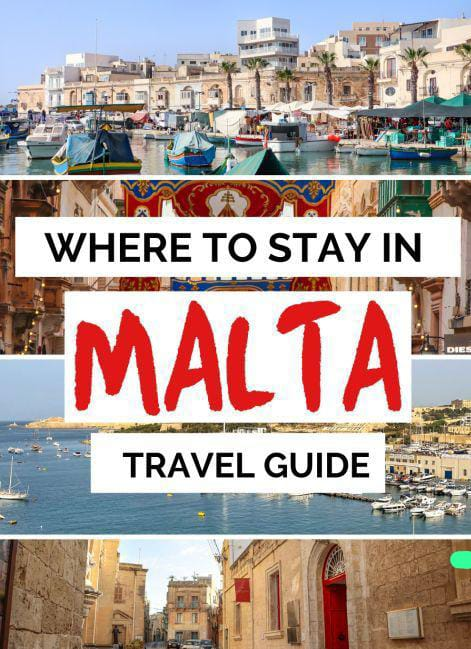
While affordable beachfront options are available across the bay in St. Julians or Sliema, staying in Valletta gives you easy access to the nightlife and a growing selection of delicious restaurants. My favorite part is enjoying Valletta after dark, sipping cocktails on the steps outside bars, snacking on olives, and soaking in the historic vibe, while Sliema is just a 10-minute ferry ride away.
Malta is surprisingly affordable compared to many other European destinations, and you can spend as little as $60 per person per day if you’re careful. For mid-range travelers, a budget of $100-$120 per day covers food, drinks, accommodation, and activities, though you could always splurge on a stay at Casa Ellul or The Phoenicia Malta.
Flights from Europe can be low at around 20 euros each way on budget airlines like RyanAir, and if you’re coming from the United States, consider booking a ticket to a hub city like Paris, London, Dublin, or Milan, then catching a leg to Malta via AirMalta or RyanAir separately for the best price. Overall, travel, trip, flight, airfare, expenses, daily, average, cheap, economical, reasonable, airline, hub city, international, connection, layover, travel plan, itinerary, vacation, journey, ticketing, transport, airline carrier, travel tip, budget-friendly, price range, booking strategy all make Malta a very manageable cost for a vacation.
Getting around Malta is generally easy, though it can take longer than expected to traverse this tiny island due to traffic. The busses are reliable, with the entire bus system being new and updated. In Valletta, the main bus terminus recently got a major facelift with well-marked bus stops, making it simple to plan your trips. If you’re taking the bus often, using a card to tap on and tap off is the most efficient way. I found Google Maps to be a reliable way to figure out what bus to take and when.
For longer trips or exploring Gozo or the north end of Malta, renting a car is often the best option, but it’s not necessary for your entire stay. Parking can be tricky on streets in Valletta or Sliema, so sometimes it’s easier and cheaper to take a taxi from the airport to your hotel. The easiest places to rent a car outside of the Malta airport include the Budget rental car station at St. Julians Hilton, which is only open until 1pm or 12:30pm on Saturdays, so plan accordingly. For trips to Gozo, you can save money by taking a bus to the ferry terminal and then renting a car on the Gozo side through Avis at Mgarr Harbor.
Since 2022, taxis and rideshares have become more convenient. Uber is now on the island, and there’s also a local equivalent called eCabs (available to download on Android or iPhone). The service is fast, though sometimes you may need to wait 15 minutes for the car to arrive, so plan accordingly. If you prefer an old school taxi, it’s very easy to flag down one on the side of the road. Most major areas such as the airport or the entrance to Valletta have a taxi stand—just approach the stand, tell the destination, pay, and hand the receipt to the taxi driver.
Before my trip, I wish I knew that Malta is generally a very safe country to visit, but even in busy tourist areas, petty crime can sometimes occur, so it’s important to take precautions to protect yourself and your belongings, don’t leave valuables unattended, always watch out for pick pockets in public areas, and make sure to have travel insurance for your possessions to enjoy the trip worry-free.
When traveling to Malta, don’t pack Stunning Devices, Workmen’s tools, or Liquids over 100ml in your hand luggage. Avoid Firearms, Objects with a sharp point, sharp edge, Explosives, Incendiary Substances, Devices, or Blunt Instruments, as these are strictly prohibited and can cause delays at the airport.
Malta is generally considered friendly and welcoming to Americans, with many choosing to move for its high quality of life and sunny climate. The English-speaking society, strategic location, and multicultural island culture make daily communication easy for visitors, residents, and newcomers, while Maltese hospitality is deeply ingrained and supported by a large expat community.
When in Malta, it’s best to avoid driving if possible, as the rudeness and stupidity of some drivers can be surprising. Using public transport is a safer option, but even then, it’s wise not to rely on bikes, motorcycles, or mopeds for getting around. Always stay alert, expect the unexpected, and don’t underestimate how fast situations on the road can change.