
During two months of traveling to Mexico, moving between Mexico City with its art, art culture, and vibrant food scene, and Oaxaca with its famous mezcal scene, I understood the power of local culture and rich cultures. The world-class food alone—tacos, tostadas, tamales, sopas, seafood, mole, and other traditional dishes from a long list of Mexican food, traditional cuisine, delicious food, and food culture—can make you fall in love and still leave wanting more. This vacation destination helps you avoid touristy towns, save money, and truly discover an unforgettable adventure, giving you everything you need to know about visit planning, time planning, adventure, cultures, people, culinary scene, and why this destination always calls you back.
ESSENTIAL MEXICO BEACH PACKING LIST : CLICK HERE
Mexico is a vibrant destination offering incredible food, diverse places to stay, and endless things to do, from historic cities and beaches to cultural experiences and nightlife, making it perfect for every type of traveler.
Set in a valley surrounded by craggy mountains in southwestern Mexico, Oaxaca and its surrounds feel timeless, a place inhabited for thousands of years by indigenous Zapotec and Mixtec peoples, which gives the city its strong sense of culture, heritage, and indigenous culture. Walking past colorful buildings, street art, historic Spanish colonial churches, historic buildings, and cobblestone streets, with green parks in between, I felt how history, colonial history, architecture, and urban culture blend naturally here.
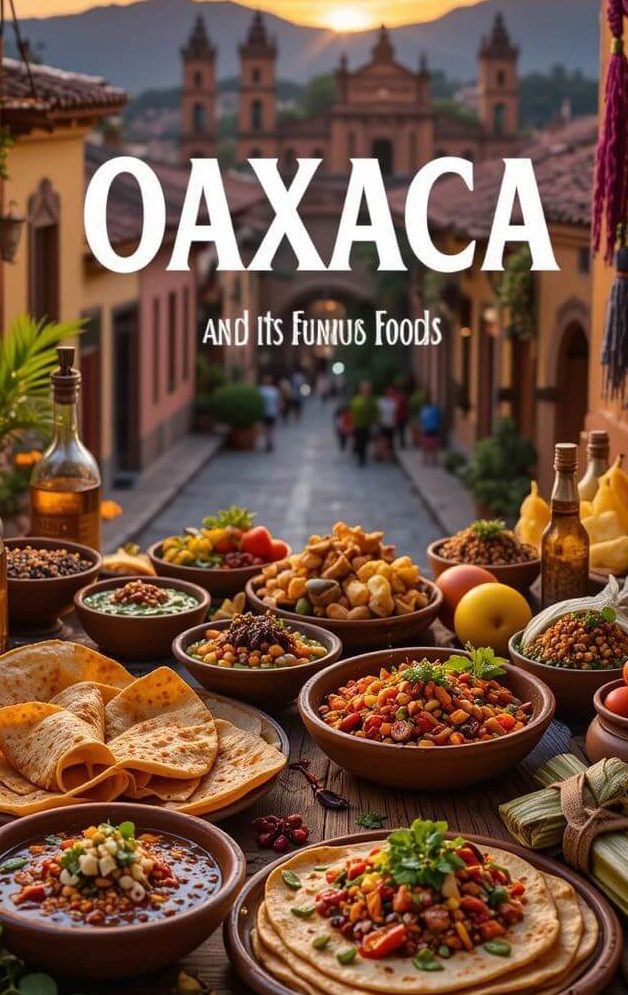
The city stands at the center of heritage tourism and tourism, known as one of Mexico’s gastronomic hotspots and a major hub of mezcal production, where mezcal, gastronomy, and a lively food scene come alive in scenic rooftop restaurants, rooftop bars, markets, and bustling markets. With museums, fascinating museums, rich landscapes, dramatic mountains, unforgettable delicious food, and deep-rooted culture, Oaxaca truly offers something for everyone, making it a memorable travel destination—I genuinely loved my time there in Mexico.
Found in the Valley of Mexico at an altitude of around 2,225 meters (7,300 feet), Mexico City is a sprawling, chaotic, messy city in the best way possible, and that energy is exactly what I felt while walking its streets. Originally built over a lake, the city surprises you with 150 world-class museums, endless museums, sprawling markets, lively markets, tons of historic buildings, open city squares, and a vibrant historic center anchored by an impressive main square—with the only one bigger in the world being Red Square in Moscow. Head south to explore a network of beautiful canals, peaceful canals, and plan a 45-minute drive away to Teotihuacan, the legendary City of the Gods. Add an incredible foodie scene, buzzing foodie scene, status as one of the best food cities, a rich food scene, and my advice is simple: come hungry.
Along Mexico’s Pacific Coast on the Pacific Coast of Mexico, vacation spots like Puerto Vallarta, Los Cabos, and Sayulita feel just as exciting as the Caribbean Coast, offering epic beaches, golden beaches, stylish resort properties, and laid-back resorts. You can go to Puerto Vallarta or Los Cabos to hang out on pristine white sandy beaches, or head to Sayulita to explore the busy surf scene, where the surf scene stays lively and you can surf or try watersports. I liked to visit nearby historical monuments and check out colorful local art by day, then switch gears by night with sunset cocktails, fresh shrimp tacos, and seafood skewers, before you simply enjoy the rhythm and salsa the evening away.
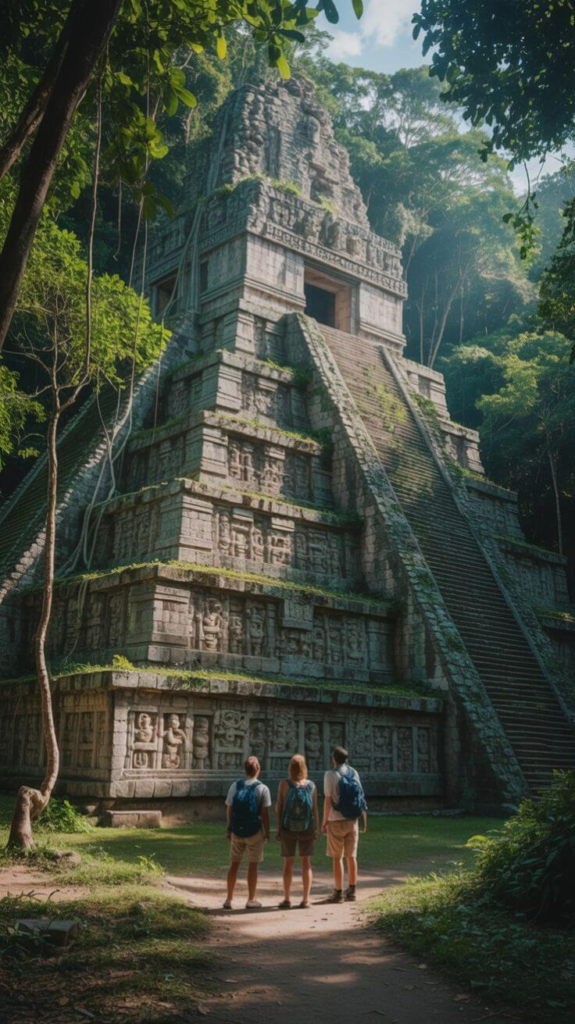
Mexico is filled with ancient Mayan sites and unforgettable Mayan ruins, from the most popular and largest landmark, Chichén Itzá, which dates back to 550 CE, to coastal ruins like Tulum and deep-jungle treasures such as the Palenque Archaeological Zone, Calakmul ruins, and Ek Balam. Traveling through these ruin sites, I realized there are so many more stories carved into stone across the country, and you truly don’t miss the depth of history when you are here, because each stop feels like stepping into a living past shaped by time and place.
Mexico has over 30 active volcanoes, and some of the best to explore are truly unforgettable, especially the volcano Volcán Paricutín, a 2,800-meter (9,186-foot) giant that is less than 80 years old and literally emerged from the ground between 1943-1952 near Uruapan, which makes hiking there feel like walking through living history.
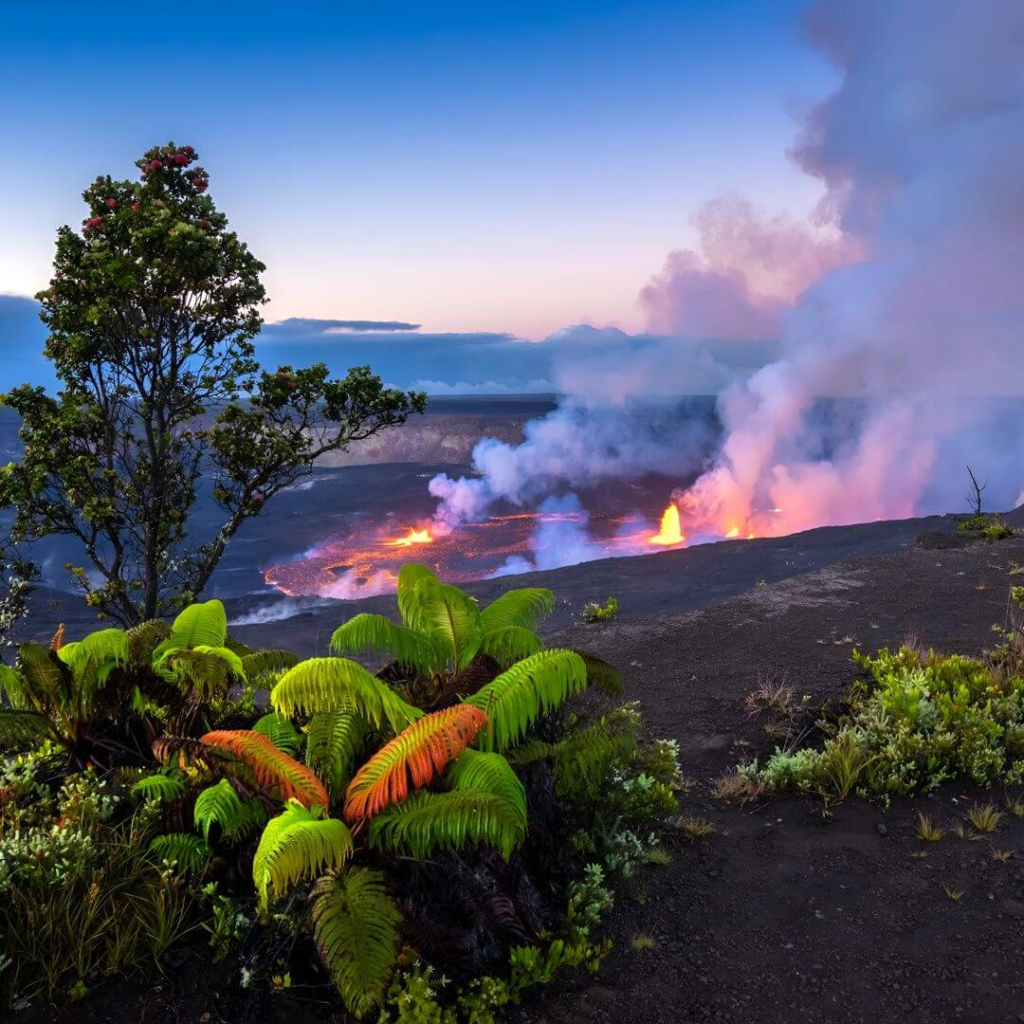
For bigger challenges, Pico de Orizaba, also known as Citlaltépetl, sits on the border of Puebla and Veracruz, rising to 5,636 meters (18,490 feet) as Mexico’s highest mountain, while northwest of Mexico City, in the north part of the Taluca Valley, you’ll find Jocotitlán, standing 3,910 meters tall (12,828 feet). I joined Full-day guided volcano hikes that start at 1,730 MXN, and the mix of altitude, landscapes, and stories made it one of my most intense travel days.
Beyond the highlights, Mexico is packed with experiences like Chapultepec Park, Mexico City Zoo, Museum of Anthropology, Chapultepec Castillo, National History Museum, peaceful Chapultepec Lake, lively markets, traditional food, handmade textiles, artwork, Mercado Ciudadela, Mercado Benito Juárez, Yucatecan cuisine, cochito horneado, seafood cocktails, and historic places such as Zócalo, Plaza de la Constitución, Templo Mayor, Palacio Nacional, and La Catedral Metropolitana with stunning Spanish colonial architecture. You can go diving in areas with marine life, coral reefs, the Great Maya Barrier Reef, snorkeling, surfing, or relax in Cancún with spas, resorts, Mayan ruins, and nearby villages.
Cultural cities like Guadalajara offer tequila, mariachi, museums, Hospicio Cabañas, Guadalajara Cathedral, while ancient wonders include Teotihuacan, Aztec pyramids, Temple of the Sun, Temple of the Moon, and the Temple of the Feathered Serpent. Unique stops like the Island of Dolls, Día de Los Muertos, UNAM Botanical Garden, Isla Holbox, bioluminescent waters, Mérida, Uxmal ruins, San Cristóbal de las Casas, colonial architecture, Cañón de Sumidero, cenotes such as Calavera, Casa Cenote, Yaxmuul, beach towns like Sayulita, and historic Campeche with UNESCO World Heritage walls make traveling here endlessly rewarding.
The media, especially the American media, often paint Mexico dangerous place, but the reality complex picture matters more. Yes, petty theft is common throughout Mexico, but most serious conflicts happen between authorities and Mexican drug cartels in isolated regions of the country. Places like Yucatan and Oaxaca are safe states to visit, while states near US border may experience violence and crime. In areas such as Quintana Roo, officials looking for bribes and drug-related violence linked to tourists looking for drugs can happen, and near the southern border some places feel sketchy, so always keep an eye on your stuff to avoid petty crime. Don’t blindly believe the media saying Mexico is unsafe—it’s a big country, some parts are safe, some parts aren’t, just like anywhere else.
When you travel, use common sense: don’t flash your money, avoid expensive watches, jewelry, don’t walk drunk at night, make copies of your passport and official documents, and tell people where you are regularly. One key safety tip is about water—even though water purification systems and treatment systems have improved, it’s not safe to drink tap water when visiting, but bottled water is available everywhere, and bringing water filter like LifeStraw with a built-in filter helps ensure clean water and safe water. Watch out for common scams targeting tourists, including fake ATMs, taxis don’t use a meter, and questionable tour operators. The emergency services number in Mexico is 911, but if it’s not in use every region, try 066. My important piece of advice is to purchase travel insurance—it protects against illness, injury, theft, and cancellations, offering comprehensive protection if anything goes wrong; I never go on a trip without it because I’ve had to use it many times in the past.
For most nationalities, you do not need visas to enter Mexico, as the visa policy is traveler-friendly and the entry rules are clear; with a tourist visa, you can stay up to 180 days, which defines your length of stay under current immigration rules. If you plan to extend your stay, you must obtain a special permit, and while no specific vaccines are required for border entry, it’s smart to review health requirements before you travel. On arrival, ensure you carry travel documents and proof you will leave the country—often a ticket out—as departure proof is part of standard travel requirements when you enter Mexico.
Yes, generally safe—travel to Mexico, especially popular tourist areas like Cancún, Cabo, and Puerto Vallarta, but safety varies by region, so check specific advisories, stay vigilant, avoid high-risk areas, and take typical precautions against petty theft.
The best time to visit Mexico is during the dry season from December to April for ideal weather and pleasant temperatures, while budget travelers may prefer the shoulder months of April/May or October/November for lower costs and good weather.
Before going to Mexico, prioritize safety, stay aware of surroundings, avoid tap water and drink bottled, learn basic Spanish phrases, carry pesos with small bills, get travel insurance, pack layers for varied climates, respect local customs, and consider a local SIM card for connectivity while exploring Mexico beyond resorts.
The ideal number of days in Mexico is 10–14 days for multiple regions, 3–5 days for a short trip to one city like Mexico City or a beach area, and 3 weeks for deeper immersion across places like Yucatán or Oaxaca.