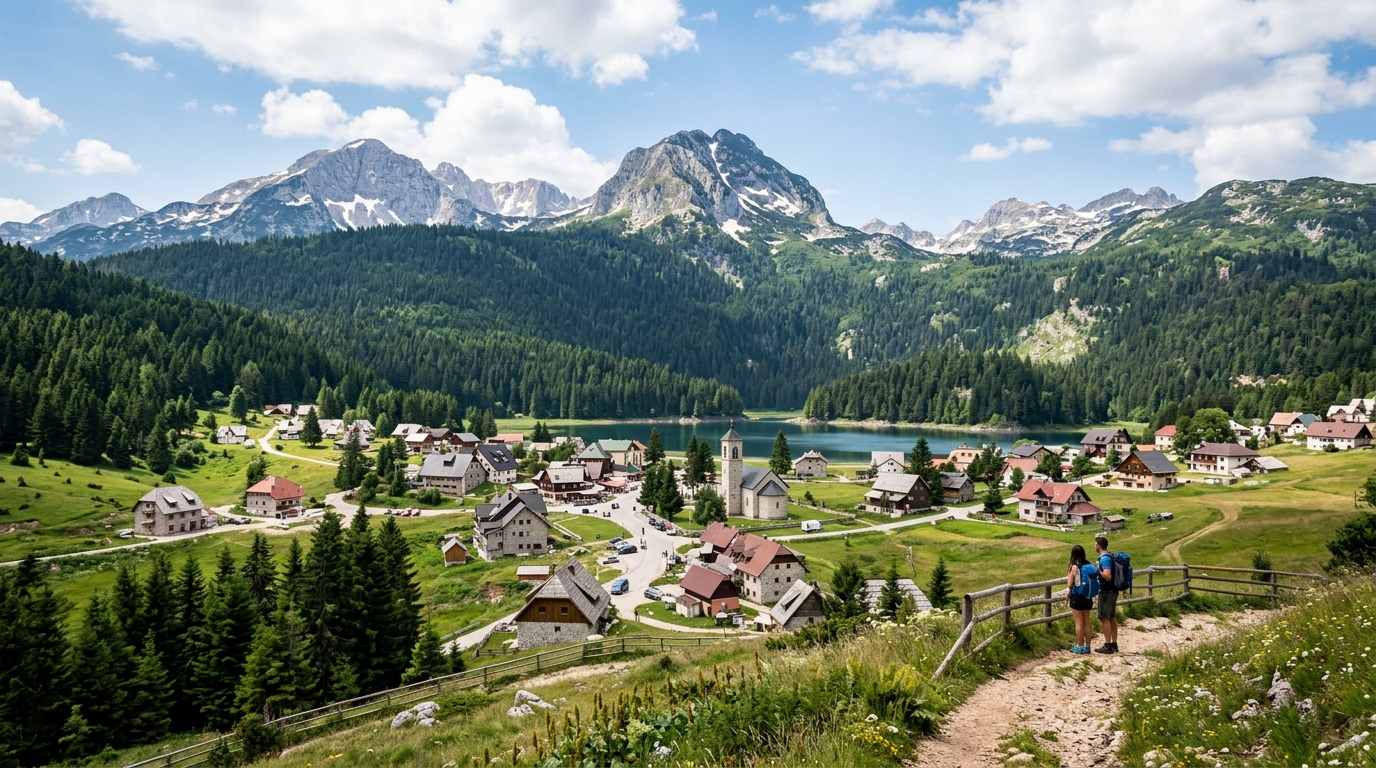
There are national parks, and then there is Durmitor. Covering more than 32,000 hectares in the highlands of northern Montenegro, this protected wilderness is shaped by glaciers, underground rivers, and millions of years of geological drama. The result is one of the most varied and visually stunning landscapes in all of Europe.
Within a single day, a visitor here can walk the shores of a mirror-still glacial lake at dawn, look out over a gorge that drops over a kilometre straight down, and watch the sun disappear behind a row of peaks that sit above 2,000 metres. It is the kind of place that makes the word “breathtaking” feel earned rather than clichéd.
The park was officially protected in 1952 and earned its UNESCO status in 1980. It is home to 48 mountain peaks, 18 glacial lakes (known locally as “Mountain Eyes”), dense black pine forests, alpine meadows, and one of the world’s most remarkable river canyons. The wildlife is equally impressive — brown bears, wolves, chamois, golden eagles, and over 160 bird species all call this place home.
Before diving into the highlights of the park itself, it is worth mentioning Žabljak — the small mountain town that sits right at the entrance and serves as the base for most visitors.
Sitting at 1,456 metres above sea level, Žabljak is the highest town in the Western Balkans. It is not a glamorous place, but it has exactly what travellers need: a handful of restaurants, well-stocked supermarkets, tour operators offering everything from rafting to jeep safaris, and accommodation for every budget. In summer it buzzes with hikers and adventurers; in winter it becomes a quiet ski town covered in snow.
Most visitors choose to stay here for at least two or three nights, using it as a launching pad to explore the wider park each day. Getting to Žabljak from Podgorica takes around two and a half hours by car along a well-paved route through Nikšić and Savnik.
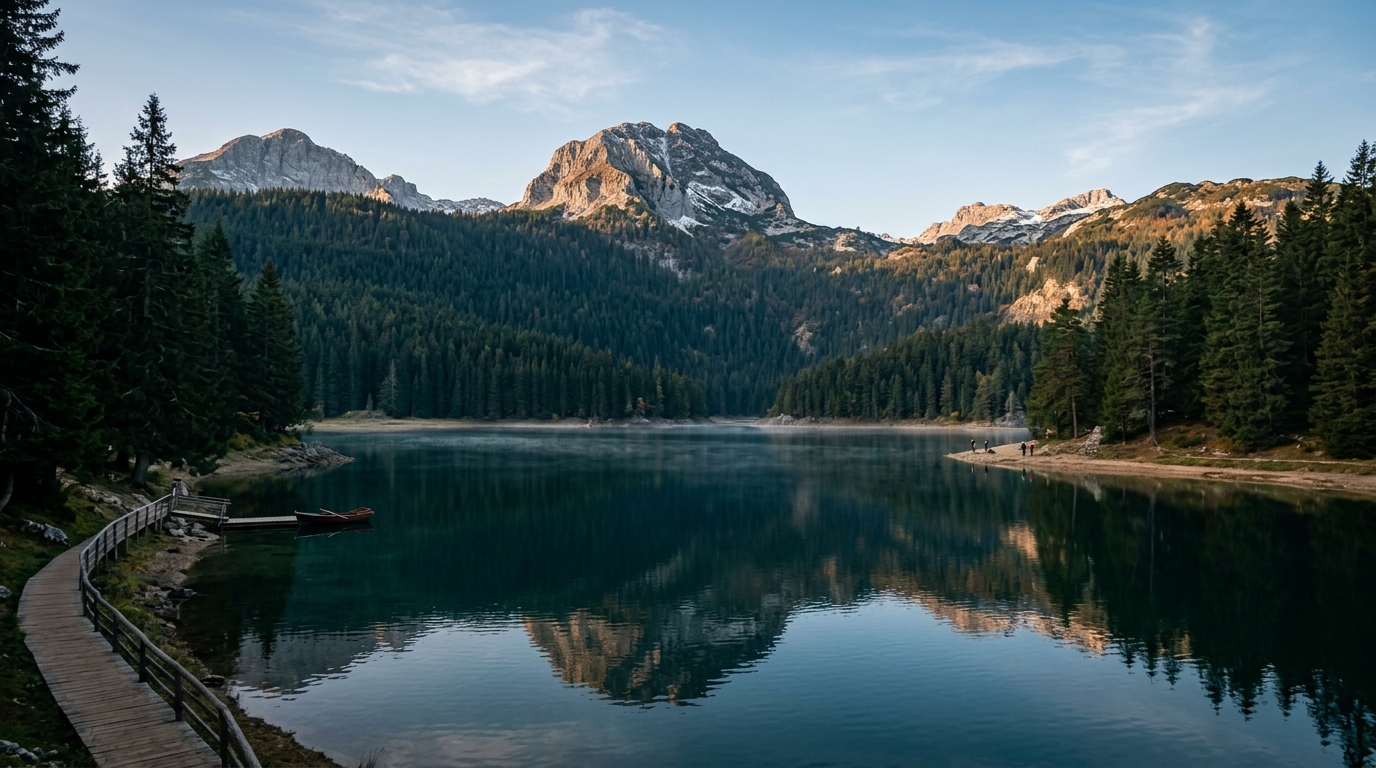
This is where most people start, and for good reason. Black Lake is the largest and most famous of the park’s glacial lakes, located just a 15-minute walk from the centre of Žabljak. The 3.5 km trail that circles the lake is flat, shaded by enormous black pines, and peaceful in a way that is hard to describe.
The lake is actually two connected basins — the Big Lake and the Small Lake — joined by a narrow channel that sometimes disappears completely in the height of summer. On a still morning, the reflection of the surrounding peaks on the water is the kind of view that stops a person in their tracks.
For those who want to go deeper, a two-hour extension through dense coniferous forest leads to the hidden Snake Lake (Zmijinje Jezero) — far quieter, and arguably even more beautiful.
Nothing quite prepares visitors for their first glimpse of the Tara Canyon. The river has carved a gorge that plunges over 1,300 metres deep, making it the deepest canyon in Europe and second only to the Grand Canyon in the world. From above, looking down through layers of forested cliffs to the thin ribbon of turquoise water far below, the scale of it is genuinely difficult to process.
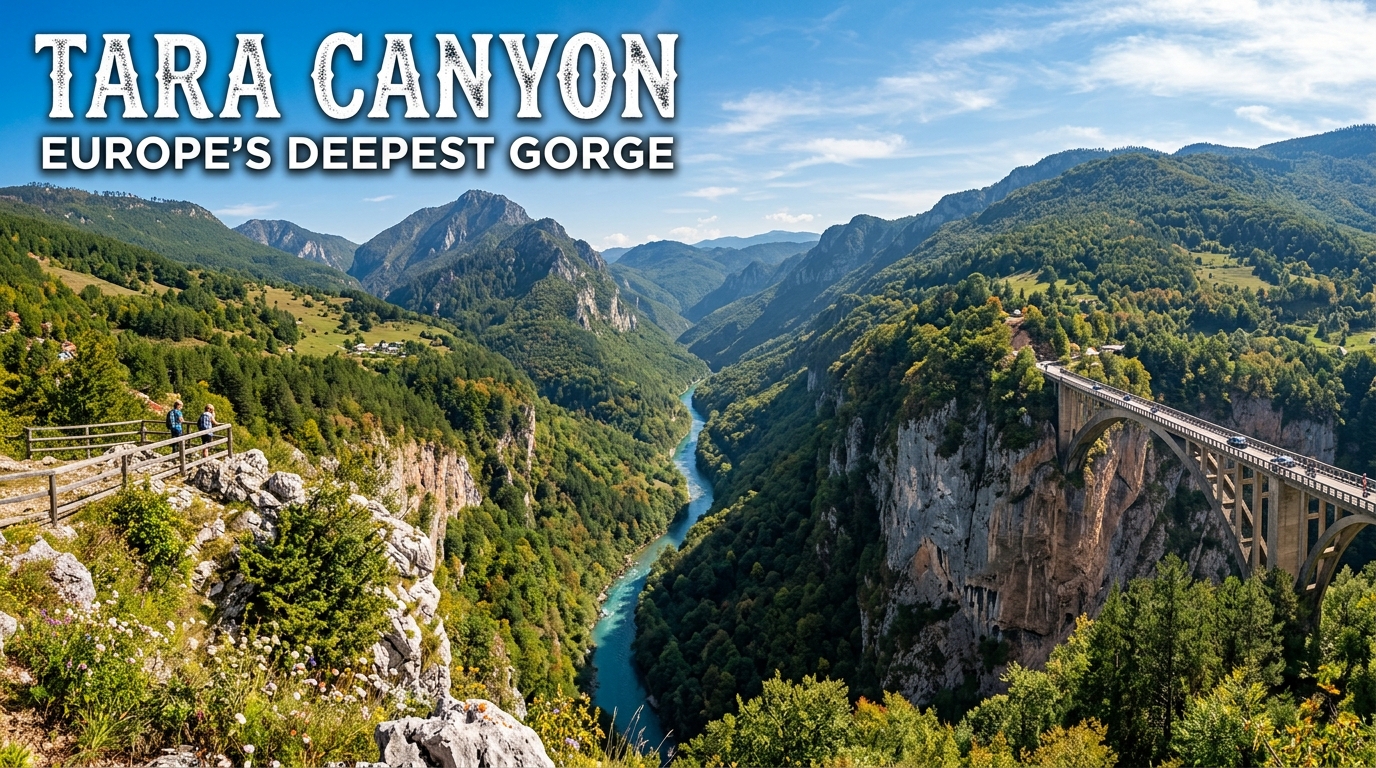
The most thrilling way to experience it is from the water itself. White-water rafting on the Tara River is widely considered one of the best experiences in the entire Balkans. The season runs from late April through to early October, with the most intense rapids in May when snowmelt swells the river. The rapids range from gentle stretches ideal for beginners to roaring runs that keep experienced rafters coming back.
At the canyon’s edge stands the iconic Đurđevića Tara Bridge — a 365-metre, five-arched engineering marvel built in 1940 and partially destroyed in World War II before being rebuilt. Walking across it offers a dizzying view of the gorge below, and for the truly adventurous, a zip line runs parallel to the bridge over the void.
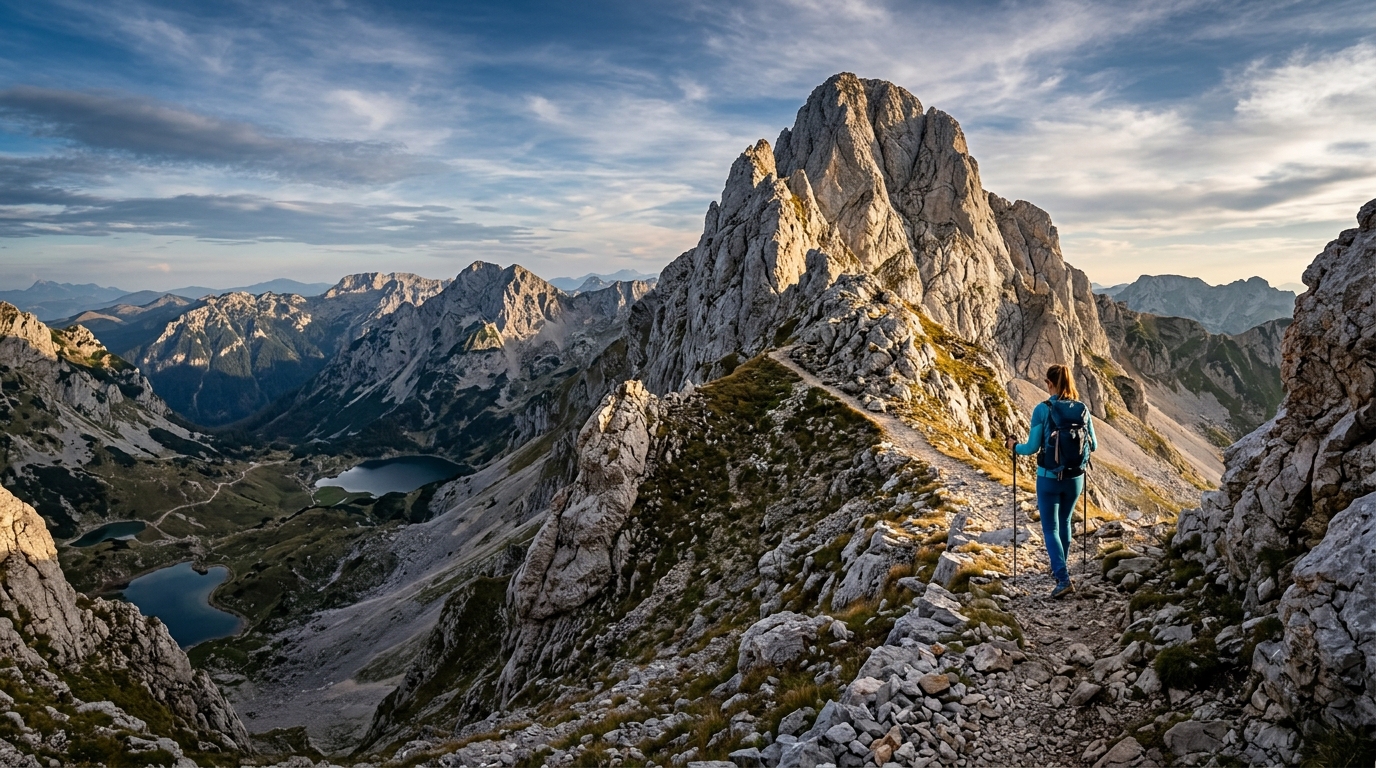
At 2,523 metres, Bobotov Kuk is the highest point inside the park and a serious goal for anyone who loves a proper mountain challenge. The most popular route starts from the Sedlo Pass at 1,908 metres, takes around six to seven hours return, and finishes with a fixed-cable scramble up the final rocky face.
The views from the top stretch across the entire Durmitor massif, ridge after ridge of limestone peaks fading into the distance on every side. It is demanding, but it is one of those hikes that people talk about for years.
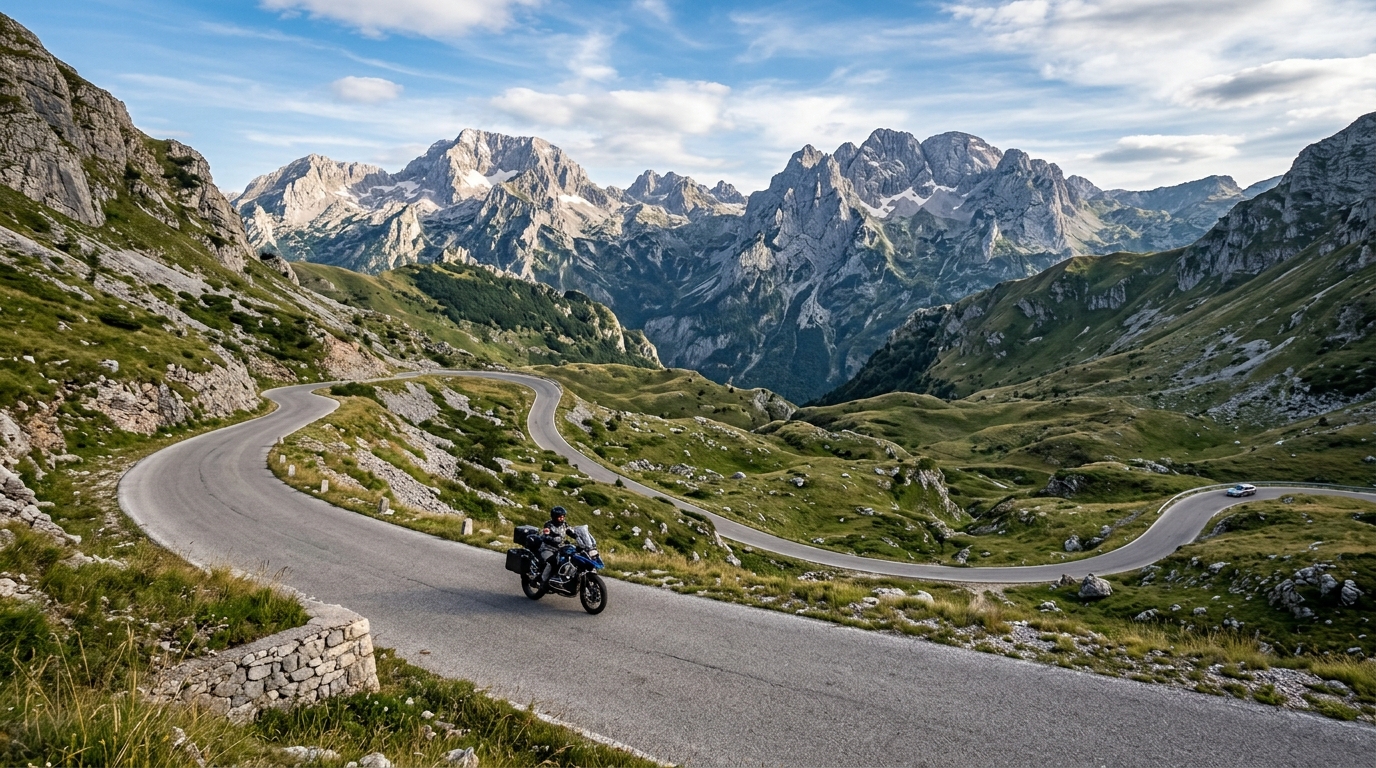
Travellers with a car should set aside a full day for the Durmitor Ring Road — an 85-kilometre alpine loop that circles the entire massif. The route passes through remote karst landscapes, ancient forests, tiny villages, and viewpoints where there is nothing to do but stand and stare.
Wild horses are a common sight near Stožina Peak, and golden eagles regularly circle the higher ridges. There are no petrol stations on the loop, so starting with a full tank from Žabljak is essential. A traditional mountain breakfast at a local kafana before setting off is also strongly recommended.
The Tara River that carves through this landscape does not stop at Montenegro’s border. It flows east into Serbia, where it gives its name to an entirely different protected area Tara National Park, located in the Drina River valley in western Serbia.
Tara National Park, Serbia, is a world apart in terms of landscape and atmosphere. While Durmitor is all jagged limestone and dramatic canyons, the Serbian park is defined by lush forested plateaus, sweeping river bends, and a quieter, more contemplative kind of beauty. The two parks share a name and a river, but visiting both gives a traveller a genuinely complete picture of what this corner of the Balkans has to offer.
For those already exploring the region, combining a visit to both parks on a single road trip makes perfect geographical sense. (A full guide on Tara National Park, Serbia, is coming soon, including what to expect and how to get there from Montenegro.)
Entry fee: €5 per person per day. An annual pass covering all Montenegrin national parks costs €13.50 and is worth considering for anyone spending more than two days.
Best time to go: June to September for hiking, rafting, and lake swimming. December to March for skiing at Savin Kuk. Spring brings dramatic rapids and wildflowers; autumn turns the forests golden.
Getting there: By car from Podgorica (approximately 2.5 hours). Regular buses also run to Žabljak, though having a rental car offers much more freedom to explore.
Where to stay: Žabljak has hostels from around €10 per person, locally-run guesthouses, mountain chalets, and a growing number of boutique eco-lodges. Traditional mountain huts (katuns) deeper in the park offer a more immersive experience for those willing to go off the beaten path.
What to pack: Even in July, evenings at this altitude get cold. A warm layer, waterproof jacket, and proper hiking boots are non-negotiable regardless of the season.
The park offers far more than just hiking and rafting. For those who want to go beyond the standard itinerary:
There is a reason serious travellers keep coming back to this corner of Montenegro. The landscape here has a quality that is genuinely rare — wild and untouched in a way that feels increasingly hard to find in Europe, yet accessible enough that almost anyone can experience it. Whether someone spends a single day or an entire week, the mountains of northern Montenegro have a way of getting under the skin.
And for those who want to keep the adventure going, the road east towards Serbia — and eventually towards Tara National Park — is a journey well worth taking.