
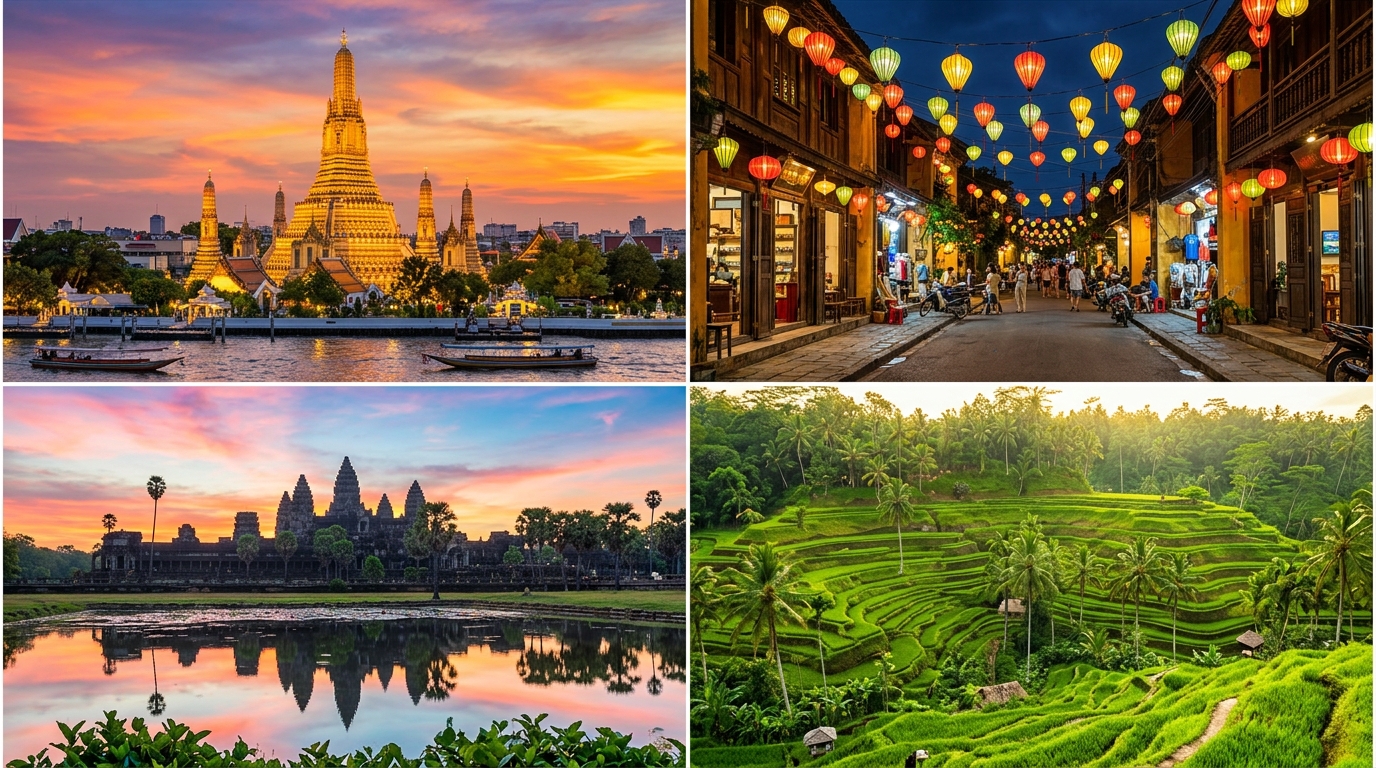
But here’s the thing — most travel guides treat it like one big country. Thailand, Vietnam, Cambodia, Indonesia, Malaysia… they’re all completely different places with different cultures, different rules, and different vibes. Walking into this region without knowing that is the fastest way to waste your trip.
This guide covers everything you actually need: which countries to visit first, when to go, how to get around, what to budget, what to pack, and the mistakes that catch first-timers off guard.
Southeast Asia is a region made up of 11 countries: Thailand, Vietnam, Cambodia, Laos, Indonesia, Malaysia, Singapore, the Philippines, Myanmar, Brunei, and Timor-Leste.
Most travelers stick to a smaller circuit — Thailand, Vietnam, Cambodia, and sometimes Bali (Indonesia) or Malaysia. These countries are easy to navigate, budget-friendly, and close enough together that you can move between them without spending a fortune.
The region sits between the Indian and Pacific Oceans. It’s tropical, which means warm temperatures year-round. But “warm” can mean different things depending on the season, and getting the timing wrong can seriously affect your trip.
This is the question everyone asks and most guides skip over. Here’s a straight answer:
Start with Thailand if you want easy.
Bangkok is one of the most well-connected airports in the region. The tourism infrastructure is excellent. English is widely spoken in tourist areas. And the food, temples, and beaches are genuinely world-class. It’s forgiving for first-timers and gives you time to adjust before things get more adventurous.
Go to Vietnam if you want variety.
Vietnam is long and narrow, which means you get dramatically different experiences from north to south. Hanoi in the north feels historic and chaotic. Hoi An in the middle is calm and beautiful. Ho Chi Minh City in the south is buzzy and modern. Add Ha Long Bay, the rice terraces of Sapa, and the beaches of Da Nang, and you have an entire trip in one country.
Choose Cambodia for history and culture.
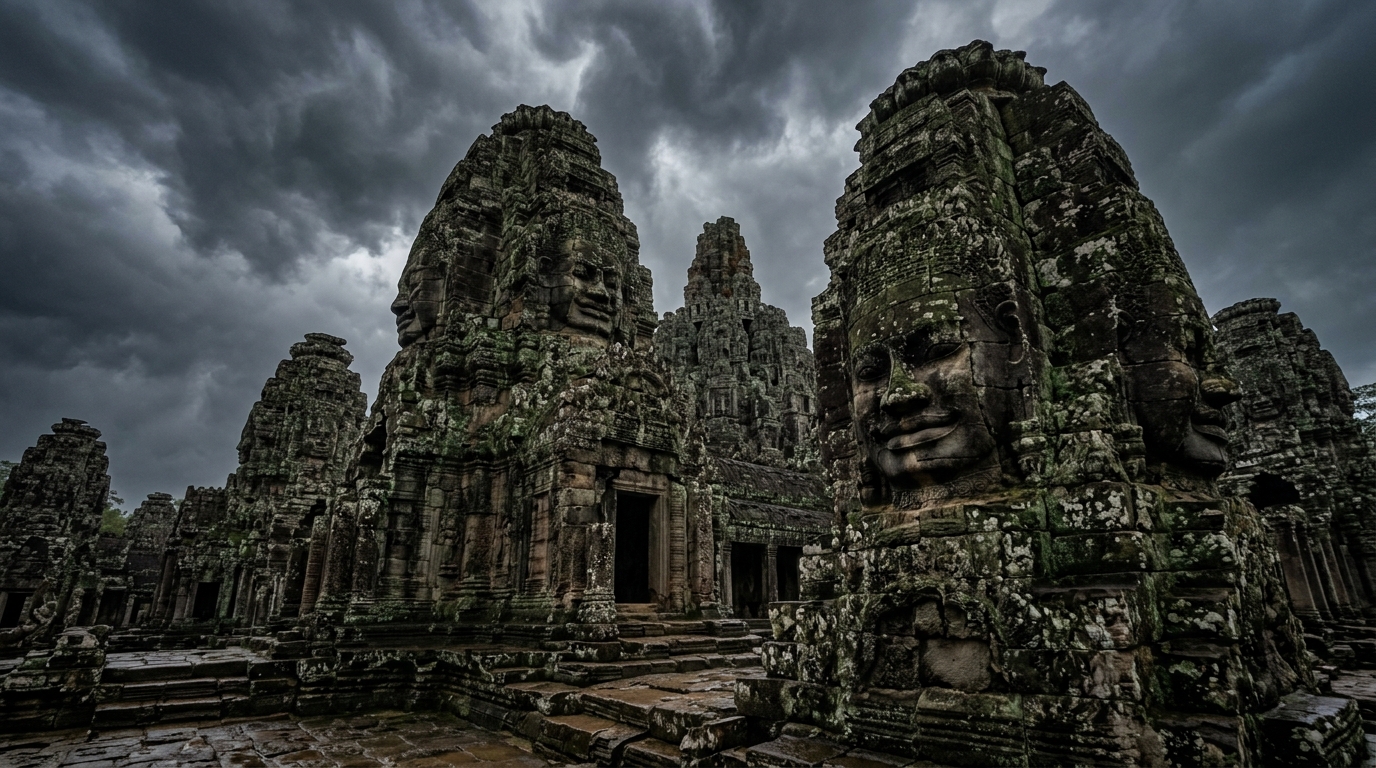
Angkor Wat alone is worth the trip. Cambodia is smaller, cheaper, and less crowded than Thailand. The people are warm, the food is underrated, and Siem Reap makes an excellent base. Don’t overlook Phnom Penh either — it’s a city with a genuinely moving history.
Pick Bali (Indonesia) if you want beaches + spiritual experiences.
Bali isn’t a budget destination anymore, but it still offers something uniquely beautiful. Rice terraces, temples, surf beaches, and a wellness culture that’s unlike anywhere else in the region. It’s also a great standalone trip if you don’t have time for multiple countries.
Choose Malaysia or Singapore if you want comfort + incredible food.
These are the most modern, developed destinations in the region. Singapore is expensive but deeply impressive. Kuala Lumpur and Penang in Malaysia are far cheaper, and Penang especially has one of the best food scenes in all of Southeast Asia.
The honest answer is: it depends on which country you’re going to.
Southeast Asia doesn’t have four seasons. It has a dry season and a rainy season (monsoon), and they don’t hit every country at the same time. This is the most important thing to get right when planning your trip.
November to February: The Sweet Spot
This is the dry season across most of the mainland — Thailand, Vietnam, Cambodia, Laos. Temperatures are warm but not brutal. It’s the most popular time to travel, which means higher prices and more crowds, but the weather makes it worth it.
March to May: Hot and Dry
Things heat up fast. This is the hottest period in Thailand and Cambodia — think 38°C+ in the afternoon. Not ideal if you’re planning a lot of sightseeing. However, it’s still dry, and it’s one of the best times for Bali (which has opposite seasons to the mainland).
June to October: Rainy Season
Monsoon season brings afternoon downpours, high humidity, and lower prices. It’s not all bad — rain usually lasts a few hours, not the entire day. Vietnam’s beaches are best avoided during this period, but northern Vietnam and inland Cambodia can still be lovely.
Practical tip: If you’re visiting multiple countries, plan your route based on weather. Start in Vietnam in November, move to Cambodia in December, and finish in Thailand’s islands by January. That’s a trip that makes the seasons work for you.
Here’s a realistic breakdown:
One common mistake is trying to fit too many countries into a short trip. Rushing through six countries in two weeks means you spend more time in airports and buses than actually experiencing anything. Pick fewer places and explore them properly.
Between Countries: Fly When You Can
Budget airlines have completely changed travel in Southeast Asia. AirAsia, VietJet, Scoot, and Jetstar connect all the major cities for sometimes less than $30. Booking two to four weeks ahead usually gets you the best prices.
Overland crossings are possible and can be memorable — bus from Bangkok to Siem Reap, or train from Hanoi to Ho Chi Minh City — but factor in the extra time. A bus journey that looks like five hours on a map can easily take eight.
Within Countries: Mix It Up
Southeast Asia is genuinely affordable, but “cheap” means different things in different countries.
| Country | Budget per day (backpacker) | Mid-range per day |
|---|---|---|
| Thailand | $30–$45 | $70–$120 |
| Vietnam | $25–$40 | $60–$100 |
| Cambodia | $30–$50 | $70–$120 |
| Bali, Indonesia | $40–$60 | $90–$150 |
| Malaysia | $35–$55 | $80–$130 |
| Singapore | $100–$150 | $200+ |
Street food is your biggest budget ally. In Vietnam, a bowl of pho costs $1–$2. In Thailand, pad thai from a street stall runs about $1.50. Restaurant meals aimed at tourists are three to five times more expensive, but still cheap by Western standards.
A few money tips:
Visa rules change, so always double-check before you travel. But here’s the general picture for most Western passport holders:
Important: Never assume you can “sort it at the border.” Overstaying a visa in Southeast Asia is taken seriously and can result in fines, detention, or bans on re-entry.
Southeast Asia demands light packing. You’ll be sweaty. You’ll be moving around. Laundry is cheap everywhere — sometimes as low as $1 per kilo. You don’t need a wardrobe.
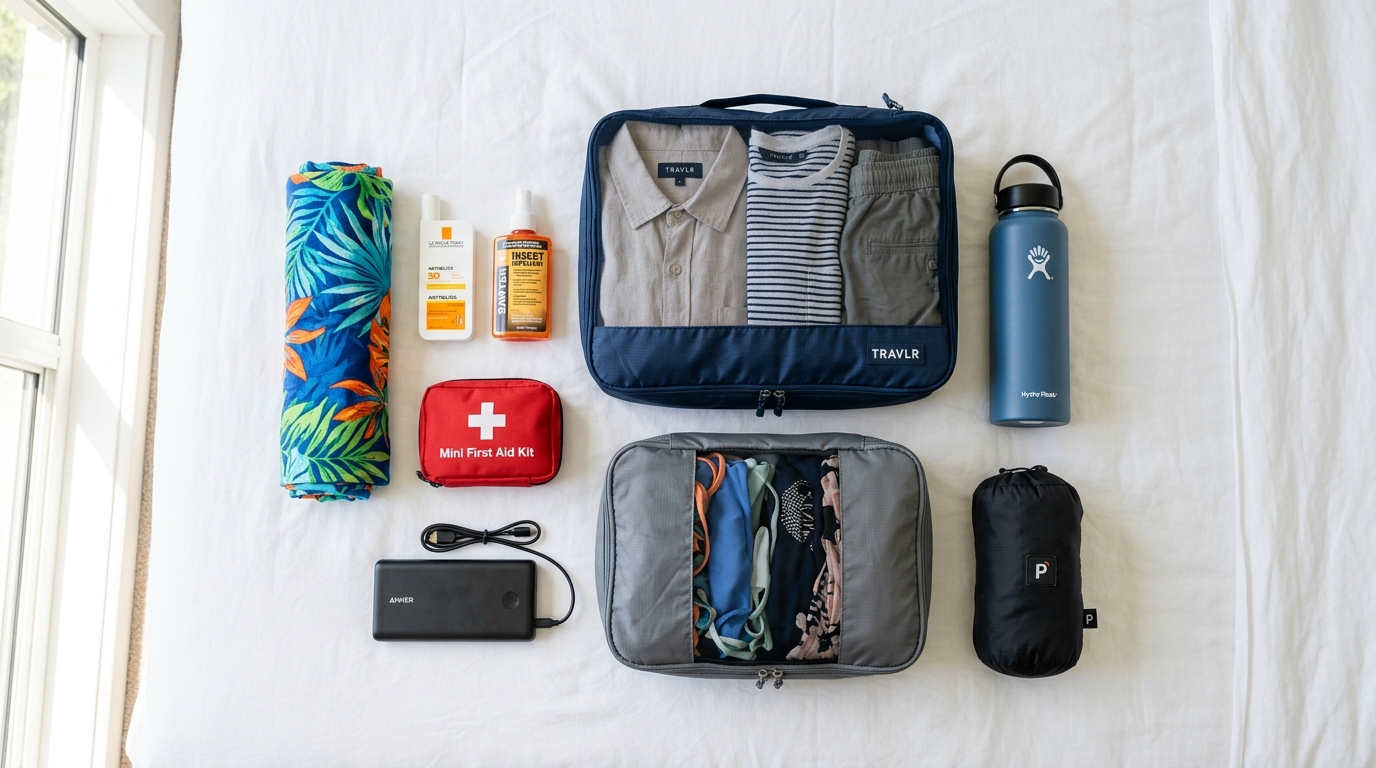
Clothing:
Health and comfort essentials:
Tech:
For the beach:
Southeast Asia is welcoming to tourists, but there are real cultural norms that matter. Getting these right makes a genuine difference.
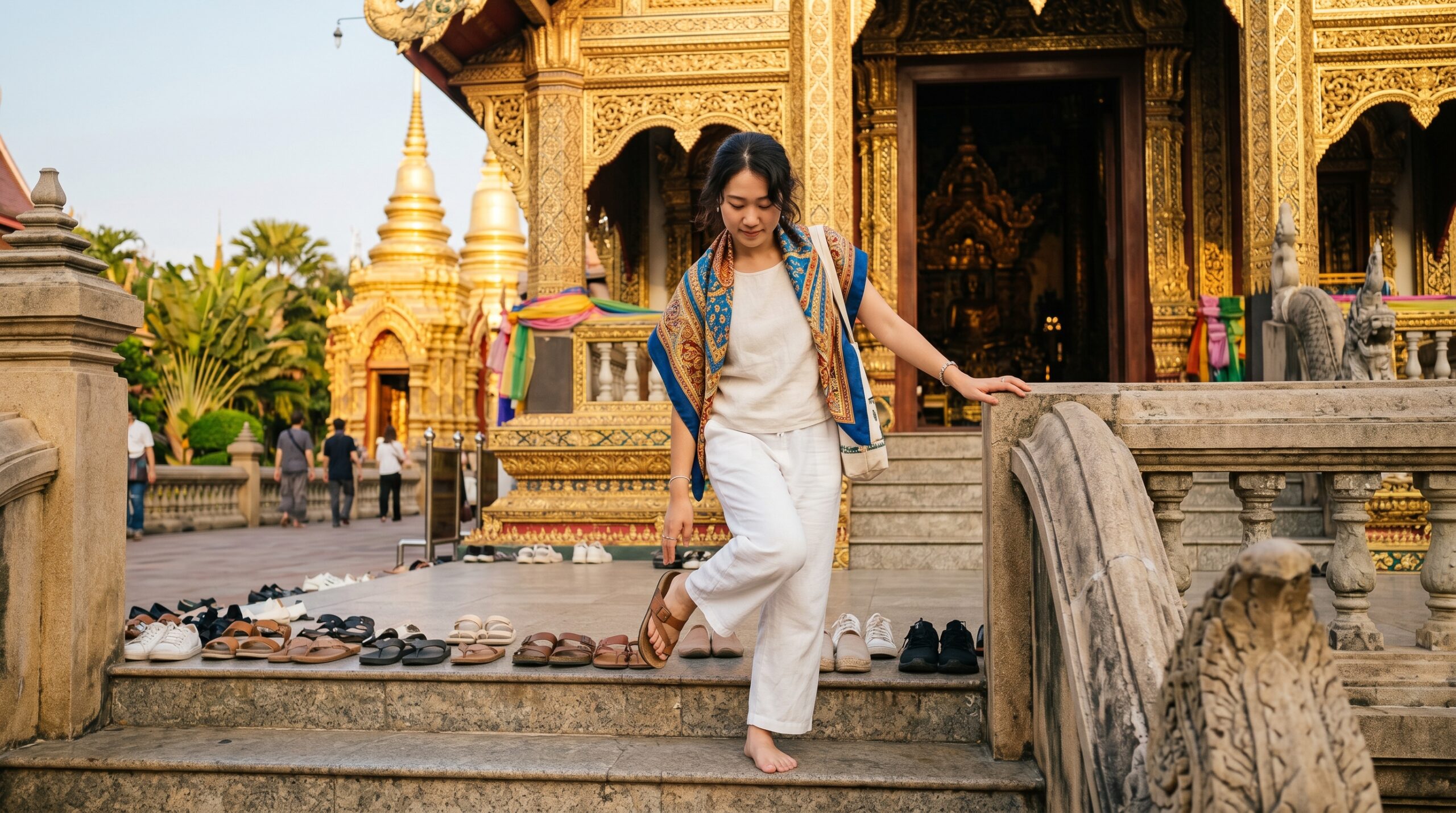
At temples:
General customs:
The food is one of the best parts of any Southeast Asia trip. Here’s what not to miss:
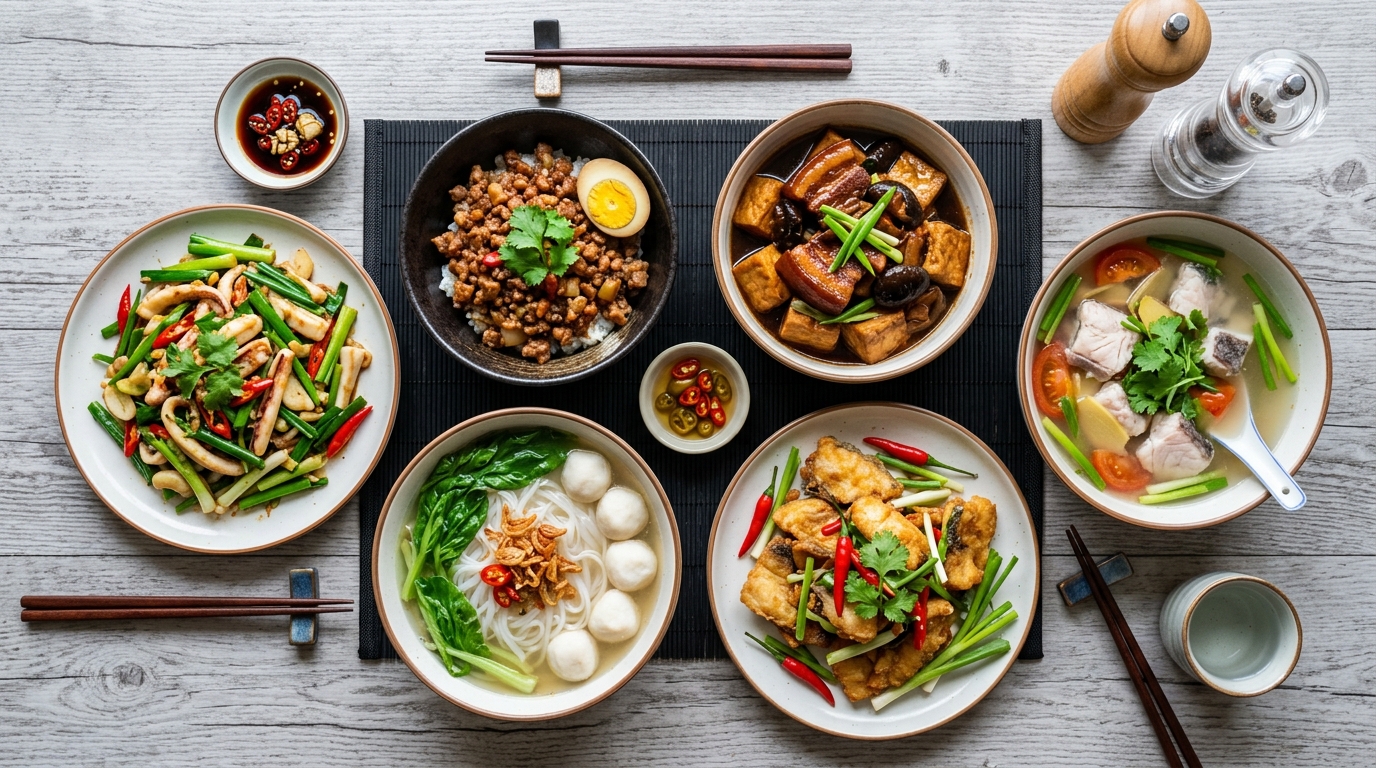
Street food safety: Eat from stalls that are busy. High turnover means the food is fresh. Watch that it’s cooked in front of you. Avoid raw vegetables unless you’re confident they’ve been washed in clean water. Don’t drink tap water anywhere in the region — bottled water is cheap and everywhere.
One serious warning: there have been documented cases of counterfeit alcohol in tourist areas, particularly in Thailand and Bali. Drinks made with fake spirits can contain methanol. Stick to sealed, branded bottles, and be cautious about buying cheap buckets or cocktails in party areas.
The region is generally safe for tourists. Most destinations are welcoming, and serious crime against travelers is rare. But there are some things to know:
Common scams:
Practical safety:
Southeast Asia is one of the best regions in the world for solo female travel. It’s generally safe, there’s a strong backpacker community, and women travel here alone all the time.
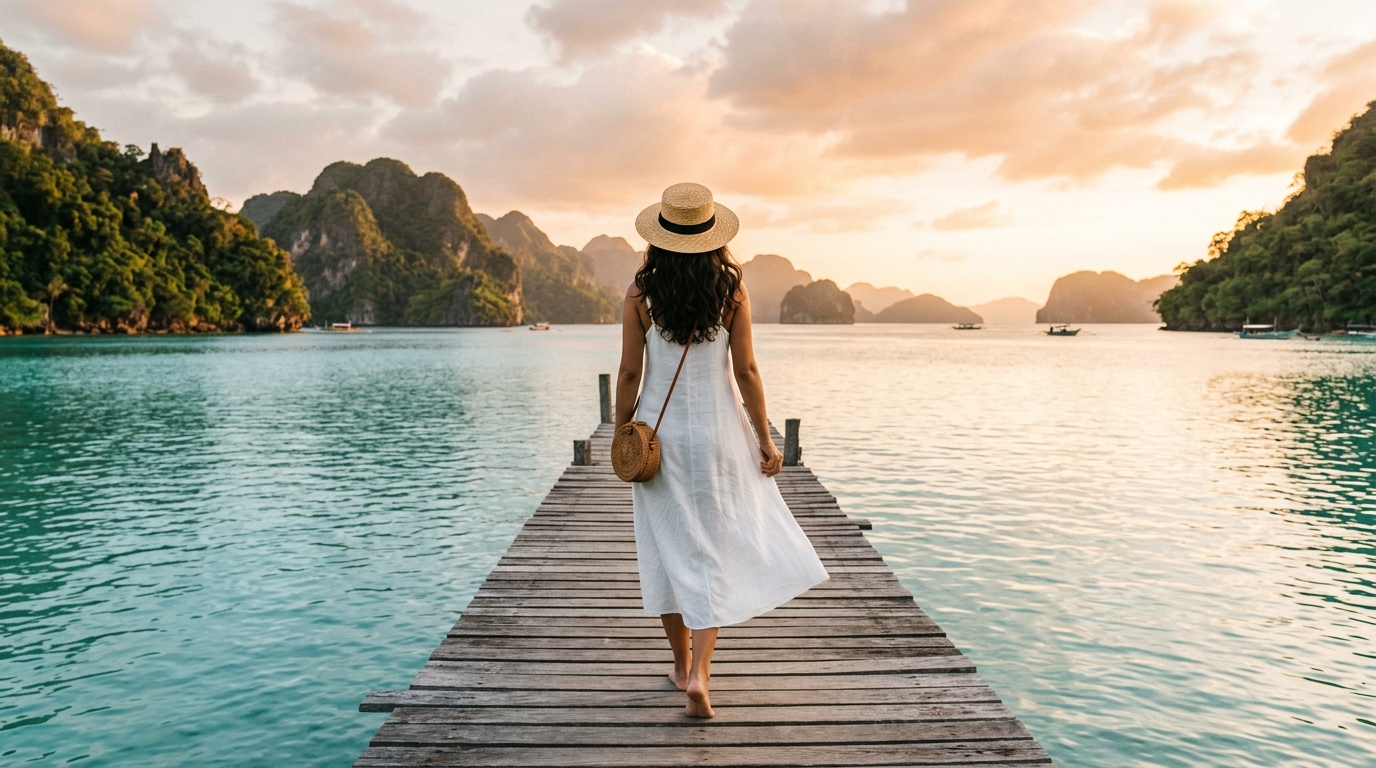
A few specific tips:
GlamNGlobe has a full guide to solo female travel in Southeast Asia with destination recommendations and safety tips — worth reading before you plan your route.
If you’re not sure where to start, this is the route most first-timers take — and for good reason. It flows well, covers the highlights, and gives you a good feel for the region.
Week 1: Thailand
Week 2: Cambodia + Vietnam
Week 3: Central Vietnam
Week 4: Northern Vietnam or Thai Islands
Trying to see everything. Southeast Asia is enormous. You cannot do it all in one trip. Plan for depth, not breadth.
Not checking visa requirements. Rules change. Look up each country’s current requirements at least a month before you travel.
Overpacking. You will sweat. Laundry is $1 per kilo. Pack less than you think you need and buy what you’re missing when you arrive.
Ignoring the weather. Don’t book beach time in monsoon season. Check the weather for each specific destination before you finalize your itinerary.
Assuming everything is the same across countries. Indonesia is not Thailand. Cambodia is not Vietnam. Research each country individually.
Not getting travel insurance. Medical care in the region ranges from excellent (Bangkok, Singapore) to very basic (rural Cambodia). A dengue fever treatment or a hospital stay can be expensive. Insurance is cheap — not having it is expensive.
Is Southeast Asia safe for first-time travelers?
Yes. It’s one of the most popular regions for first-time international travelers precisely because it’s accessible, well-set-up for tourism, and generally welcoming. Normal precautions apply — keep valuables secure, be aware of scams, and don’t take unnecessary risks — but there’s no need to be anxious about going.
How much does a trip to Southeast Asia cost?
Budget travelers can get by on $30–$50 per day including accommodation, food, and transport in most countries. Mid-range travelers spending $80–$130 per day will be very comfortable. The biggest variable is how many flights you take between countries.
Do I need vaccinations for Southeast Asia?
Talk to your doctor or a travel health clinic at least 4–6 weeks before you leave. Common recommendations include hepatitis A and B, typhoid, and tetanus. Malaria prevention may be recommended for rural areas in certain countries. Yellow fever vaccination is required if you’re arriving from a country with risk.
Can I drink the water in Southeast Asia?
No. Don’t drink tap water in any Southeast Asian country. Stick to sealed bottled water. Be careful with ice in drinks outside of established restaurants, as it may be made from tap water.
How do I get between countries?
Budget airlines are the easiest option for long distances. AirAsia, VietJet, and Scoot are the main carriers. Overland border crossings are possible between Thailand, Cambodia, Vietnam, Laos, and Malaysia, useful if you want a slower, more exploratory experience.
What is the best country to visit in Southeast Asia for the first time?
Thailand is the most beginner-friendly option — excellent infrastructure, wide English usage, and a huge range of experiences from city to beach to mountain. Vietnam is excellent if you want more variety in a single country. Cambodia is best for history lovers. Bali is ideal for a shorter trip focused on beaches and culture.
How far in advance should I book?
For peak season (December to February), book flights and accommodation two to three months ahead, especially for popular spots like Hoi An, Siem Reap, and Thai islands. Outside peak season, you can be more flexible.
Southeast Asia is one of those places that genuinely delivers on its reputation. The food is as good as you’ve heard. The temples are as impressive as the photos suggest. And the cost of doing all of it is a fraction of almost anywhere else in the world.
The key to having a great trip is simple: don’t rush it, respect the culture, stay flexible, and plan just enough to avoid the easy mistakes.
Whether you have two weeks or two months, there’s a version of this trip that’s right for you. Start planning, pack light, and get ready for a trip you’ll be talking about for years.