Spanning over 4,200 square miles and part of a UNESCO World Heritage Site, the park has largely reopened after 2024 wildfires, though some trails may still be restricted so it’s smart to check conditions before you go.
Jasper National Park blends comfort with true wilderness. Stay in the cozy town of Jasper, then step into a world of elk sightings, wildflower meadows, and the iconic Icefields Parkway.
In summer 2026, the Canada Strong Pass makes it even better with free park entry and discounted stays, turning this into one of the most rewarding and affordable times to visit.
Spring can bring avalanche risks on roads like the Icefields Parkway, so monitor alerts.
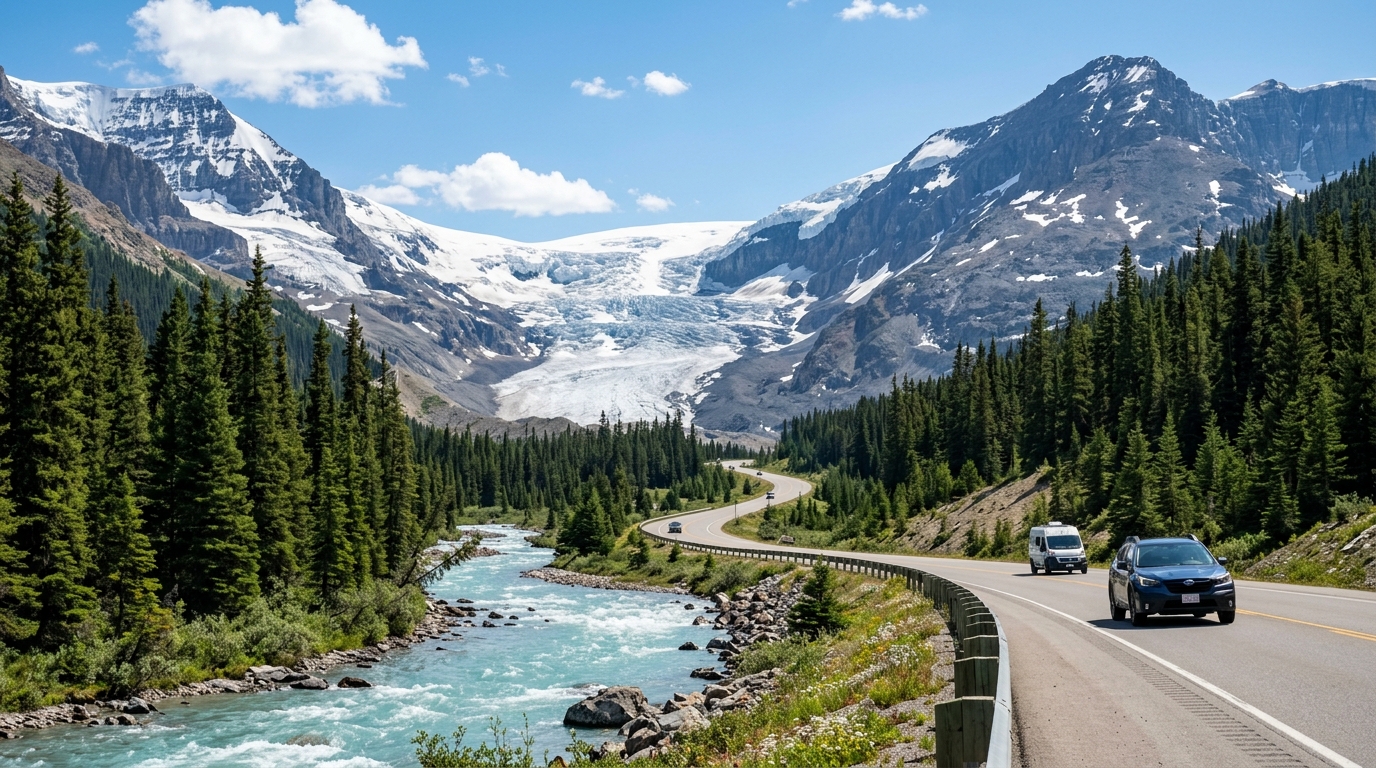
Most visitors fly into Calgary (about 5 hours drive) or Edmonton (about 4 hours) and rent a car. The drive along the Icefields Parkway from Banff or Lake Louise ranks among the world’s most scenic routes—plan a full day with stops.
Public transport options exist in summer, but they limit flexibility. A car gives you the freedom to chase wildlife at dawn or linger at a viewpoint.
This highway connects Jasper to Banff and features stops like Athabasca Falls and Sunwapta Falls. Don’t miss the Columbia Icefield. Take a snow coach tour onto the Athabasca Glacier or walk the short Forefield Trail for close-up views.
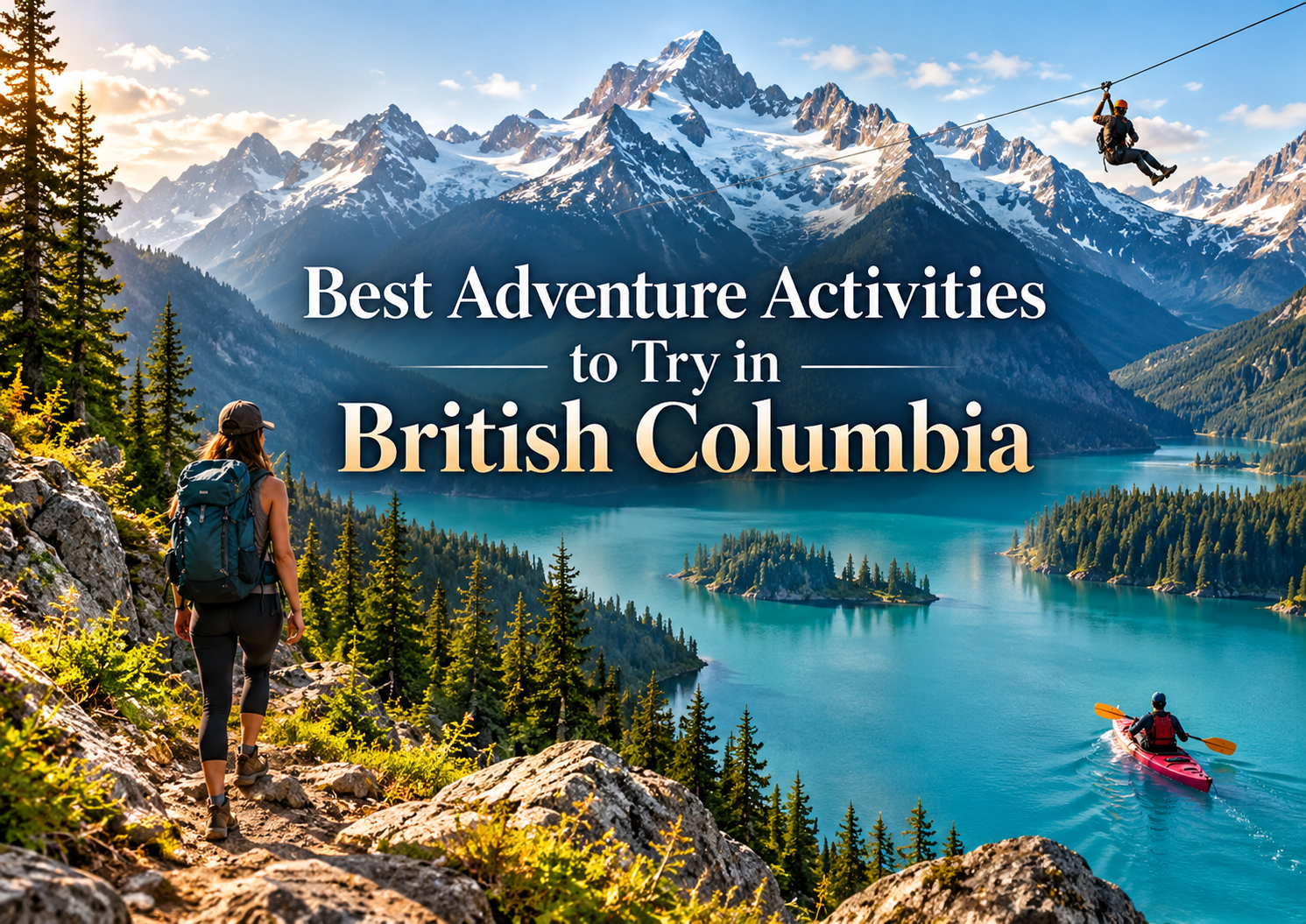
Maligne Lake, the largest natural lake in the Canadian Rockies, offers boat cruises to the iconic Spirit Island. Rent a canoe or kayak if you prefer paddling yourself. Medicine Lake nearby appears to “disappear” in certain seasons due to underground channels.
Maligne Canyon features dramatic limestone walls and waterfalls. Check status, as wildfire recovery work may affect access in 2026.
Canada’s highest and longest aerial tramway whisks you up Whistlers Mountain. From the top, enjoy panoramic views and a short hike to the summit. Late afternoon or evening rides often mean fewer crowds and better light.
These are the warmest thermal pools in the Canadian Rockies. Relax in the pools after hiking the nearby Sulphur Skyline Trail for sweeping valley views.
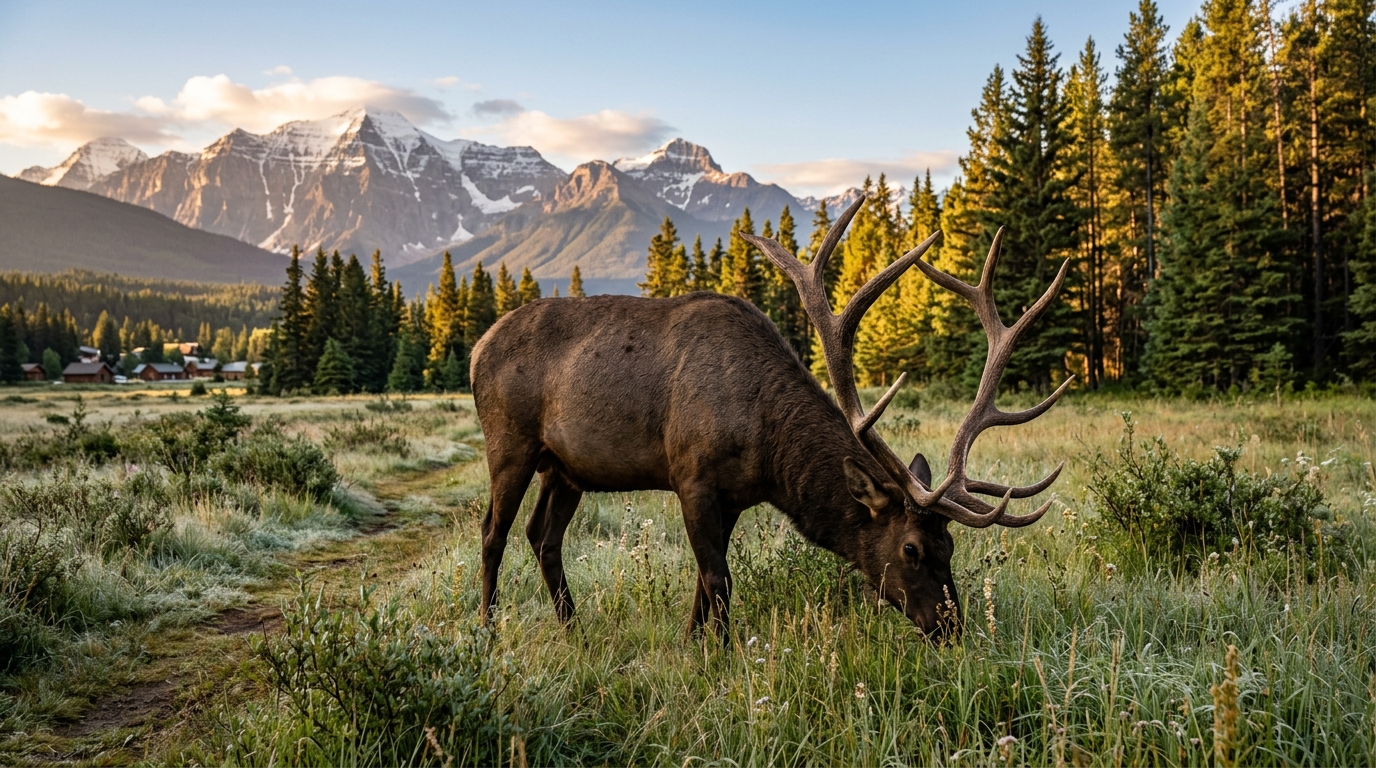
Jasper shines for wildlife. Keep your eyes open for elk, moose, bighorn sheep, bears, and the elusive woodland caribou. Drive Maligne Lake Road early or late in the day for the best chances. Always maintain safe distance—use binoculars or a zoom lens.
Jasper boasts an extensive trail network for all levels. Here are standout options:
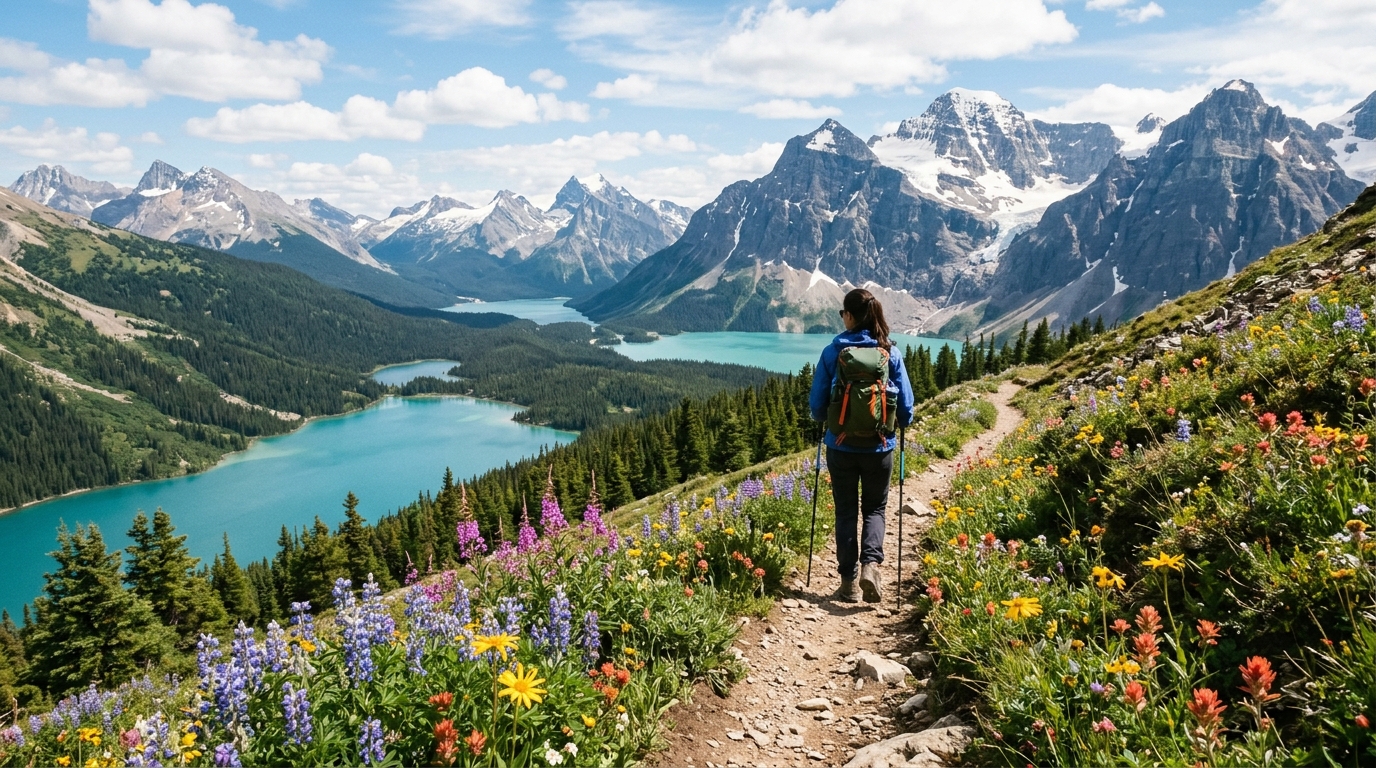
Some trails like parts of Valley of the Five Lakes may still be recovering or undergoing upgrades in 2026—confirm conditions on the Parks Canada site. Always carry bear spray, water, and layers; weather changes fast in the mountains.
For multi-day adventures, consider the Skyline Trail or Tonquin Valley backpacking routes, which showcase alpine terrain and potential caribou sightings.
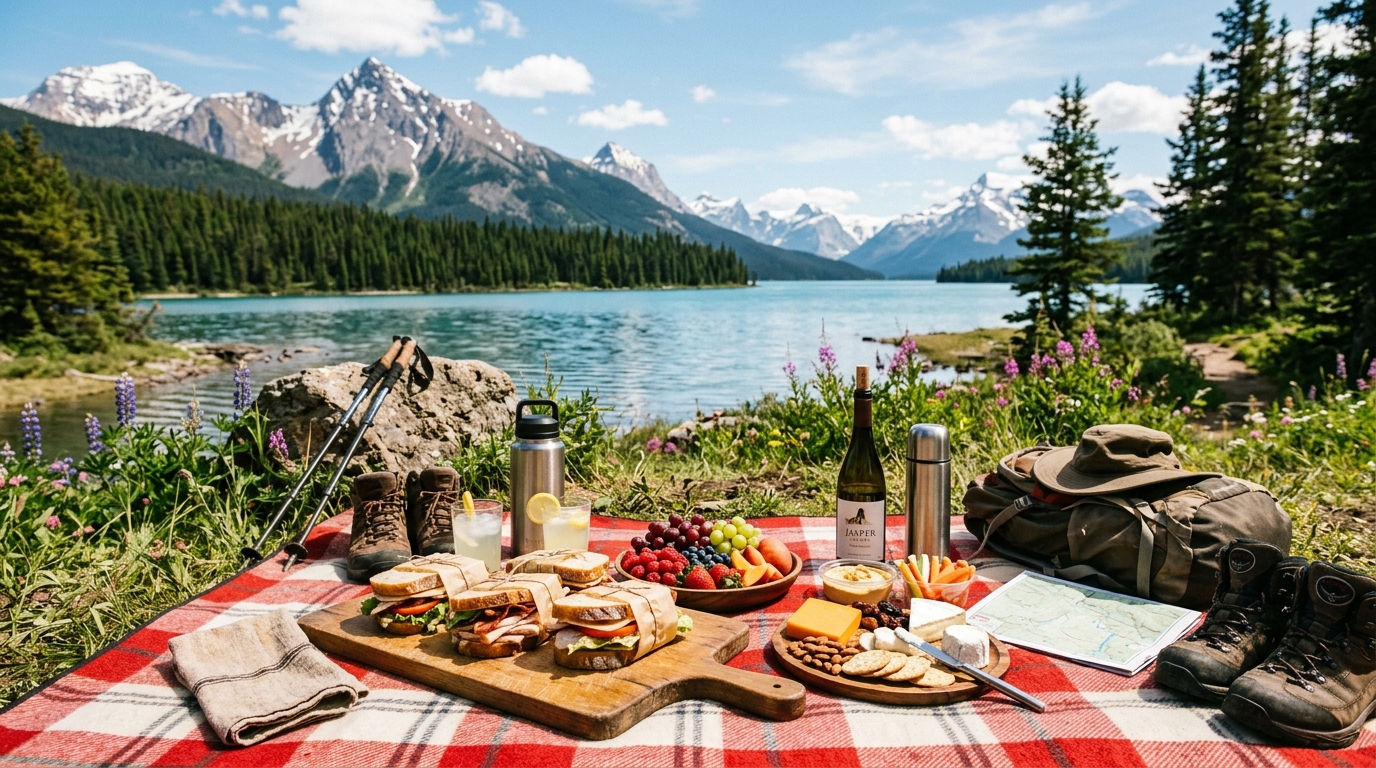
Downtown Jasper has solid choices. Grab fresh pastries and coffee at Bear’s Paw Bakery. For dinner, try local spots with Canadian ingredients or the Jasper Brewing Company for craft beer and pub fare. Many lakeside restaurants operate seasonally—pack a picnic for flexibility.
Packing smart for Jasper National Park is less about stuffing your bag… and more about choosing the right three heroes.
These essentials keep your trip simple, safe, and adventure-ready without overpacking.
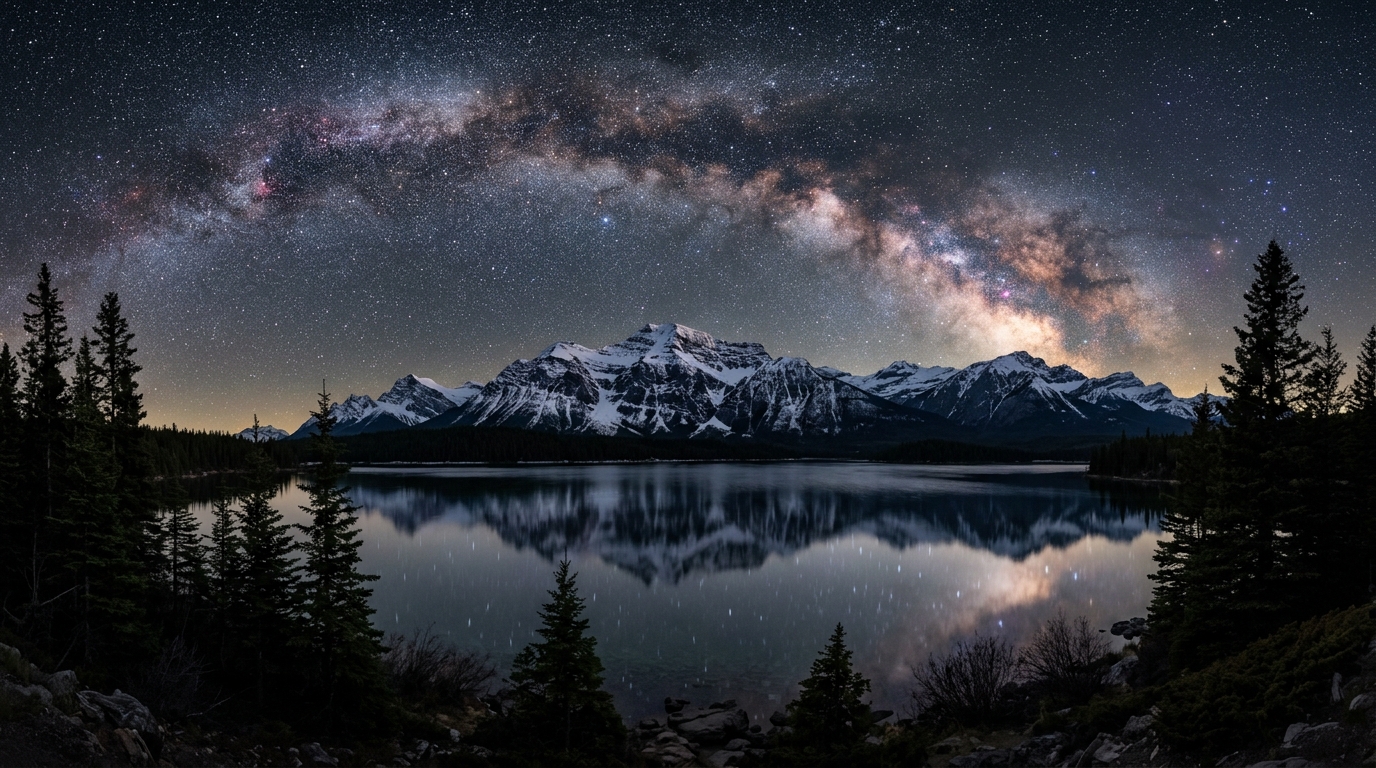
Jasper National Park delivers genuine Rocky Mountain magic: massive landscapes, crystal waters, and that rare feeling of space and peace. Come for the views, but you’ll remember the quiet moments—watching a glacier, paddling a turquoise lake, or gazing at stars so bright they light up the night.
Plan ahead, respect the land, and you’ll leave with stories worth sharing. Jasper isn’t just a park—it’s a place that reminds you why these wild spaces matter.
Is Jasper National Park fully open in 2026?
Yes, the park welcomes visitors with most major roads, attractions, and services restored. A few specific trails and areas may still have temporary restrictions due to ongoing recovery—check Parks Canada alerts before your trip.
Do I need a park pass in summer 2026?
No, admission is free with the Canada Strong Pass from June 19 to September 7. Camping and some overnight stays also get a 25% discount during this window.
What’s the best hike for beginners?
Lake Annette Loop or short paths at Athabasca Falls offer easy, rewarding walks with beautiful scenery and minimal elevation gain.
Can I see wildlife easily?
Yes—early mornings and evenings on roads like Maligne Lake Road improve your odds. Never approach animals; give them plenty of space.
Is Jasper good for families?
Absolutely. Many easy trails, boat rentals, and the Skytram appeal to kids, while campgrounds and picnic spots make it budget-friendly and fun.