This guide gives you a day-by-day plan that actually works — with honest tips about the heat, the traffic, the scams to watch for, and the things that are genuinely worth your time versus the things you can skip.
Before You Arrive: Three Things to Sort Out First
1. Get a SIM card or eSIM before you land (or at the airport)
You need internet the moment you arrive. Grab uses maps, you’ll want Google Translate for menus, and navigating the BTS without GPS is unnecessarily stressful. Buy a tourist SIM at the airport arrivals hall — it takes five minutes and costs around 300 THB ($8) for a week of data. Or set up an eSIM before you travel so you’re connected the second your plane lands.
2. Download Grab
Grab is the Southeast Asia version of Uber. Fixed prices, no haggling, no meter arguments. It works across Bangkok and will save you from overpaying for taxis and dealing with tuk-tuk scams. Download it and set it up before you need it.
3. Know which airport you’re flying into
Bangkok has two airports. Suvarnabhumi (BKK) is the main international airport connected to the city center by the Airport Rail Link train (fast, cheap, about 45 minutes). Don Mueang (DMK) handles budget airlines less well connected; it’s best to take a Grab from there.
Where to Stay in Bangkok
Location matters a lot in Bangkok. The city is massive, and getting from one side to the other during rush hour can take 90 minutes. Choose your area wisely.
Best area for first-timers: Riverside / Rattanakosin
This is the old heart of Bangkok — close to the Grand Palace, Wat Pho, and Wat Arun. Staying here means you can walk to the main temples early in the morning before the crowds arrive and the heat builds up. Sala Rattanakosin is a beautiful boutique option here with river views directly across to Wat Arun.
Best for transport links: Silom / Sathorn
Close to a BTS station, near the river ferry piers, and within easy reach of both the historic area and the modern shopping districts. Good mid-range and luxury options. Ideal if you want the flexibility to move around the city easily.
Best for budget travelers: Khao San Road area
The classic backpacker zone. Lively, cheap, and packed with guesthouses, bars, and street food. Noisy at night — factor that in. Not the most central location for temple-hopping, but walkable to Wat Pho and close to the river ferries.
How to Get Around Bangkok Without Losing Your Mind
Bangkok traffic is notorious. During rush hour (7–9am and 5–8pm), even short distances can take an hour by road. The good news is that the city has multiple ways to bypass the traffic entirely.
BTS Skytrain — The elevated metro. It’s fast, air-conditioned, and covers most of the modern shopping and business areas (Siam, Sukhumvit, and Silom). Buy a single journey ticket or a Rabbit Card (reloadable card) from any BTS station. Fares range from 17–60 THB.
MRT Subway — Covers areas the BTS doesn’t reach, including the Chatuchak area and parts of the old city. Uses a separate ticketing system from the BTS.
Chao Phraya River Ferry — One of the best ways to move between the riverside sights. Cheap (15–40 THB), fast, and far more scenic than sitting in traffic. The orange-flag boats stop at all the major piers along the river.
Grab — For anywhere not served by the BTS or the river ferry. Always cheaper and more reliable than negotiating with tuk-tuks or taxis. Set the destination in the app and the price is fixed before you get in.
Tuk-tuks are fun for short, straightforward A-to-B trips, but always agree on the price beforehand. Never take one that’s offered to you unsolicited near a temple — that’s almost always a scam (more on this below). A fair price for a short hop is 80–150 THB.
Day 1: The Old City Temples, the River, and Chinatown
Start early. Bangkok is already hot by 9am and brutal by midday. Morning is when the temples are quieter, the light is beautiful, and you’ll actually enjoy walking around.
Morning: Wat Pho and the Grand Palace
Start at Wat Pho (7am opening, 300 THB entrance).
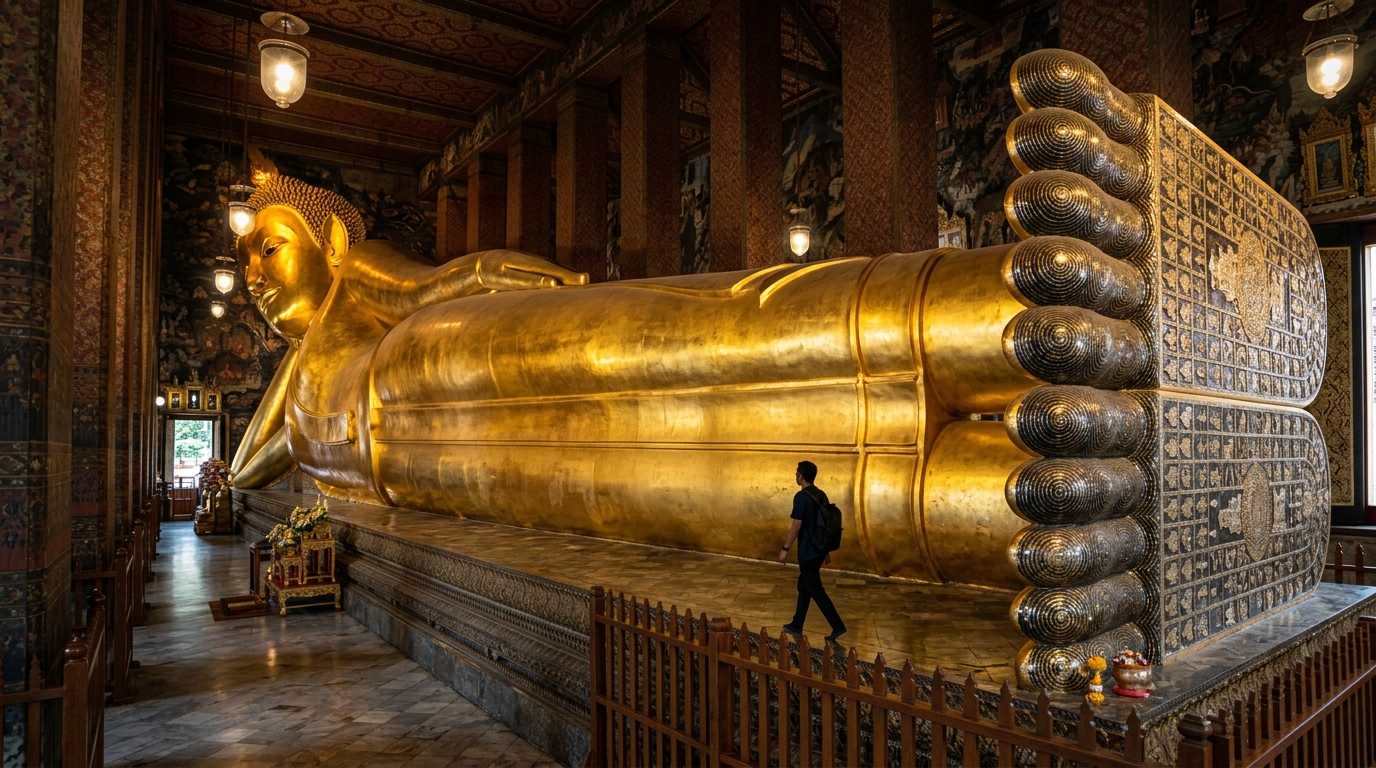
Wat Pho is home to the giant Reclining Buddha — 46 metres long, covered in gold leaf, genuinely impressive. The temple complex is large and peaceful in the early morning. Allow 45–60 minutes here.
From Wat Pho, walk five minutes to the Grand Palace (opens at 8:30am, 500 THB entrance).
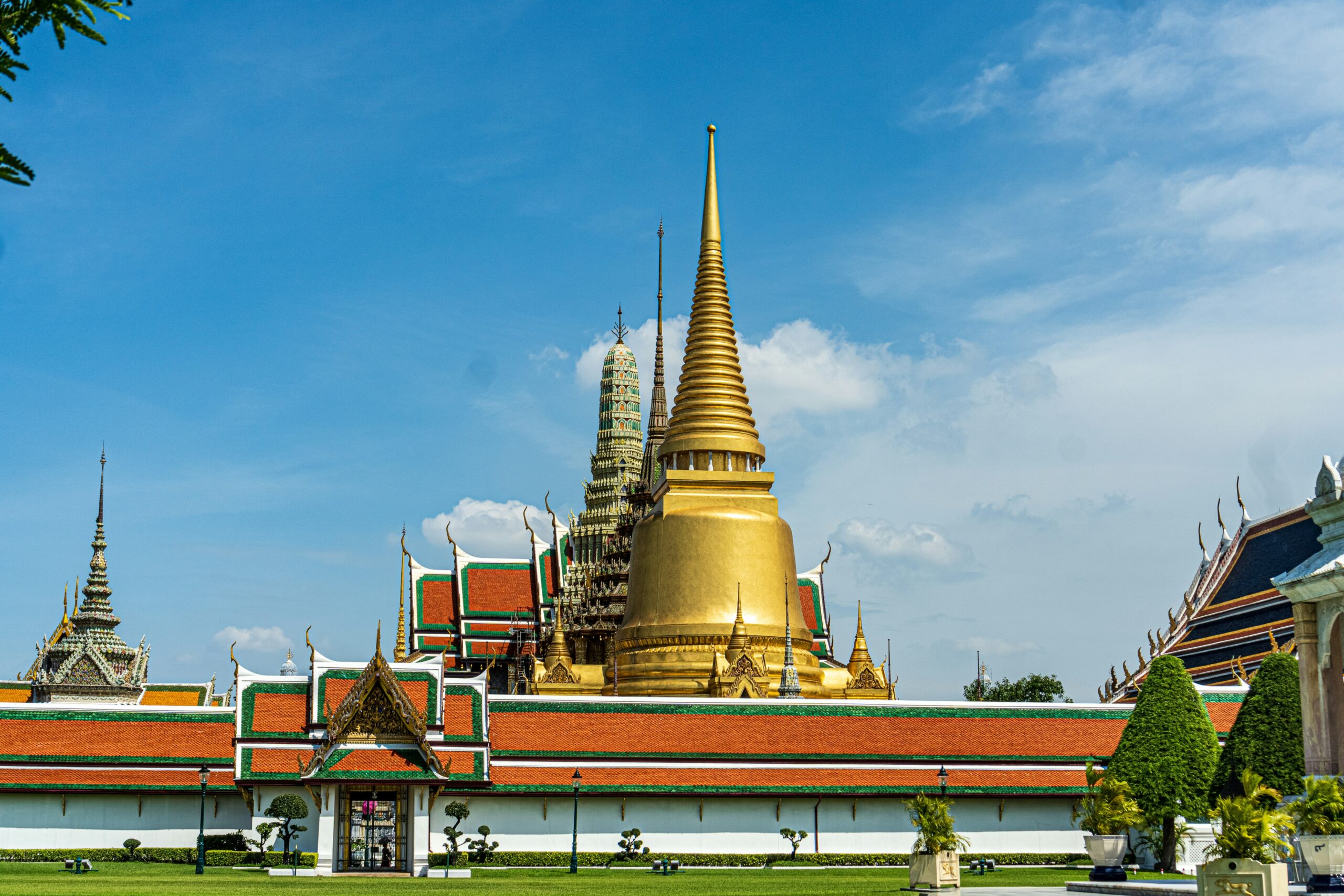
The Grand Palace is the single most visited site in Bangkok, and for good reason. The main complex — particularly Wat Phra Kaew (the Temple of the Emerald Buddha) — is breathtaking. The golden spires, the intricate murals, the scale of the whole thing. Allow 1.5–2 hours.
Important: You must cover your shoulders and knees to enter both sites. Sarongs are available to borrow or rent at the entrance if you’re not dressed appropriately.
Scam alert: Men standing outside the Grand Palace may tell you it’s closed today for a ceremony or royal event. It is almost never closed. This is a well-known scam to redirect you to shops where the tuk-tuk driver earns commission. Walk directly to the entrance and check for yourself.
Midday: Escape the Heat
By 11:30am it will be very hot. This is not the time for more temple-hopping.
Head to a nearby café or restaurant for lunch and an air-conditioned break. The area around Tha Tian Market near Wat Pho has several good options — simple Thai food, cold drinks, and a view of the river.
This is also a good time to pick up a cooling towel from a local convenience store if you haven’t packed one. The Mission Athletica Cooling Towel (available on Amazon) is a lightweight, fast-drying option worth packing before your trip — it makes a real difference when you’re walking around temples at noon.
Afternoon: Wat Arun and the River
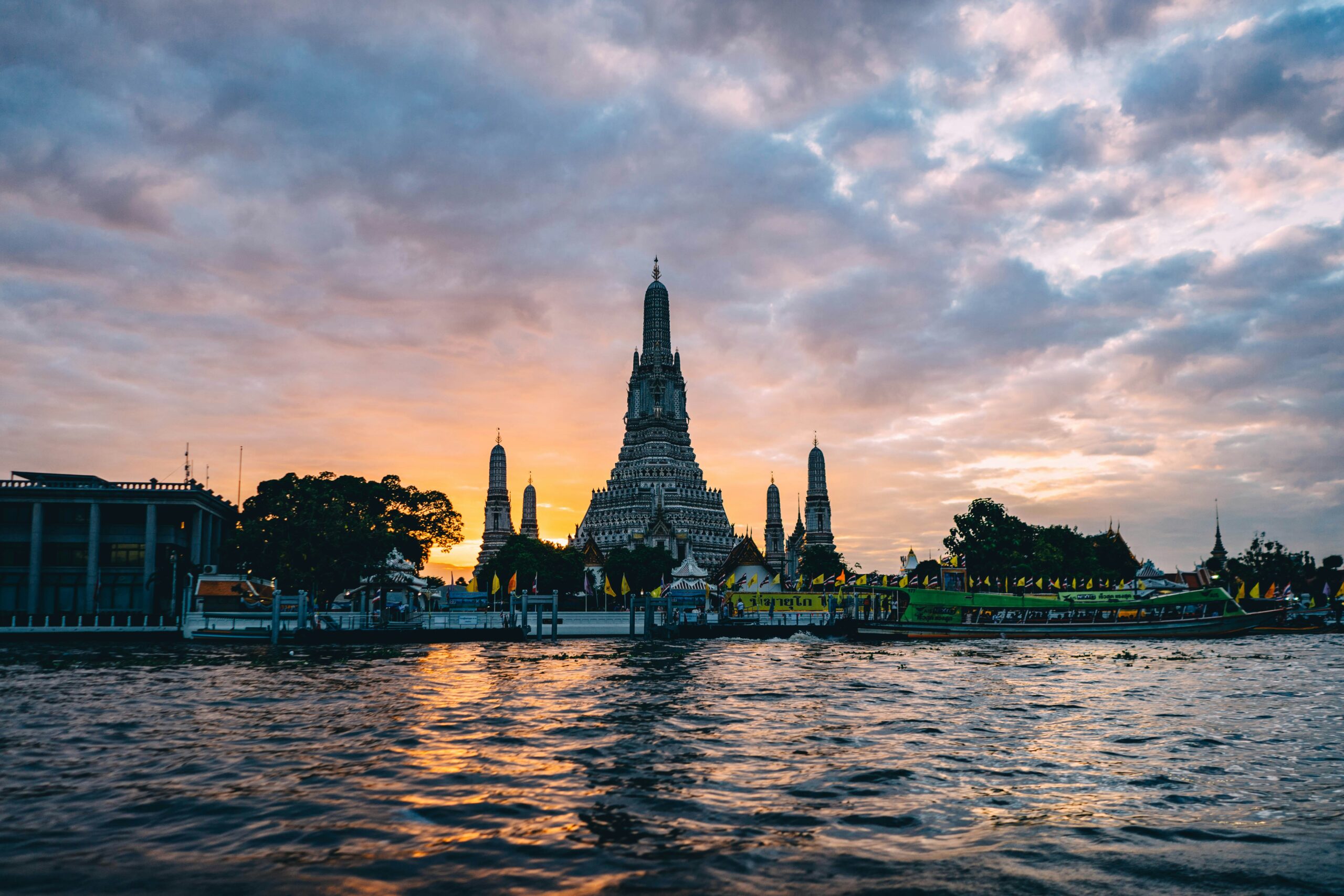
After lunch (around 2–3pm), head to Wat Arun — the Temple of Dawn, just across the river from Wat Pho.
Take the small cross-river ferry from Tha Tian Pier (5 THB, takes about two minutes). Wat Arun is best appreciated from across the river in the late afternoon when the light is warm and golden, but it’s also worth climbing the steep central tower for the view across the city. Entrance is 100 THB.
After Wat Arun, catch the Chao Phraya river ferry north or south to explore the riverside at your own pace. The ferry ride itself is one of the more relaxing things you can do in Bangkok.
Evening: Chinatown (Yaowarat Road)
Bangkok’s Chinatown comes alive after dark. Head to Yaowarat Road around 6–7pm when the street food vendors set up and the neon signs flick on.
This is one of the best street food experiences in the city. Try the fresh seafood, the roast duck, the boat noodles, and whatever looks good from the stalls. Budget around 200–400 THB for a full dinner eating your way down the street.
The MRT (Hua Lamphong station or Sam Yan station) is the easiest way to get here from the old city area.
Day 2: Neighborhoods, a Hidden Temple, and a Rooftop
Day 2 is about getting off the main tourist trail slightly — seeing a different side of Bangkok that most people rush past.
Morning: Wat Saket (The Golden Mount)
Wat Saket is one of Bangkok’s most underrated temples. Before the age of skyscrapers, the Golden Mount here was one of the highest points in the entire city. Climbing the 318 steps gives you a genuinely great view across Bangkok’s rooftops.
Visit early (opens at 8am, 20 THB entrance). The climb is steep but the top is breezy and far less crowded than the Grand Palace. Take your time — there’s a small cave with a Buddha statue tucked into the hillside on the way up that most people walk straight past.
Your entrance ticket includes a cold drink at the top. Small detail, but welcome.
Midday: Talat Noi Neighbourhood and Lunch
From Wat Saket, make your way toward the Talat Noi neighbourhood — a quiet, atmospheric area of old shophouses and narrow lanes tucked between Chinatown and the river.
This area has become a low-key favourite among visitors who want a break from the main tourist spots. The streets are lined with old Chinese-style buildings, small shrines, and some excellent independent cafés. It’s very photogenic and much more peaceful than Chinatown at night.
Have lunch here — there are several local Thai restaurants and café spots.
Afternoon: Jim Thompson House
The Jim Thompson House is one of Bangkok’s most interesting museums and it never feels as crowded as it deserves to be.
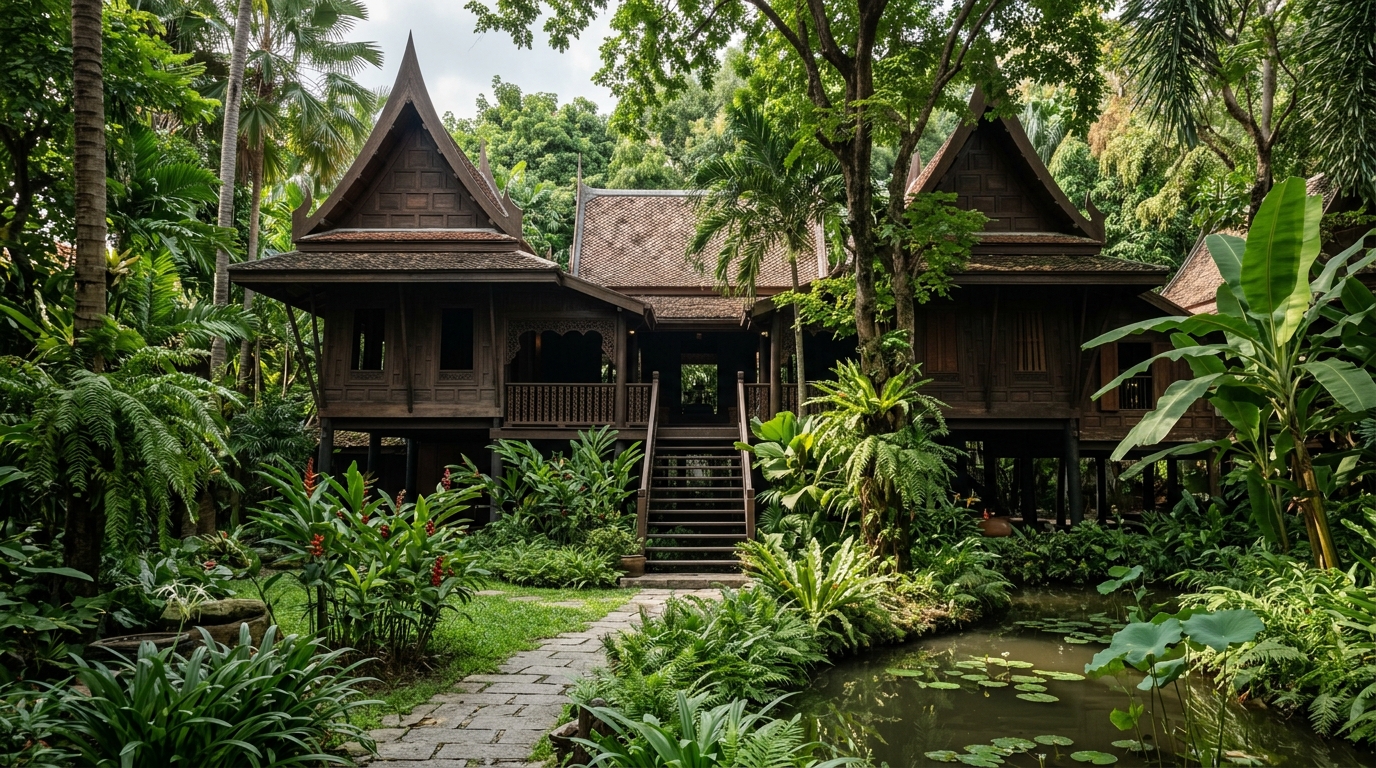
Jim Thompson was an American businessman who moved to Bangkok after World War II and almost single-handedly revitalised the Thai silk industry. He disappeared without explanation in Malaysia in 1967 — a mystery that was never solved. His house, a complex of six traditional Thai teakwood buildings filled with his art collection, is now a museum (entrance 200 THB, guided tours run throughout the day).
The garden is cool and green — a genuinely pleasant place to spend a hot afternoon. There’s also a café on the grounds if you need a sit-down break.
Evening: Rooftop Bar
Bangkok has some of the best rooftop bars in the world, and your last evening here deserves a proper sunset.
A few options worth knowing:
- Vertigo and Moon Bar at the Banyan Tree Hotel — one of the most famous, genuinely stunning views
- Octave Rooftop Bar in Sukhumvit — three floors of open-air seating, good for photos
- Sky Bar at Lebua State Tower — you may recognise it from the Hangover II, pricier but iconic
Book a table or arrive early (5:30–6pm) to get a spot before the sunset rush. Expect to pay 400–800 THB for a cocktail at these places, but it’s worth doing at least once.
Day 3: Markets, Modern Bangkok, and an Optional Day Trip
Day 3 depends heavily on which day of the week you’re visiting.
If It’s Saturday or Sunday: Chatuchak Weekend Market
Chatuchak Weekend Market is one of the largest outdoor markets in the world — over 15,000 stalls across 27 sections selling everything from clothes and vintage finds to ceramics, plants, street food, and art.
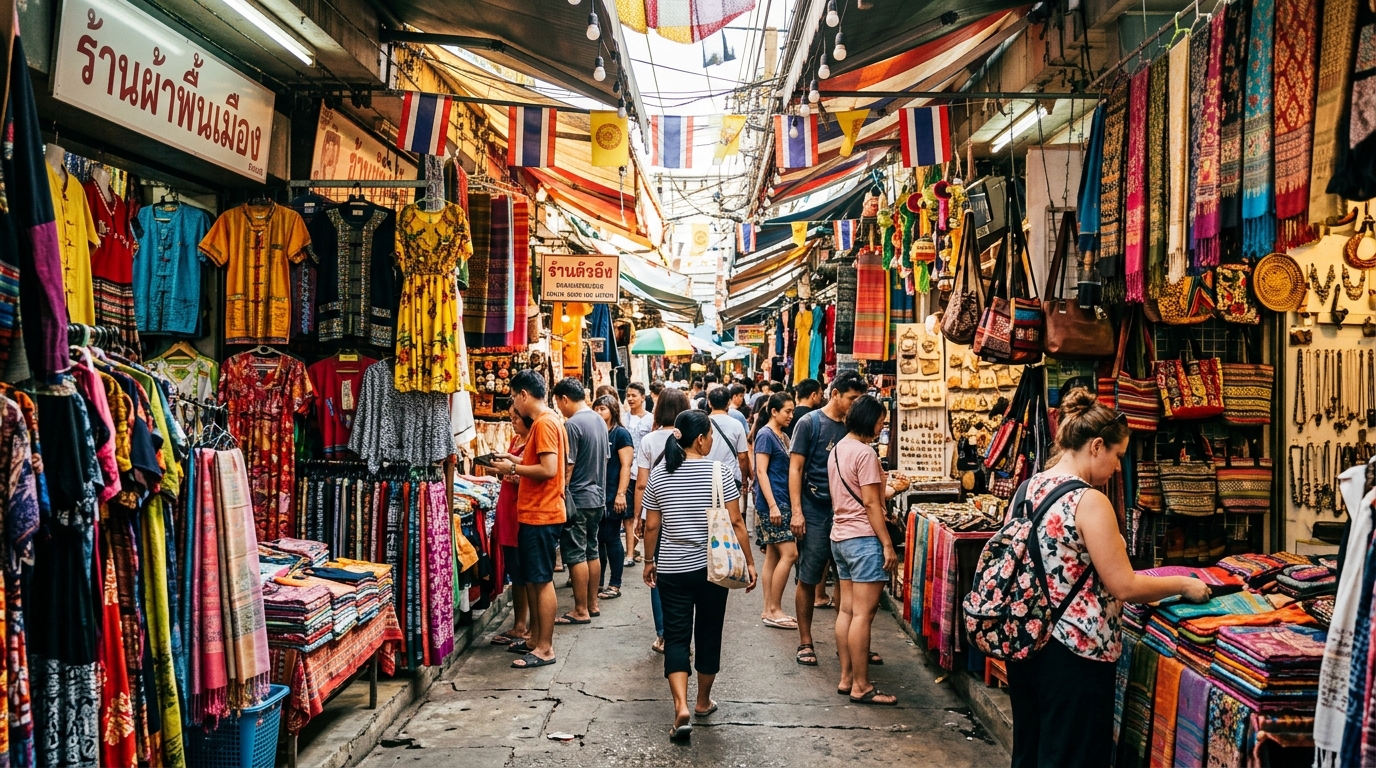
Get there early (opens at 9am) before it gets too hot and too crowded. The market is large enough to spend three to four hours here easily.
Useful tips for Chatuchak:
- Section 2 and 3 are clothing and accessories
- Section 7 is antiques, vintage, and art
- Section 26 is where most of the food vendors are
- Download the Chatuchak map app or pick up a paper map at the entrance — the layout is genuinely confusing
- Bargain politely — expect to pay 60–70% of the first asking price if you negotiate
Getting there: MRT to Chatuchak Park station or BTS to Mo Chit station.
If It’s a Weekday: Chatuchak is only partially open. Swap it for a visit to ICONSIAM shopping mall (actually worth it for the indoor floating market and food hall on the ground floor), or take the morning to visit Lumphini Park — Bangkok’s central park, home to large monitor lizards that wander openly among joggers and families.
Afternoon: Siam District
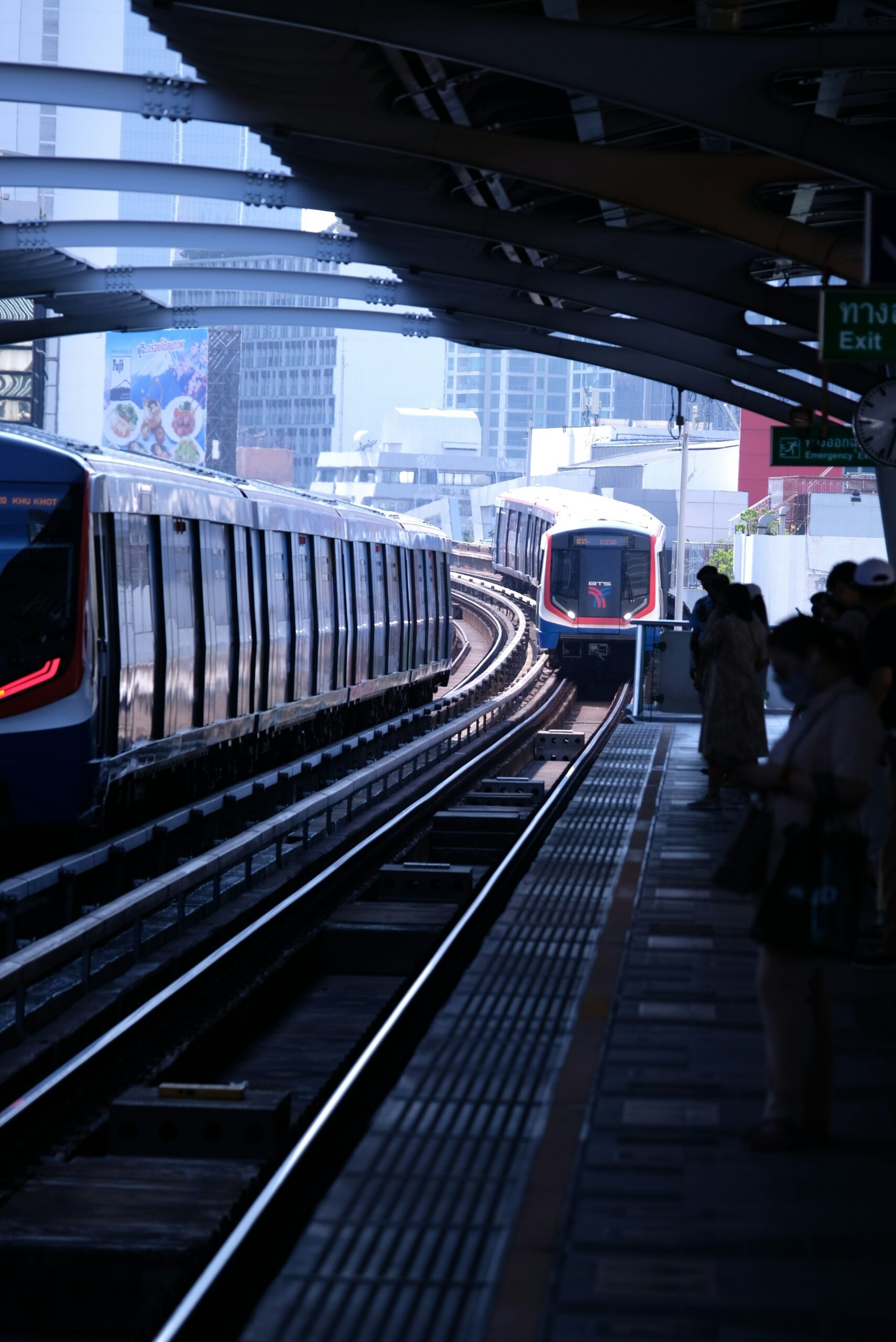
The Siam area is Bangkok’s modern heart. The BTS Skytrain stops right in the middle of it, connecting Siam Paragon, CentralWorld, and MBK shopping malls.
If you want air-conditioned comfort, international food, and Bangkok’s best coffee spots, this is where to spend a hot afternoon. Siam Paragon has an excellent cinema, a massive food court in the basement, and a good bookshop.
Optional: Day Trip to Ayutthaya
If you have any flexibility in your schedule, Ayutthaya deserves a mention. It’s 90 minutes north of Bangkok by train (about 40 THB), and the ancient temples here are extraordinary — crumbling stone towers, headless Buddha statues draped in tree roots, quiet riverside temples with almost no tourists.
It’s a full day trip from Bangkok and works well on Day 3 if you’re leaving late or flying out the next morning. Most people rent a bicycle at the station (around 60 THB) to explore at their own pace.
What to Eat in Bangkok
Don’t overthink this. Bangkok’s street food is some of the best in the world. Eat from busy stalls where food is cooked fresh in front of you. High turnover means the food is safe and usually better quality.
Must-try dishes:
- Pad Thai — the classic. Best versions are at small street stalls, not tourist restaurants. 60–100 THB.
- Khao man gai — poached chicken on rice with dipping sauces. Simple, cheap, perfect. 50–80 THB.
- Som tam — green papaya salad, spicy and tangy. 60–80 THB. Ask for “mai phet” (not spicy) if you’re sensitive.
- Khao soi — this is actually a northern Thai dish, but good versions exist in Bangkok. Coconut curry noodle soup — rich, slightly sweet, deeply good.
- Mango sticky rice — best as a late afternoon snack. 80–120 THB from a good vendor.
- Ba mee — egg noodle soup. Popular for breakfast, eaten by locals at 6am. Light, clean, delicious.
On drinks: Don’t drink tap water anywhere in Bangkok. Bottled water is cheap everywhere (10–15 THB). Coconut water from street vendors is excellent and safe. 7-Eleven and FamilyMart are on almost every corner and sell cold drinks, snacks, and decent ready meals.
Bangkok Budget: What to Expect
Here’s a realistic daily budget breakdown:
| Category | Budget Traveler | Mid-Range |
|---|
| Accommodation (per night) | $15–30 (hostel/guesthouse) | $50–100 (hotel) |
| Food (3 meals) | $8–15 (street food focused) | $20–40 |
| Transport | $3–6 (BTS + ferry) | $8–15 (Grab + BTS) |
| Entrance fees | $10–15 | $15–20 |
| Total per day | $36–66 | $93–175 |
Temple entrance fees add up — the Grand Palace alone is 500 THB ($14). Budget for it specifically rather than being caught off guard.
Scams to Know Before You Go
Bangkok has some well-known tourist scams. Knowing them in advance means you won’t fall for them.
The “temple is closed” scam: Someone approaches you near the Grand Palace or Wat Pho and tells you it’s closed today for a ceremony. It isn’t. This is the opening line of a scam that ends with you in a tuk-tuk heading to a gem shop or tailor where the driver earns commission. Walk straight to the entrance.
The tuk-tuk tour scam: A driver offers a suspiciously cheap city tour. The tour includes multiple “stops” at shops where you’re pressured to buy. Use Grab for transport and book tours through your hotel or a reputable platform like Klook.
Taxi meter refusal: Some taxi drivers refuse to use the meter and quote inflated fixed prices. If they won’t use the meter, get out and hail another taxi. Metered taxis are plentiful and the fares are genuinely cheap.
The gem scam: A friendly stranger tells you about a government gem sale and offers to take you to a special store. There is no government gem scheme for tourists. Walk away.
General rule: If someone approaches you unsolicited near a tourist attraction and offers to help, guide you, or tell you about a special deal — politely decline and keep walking.
What to Pack for Bangkok
Bangkok is hot, humid, and fast-paced. Pack accordingly.
- Light, breathable clothing — linen or moisture-wicking fabrics only. Cotton gets heavy and uncomfortable fast.
- A light scarf or sarong — mandatory for temple visits where shoulders and knees must be covered. Doubles as a beach towel, airplane blanket, and sun shade.
- Reef-safe sunscreen — expensive to buy locally.
- Comfortable walking shoes — you’ll be on your feet a lot and taking your shoes off constantly at temple entrances. Slip-ons are genuinely practical here.
- A portable power bank — between maps, Grab, Google Translate, and photos, your phone battery won’t survive a full day of sightseeing. The Anker 325 Power Bank (PowerCore 20000) available on Amazon is lightweight and charges most phones two to three times on a single charge. Worth packing before you travel.
- A lightweight daypack — something compact that you can carry comfortably in heat. The Osprey Daylite 13L Backpack (Amazon) is a popular pick — spacious enough for water, sunscreen, and a change of clothes but light enough not to add to the heat.
- Rehydration sachets — the heat, spicy food, and long days can dehydrate you faster than you expect.
Practical Tips Nobody Tells You
Build in a midday break every single day. Bangkok between 11:30am and 2:30pm is genuinely exhausting. The heat and humidity during this window can quickly ruin your afternoon. Build in a lunch break somewhere air-conditioned and you’ll feel completely different by 3pm.
The BTS and MRT use separate tickets. If you’re taking both on the same day, you’ll need to tap out and buy a new ticket at the connecting station. Mildly annoying, but easy once you know.
7-Eleven is your best friend. There’s one on almost every block. Cold water, phone chargers, snacks, electrolyte drinks, sunscreen, ready meals — all available 24 hours.
Don’t plan for Chatuchak on a weekday. It’s only fully open Saturday and Sunday. Check your dates before building your itinerary around it.
Thai culture values calm. Raising your voice, showing frustration, or getting visibly angry in public is seen very negatively. If something goes wrong — a scam attempt, a transport issue, a restaurant mix-up — stay calm. It almost always resolves faster that way.
Respect the monarchy. Criticism of the Thai royal family is illegal in Thailand. This applies to tourists as well. Don’t make comments in public.