
For a perfect morning, head to one of Copenhagen’s renowned Danish bakeries for a delightful breakfast, then make your way to Kronprinsessegade Street to browse the local boutiques and cafes. I love spending time here, soaking in the local flavors while enjoying a cup of Original Coffee. Copenhagen’s compact size means you can easily explore the city on foot or by bike—bicycles are everywhere, and they are an ideal way to see this beautiful city. The botanical gardens offer a peaceful retreat, perfect for a slow morning, while the nearby food hall offers a wide range of delicious, local dishes.
Don’t forget to explore the vibrant side of the city in the evening by walking along Zealand and enjoying the modern design alongside the historic sights. The best places to eat are just a short walk away, from classic Scandinavian dishes to trendy new spots. Make sure to visit the Viking sites and museums, which highlight Copenhagen’s rich past while offering a great blend of history and culture. With this itinerary, you’ll get a real taste of Copenhagen’s best, from cutting-edge architecture to charming canals and everything in between.
LOCAL TRIPS COPENHAGEN ; CLICK HERE
When visiting Copenhagen, you might notice that it feels more expensive than other European countries. As a local, I can say this is due to Denmark’s higher standard of living, high taxes, and the strong currency – the Danish krone (DKK). From what I’ve read in blogs and based on my own experience, it’s difficult to make the trip cost-effective here. However, quality and sustainability are prioritized, so what you’re paying for is the premium price of top-tier services and goods.
As a tourist, you’ll certainly find the cost of things elevated in Copenhagen. But the experience is incredible, and it’s obvious why the city’s vibe is so noticeable—everything feels thoughtfully curated, from premium restaurants to well-maintained attractions. So, while the price may be high, the value and experience you get in this beautiful city are well worth it.
When planning a 3-day Copenhagen itinerary, figuring out where to stay is crucial. For the best convenience and easy access to the city’s main attractions, staying in the city center is ideal, though you might find it a bit pricey. During my trip, we ended up booking our accommodation at the last minute, which worked out because we had a flexible itinerary. If you prefer modern luxury, the Bella Sky Hotel is a standout with its remarkable buildings and comfortable rooms, while the AC Hotel by Marriott Bella Sky offers stunning views from the upper floors. These hotels are slightly farther from the city center, but metro stations are nearby, making travel easy and fast.
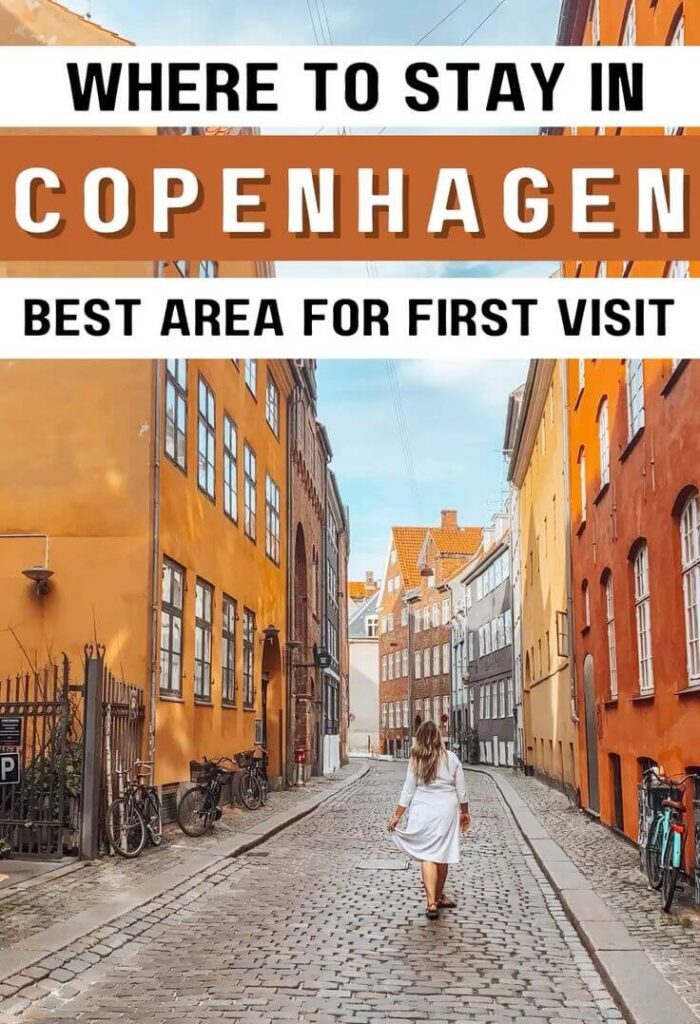
For those who prefer being right in the heart of Copenhagen, the Indre By district offers several central hotels like Motel One Copenhagen, which is modern, comfortable, and located near Tivoli Gardens and Christiansborg. If you’re looking to save, Cabinn City provides more affordable options, with economy private rooms and bunk beds, perfect for budget travelers. Generator, a popular hostel, is ideal for solo travelers and offers dormitories and a social atmosphere. If you’re after something unique, Next House Copenhagen provides a mix of private rooms and dorms with great reviews. For those seeking a luxurious stay, Hotel Sanders is one of the most luxurious stays in the city, offering a five-star experience, though it’s definitely expensive. Regardless of your budget or style, Copenhagen offers plenty of options to match your needs.
During your 3-day Copenhagen itinerary, you’ll experience the perfect mix of the city’s historical landmarks, modern architecture, and beautiful canals. On the first day, take it slow and get a better sense of the city by walking around one of Copenhagen’s most charming neighborhoods. If you prefer, swap the walk for a relaxing canal cruise to soak in the sights of the seaside backdrop and passing boats. On the second day, dive into the main attractions and visit must-sees like the iconic Marble Church and the famous CopenHill, a waste-to-energy plant with an artificial ski slope. This day is for tourists looking to tick off the highlights, so it’s practical to follow a clear route to explore.
By day three, head outside the city center to explore Copenhagen’s surroundings. You can easily stretch this day into a fourth or fifth day if you have the time, but for a short trip, it offers plenty of options to explore the capital and beyond. From visiting nearby towns to enjoying the peaceful scenery, this is your chance to see Copenhagen from a different angle. Whether you’re a first-time visitor or a seasoned traveler, this itinerary covers everything you’ll want to experience in Copenhagen.
LOCAL TRIPS COPENHAGEN ; CLICK HERE
If you’re visiting Copenhagen for three days, the Copenhagen Card can be a great option to save on admissions to some of the city’s top attractions. With places like Rosenborg, Christiansborg, Tivoli Gardens, and the Round Tower included, it covers a wide range of museums and sites. However, it’s important to consider your plans carefully. The 72-hour Copenhagen Card is probably the best value, but even shorter passes can help you save if they match the attractions you want to visit.
One thing to keep in mind is that the city pass also covers attractions outside the city, like Kronborg, Roskilde Cathedral, and Frederiksborg, which could be a great addition if you have more time. The card also includes public transport, making it easy to get around. However, if you’re only focused on a few paid attractions, the card might not be worth it unless you carefully compare the list of included sites and do the math to see if it’s the right choice for your itinerary.
On the first day of your weekend trip to Copenhagen, start by visiting Nyhavn, the iconic canal lined with colorful houses. It’s the perfect place to avoid the crowds and take some time to enjoy the view while having beers by the waterfront. Next, make your way to the Round Tower (Rundetårn) and climb the spiraling walkway to the observation deck, where you’ll be treated to a fantastic view of Copenhagen and even Malmö in Sweden on a clear day.
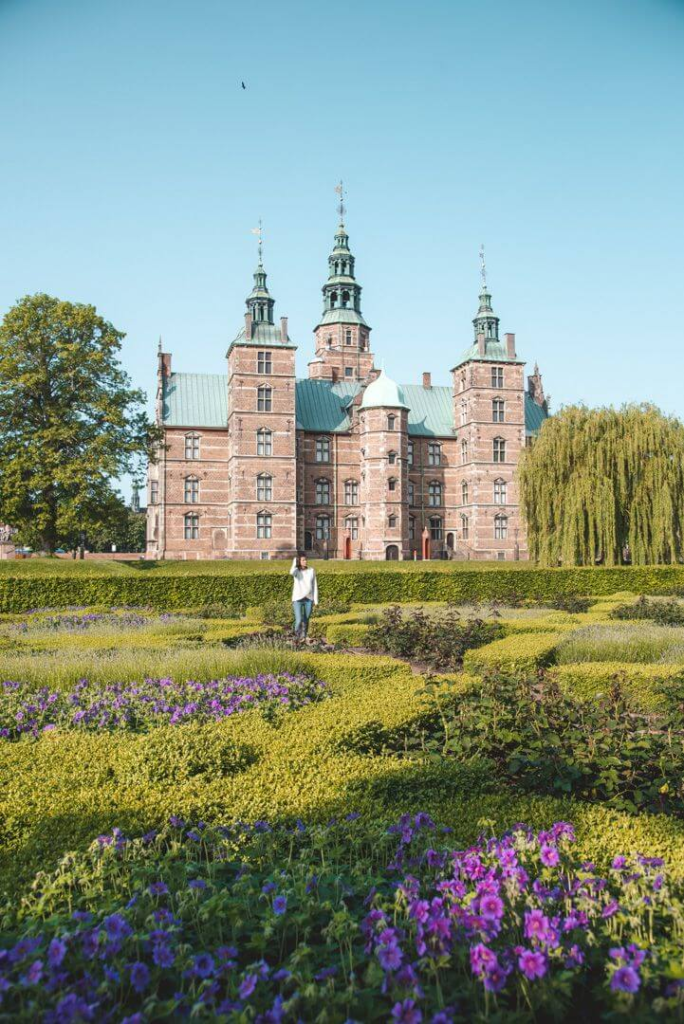
Afterward, head over to Slotsholmen to explore Christiansborg Palace, the home of the Danish government, and stroll along the canal with great views from the bridges. Finally, if time allows, visit Rosenborg Castle, a beautiful example of Dutch baroque style, and wander through Kongens Have, the park surrounding it. If you’re interested, Amalienborg Palace, the residence of the Danish Royal Family, and the nearby Design Museum are also worth a stop.
Spending the day in Copenhagen’s inner city allows you to try some of the Danish capital’s world-famous food scene. Below are my top recommendations based on personal experience.
If you’re looking for some of the best pastries in Copenhagen, you can’t miss BUKA Bakery. With locations in the city center, particularly on Store Kongensgade, this bakery is a must-visit, especially if you’re near the touristy areas. Be ready for queues outside, as locals and tourists alike flock to grab their delicious pastries. If you only get one thing, make it their famous pistachio croissants, which are absolutely worth the wait. BUKA also has another location at Frederiksberggade in Indre By, so no matter where you are, you’ll have easy access to these mouthwatering treats.
Addresses :
Store Kongensgade 18, 1264 København K
Frederiksberggade 21, 1459 København K
If you find yourself near Marmorkirken and the famous orange Nyboder houses, make sure to stop by Another Pizza, a lovely establishment offering excellent options for pizza lovers. The interior is small, so you may need to take your pizza to go, but it’s definitely worth it. Whether you’re in the mood for a quick bite or want to enjoy your pizza nearby, Another Pizza in Copenhagen is a great choice.
Address: Borgergade 134, 1300 København K
For the best burgers in Copenhagen, you have to try Gasoline Grill. This popular spot has several establishments around the city, including one near Marmorkirken and the Design Museum. The flagship burger is a must-try if you’re unsure where to start. Pair it with a refreshing lemonade—it’s the perfect way to complete your meal. Whether you’re in a hurry or just craving a tasty bite, Gasoline Grill is always a great choice.
Address: Niels Hemmingsens Gade 20, 1153 København K
On day 2 in Copenhagen, we had a solid plan to tackle the city’s top attractions with an early start. We spent the long day exploring all the famous attractions in the city. The evening before, we outlined our next day’s itinerary, making sure we knew where we were going. With plenty of experience making last-minute plans, everything went smoothly. Since we were already familiar with central Copenhagen, we got around mostly on foot, which made it easy to visit spots that were close by. We only used the metro to get to and from our hotel, sticking mostly to the route we had planned for the day.
We started our day by taking the metro to Kongens Nytorv station, an interchange station near Nyhavn. This station is a great orientation spot and serves as the perfect place to begin our sightseeing. After a quick metro ride from Bella Center station, we arrived in about 10 minutes at Kongens Nytorv, Copenhagen’s largest square. The square is always busy but still has its charm with beautiful buildings, including the Royal Danish Theater and Charlottenborg Palace, home to the Kunsthal contemporary art gallery.
While Kongens Nytorv isn’t as picturesque as some of the smaller squares in the city, it’s still worth a visit. On the southern edge, we found the Royal Danish Theater (Det Kongelige Teater) and the Magasin du Nord department store, which is housed in a stunning building. As we explored further, we spotted the luxurious Hotel D’Angleterre on the western edge and the grand Thott Palace to the north, which now serves as the French Embassy. After taking in the sights, we headed north towards Amalienborg.
Amalienborg Palace is the official residence of the Danish royal family and one of the most important historic landmarks in Copenhagen. The palace is known for its beautiful buildings and the royal atmosphere it exudes. One of the highlights is the King Frederik V’s statue in the center of the square, surrounded by symmetrical buildings. You can also see the guards patrol the area, adding to the traditional feel. If you’re interested in exploring more, the Amalienborg Museum offers a deeper look into the lives of Danish kings and queens, showcasing their private rooms and the royal duties and traditions they followed.
If you’re planning to visit, keep in mind that the Changing of the Guard happens daily at noon, a royal tradition you can find in many European cities like Prague Castle. Though we missed it, there are still plenty of other sights to enjoy, like Amaliehaven, a park with a fountain, sculptures, and benches where you can relax. From here, you also get a stunning view of the Opera House across the harbor. For those who want to learn more about the royal family, the museum is open from 10 AM to 6 PM and charges 125 DKK for admission.
After visiting Amalienborg, we headed to the Marble Church, also known as Frederik’s Church (Frederiks Kirke). Its majestic dome and gorgeous architecture make it one of Copenhagen’s most iconic landmarks. The church’s design blends Rococo and Roman Baroque influences, standing out among other churches in Denmark. Originally commissioned by King Frederik V in 1749, the church faced delays due to a lack of funding, leaving it unfinished for over 100 years. Despite this, the name Marble Church stuck, even though the original marble was replaced with limestone in the 19th century. While it was free to enter, we arrived too early and had to wait for it to open.
After admiring the church from all sides, including from the opera and Christiansborg Tower, we couldn’t help but agree that this is an incredible building. The experience was definitely worth it, even just seeing it from the outside. If you visit, make sure to enjoy the surroundings and take in the amazing views. Afterward, we walked north to Kastellet, continuing our exploration of Copenhagen’s rich history.
We decided to climb the Christiansborg Tower after a 25-minute wait. It was free to enter, and the time gave us a chance to take a breather and gather some energy. While waiting, we learned that Copenhagen is often called the City of Spires, which sounded familiar since we’re from Prague, a city with a similar nickname. When we finally climbed to the top, we saw several towers, but fewer than we expected, as Copenhagen is quite flat. In the past, the spires stood out more against the low skyline. Despite the changes, the views from the top were still worthwhile. If you’re choosing between Rosenborg and Christiansborg, go for the latter if you’re interested in royal heritage, political history, and grandeur.
On day 3, we decided to dive into Copenhagen’s Bohemian side, a part of the city where preconceptions about Scandinavia being too conformist quickly disappeared. This is especially true in neighborhoods like Nørrebro and Christianshavn, where the rebellious and artistic vibes take center stage. Walking through these areas, you’ll see a different side of the Danish capital that’s full of colorful street art, unique cafes, and a creative spirit that makes the city so special. If you’re looking for a true local experience, these neighborhoods will definitely challenge your ideas about Copenhagen and give you a taste of its more unconventional side.
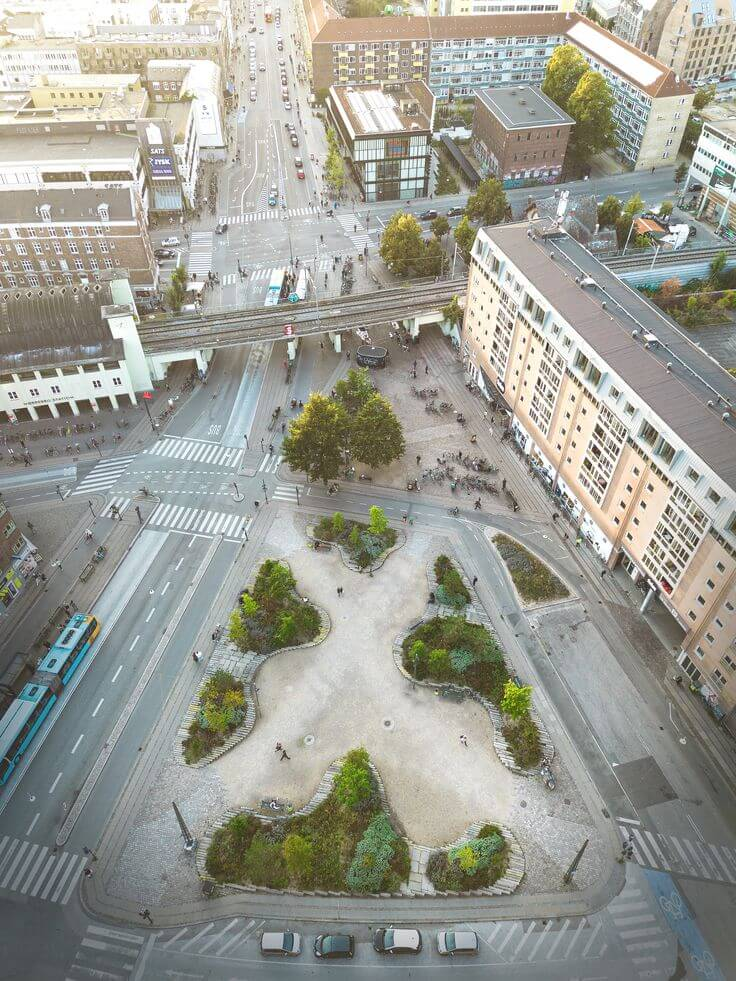
If you want to experience Copenhagen’s most multicultural and hip neighborhood, head to Nørrebro. This area is known for its strong community spirit and is filled with independent stores that make it stand out. One of the highlights is the beautiful public spaces, like Nørberoparken and Superkilen, where you can enjoy both art and nature.
Stefansgade is a must-see street, with some of the best pizza spots in the city. Nearby, you’ll also find Jægersborggade, another vibrant street worth checking out. For a more historical experience, visit Assistens Kirkegård, one of Denmark’s most famous cemeteries, where notable figures like Hans Christian Andersen and Søren Kierkegaard are buried. Nørrebro has something for everyone, whether you’re into food, history, or just soaking up the local atmosphere.
Christianshavn is a maritime district in Copenhagen that has a unique charm, similar to Amsterdam. The area is best explored by taking a boat tour, as many tours pass through the canals in Christianshavn, offering a great way to see the surroundings. As you walk through the cobbled streets, you’ll find the Church of Our Savior, which provides a stunning view over the city, though it’s closed during wet and windy weather.
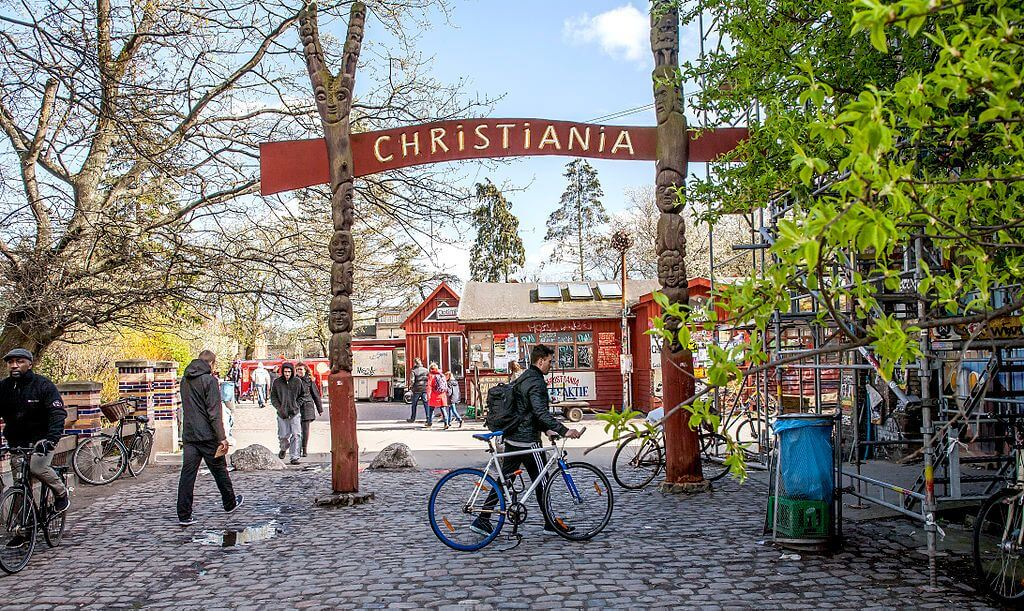
For a different experience, head to Freetown Christiania, a rebellious quarter that started as a military base and has transformed into a vibrant community. It’s a place known for its nature, homes, and alternative vibe, but do note that photography can be sensitive here, especially in certain areas. Pusher Street, which used to be known for hard drugs, was shut down in 2024 to tackle gang-related violence, and while the double penalty zone has since been lifted, it’s still important to avoid buying drugs here.
One of Copenhagen’s hidden gems is Andersen & Maillard, a place where sugar, dough, and butter come together to create some of the best croissants in the city—truly a chef’s kiss. The bakeries here are not only known for their delicious treats but also for their cozy interiors, perfect for enjoying the Danish concept of hygge.
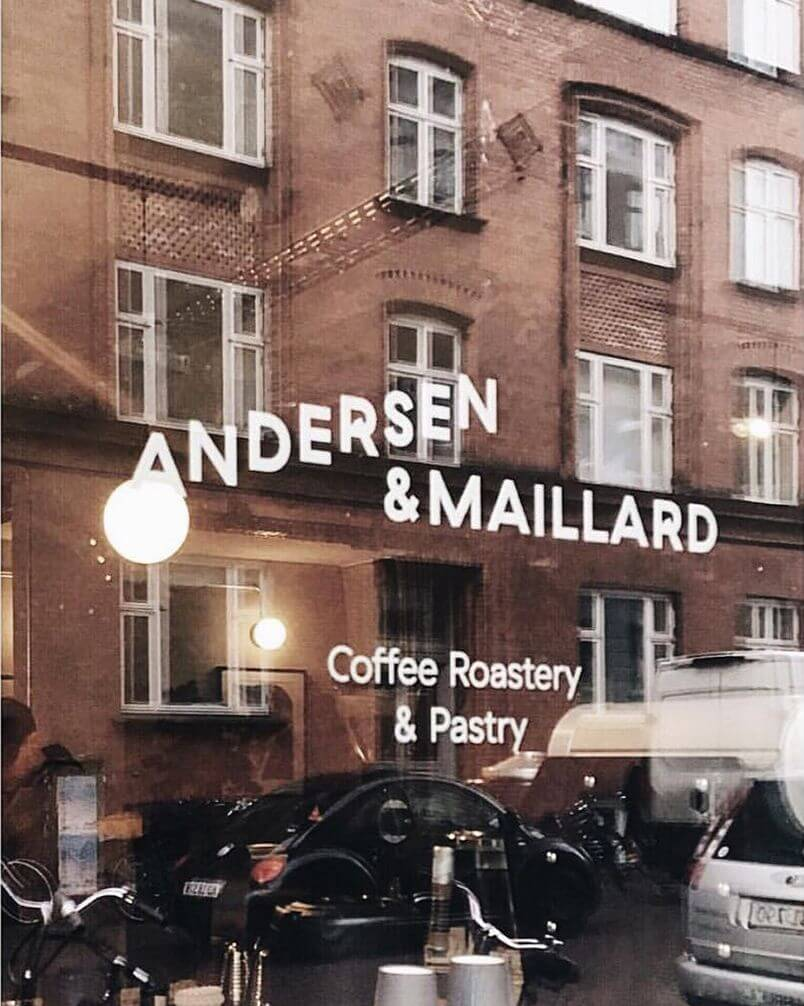
You can visit one of their coffee shops in Nørrebro, which is conveniently close to Assistens Kirkegaard, making it an ideal stop during your day in this part of the city. If you’re exploring other areas, Andersen & Maillard also has locations in Nordhavn and Indre By, so you can easily find a spot to enjoy their wonderful pastries.
When deciding how many days to spend in Copenhagen, we think two days in the city is a good amount of time to see the main attractions and get a feel for the capital. With a small area and most attractions close to each other, it’s totally doable to explore in this timeframe. If you have more time, you could extend your stay to enjoy more museums, food markets, or quiet neighborhoods, or even take day trips to explore the countryside. However, if you’re on a holiday with limited time, like we were, two weeks for everything works well. For a more leisurely experience, you might want to rent a car and take multiple day trips from the city. Keep in mind that Copenhagen isn’t as big as places like London or Rome, so you can easily explore the best of the city even in a single day if you’re short on time.
In Copenhagen, make sure to visit iconic landmarks like Nyhavn harbor, the Little Mermaid statue, and Tivoli Gardens. Explore royal sites such as Amalienborg and Rosenborg castles, and check out Freetown Christiania. Enjoy a canal tour, try smørrebrød, and sample street food at Torvehallerne. For the best panoramic views, climb the Round Tower.
The prettiest area in Copenhagen is Christianshavn, with its coloured houses and idyllic canals. This picturesque neighbourhood on small islands near Holmen is perfect to explore by bike or foot along the quays.
For a great experience in Copenhagen, a 2-day itinerary gives you plenty of time to explore the top attractions, enjoy fantastic food, and do some shopping and sightseeing in the city center, as the city is compact and easy to get around.
Some of the best day trips from Copenhagen include Kronborg Castle in Helsingør, the Roskilde Cathedral and Viking Ship Museum in Roskilde, Frederiksborg Castle in Hillerød, and the beautiful Dyrehaven and Bakken in Klampenborg. If you’re up for international travel, consider visiting Malmö and Lund in Sweden.