Many travelers add it to their bucket list. But here’s what most blogs don’t explain clearly:
It’s not a typical tropical reef experience.
This guide will help you decide if it’s truly worth your time and money and how to plan it properly.
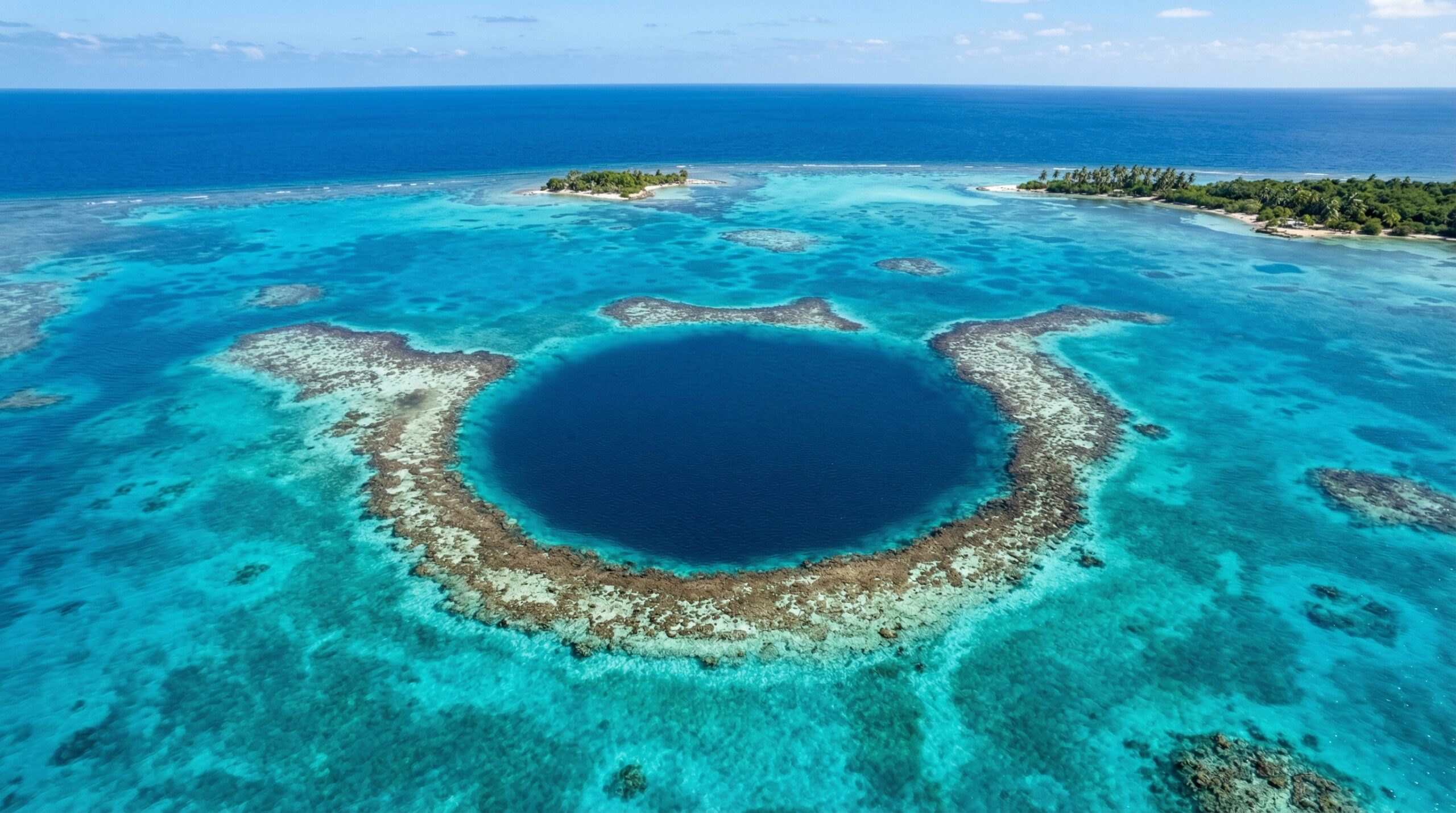
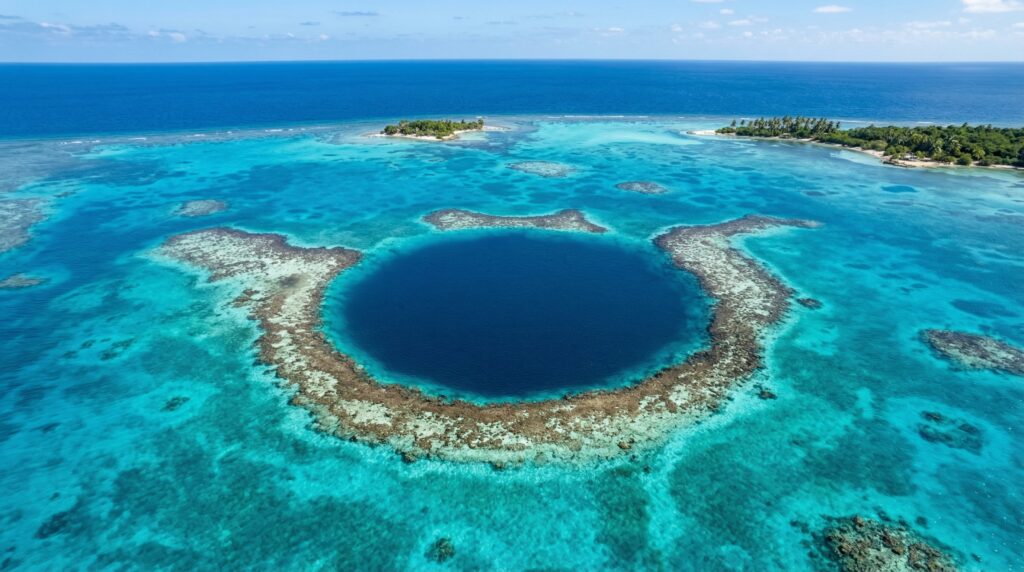
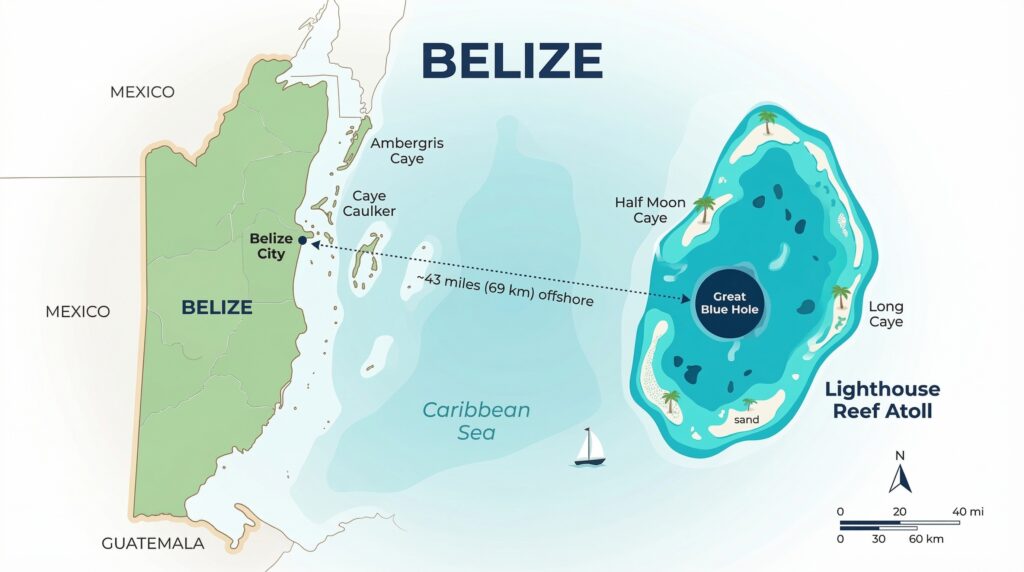
It’s a massive marine sinkhole.
During the last Ice Age, sea levels were much lower. This area was dry land. Rainwater slowly dissolved limestone and formed a huge cave system. When sea levels rose, the cave flooded. The ceiling collapsed.
What remained is the circular opening you see today.
Quick facts:
Diameter: About 1,043 feet (318 meters)
Depth: About 407 feet (124 meters)
Shape: Almost perfectly round
Location: Caribbean Sea, offshore Belize
The dark blue color happens because the water drops sharply into deep darkness. Light can’t reflect back like it does over shallow reefs.
In 1971, ocean explorer Jacques Cousteau visited and called it one of the top dive sites in the world.
That single moment turned it into a global icon.
Since then, drone photos and helicopter shots have made it even more popular.
But diving it and seeing it from the air are two very different experiences.
It depends on what you want.
Let’s break it down honestly.
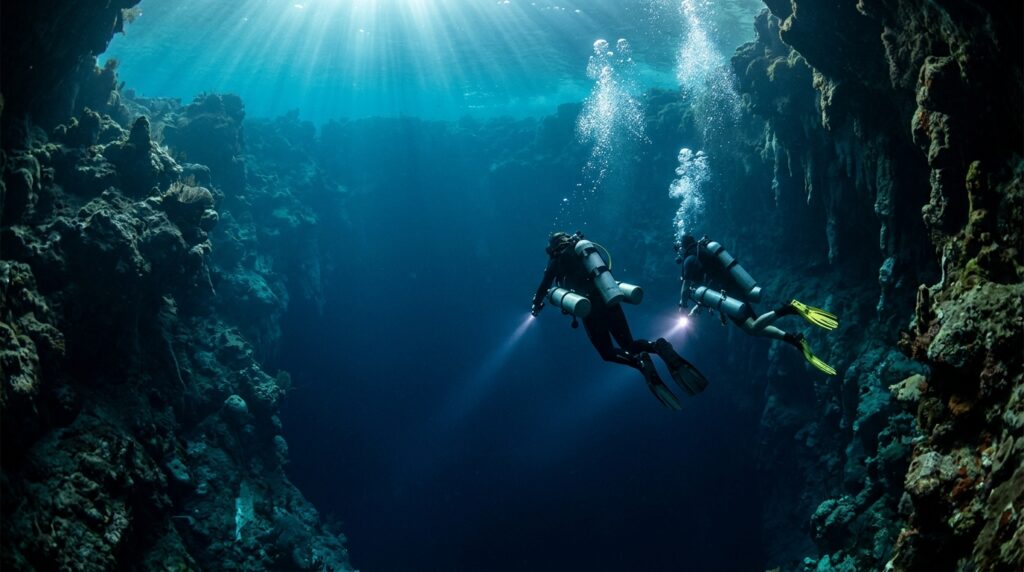
The Blue Hole is a deep dive.
You descend quickly to around 130 feet (40 meters). You’ll see:
Massive underwater stalactites
Limestone cave formations
Reef sharks in deeper water
A dramatic drop into darkness
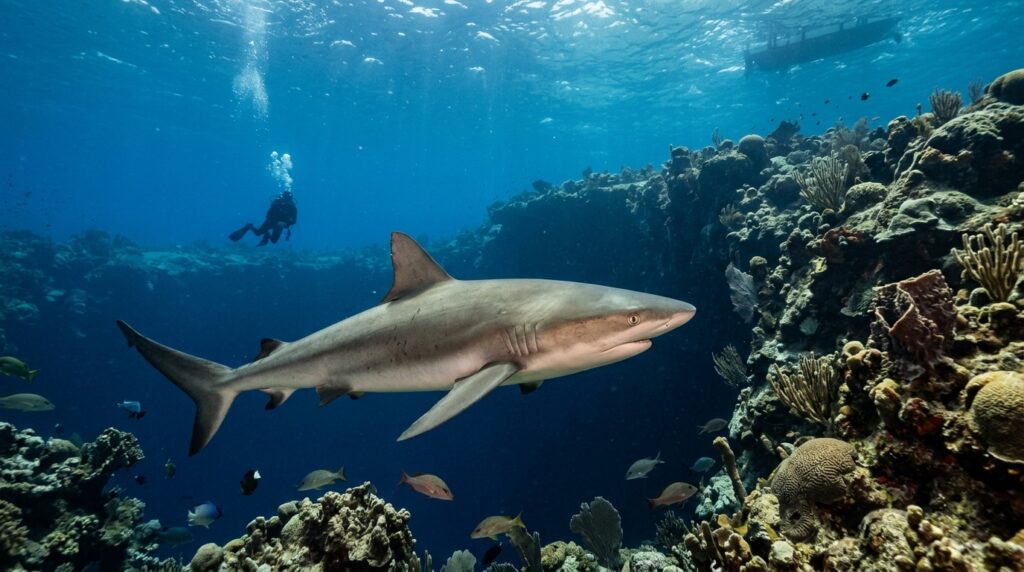
What you won’t see:
Bright coral gardens
Colorful reef fish everywhere
Clear, shallow reef photography
This dive is more about geology and depth than marine life.
It’s best for:
Advanced divers
Divers comfortable with deep profiles
People who want a “once in a lifetime” dive experience
It’s not ideal for beginners.
This is where many blogs mislead readers.
You cannot snorkel inside the Blue Hole itself. It’s too deep.
But most full-day tours include the following:
Snorkeling at nearby coral reefs
Visits to Half Moon Caye
Beach time on small islands
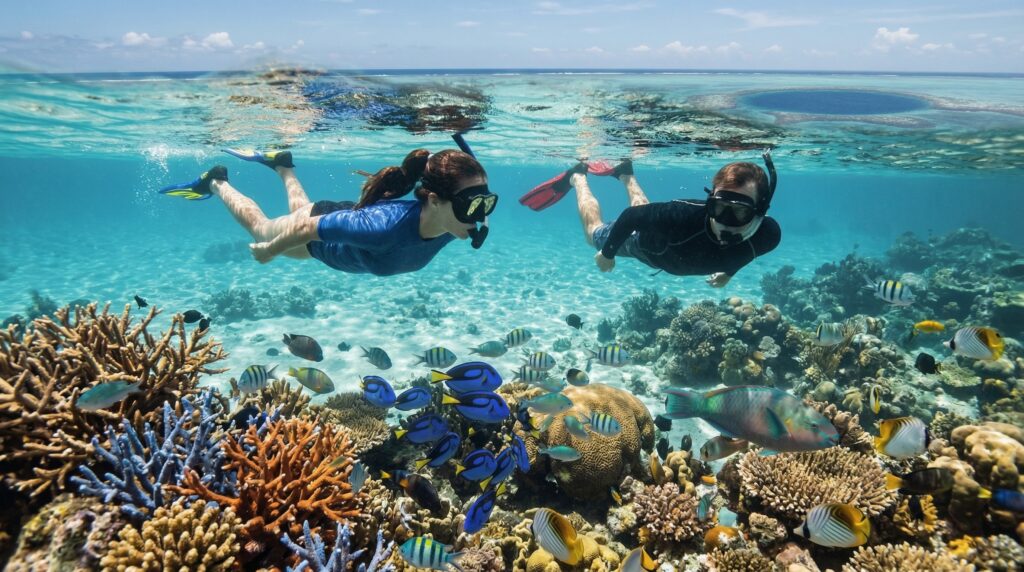
If you don’t dive, you’ll mostly enjoy the surrounding reef areas, not the actual hole.
If your main goal is marine life, other Belize reef spots may be more exciting.
You don’t go directly from mainland Belize City.
Most tours leave from:
San Pedro (Ambergris Caye)
Caye Caulker
Belize City
The boat ride takes about 2–3 hours one way.
Expect a full-day trip, usually 8–10 hours.
Helicopter tours are also available. These offer the best aerial view and stunning photos, but they are more expensive.
Belize has two main seasons.
Dry season: December to May
Calm seas
Better visibility
Higher tourist numbers
Rainy season: June to November
Rougher seas
Possible trip cancellations
Lower prices
For diving conditions, dry season is safer and more predictable.
Be realistic about the budget.
Approximate prices:
Diving trip: $250–$350 USD
Snorkeling trip: $200–$250 USD
Helicopter tour: $300–$450 USD per person
This includes equipment, guides, and park fees in most cases.
It is not a cheap excursion.
If you’re traveling on a tight budget, consider whether that money might be better spent on multiple reef dives elsewhere.
Let’s cover the gaps.
The sea can be rough.
The boat ride is long.
If you get seasick easily, this trip may not be enjoyable.
This is not a casual dive.
Nitrogen absorption, limited bottom time, and safety stops matter here.
If you’re newly certified, gain more experience first.
The site is part of the Belize Barrier Reef Reserve System.
Touching coral, collecting shells, or damaging the reef can lead to serious penalties.
Respect the environment.
Even in peak season, trips can be canceled due to sea conditions.
Always keep flexible days in your itinerary.
Here’s how to plan smartly:
Book with a licensed dive operator
Check weather conditions two days before
Eat light before the boat ride
Bring reef-safe sunscreen
Carry motion sickness tablets if needed
Do not fly within 18–24 hours after deep diving
If you want the famous aerial photo, consider a short helicopter tour instead of diving.
Belize has incredible reef sites beyond the Blue Hole.
If your goal is:
Colorful fish
Coral photography
Shallow reef snorkeling
Budget-friendly diving
Other sites along the Belize Barrier Reef may actually offer better value.
The Blue Hole is about the experience and the story.
Not pure marine beauty.
Most trips to the Great Blue Hole are full-day boat excursions that leave early in the morning and return in the late afternoon. You’ll spend several hours on the water, often under strong sun and surrounded by ocean spray. Space on the boat is usually limited, so it’s best to pack light and bring only the essentials.
Preparing the right items will make the journey much more comfortable and help you enjoy the experience without unnecessary stress.
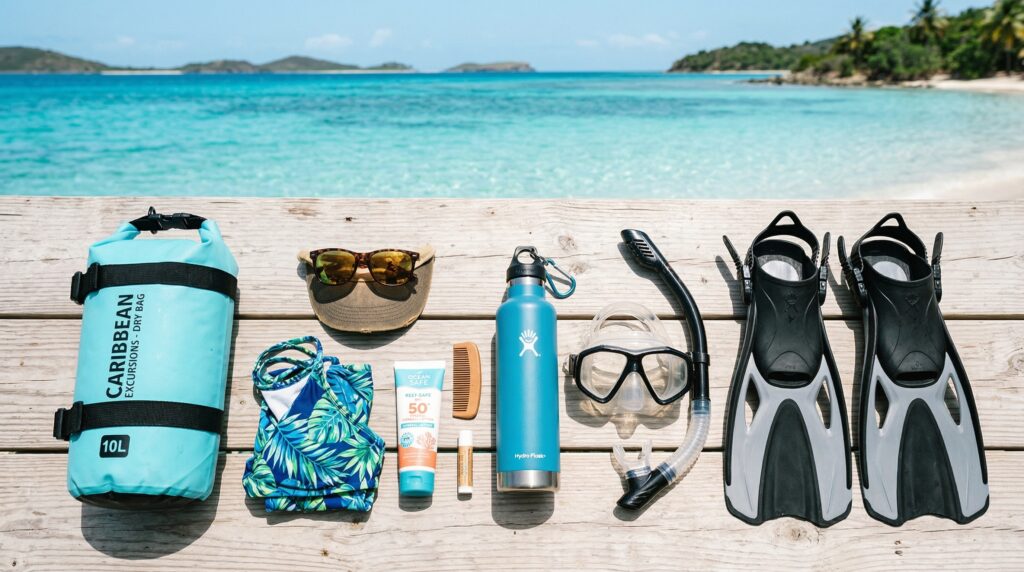
Reef-safe sunscreen
The Caribbean sun is intense, especially during long boat rides. Protecting your skin is important, but it’s equally important to protect marine life. Many travelers bring Raw Elements Reef Safe Sunscreen SPF 30 because it provides strong sun protection while remaining safe for coral reefs.
Polarized sunglasses
Sunlight reflecting off the ocean can be very bright and uncomfortable. A pair of Costa Del Mar Polarized Sunglasses helps reduce glare and makes it easier to see marine life in the water during the trip.
Lightweight dry bag
Saltwater spray and splashes are common during boat rides. A small waterproof bag keeps your phone, wallet, and camera safe throughout the journey. Many travelers prefer the Earth Pak Waterproof Dry Bag Backpack because it protects belongings from water and is easy to carry on day trips.
Swimsuit or quick-dry clothing
Whether you’re diving, snorkeling, or simply swimming near the reef, you’ll likely get wet during the trip. Wearing quick-dry clothing or bringing a spare swimsuit helps you stay comfortable for the rest of the day.
Reusable water bottle
Staying hydrated is important when spending hours under the tropical sun. Bringing a durable bottle like the Hydro Flask Stainless Steel Water Bottle helps keep your water cool during the trip.
Motion sickness tablets
The boat ride to the Blue Hole can take two to three hours depending on where you depart from. If you’re sensitive to waves, taking motion sickness tablets before the trip can make a big difference.
Packing these simple items will help you stay comfortable, protect your gear, and focus on enjoying one of the most famous natural wonders in the Caribbean.
The Great Blue Hole is impressive.
It’s unique.
It’s dramatic.
It’s iconic.
But it’s not a typical tropical paradise dive. If you’re an experienced diver who wants to explore a world-famous geological formation, it’s worth doing once. If you’re a casual traveler looking for vibrant reef life, you may enjoy other Belize reef spots more.
Plan honestly. Set correct expectations. Then decide.
That’s how you avoid disappointment.
About 407 feet (124 meters). Recreational divers typically descend to around 130 feet.
It’s not recommended. It’s a deep dive and better suited for experienced divers.
No. The hole itself is too deep. Snorkeling happens at nearby reef sites.
With a certified operator and proper experience, yes. But it requires comfort with deep diving.
March and April usually offer calm seas and good visibility.