
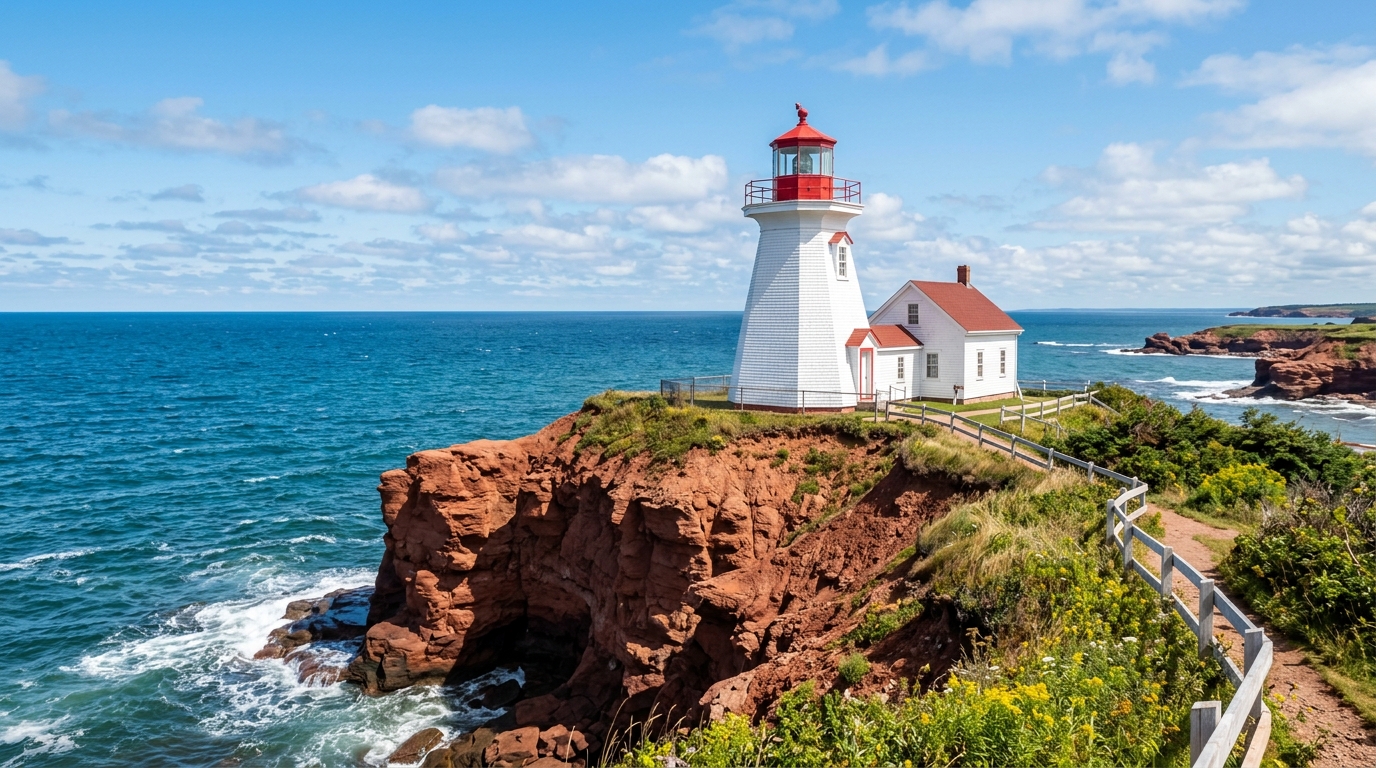
 By the end, you will have a full Prince Edward Island road trip itinerary you can actually follow, not just a list of pretty photos.
PEI is tiny. It is Canada’s smallest province, covering about 5,180 square kilometres, which is smaller than many single counties in the United States. <cite index=”18-1″>You can reach the island by plane, by driving over the 12.9 kilometre Confederation Bridge from New Brunswick, or by ferry from Nova Scotia. Once you are on the island, nothing feels far away. In fact, no matter where you stand on PEI, you are never more than 16 kilometres from the ocean.
That closeness to the water is exactly why seafood lovers adore this place. Lobster, oysters, and clams show up on almost every menu, which is part of why PEI has earned the nickname Canada’s Food Island.
Short drives, big scenery, and food worth stopping for. That is the whole appeal packed into one sentence.
This is the question everyone asks, and most articles give a different answer. Here is the honest breakdown.
Tourism PEI’s own visitor guide backs this up, noting that three or four days gives first time visitors enough time to see the top attractions along with a quick tour from tip to tip while a slower trip built around beach time and hiking usually needs a full week or more.
If your dates are flexible, aim for 5 days. It is long enough to actually relax, and short enough to keep the trip affordable.
Late June through September is the sweet spot. The weather is warm, beaches are swimmable, and most seasonal attractions like lighthouses and lobster suppers are open. July and August are the busiest months, so book cottages and popular restaurants early if you are traveling then.
September is a quiet favorite among repeat visitors. The crowds thin out, prices drop a little, and the red cliffs against blue water still look just as good in early fall.
Avoid a PEI road trip itinerary planned for winter unless you specifically want a quiet, snowy trip. Many restaurants, museums, and lighthouses close completely between November and April.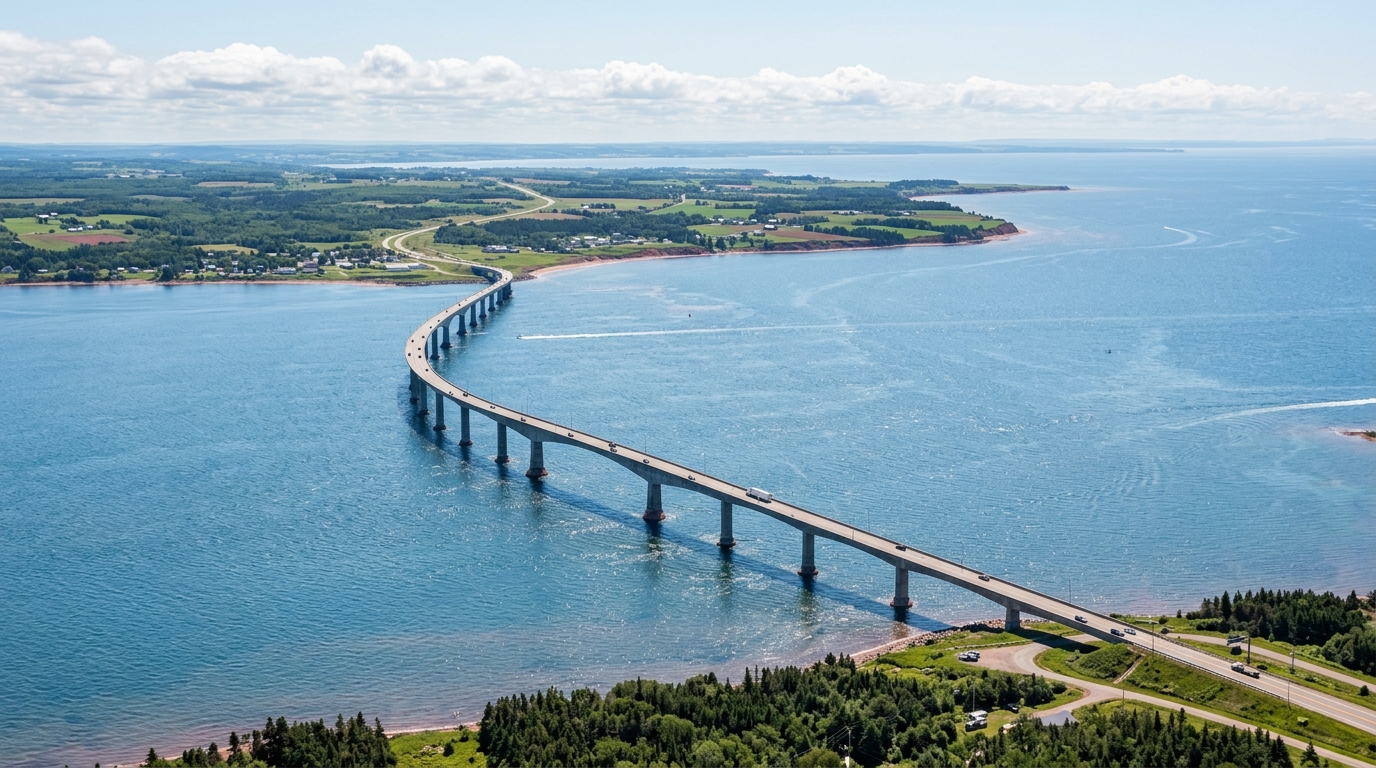
You have two main ways onto the island.
Confederation Bridge: This connects PEI to New Brunswick and takes about 12 minutes to cross. There is no toll to enter the island, but you pay when you leave.
Northumberland Ferry: This runs between Caribou, Nova Scotia and Wood Islands, PEI, from spring through fall. The crossing takes about 75 minutes and is a fun way to start or end your trip if you are also visiting Nova Scotia.
A smart move for a longer trip is to enter one way and leave the other. Drive over the bridge, then leave by ferry, or the reverse. That way you are never backtracking over the same road twice.
Every real Prince Edward Island road trip itinerary is built around three main scenic routes. Understanding these makes planning everything else much easier.
Most itineraries fail to explain how these three routes connect. Here is the simple version: start in Charlottetown, since it sits in the middle of the island, then loop out toward whichever coastal drive matches the number of days you have.
Here is a clear, practical 5 day plan that touches all three coastal drives without rushing.
Start in the capital city. Walk the waterfront, visit the Confederation Centre of the Arts, and grab lunch at the Founders’ Food Hall. Charlottetown is compact enough to explore fully on foot in an afternoon. Stay the night here to avoid a late drive on unfamiliar roads.
Drive north, about 40 minutes, to Cavendish. Visit Green Gables Heritage Place, the home that inspired the famous novel. Spend the afternoon at Cavendish Beach inside PEI National Park. This area gets busy in summer, so arrive early if you want easier parking.
Head west toward Summerside, then continue up to North Cape. This stretch is quieter, with wind turbines, red sandstone cliffs, and small lighthouse stops along the way. Stop for lunch at a local seafood shack in Summerside before continuing the loop.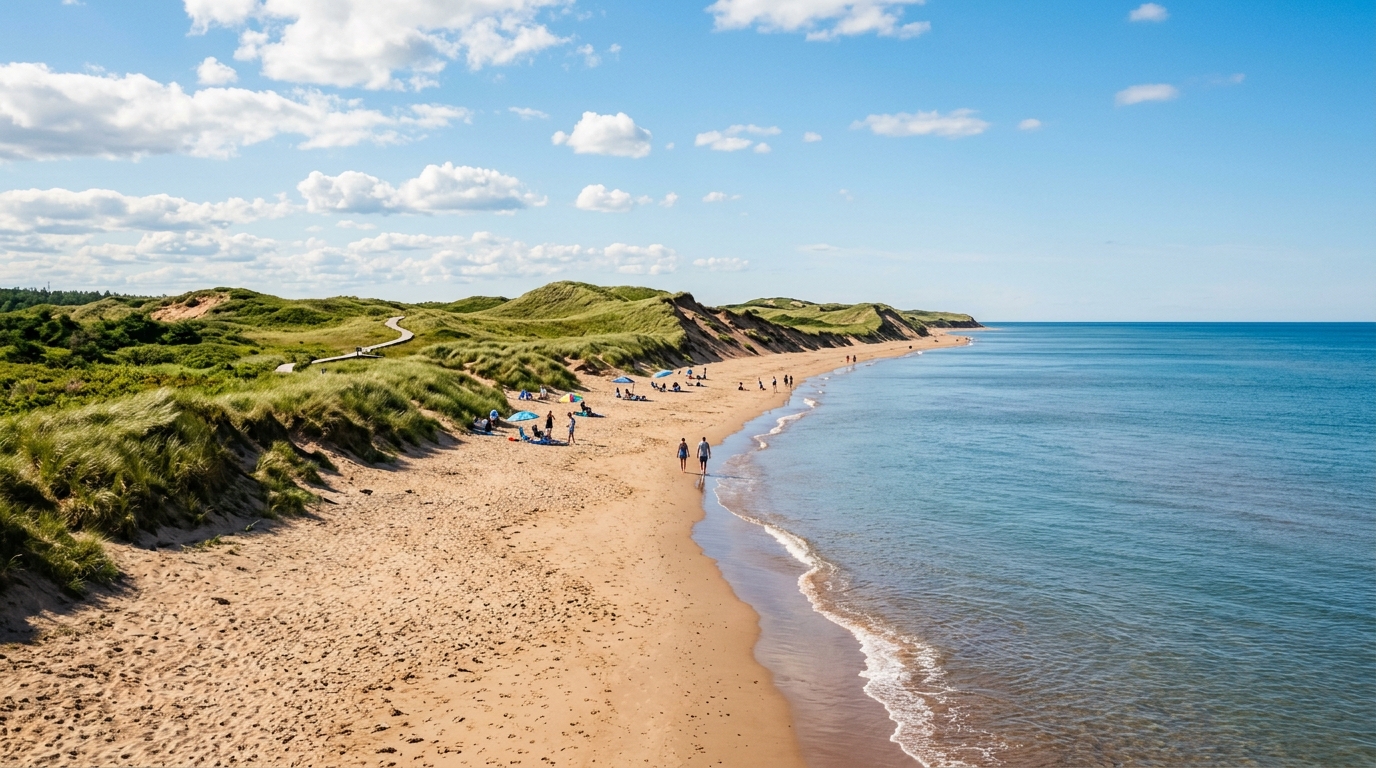
Drive east toward Souris and Basin Head Provincial Park, home to the famous singing sands, a beach where the sand actually squeaks under your feet. Continue to East Point Lighthouse, the easternmost tip of the island.
Loop back through the southern coast, stopping in Montague or Georgetown for a relaxed lunch, before returning to Charlottetown or heading to the Confederation Bridge if your trip is ending.
For a 7 day version of this trip, simply add one extra night near North Cape and one extra night near Points East, so you are not driving long distances after a full day of sightseeing.
This is a real gap in most guides. They tell you what to see, but not where to sleep.
A popular middle ground, and one shared by several repeat visitors, is booking two main hubs, usually Charlottetown and Cavendish, then taking day trips out toward the coastal drives from each one.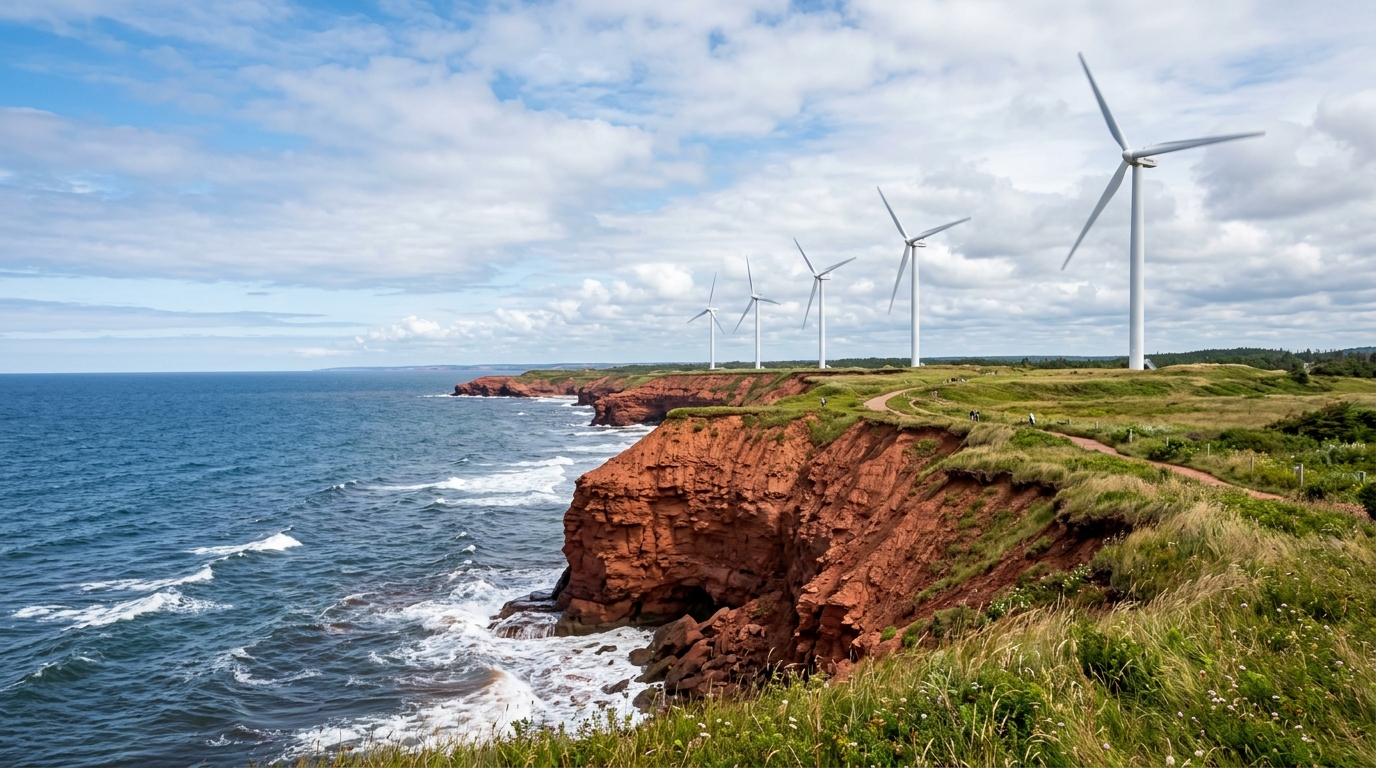
After going through the most popular PEI road trip guides online, a few gaps kept showing up.
This guide covers all five gaps above, so you are not left guessing.
Island roads are simple, but a few smart items make the drive smoother and the beach days easier.
None of these are fancy. They are just the small things that make a long driving day feel a lot less stressful.
A Prince Edward Island road trip itinerary is not complete without eating your way across the island.
If you are building out a wider Atlantic Canada trip, our guide to planning a Canada road trip itinerary walks through how to connect PEI with neighboring Nova Scotia and New Brunswick.
Planning your outfits for beach days and countryside walks is easier with a solid packing list. Check out our packing guide for a coastal summer vacation before you leave.
How many days do you need for a Prince Edward Island road trip? Three to four days covers the main highlights. Five days is the most comfortable pace for first time visitors. A full week lets you relax on beaches and explore quieter towns without rushing.
Is PEI a good road trip destination? Yes. The island is small, roads are easy to navigate, and every coastal drive offers a mix of beaches, lighthouses, and small towns within short driving distances.
What is the best route for a PEI road trip? Start in Charlottetown, then loop out through the Central Coastal Drive toward Cavendish, continue along the North Cape Coastal Drive, and finish with the Points East Coastal Drive before returning to Charlottetown.
Do I need a car on Prince Edward Island? Yes. Public transport is limited outside Charlottetown, and most of the island’s best spots, like lighthouses and beaches, are only reachable by car.
Is Confederation Bridge or the ferry better for entering PEI? Neither is better, they simply serve different routes. The bridge connects to New Brunswick and takes about 12 minutes. The ferry connects to Nova Scotia and takes about 75 minutes. Many travelers enter one way and leave the other to avoid repeating the same drive.
What is the best time of year for a PEI road trip? Late June through September offers the warmest weather and the most open attractions. September is quieter than July and August, with the same great scenery.
A Prince Edward Island road trip itinerary does not need to be complicated. Pick your number of days, choose Charlottetown as your starting point, and loop through the coastal drives that match your pace. Whether you have three days or a full week, the island rewards slow driving, beach stops, and a healthy appetite for lobster rolls.
Start simple, leave room for surprises, and let the red dirt roads do the rest.
For more travel planning help, browse our full collection of road trip itineraries and travel guides or check our Canada travel guide for more destinations near PEI.