Many popular travel articles list famous Alpine towns. But most of them miss practical details such as when to visit, how to choose the right town, budget tips, and lesser-known alternatives.
This guide fills those gaps and gives you a clear look at the most beautiful mountain towns in Europe, along with helpful travel tips.
Mountain towns attract travelers for three simple reasons.
1. Dramatic scenery
Many European mountain villages sit in valleys surrounded by peaks, glaciers, and alpine forests.
2. Outdoor adventure
Visitors can enjoy activities like:
Hiking
Skiing
Cable car rides
Mountain biking
Scenic train journeys
3. Authentic culture
Unlike large cities, mountain towns preserve traditions such as local food, wooden architecture, and seasonal festivals.
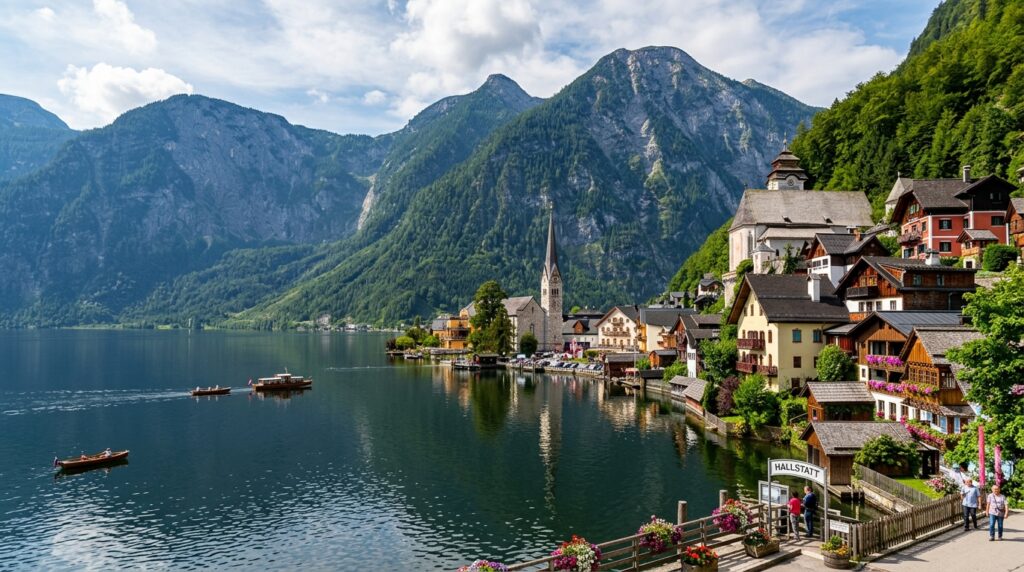
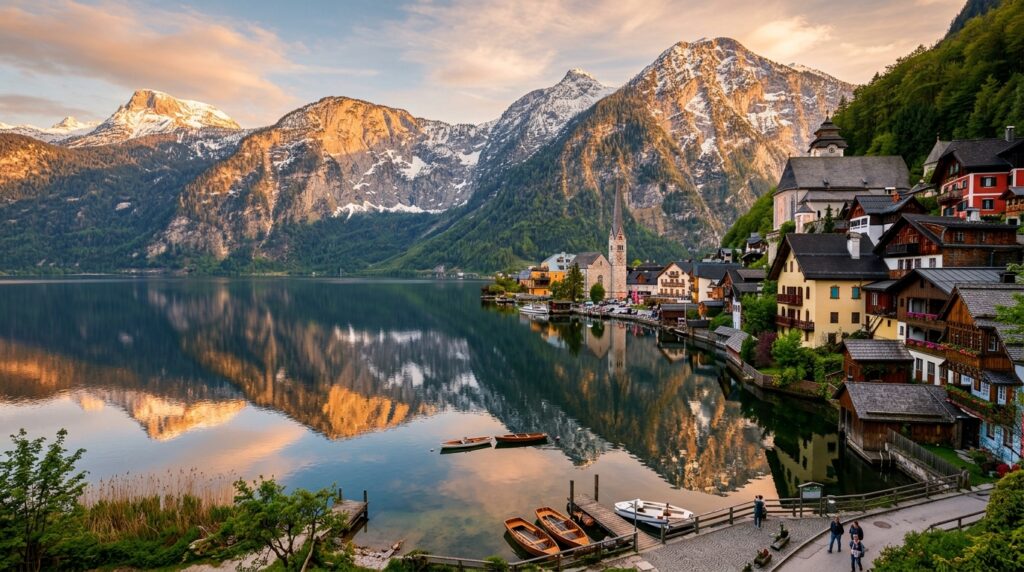
Hallstatt is often called the most beautiful lakeside village in Europe. The town sits between steep Alpine mountains and a calm lake, creating one of the most photographed landscapes in the region.
Why travelers love it:
Colorful houses reflecting on the lake
Quiet alpine atmosphere
Historic salt mines
Boat rides with mountain views
Best things to do:
Walk the Hallstatt Skywalk
Visit the world’s oldest salt mine
Explore the lakeside village streets
Best time to visit: May to October for hiking, December for winter scenery.
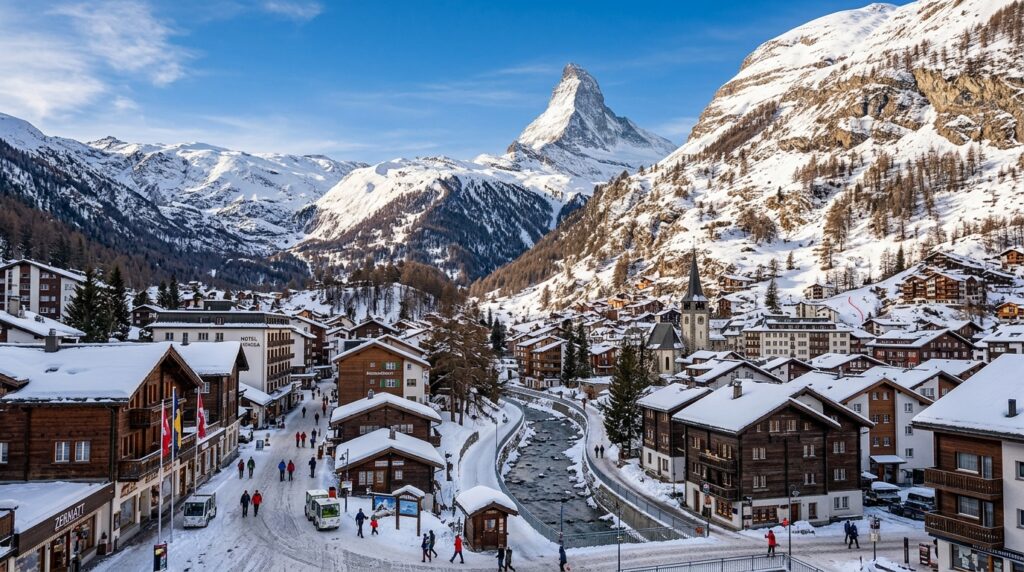
Zermatt sits at the base of the famous Matterhorn mountain and is one of Europe’s most iconic Alpine towns.
The town is car-free, which makes it peaceful and perfect for walking.
Highlights:
Matterhorn views everywhere
Skiing in winter
Alpine hiking trails
Scenic train rides
Zermatt is considered one of Europe’s top ski destinations.
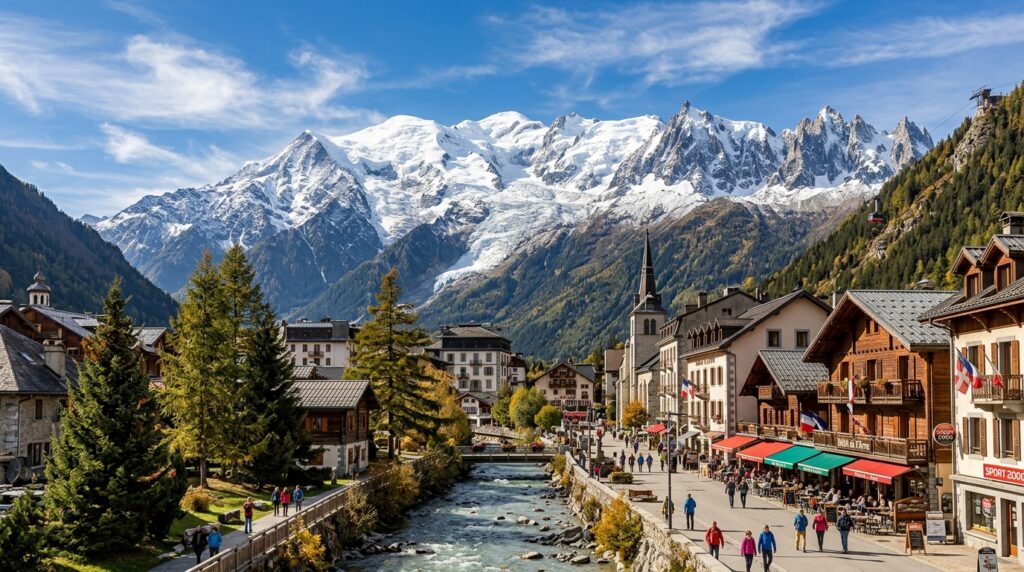
Located at the foot of Mont Blanc, Chamonix is famous for mountaineering and outdoor adventure. It is often considered the birthplace of modern alpine climbing.
Top experiences:
Aiguille du Midi cable car
Mer de Glace glacier
Summer hiking routes
Winter skiing
This town blends serious mountain adventure with charming French culture.
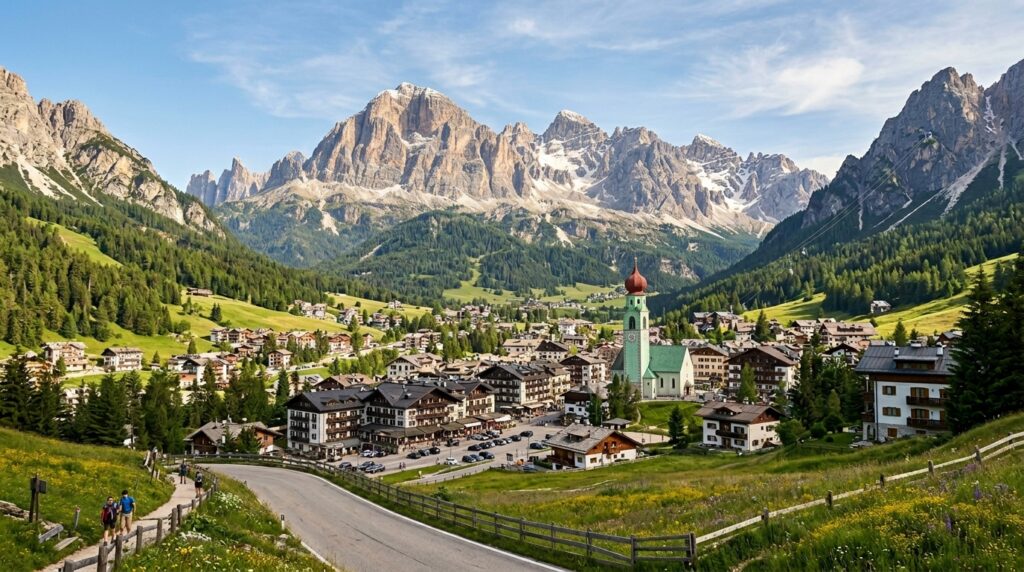
Cortina is a stylish mountain town located in the Dolomites. It became famous after hosting the 1956 Winter Olympics and continues to attract travelers from around the world.
Why visit:
Dramatic Dolomite peaks
Luxury alpine resorts
Scenic hiking trails
Charming piazzas and cafés
Cortina will also host events during the 2026 Winter Olympics.
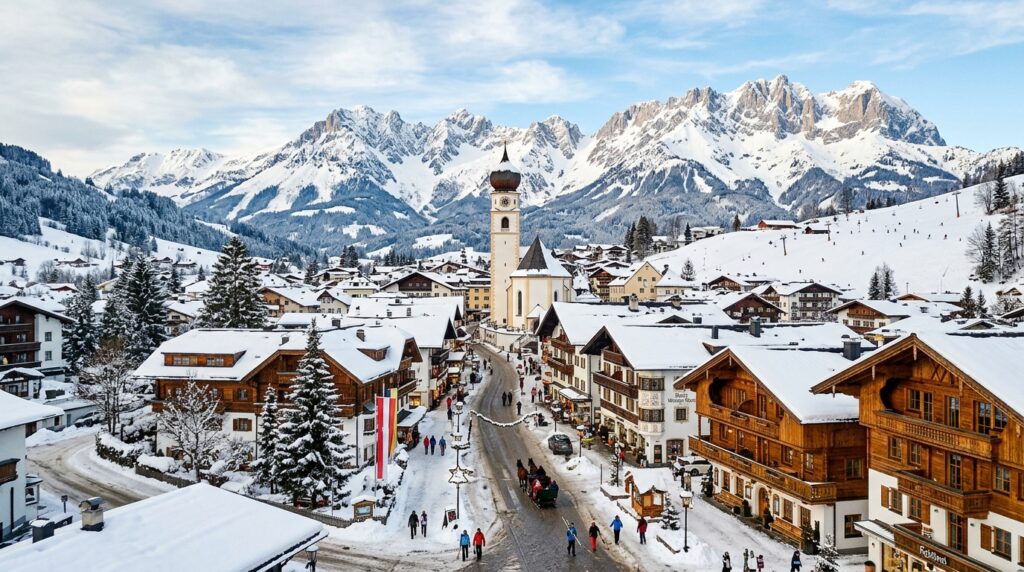
Kitzbühel is one of Europe’s most famous ski towns.
It hosts the legendary Hahnenkamm downhill race, known as one of the toughest ski races in the world.
What makes it special:
Medieval town center
Colorful buildings
Luxury alpine hotels
Year-round outdoor sports
Summer visitors enjoy more than 500 km of hiking trails.
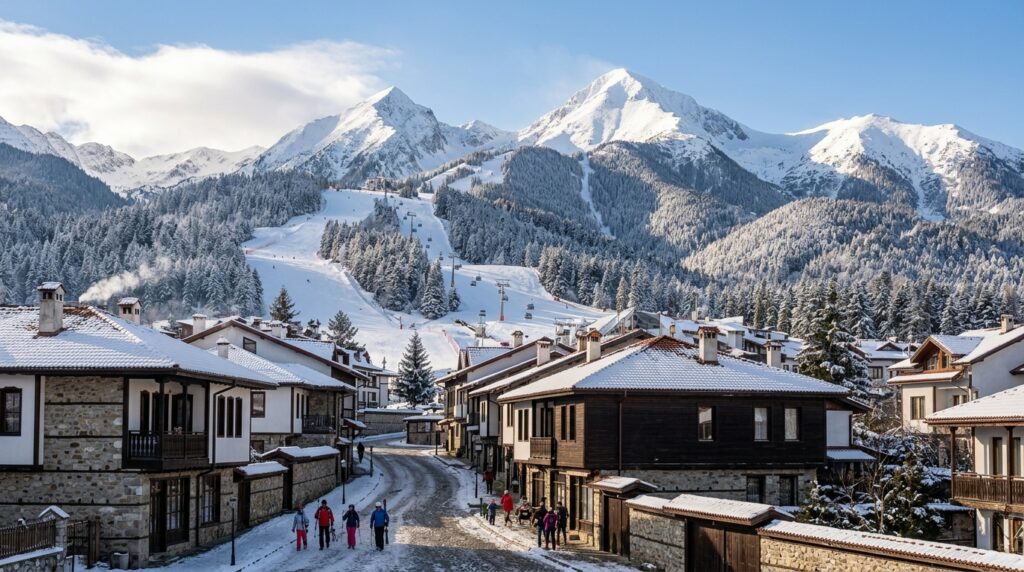
Bansko is one of Europe’s most affordable mountain towns.
The town offers great skiing, historic streets, and growing popularity among digital nomads.
Reasons to visit:
Lower travel costs
75 km of ski runs
Traditional Bulgarian food
Historic old town architecture
It’s an excellent alternative to expensive Alpine resorts.
Most travel articles focus only on famous Alpine resorts. But Europe has many lesser-known mountain towns worth exploring.
Chiavenna
Chiavenna sits near the Swiss border and offers:
Waterfalls
Historic palaces
Quiet mountain hiking routes
Authentic Italian cuisine
Unlike nearby Lake Como, it remains peaceful and uncrowded.
Szczyrk
This small town in the Beskid Mountains is popular for skiing and hiking.
Visitors enjoy:
60 km of ski runs
Scenic mountain viewpoints
Affordable winter travel
Different travelers want different experiences.
For luxury alpine resorts
Choose:
Zermatt
Cortina d’Ampezzo
Kitzbühel
For budget travel
Choose:
Bansko
Szczyrk
For photography and scenery
Choose:
Hallstatt
Chamonix
For hiking and adventure
Choose:
Chamonix
Zermatt
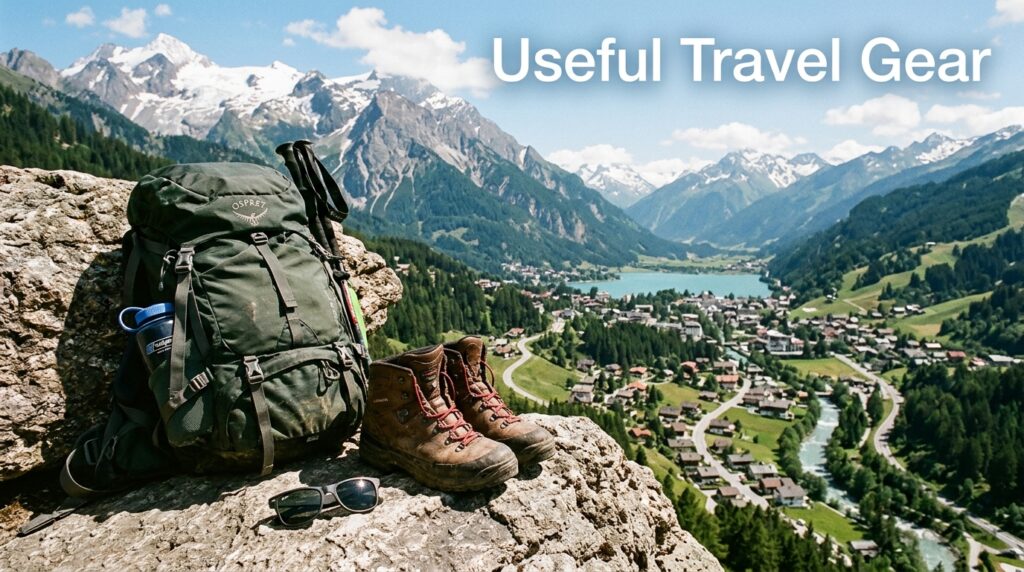
Mountain towns in Europe are beautiful, but the weather and terrain can change quickly. A sunny morning can turn into a cool, windy afternoon, especially at higher altitudes. Having the right travel gear makes your trip more comfortable and safe.
A lightweight hiking backpack is one of the most useful items to carry. It helps you organize essentials like water, snacks, sunscreen, and a camera while exploring villages or hiking scenic trails.
Comfortable hiking shoes are also important. Many mountain towns have cobblestone streets and steep paths, so supportive shoes with good grip make walking easier and safer.
It’s also smart to pack a light waterproof jacket. Mountain weather can change quickly, and a compact jacket can protect you from sudden rain or cold wind.
With the right gear, you can enjoy Europe’s mountain towns without worrying about the weather or long walks.
Summer and Christmas holidays bring crowds.
Best months:
May
June
September
Popular mountain towns have limited hotels.
Many Alpine towns are best reached by train rather than car.
Mountain weather changes quickly.
Always pack:
Light jacket
Hiking shoes
Rain protection
Many travel guides skip these points.
Staying only one night
Mountain towns deserve at least 2–3 days.
Visiting only famous towns
Smaller villages often offer better scenery and fewer tourists.
Ignoring summer travel
Many people think mountain towns are only for skiing.
In reality, summer hiking is often even better.
Europe’s mountain towns combine dramatic landscapes, rich culture, and outdoor adventure.
From the fairytale beauty of Hallstatt to the famous ski slopes of Zermatt and the affordable charm of Bansko, each town offers a unique experience. If you want unforgettable scenery and peaceful travel, exploring Europe’s mountain villages should be high on your list.
Many travelers consider Hallstatt, Austria one of the most beautiful because of its lakeside setting and alpine backdrop.
Top ski destinations include Zermatt, Kitzbühel, and Chamonix.
Bansko, Bulgaria is known for affordable ski resorts and budget-friendly accommodation.
Summer (June–September): hiking and scenery
Winter (December–March): skiing and snow landscapes