Once home to salt and fishing industries, Naoshima has transformed into a popular tourist destination thanks to the visionary efforts of the Benesse Corporation and renowned architect Tadao Ando. This tiny island is now a creative hub and artistic enclave, with world-renowned artists like Yayoi Kusama and James Turrell showcasing their art installations here.
Japan’s Art Island is a hidden gem, known for its stunning art museums and installations. Located in the Seto Inland Sea, it’s home to Naoshima, Teshima, and Inujima islands, offering visitors a unique blend of nature and contemporary art. It’s a must-visit for art lovers seeking an off-the-beaten-path experience in Japan.
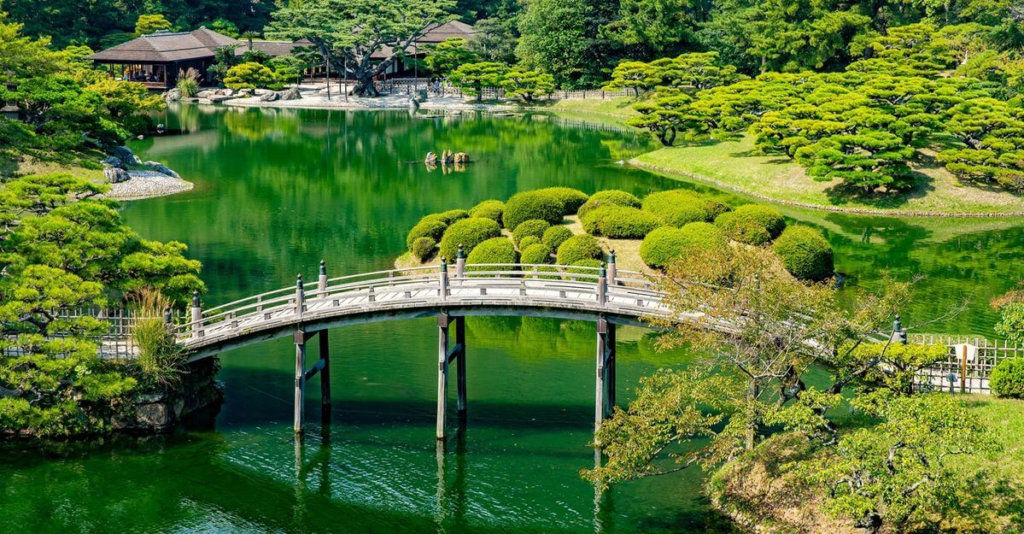
The island’s natural beauty serves as a tranquil backdrop to the art scene, where visitors can enjoy the peaceful atmosphere alongside beautiful architecture. A must-see is the Chichu Art Museum, designed by Ando and opened in 2004. The museum’s underground structure was designed to be as non-intrusive as possible, making the art experience even more immersive. Naoshima offers a combination of visionary art, quirky villages, and breathtaking views, making it a truly unique destination.
Though getting there may take some time and effort, the journey is well worth it. Naoshima stands apart from the bustling cities like Osaka, Tokyo, and Kyoto. Its laid-back charm, paired with its vibrant art scene, makes it a perfect destination for those seeking a different kind of experience. Whether you’re visiting for a day or a longer stay, this small island offers a rich and peaceful escape from the usual tourist spots in Japan.
MALTA TRAVEL GUIDE: WHAT YOU NEED TO KNOW BEFORE YOU GO; CLICK HERE
If you’re wondering is Naoshima worth visiting, the answer is absolutely yes! If you love art and nature, this place offers a unique combination of both. During my last trip to Japan, it was definitely a highlight, and I’d say it was one of my favorite moments across all my past trips to the country. Not only does it offer incredible art, but the peaceful surroundings make it perfect for those looking to enjoy both creativity and nature.
Getting to Naoshima might seem like a lot of work at first, since you have to take two trains and a ferry, but it’s much smoother than it sounds. The trip is well connected, and each leg of the journey flows easily to the next. If you’re already in Osaka or Kyoto, it’s definitely a side trip worth making, especially if you want to branch out from the standard tourist route and experience something different.
For me, Naoshima was worth every bit of effort, offering both an enriching cultural experience and the beauty of the island’s natural landscape. If you’re looking to explore more than just the usual tourist spots in Japan, this art island is the perfect choice.
If you’re planning a trip to Naoshima, it’s ideal to plan for at least 2 days, 1 night. However, spending 3 days, 2 nights will give you a relaxed pace to visit all the art galleries, art houses, and sculptures without feeling rushed. If you have more time, you can also extend your trip by an extra day or two to include a day trip to one of the nearby art islands.
During my own trip, we visited Naoshima as an overnight from Osaka, leaving first thing in the morning and catching the last ferry the next day. I found it was the perfect amount of time to experience everything, including a late dinner back in Osaka after a full day of museum-hopping. The flexibility to leave most of our luggage at the hotel and bring just a small overnight bag gave us more freedom to dive right into exploring the island without having to check into a hotel first.
If you’re wondering where to stay on Naoshima, Benesse House is a great option. Although I was initially concerned about its outside-of-town location, especially since we planned to bike and wasn’t sure how easy it’d be to get to town or places to eat after dark, it turned out to be nothing to worry about. The island is small, and even though Benesse is not in one of the main port towns, it’s still quick and easy to get to and from by bike or bus, making it a convenient choice for staying on the island.
If you’re looking for a unique experience on Naoshima, Benesse House is a must-visit. Designed by Ando, this museum and hotel offers guests the chance to immerse themselves in both art and hospitality.
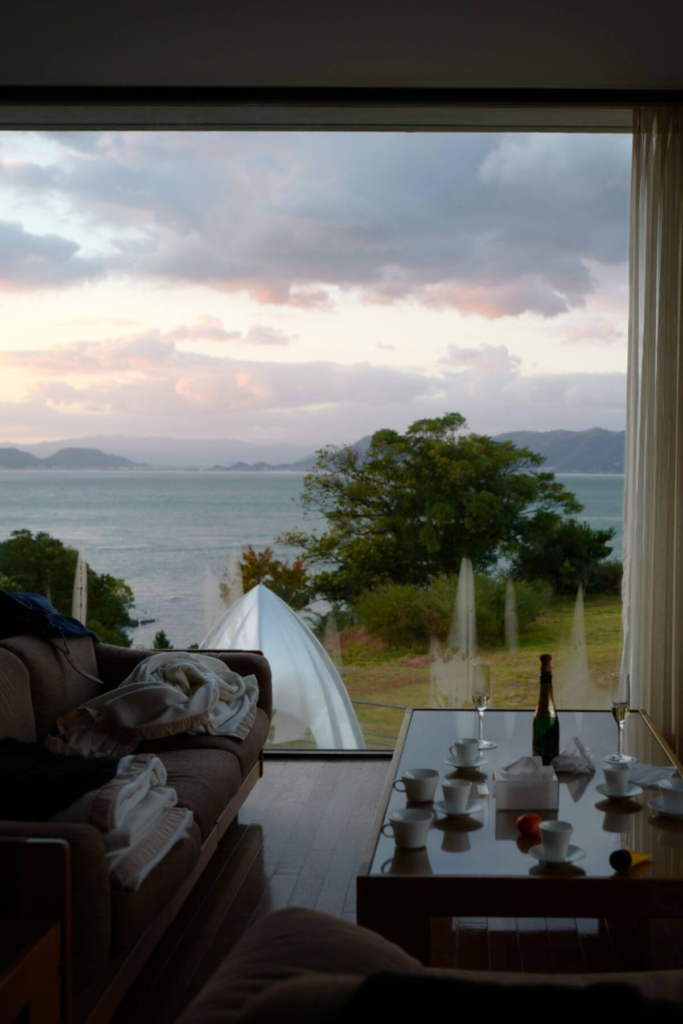
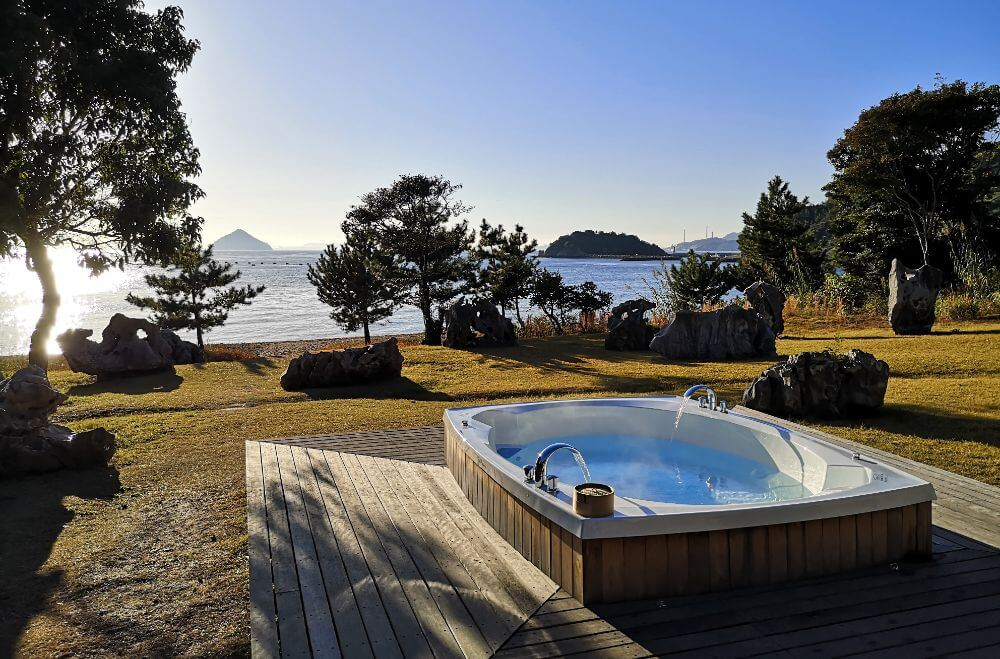
With modern minimalist design and stunning sea views, Benesse House combines art with architecture, making it a special place to stay. While we had an unpleasant odor near the beachside rooms, staying at the Oval House was a treat, and it’s just a short walk or bus ride from some of the island’s most famous art attractions.
If you’re looking for a unique and comfortable place to stay on Naoshima, Naoshima Ryokan Roka is a great choice.
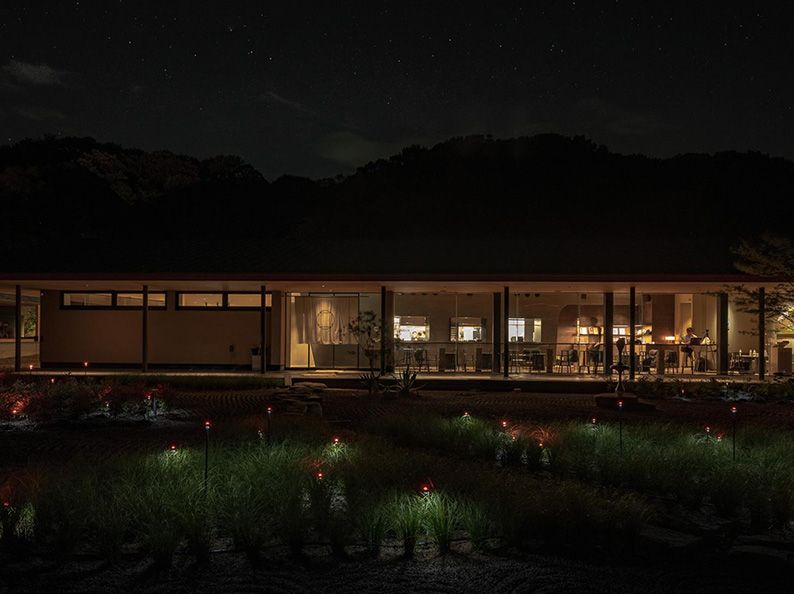
This luxury ryokan is a newcomer to the island, offering a traditional Japanese accommodation experience while being within walking distance to the village of Hommura, where the famous Art House Project is located. The rooms are a beautiful mix of modern and minimalist design, providing a comfortable retreat after a day of exploring the island’s art. One of the stand-out features of this ryokan is their delicious kaiseki dinners, a true taste of Japanese cuisine, as well as the relaxing on-site hot springs.
If you’re looking for a unique stay on Naoshima, Naoshima Ryokan Roka is a fantastic option. It combines traditional Japanese hospitality with modern comforts. However, if you want something a little different, Sana Mane offers a glamping experience with unique, organic-shaped huts right by the west harbor.
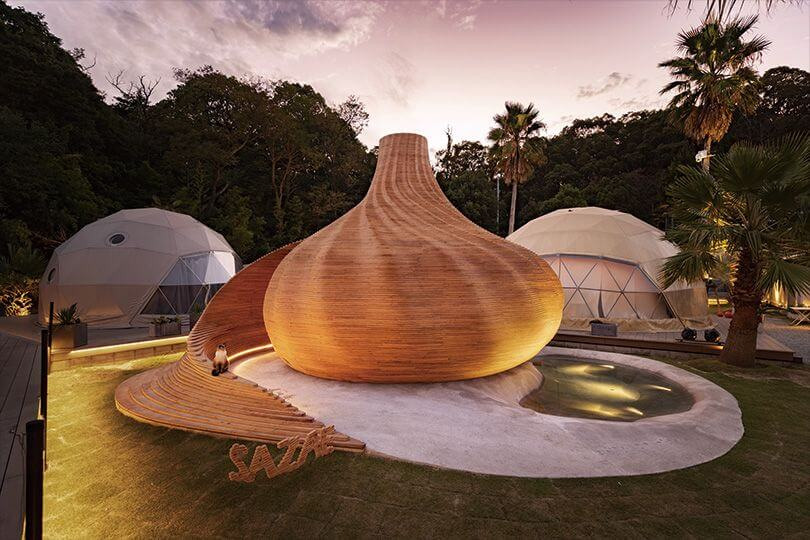
I didn’t get the chance to stay there, but we almost booked a tent until a room at Benesse opened up. The location is convenient too, just a short 10-minute walk to Miyanoura village and very close to the Chichu Art Museum. If you’re looking to experience both nature and art in a truly distinctive way, Sana Mane is an excellent choice.
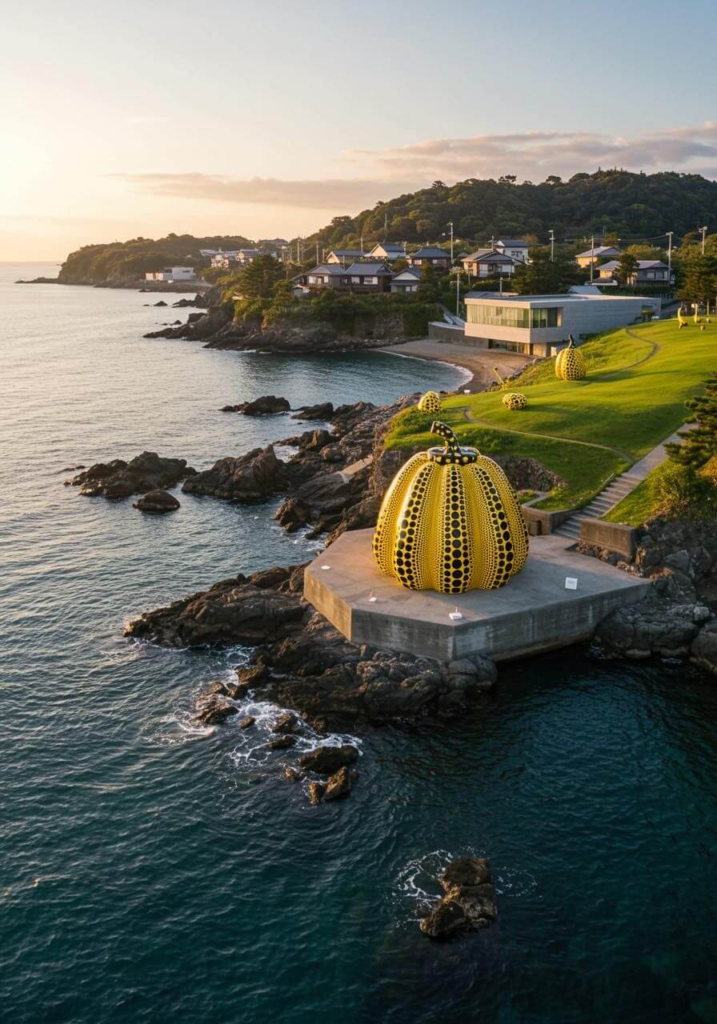
When visiting Naoshima, there are several must-see art installations. Begin with the Chichu Art Museum, one of the largest and most iconic museums on the island, designed by Ando. This museum is not only home to impressive art but also a marvel of modern architecture. Make sure to visit Yayoi Kusama’s pumpkins, found in front of Benesse House and at the ferry terminal in Miyanoura. Another highlight is the Valley Gallery, featuring Narcissus Garden, a more recent installation by Kusama.
For a deeper art experience, explore the Art House Project in Hommura, where artists have turned abandoned houses into art installations. Don’t miss the Minamidera Art House, featuring James Turrell’s unique exhibit. The island is full of sculptures, gardens, and beaches that perfectly complement the art and architecture. Be sure to reserve a time slot for certain exhibits, such as those at the Naoshima New Museum of Art, opening in May 2025, to enjoy the works of Takashi Murakami and Cai Guo-Qiang.
When you’re on Naoshima, there are some fantastic places to eat and drink. For a cozy and homey experience
Cafe Salon Nakaoku: is a great choice, where you can enjoy omelette rice and fresh juices. It’s one of the best meals I had, and the place feels very welcoming.
If you’re in the mood for something more upscale, head over to the
Terrace Restaurant: at Benesse House, offering a delicious French tasting menu with amazing views and top-notch service.
For something more traditional, try the
Museum Restaurant Issen: which focuses on kaiseki cuisine, though you’ll need to reserve a table in advance since it’s popular.
For those looking for more casual options,
Aisunao: is a great vegan spot, but be prepared to wait since it’s very popular.
If you’re a coffee lover,
Hifumiyo Coffee: in the Hommura village right across from the Minamidera art house offers excellent coffee.
Don’t forget to try Naoshima gelato at the family-run shop near the ferry terminal in Minamidera for a sweet treat. These spots provide the perfect mix of local flavors and a taste of Naoshima’s unique culture.
Here are a few more focused recommendations for a smoother Naoshima experience.
Bring cash. Not a lot, but enough.
When visiting Naoshima, it’s important to wear appropriate clothing, especially footwear. You’ll be taking your shoes off frequently to visit art spaces, cafes, and restaurants, many of which are no-shoes-allowed.
Since there aren’t always benches to sit on, having cheap slip-ons or loosely tied sneakers will make it easier to don and doff your shoes quickly. For the weather, pack windproof jackets and foldable umbrellas in case of the 30% chance of rain, and always have breathable clothes for the warmer months. A wide-brimmed hat and a water bottle will keep you comfortable on those oppressive summer afternoons, but if you’re visiting in winter, make sure to dress warmly for the frigid winds.
When visiting Naoshima, it’s important to bring cash, but not a huge amount—just enough to cover cash-only situations. Although Japan is becoming more cashless, there are still places where cash is necessary, like the ferries, town bus in Naoshima, and small cafes or restaurants. You’ll also need cash for things like coin lockers for your luggage.
I recommend having about ¥5,000 per person for the day, which should be enough for most situations, but if you’re planning on buying drinks with meals or traveling between the islands, it’s wise to carry more. You can easily withdraw cash at ATMs located at 7-Eleven or the post offices on Naoshima, but be sure to plan ahead and carry some cash for convenience.
When planning your visit to Naoshima, it’s important to check the calendar for the Benesse Art Site Naoshima to see which museums are open on the date(s) you want to go. Make sure to book your museum tickets early—some museums like Art House Minamidera and Chichu Art Museum require specific entry times. Tickets are available about two months in advance and can be purchased online through the tickets portal. Keep in mind that during busy times like Golden Week, Obon, and the new year, getting tickets or even booking hotels and restaurants can be more difficult. Be aware that the ticket system can sometimes be glitchy, so it’s best to print out your QR code tickets as a backup.
The billionaire behind Japan’s art island is Soichiro Fukutake, founder of the Fukutake Foundation and chairman of Benesse Holdings. He collaborated with architect Ando to create the Naoshima New Museum of Art, the 10th Benesse structure. Their partnership transformed Naoshima into a world-famous art island.
The island of Naoshima in the Seto Inland Sea is widely known for its art and culture. Once a smelter town, Naoshima Island has transformed into an international hub for contemporary art. It is home to world-class art installations and museums, making it a must-visit destination for art lovers. This small island has become a center for creativity and is celebrated globally for its unique blend of nature and art.
Teshima Island, located in the Seto Inland Sea, is definitely worth visiting. Once an abandoned fishing island, it’s now home to some of the best art galleries. Along with Naoshima, Teshima is a must-visit for anyone traveling to Japan.
Teshima Island is worth visiting for its blend of Japanese culture, natural beauty, and traditional Japanese painting. The island showcases simplicity, elegance, and the natural world in harmony and balance, making it a top destination for art lovers.