Walking through Fes is a complete sensory overload, filled with pungent smells, raucous sounds, colorful ceramics, leather goods, and glistening leather at every turn. Yet despite the intensity, the atmosphere feels surprisingly calm, grounded, and genuine, making Fes an authentic city, a living city that is still living its own story and clearly not shaped for visitors. This unique experience creates true cultural immersion, whether you arrive as a backpacker or one of many backpackers traveling on a tight budget. Fes is a premier destination, a must visit, and a quintessential stop on any Morocco backpacking trip, offering countless highlights, unforgettable city highlights, and some of the most rewarding things to do in Fes and things to see in Fes.
My own Moroccan adventure began after days in Marrakesh, arriving by direct flight and feeling instant culture shock upon arrival. We chose to explore right away, focusing on exploration of the main attractions, and having stayed two nights with a full day dedicated to wandering, it felt like the perfect introduction to culture and introduction to history before a longer road trip across Morocco and wider Moroccan journey. From worthwhile tours and guided tours to simply choosing when to visit, planning your visit carefully helps you make the most of your visit and discover your own favorite things to do among the best things to do. This travel experience inspired my travel guide, travel guides, travel tips, and practical tips, shared through a YouTube video for every visual person, plus a mailing list where you can subscribe for latest travel guides and travel content on my blog. If my adventures help you travel the world, feel free to support the blog—my work is self-funded, and even a small gesture like buy me a beer helps me keep creating free travel guides.
Explore the Fes el-Bali medina and get lost in its historic alleys, visit landmarks like Al Quaraouiyine University and Al-Attarine Madrasa, see the famous Chouara Tanneries, enjoy authentic local food, walk through the Mellah (Jewish Quarter), and relax in Jnan Sbil Gardens for a deeper cultural experience in Fes.
MY TOP TRAVEL SITES + APPS : CLICK HERE
The heart of Fes is its medina, and it is truly unlike anywhere else in Morocco—especially Fes el-Bali, one of the oldest medinas and largest medinas in the world, proudly recognized as a UNESCO World Heritage Site. This enormous, full of character, and incredibly alive place is made up of more than 9,000, or 9000 narrow alleyways, where these narrow alleyways form a maze that makes it easy to get properly lost. Unlike Marrakesh’s medina in Marrakesh, you’ll notice far more locals than tourists, as people live, work, and go about their everyday lives here.
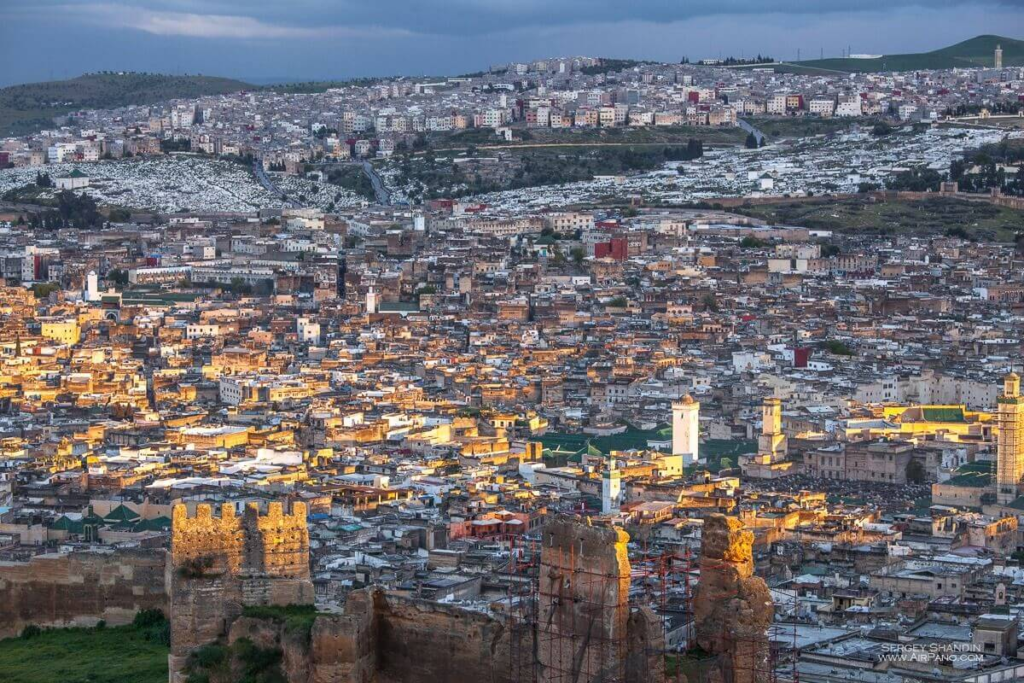
As you wander the streets, you can shop for spices, leather goods, and traditional carpets, while sharing the car-free paths of the entire medina with people, donkeys, and cats. It’s common to spend hours exploring without noticing time, and what stood out to me most was how it hasn’t been overly polished for visitors, still feeling genuine and living its own rhythm. For a first visit, here’s a tip: join a guided walking tour—the vast medina can feel overwhelming, but a local guide helps you uncover the highlights while explaining the rich history, deep culture, and why this place is so unique.
One of the best ways to truly experience the charm of Fes is by staying in a riad, a traditional Moroccan home and Moroccan home built around a central courtyard, where beautifully restored houses offer a peaceful escape from the medina’s hustle and bustle with rooftop terraces, intricate tilework, warm hospitality, and personal hospitality.
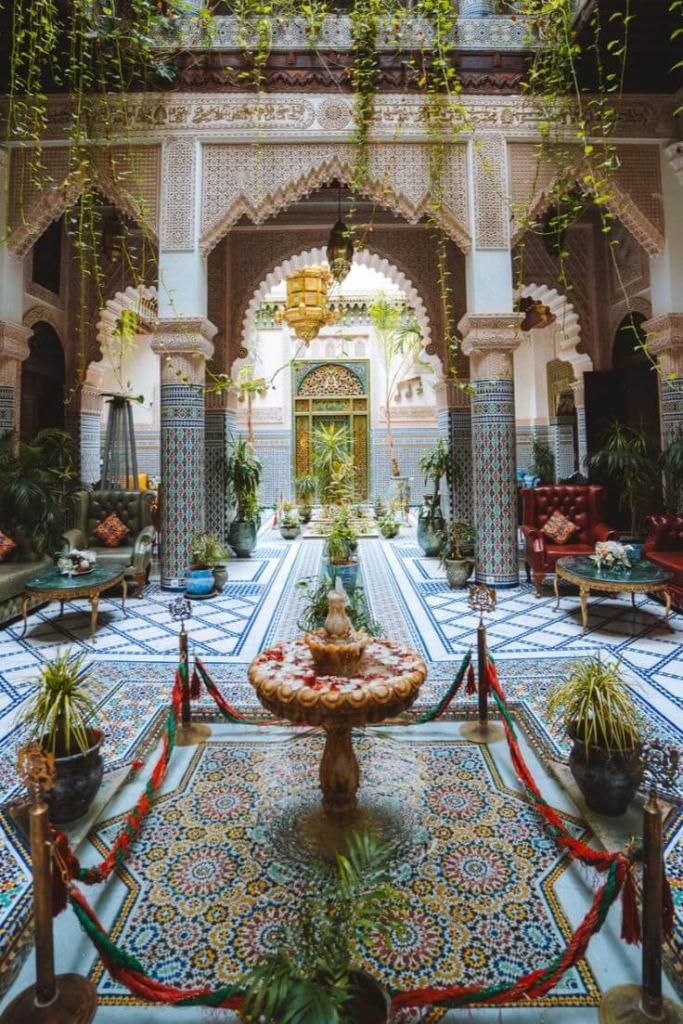
In Fes, I stayed at Palais Amani, a stunning riad located right inside the medina, and from the moment we stepped through the door, we were welcomed with mint tea, pastries, and genuine smiles. The décor was absolutely stunning, filled with colourful mosaics, elegant arched doorways, and a tranquil garden courtyard that truly felt like a home, not just a hotel. Our room was on the rooftop, with a private balcony offering excellent views over the medina and the surrounding mountains, making this riad stay one of the most memorable parts of my time in Fes.
Exploring Islamic architecture in Morocco feels especially powerful in the medina of Fes, where Fes reveals some of the most beautiful examples as you walk through narrow alleyways lined with intricately decorated buildings that have survived for centuries and are still in use today. At the centre of the medina, you’ll find iconic religious buildings like Bou Inania Madrasa, built in the 14th century, where the architecture is simply stunning, from detailed zellij tilework and carved cedar wood to a serene courtyard and the heart of the courtyard that draws you in.
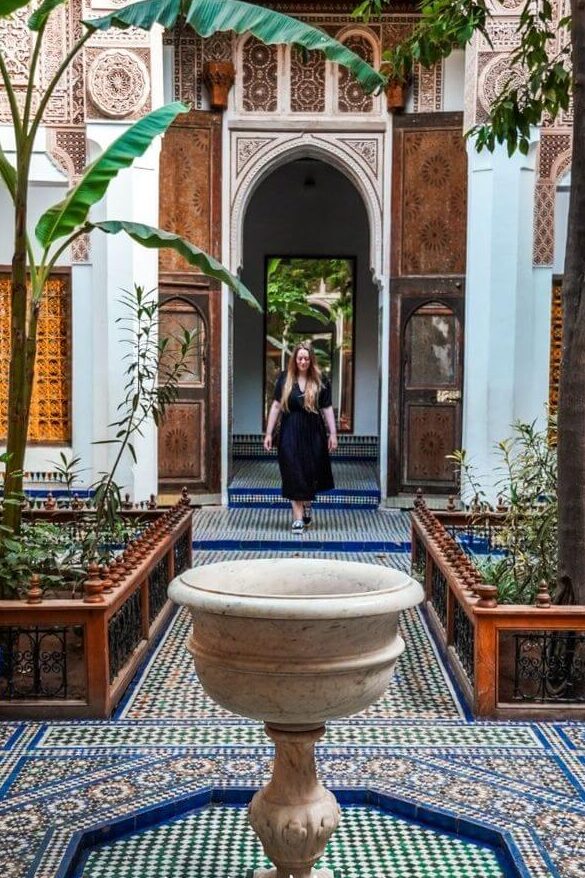
One place that truly stood out for me was Al Attarine Madrasa, tucked away near the spice market; this 14th-century religious school is a masterpiece of craftsmanship, with an incredible level of detail in the wood carvings, mosaics, and plasterwork that feels absolutely breathtaking. Though not very big, every inch reflects artistic beauty, making it incredibly photogenic and giving a real sense of artistry, skill, and the living soul of these historic spaces.
As you wander through the medina of Fes, make your way to Place Seffarine, a small square in Fes that has existed since the Middle Ages. This historic square is famous for its traditional coppersmiths, and you’ll hear the sound of hammering long before you even get there. Watching craftsmen who still shape pots, pans, and trays by hand is like seeing a living skill passed down through generations.
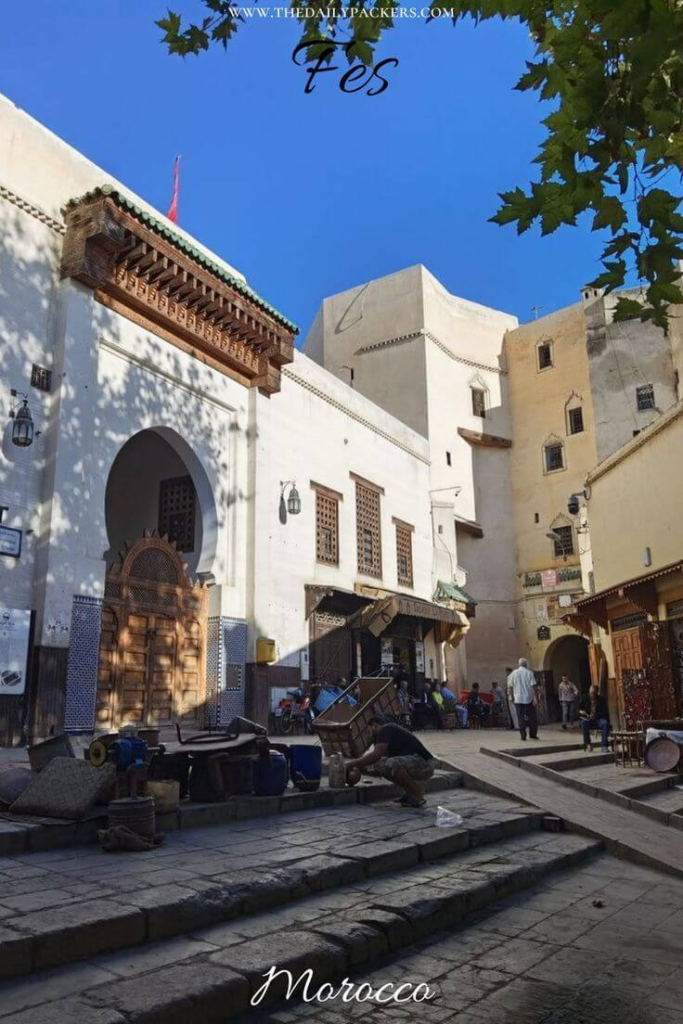
It’s a lovely spot to pause and soak in the atmosphere of the old city, where the atmosphere feels timeless despite many renovations over time, as the square has kept its authentic feel. If you follow the same route, you’ll likely pass it on your way from Bab Rcif to Medersa Attarine, making it an easy and memorable stop along the way.
A short walk from Place Seffarine brings you to Al Attarine Madrasa, one of the most beautiful historic sites in Fes, built between 1323 and 1325—specifically 1323 to 1325—by the Marinid sultan Uthman II Abu Said. It served as a Koranic school and is still considered among the finest examples of Marinid architecture.
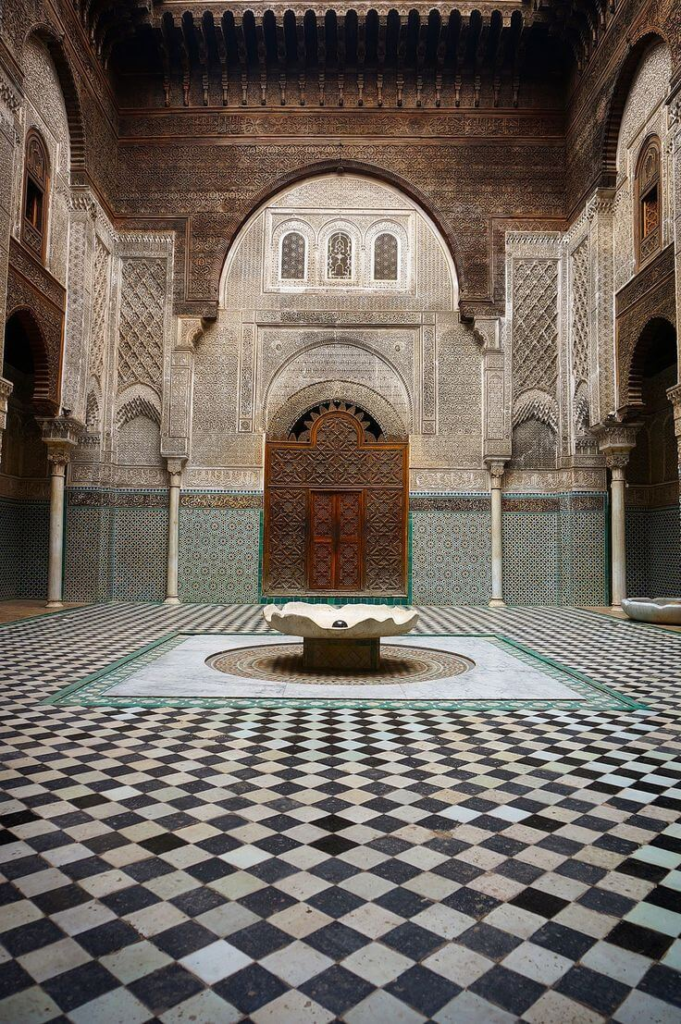
The entrance fee is 20 dh per person, and it is absolutely worth it; once inside, take your time to admire the intricate tilework and carved cedar wood, noticing how the architects made clever use of a relatively small space. Be sure to climb up to the second floor, step inside the original student sleeping quarters, and imagine what life was like centuries ago.
The Mausoleum of Moulay Idriss II is an important landmark and one of the holiest sites in Morocco, deeply respected because Moulay Idriss II is known as the founder of Fes, making this site central to Fes with deep cultural significance and strong spiritual significance for many Moroccans. While Non-Muslims are not allowed to enter, I visited with a Muslim friend and was able to go inside; I expected the space to feel peaceful and spiritual, but the reality was the opposite.
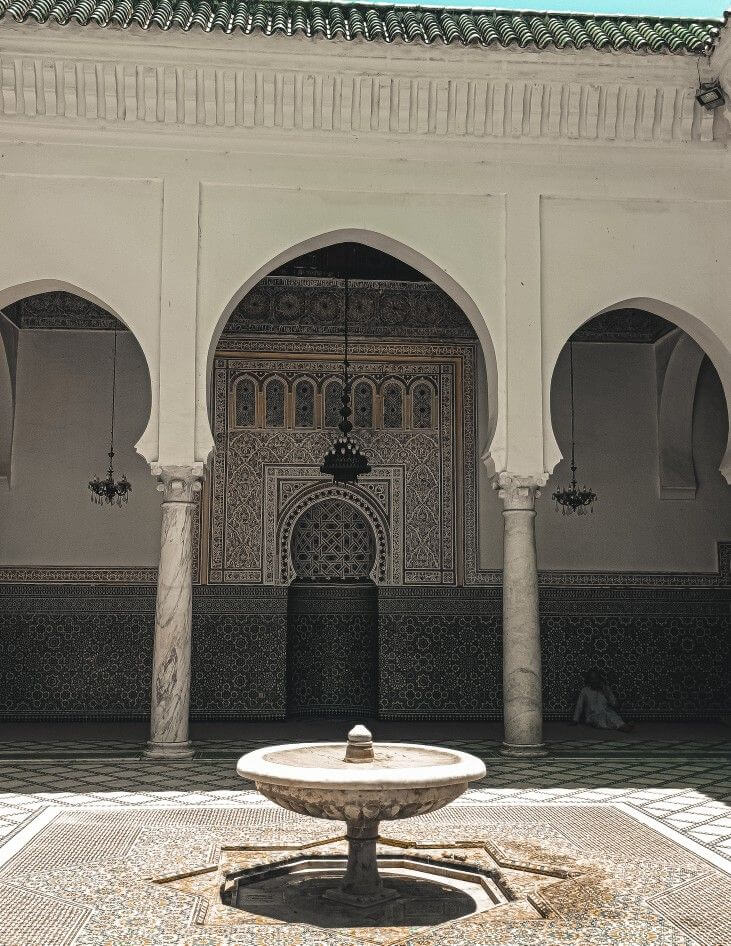
From the moment we stepped in, we were approached by several people asking for money, which felt overwhelming and uncomfortable, and the atmosphere didn’t match the serenity we had anticipated. If you’re not Muslim and can’t enter, don’t worry—you’re not missing much in terms of experience, as you can still admire the beautiful architecture from the outside, catch a glimpse inside from the entrance, and do so without pressure.
One of the best ways to experience the local culture in Fes is through street food—as you walk through the medina, you’ll pass countless bakeries, little bakeries, food stalls, and vendors selling homemade treats that I always recommend stopping to try some because it’s such a fun and tasty way of exploring the city. We picked up a few sweets from a small stall run by a teenage boy who proudly told us his mum made them; they were incredibly cheap (even at a tourist price), totally worth it, with flavour that felt rich, comforting, and clearly homemade.
Another local favourite I couldn’t stop eating was cactus fruit, also called prickly pear, with vendors selling them from carts all around the medina—they’re packed with seeds, slightly sour, and so refreshing. If you want something savoury, try the broad bean soup known as bessara, a popular breakfast among locals that’s simple yet hearty, finished with a drizzle of olive oil and eaten with warm bread.
Near the royal palace, the Mellah—the old Jewish Quarter of Fes in Fes, Morocco—was the first official Jewish district, established in the 15th century, and walking through it feels noticeably different from the rest of the medina, with wider streets, distinctive buildings, wooden balconies, and a quieter atmosphere that creates a true residential atmosphere.
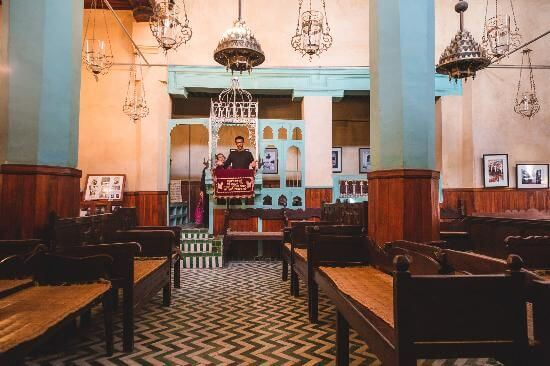
At its peak, around 250,000 Jews lived in and around the area, particularly the area south of Bab Semmarine, forming a thriving community with synagogues, markets, and schools; today, only a handful remain, many having moved to Ville Nouvelle or emigrated abroad, yet traces of the community still appear in the architecture, layout, and neighbourhood. Among the key landmarks to visit is the Ibn Danan Synagogue, a beautifully restored 17th-century synagogue that looks outside modest and easy to miss, but when you step inside reveals intricate tilework, wooden features, a calm space, and a spiritual space that offers a window into Fes’s multicultural past.
When visiting Fes, the best place to stay is Fes El Bali, the old city center, where all the charm of the city comes together through narrow alleys, hidden courtyards, and centuries-old riads. These historic riads, now turned into beautiful guesthouses, make staying here special because you can walk everywhere and fully immerse yourself in the atmosphere of the medina. There are great places to consider, depending on your budget: for €, Riad Farah is a budget-friendly riad with simple rooms, warm hospitality, and an authentic stay without spending too much; for €€, Riad Dar Borj is a charming mid-range option, beautifully decorated, right in the heart of the medina, offering a great balance of comfort and value; and for €€€, Riad Laaroussa is a stunning luxury riad with spacious suites, a pool, and a rooftop terrace overlooking the old city, ideal if you want to treat yourself.
Morocco is famous for its traditional dishes, and the cuisine is both flavorful and diverse, making food one of the highlights of any trip. The main staples you’ll see everywhere include Tajine, a slow-cooked dish cooked in an earthenware pot with vegetables, spices, and meat, where the flavors blend together after an hour or more of simmering, earning it a place among the most iconic meals. Another classic dish is Couscous, made from steamed wheat semolina and served with vegetables, chickpeas, dried fruits, and sauce, with Meat as an option, though vegetarian versions are still full of flavor. You’ll also find Harira, a hearty tomato-based soup with lentils and chickpeas, simple yet comforting, and especially popular during Ramadan, alongside Moroccan Salad, which has no single recipe but many variations, often a mix of rice, tomatoes, carrots, and peas, each place adding its own twist.
These dishes are served everywhere, so you’ll be enjoying them throughout your trip, and like us, you may find you never got tired—even dining out with Fez and friend moments to remember. Alcohol isn’t widely available in Morocco, limited to a handful of licensed restaurants and bars that are not very common, but the real traditional drink is tea. Mint tea mixed with green tea is offered at any time of the day, and for locals it’s a ritual and a way of welcoming guests. Most days we kept breakfast and dinner at our accommodation, which felt easiest in November when the nights came early, but if you want a good spot in the city, Fez & Friends is a relaxed place to enjoy local dishes in a friendly atmosphere.
Fes can be visited year-round, but the experience changes with each season in this historic city, thanks to its continental climate of hot summers, cooler winters, and pleasant months in between. Spring—from March to May—is one of the best times to visit, with temperatures ranging from 12°C to 25°C (54°F to 77°F), making it comfortable to explore the medina and nearby sites. The city feels lively, flowers blooming everywhere, and it’s not crowded, which is ideal for slow walks and photos. Summer—including June and August—means summers hot, often climbing to 35°C (95°F) during the day, while nights cool to 18–22°C (64–72°F). The narrow streets offer some shade, but walking around in the middle of the day can be tough, so plan sightseeing for the early morning or evening.
Autumn, from September to November, is another great season, with daytime temperatures between 15°C and 28°C (59°F to 82°F); the weather similar to spring feels warm yet manageable, crowds thin out, and the medina is easier to enjoy at a slower pace. Winter—December to February—brings winters mild days but chilly at night, with daytime highs of 12–18°C (54–64°F) and evenings dropping to 5°C (41°F). It’s the quietest time, so pack a jacket and enjoy fewer tourists and lower prices. Tip: for comfort, spring and autumn are the best seasons; if you don’t mind the heat, summer has lively energy, while winter suits those who prefer calm streets and fewer crowds.
Yes, Fes, Fez, absolutely worth visiting, deep history, incredible craftsmanship, authentic Moroccan culture, vibrant medina, maze-like medina, intense experience, overwhelming experience, assertive vendors, getting lost easily, local guide, highly recommended, navigation, understanding, less polished, traditional feel, Marrakech, stunning historic sites, famous tanneries, delicious food, affordable food, rewarding experience, hardy travelers, handle sensory overload, occasional hassle
Yes, Fes (Fez) is absolutely worth visiting for its deep history, authentic Moroccan culture, and vibrant medina. It can feel intense and overwhelming at times, but travelers who enjoy traditional cities, historic sites, and affordable local food will find the experience truly rewarding.
In Fes, explore the Fes el-Bali medina, visit historic sites like Bab Bou Jeloud, Al-Attarine, and Kairaouine, see the Chouara Tanneries, relax in Jnan Sbil Gardens, enjoy local cuisine like pastilla, and wander the Jewish Quarter (Mellah) for a full cultural experience.
Fes is special for its UNESCO-listed medina, the world’s oldest continuously operating university founded in 859 AD, and the largest car-free urban area in the world, where traditional leather craftsmanship and history are still part of everyday life.