
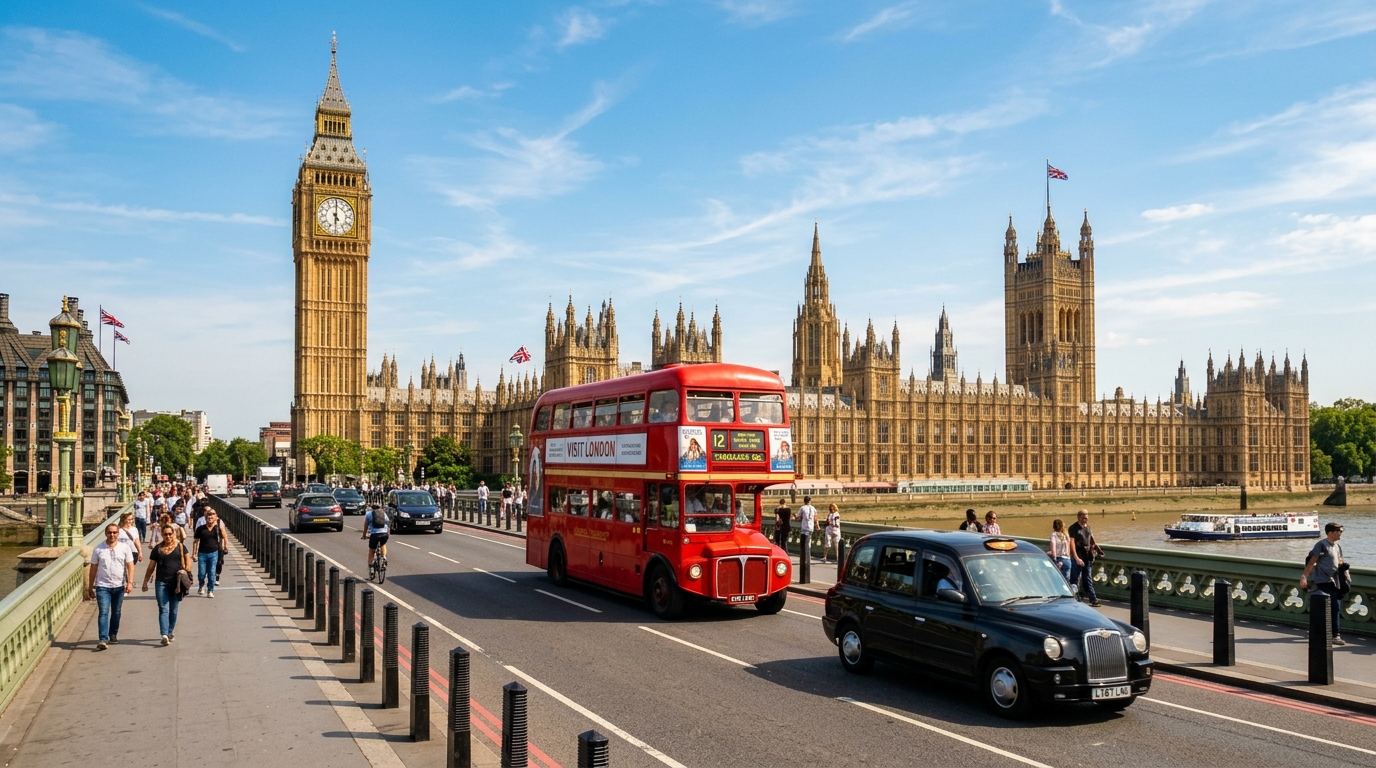
 Why This Matters Before You Book Your Trip
England changed its entry rules in 2026, and a lot of older blog posts online still do not mention this. If you show up without the right paperwork, you will not be allowed to board your flight. Getting the basics right before you travel means you spend your trip enjoying London and the countryside instead of dealing with paperwork problems.
Since February 25, 2026, most visitors from countries like the United States, Canada, Australia, and the European Union need an Electronic Travel Authorization, known as a UK ETA, before they travel. This is not a full visa. It is a quick online approval linked to your passport.
Here is what you need to know:
Do not wait until the day of your flight to apply. Most approvals come back within minutes, but a small number take up to three days for review.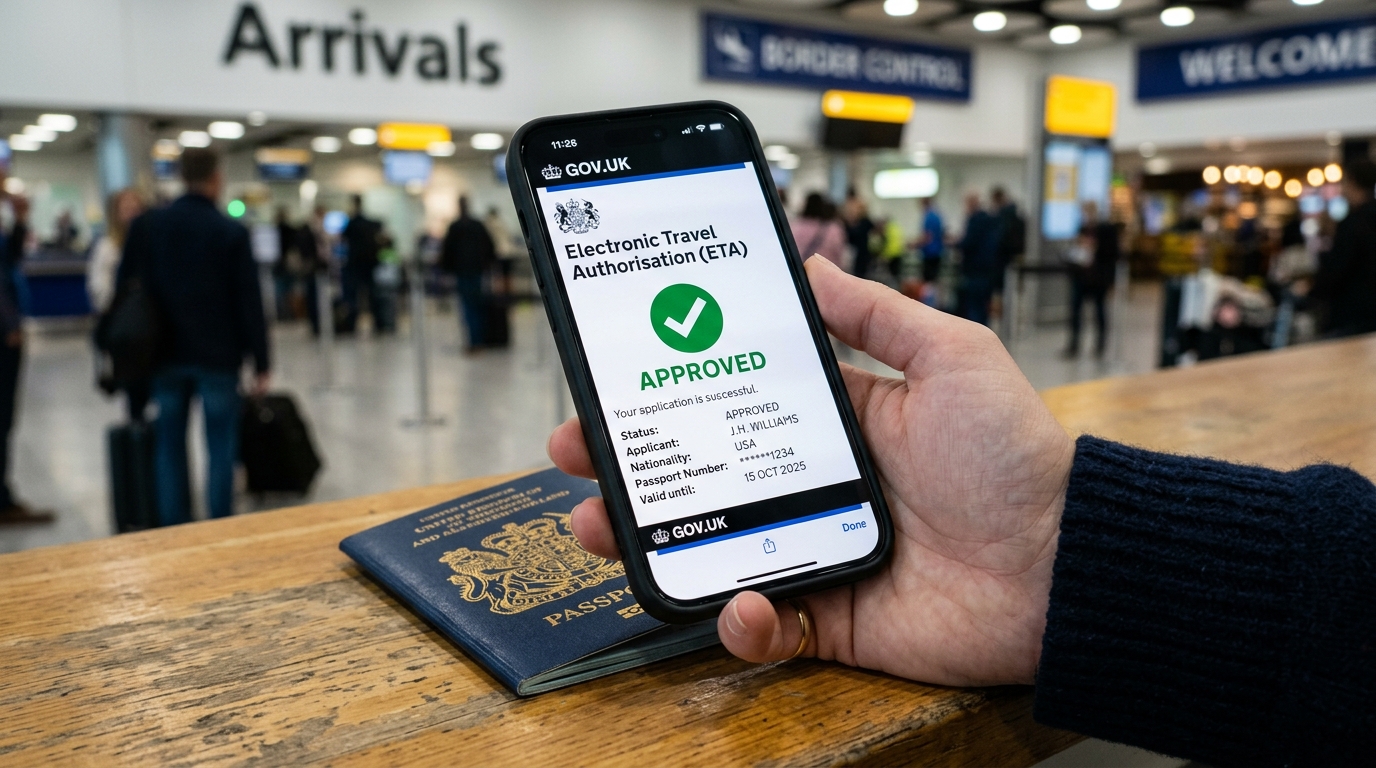
England uses the British pound, written as GBP or £. Most first time visitors are surprised by how few places take cash. Contactless card payment is the default almost everywhere, from coffee shops to museum gift shops. Still, carry a small amount of cash for the rare shop or countryside market that prefers it.
Tipping in England is lighter than in the United States. In restaurants, a service charge of around twelve percent is often added automatically to your bill. If it is not included, ten to fifteen percent is generous. Tipping is not expected in pubs or for taxis unless you round up the fare.
Public transport in England is excellent, especially in London. Here is what actually helps as a first timer.
In London, you can tap a contactless bank card or phone wallet directly on the yellow readers at Tube stations and on buses. You do not need to buy a separate Oyster card unless you want one as a souvenir or your bank charges foreign transaction fees. Daily and weekly spending caps apply automatically, so you never pay more than the cap for unlimited travel that day.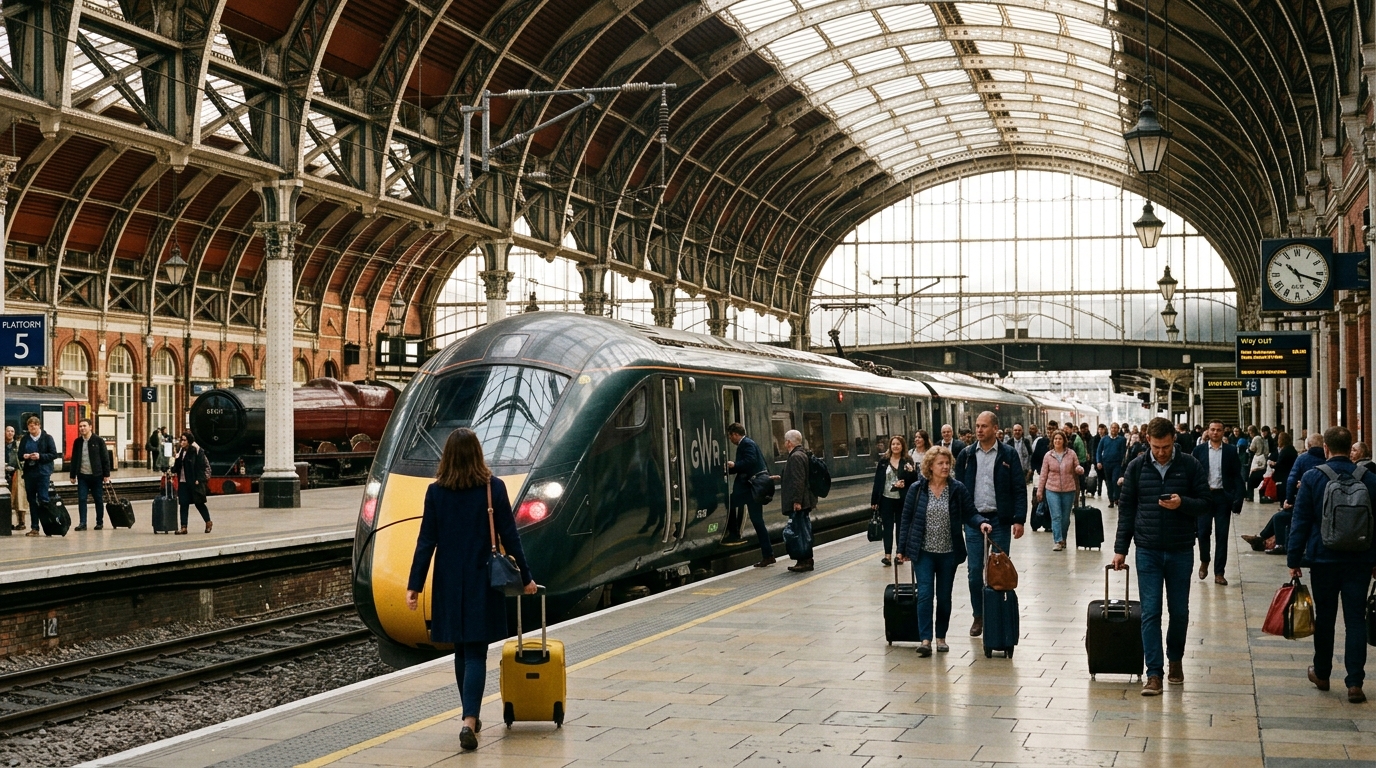
Trains connect London to almost every major city. London to Bath takes about ninety minutes, and London to Manchester takes around two hours. Booking train tickets a few weeks ahead usually saves a lot of money compared to buying on the day.
If you plan to rent a car, remember that England drives on the left side of the road. This trips up many first time visitors, especially at roundabouts. If you are only visiting London, skip the car entirely. Public transport covers the city better than driving would.
England’s weather is unpredictable in every season. Summer, from June to August, is the warmest and busiest time to visit, but rain can still show up on a sunny week. Pack layers and a compact rain jacket no matter when you travel. Locals rarely carry umbrellas in windy cities like London, since they tend to flip inside out. A hooded jacket works better.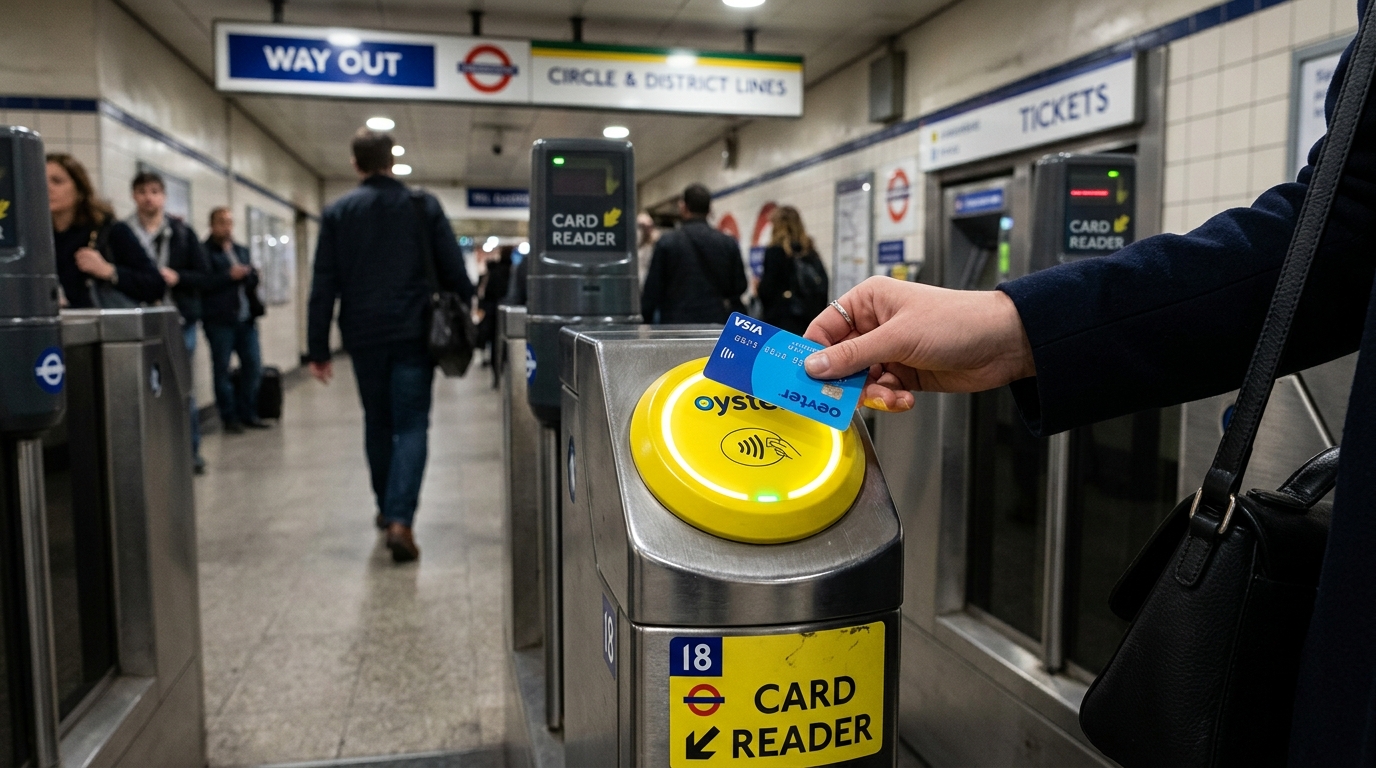
Most first time visitor guides online focus only on London sightseeing and skip a few practical details that actually cause problems. Here is what this guide covers that others often leave out.
Many older guides still describe England as visa free for US and EU travelers. That changed in February 2026. Skipping this step is the single biggest mistake a first time visitor can make, since it can stop you from boarding your flight entirely.
Phone snatching has become common in busy parts of London, especially near tourist attractions and on buses. Hold your phone with both hands in crowded areas, and avoid holding it near open windows on the top deck of a bus.
A lot of first time visitors mix these terms up. England is one country. The United Kingdom includes England, Scotland, Wales, and Northern Ireland. Great Britain refers to England, Scotland, and Wales together, without Northern Ireland. Knowing this helps when you are reading transport signs or planning day trips outside England.
Many guides stop at London and mention Bath or Stonehenge in passing. If you want a full day exploring England’s countryside, our detailed guide to Cotswolds day trips covers exactly how to plan one, including which villages are worth the stop and which ones are just for photos.

If this is your first trip, do not spend the entire time in London. England’s cultural journeys run far beyond the capital, from the university towns of Oxford and Cambridge to the countryside charm of the Cotswolds. If you enjoy exploring cities, our guide to city breaks has ideas for pairing England with other short trips.
For a wider look at everything England has to offer, our England destinations page is a good place to start planning your full itinerary.
Do I need a visa to visit England for the first time?
Most visitors from the US, Canada, Australia, and the EU need a UK ETA instead of a full visa. It costs £20 and must be approved before you fly.
Is England expensive to visit in 2026?
London is on the pricier side, especially for hotels and food. Costs drop noticeably once you leave the capital for smaller cities and countryside towns.
What is the best time to visit England for the first time?
Late spring through early autumn, from May to September, offers the most daylight and the driest weather, though rain is possible any time of year.
Do I need cash in England?
Not much. Contactless card payment works almost everywhere. Keep a small amount of cash for markets or small countryside shops.
Is London safe for first time visitors?
Yes, London is generally very safe. The main risks are pickpocketing and phone snatching in crowded tourist areas, so keep your belongings close.
Should I rent a car for my first trip to England?
Not if you are staying mainly in London. Public transport covers the city well. A car is more useful if you plan to explore the countryside or smaller towns.
Visiting England for the first time is easier than most people expect, as long as you sort out your UK ETA ahead of time and pack for unpredictable weather. Once you land, the trains, buses, and contactless payments make getting around simple. Spend a few days in London, then take the time to explore beyond it. That balance is what makes a first trip to England memorable instead of rushed.
If you want help planning the rest of your itinerary, feel free to reach out to us with your travel dates and questions.