
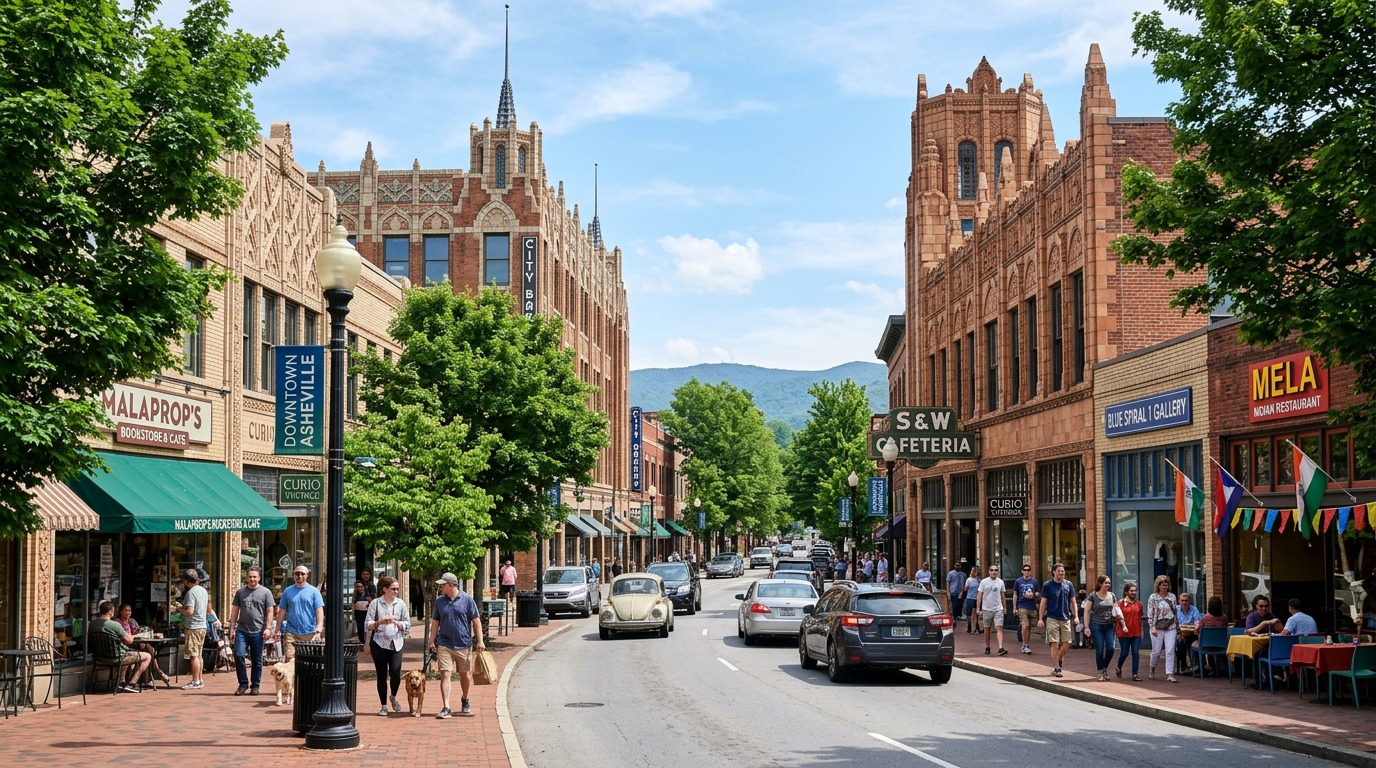
If you only have a long weekend, you might feel worried that three days is not enough time. It is enough, as long as you plan it well. This 3 days in Asheville North Carolina itinerary gives you a simple plan for each day, plus honest tips on food, hiking, driving, and money, so you are not guessing when you land.
We researched the top ranking Asheville itineraries online before writing this guide. Most of them cover the big three stops, the Biltmore Estate, the Blue Ridge Parkway, and downtown Asheville, but they skip newer details that matter right now, like the current state of the roads after storm damage, a real budget breakdown, and a rainy day backup plan. We cover all of that here.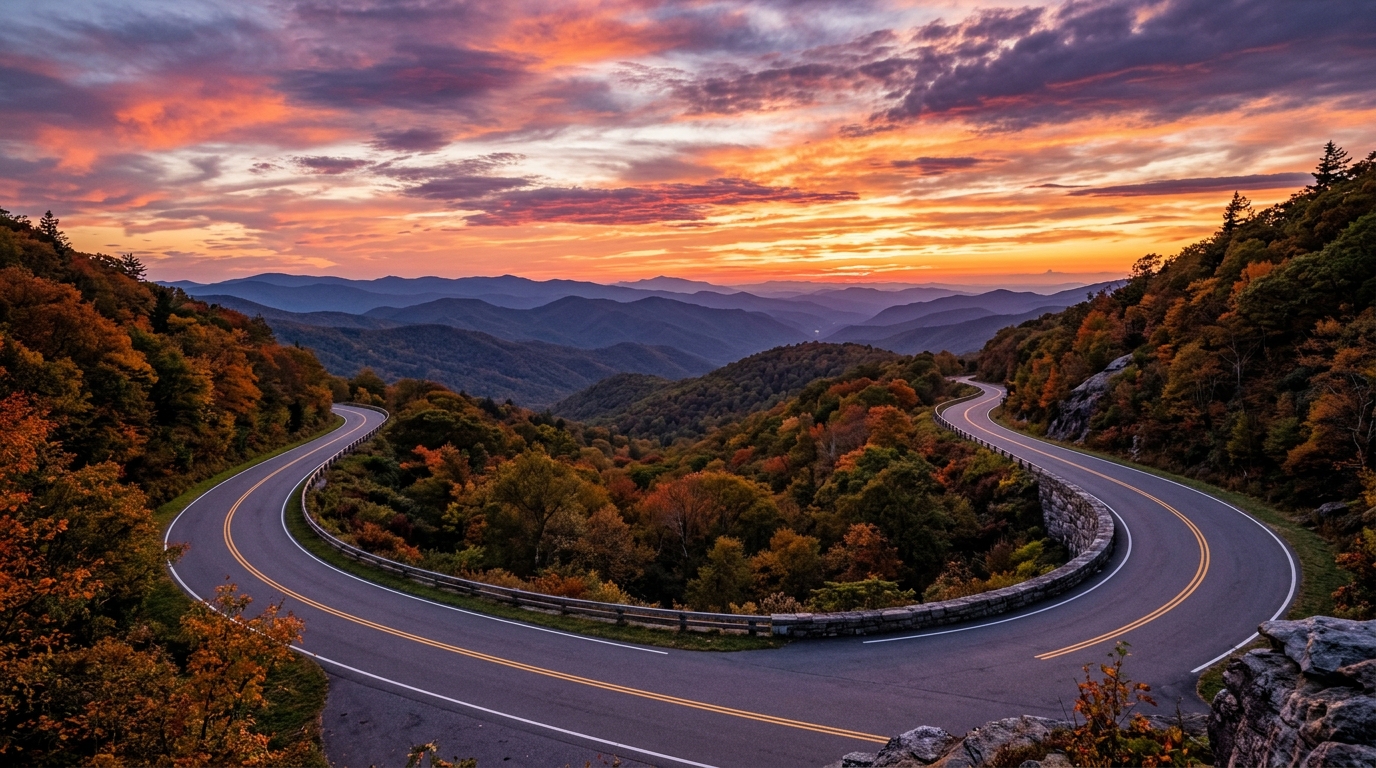
If you only read one section, read this one.
Now let’s break each part down so you know exactly what to do, when to do it, and what to skip if you are short on time.
Asheville is a small city, but it is spread out. The mountains around it are huge, and some of the best sights are thirty minutes or more outside downtown. If you show up without a plan, you will waste hours driving back and forth or standing in line at the wrong time of day.
A clear 3 days in Asheville North Carolina itinerary saves you from that. It groups activities by area, so you are not zigzagging across town. It also tells you what closes early, what needs a reservation, and what is free.
Asheville has four real seasons, and each one changes what you should pack and plan.
If this is your first trip, spring or early fall usually gives you the best mix of good weather and manageable crowds.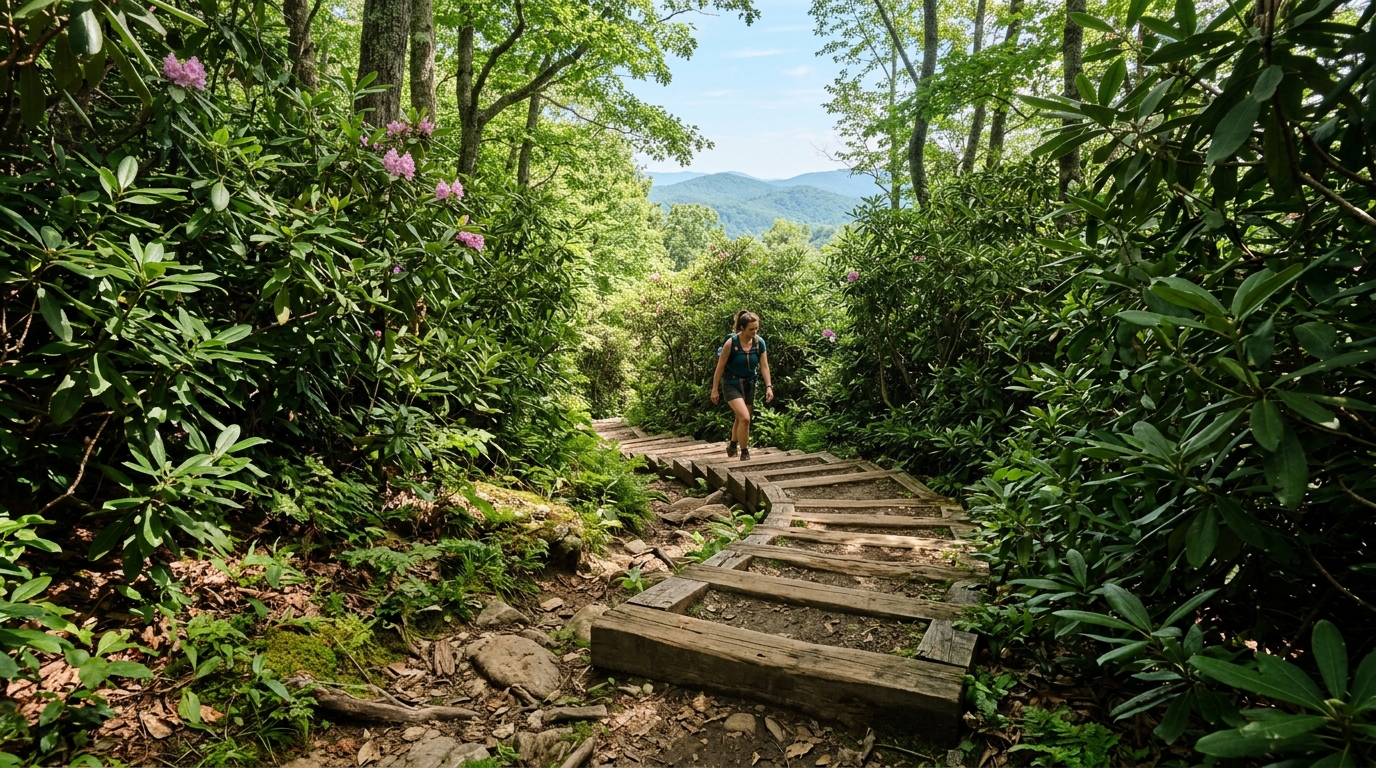
Asheville Regional Airport (AVL) is the closest airport, with direct flights from several major cities on Delta, American, United, JetBlue, Allegiant, and Sun Country. If you cannot find a direct flight, Charlotte Douglas International Airport is about two hours away by car, and it usually has more flight options.
Once you land, you will want a car. Downtown Asheville is walkable on its own, but the Blue Ridge Parkway, Biltmore Estate, and most hiking trails are a drive away. Rideshare apps work fine within the city but get expensive and unreliable once you head into the mountains.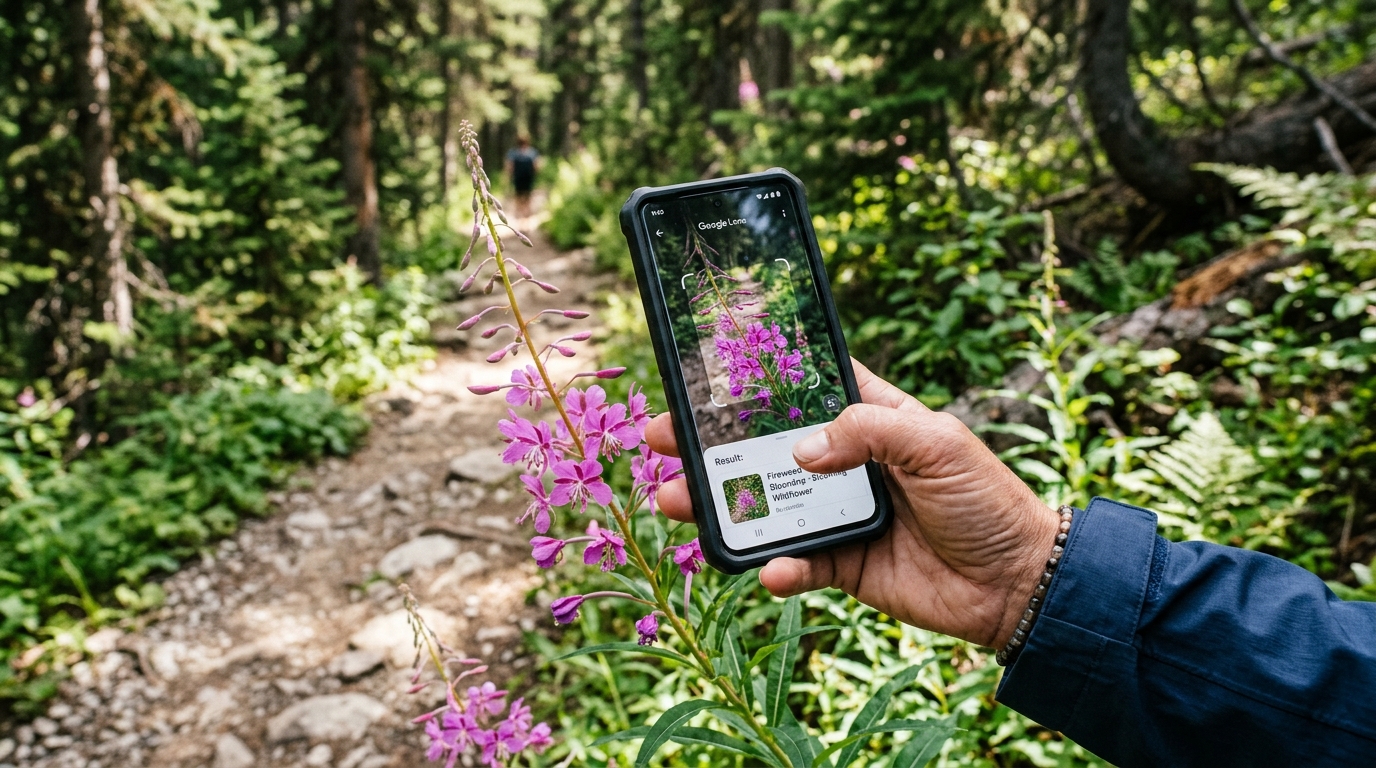
Pick your neighborhood based on what you care about most.
Here is the full plan, split into three easy days.
Start your first day in the heart of the city. Downtown Asheville is easy to walk, full of local shops, and a great way to get your bearings before you head into the mountains.
Morning Grab breakfast at a local coffee shop, then walk Pack Square and Biltmore Avenue. Look up while you walk. Asheville has some beautiful Art Deco buildings from the 1920s that most visitors miss because they are staring at shop windows.
Afternoon Visit the Grove Arcade for local crafts, or step into the Asheville Art Museum if you like modern art. If you want a quiet break, the Basilica of Saint Lawrence is free to enter and has one of the largest freestanding elliptical domes in North America.
Evening Asheville has more breweries per person than almost any other city in the country. Pick one with outdoor seating, like Wicked Weed or Burial Beer, and pair it with a Southern dinner. Try a barbecue plate if you want a real taste of North Carolina. The state actually has two barbecue styles, Eastern and Western, so ask which one a restaurant serves before you order.
Tip: If you want to be efficient with photos and notes on your phone during the day, tools like the ones covered in this guide to Google Lens uses on inverex.tech can help you identify plants on a trail, translate a menu, or search for a product you spot in a shop window, all without typing a thing.
Day two is about getting out of the city and into the mountains. This is the day most people plan their whole trip around.
Morning Drive onto the Blue Ridge Parkway, which runs right past Asheville. Stop at the Folk Art Center and the Blue Ridge Parkway Visitor Center to get a feel for the road before you go further. The parkway has dozens of scenic overlooks, so keep your camera close.
Midday Pick one or two easy hikes based on your fitness level. Craggy Gardens is a favorite for short, rewarding walks with big views. If you want something more active, head toward the Pisgah National Forest for longer trails and waterfalls like Looking Glass Falls, which you can see right from the road without hiking at all.
Afternoon Stop at the North Carolina Arboretum on your way back into town. It has easy walking trails and gardens, and it is a calm way to end an active day.
Evening Have dinner somewhere with a mountain view, or keep it simple with a casual spot near your hotel. After two active days, an early night sets you up well for day three.
A note on road closures: Hurricane Helene damaged parts of the Blue Ridge Parkway and several trails in 2024. As of 2026, most of the sections tourists actually drive, including the stretch near Asheville, the Folk Art Center, and the Arboretum, are open and repaired. A small stretch of the parkway further north, roughly between Linville Falls and Mount Mitchell, is still under repair work, so check the National Park Service closure map before you plan a route that far out.
Save the most famous stop for last, then close out your trip somewhere more local and low key.
Morning The Biltmore Estate is the largest privately owned home in the United States, built by George Vanderbilt in the late 1800s. Buy tickets online in advance, since prices are lower and lines are shorter than buying at the gate. Give yourself at least two to three hours to tour the house and grounds. If you love gardens, walk the formal gardens behind the house, they are just as impressive as the mansion itself.
Afternoon Head to the River Arts District, known locally as RAD. This is a stretch of old industrial buildings along the French Broad River that artists turned into studios and galleries. You can walk in, watch potters and painters work, and buy art directly from the person who made it. Wedge Studios alone holds more than thirty individual artist spaces.
Evening Wrap up your trip with dinner along the river or back downtown. If you have energy left, catch live music. Asheville has a strong local music scene, and many bars host free shows on weekends.
We read through the top ranking articles on this topic before writing this guide, and a few gaps showed up again and again.
They do not explain the current state of Hurricane Helene recovery clearly. Many articles either ignore the storm completely or bury a vague warning without real detail. As of 2026, Asheville is open for business. Downtown is back to normal, the Biltmore Estate reopened just five weeks after the storm, and the River Arts District is fully active again with reopened studios and markets. A small number of trails and roads near the outer edges of the region are still finishing repairs, mostly north of the areas covered in a typical 3 days in Asheville North Carolina itinerary. Visiting also directly supports local businesses that are still rebuilding.
They skip a real budget. Most guides list activities without saying what they cost. Here is a simple daily estimate per person, based on mid range choices.
A three day trip for one person usually lands between 550 and 900 dollars, not counting flights.
They rarely mention a rainy day backup plan. Mountain weather changes fast. If your outdoor day gets rained out, swap it for the Asheville Art Museum, the Basilica, a distillery tour, or the shops inside the Grove Arcade. All of these work well indoors.
They do not talk about packing for changing weather. Asheville sits at a higher elevation than most of North Carolina, so it runs cooler than you expect, especially in the mountains. Pack layers, a light rain jacket, and real walking shoes, even in summer.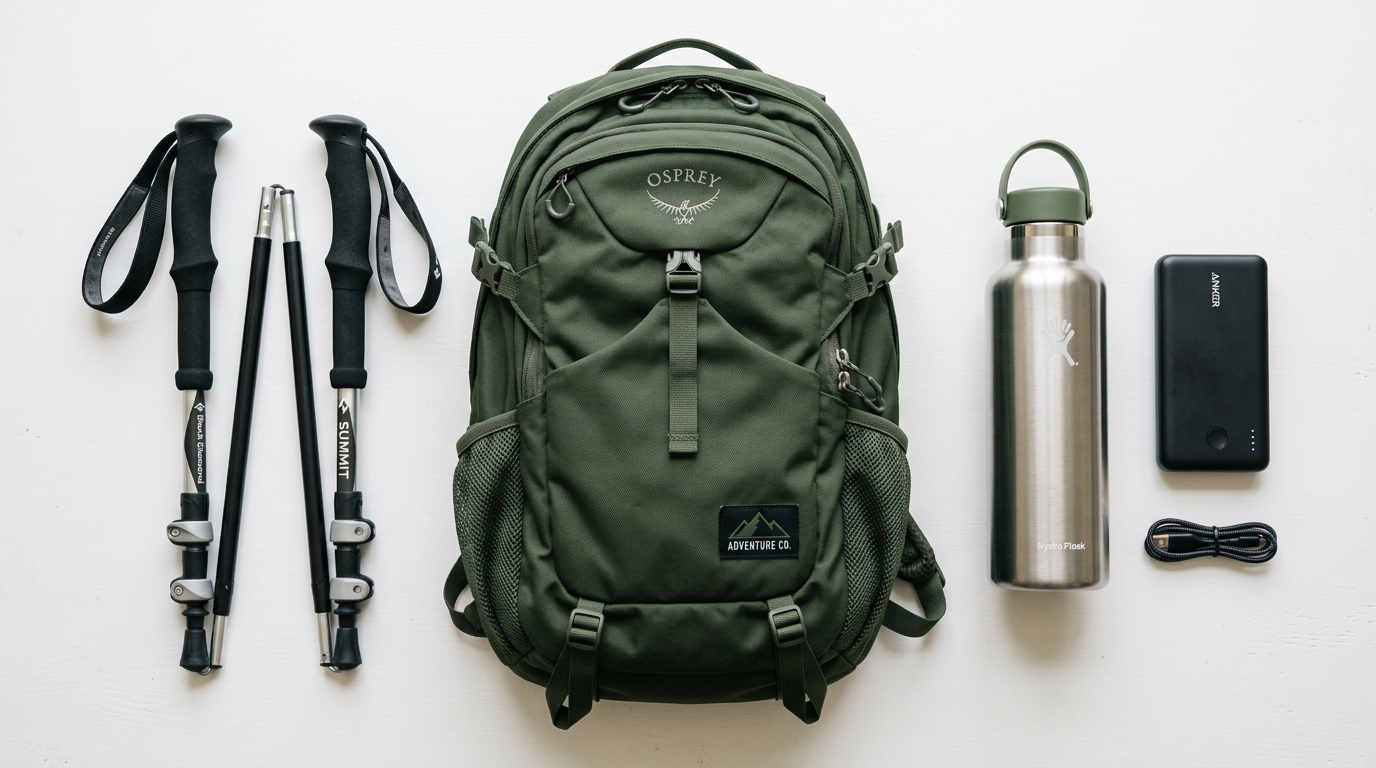
If you want to shop for any of these before your trip, here are some solid, well reviewed options:
This 3 days in Asheville North Carolina itinerary works for almost anyone, but small tweaks make it better for different travelers.
Traveling with kids Shorten the Biltmore tour and spend more time on the grounds and lawns, where kids can run around. Swap a long hike for the easy Arboretum trails, which are stroller friendly. The North Carolina Arboretum also has a bonsai garden that kids tend to love.
Traveling as a couple Add a sunset dinner with a mountain view on your first or second night. The Blue Ridge Parkway has several overlooks that are perfect for a short evening walk before dinner.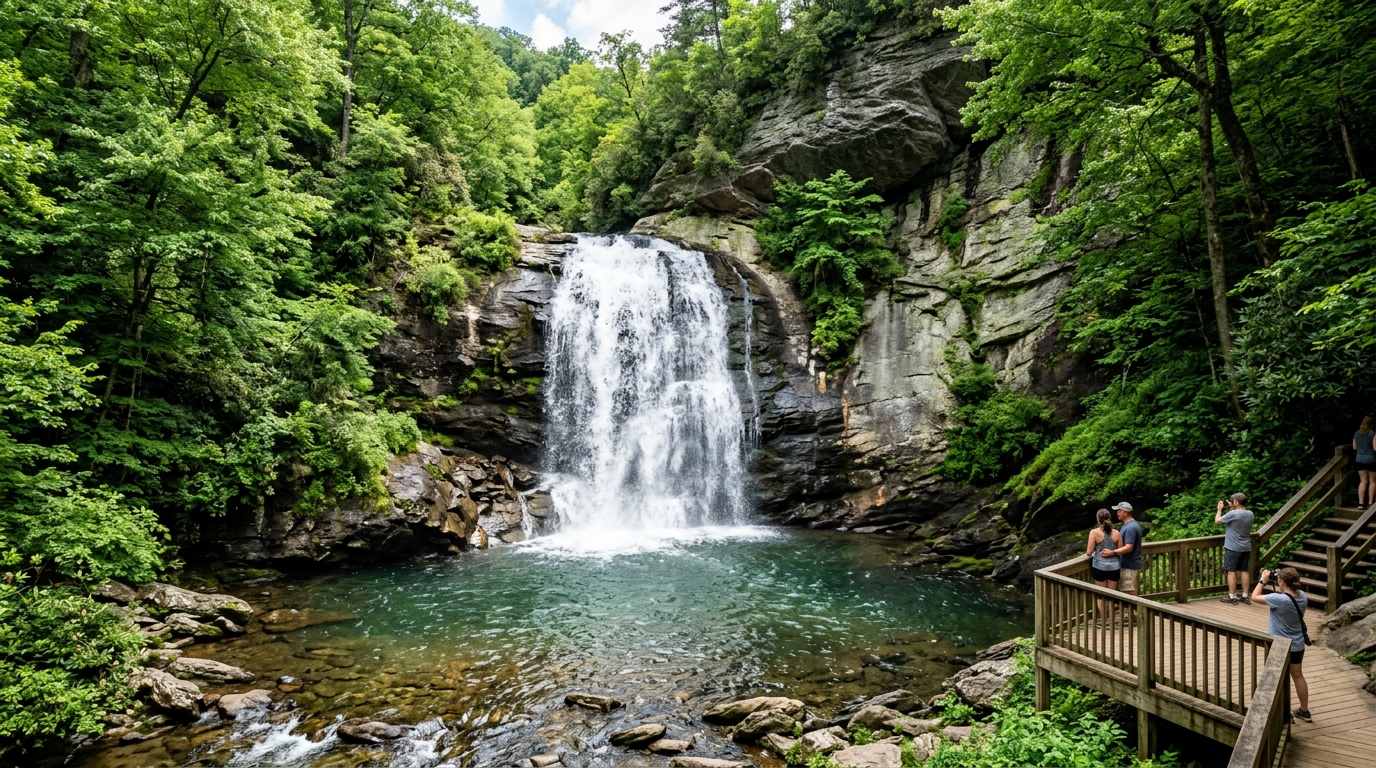
A trip like this involves a lot of moving pieces, tickets, reservations, and daily plans. If you tend to forget details, voice notes can help. Recording a quick memo after each stop and turning it into text later is far faster than typing while you are out and about. This guide on audio to text conversion methods from walks through a few simple ways to do that.
It also helps to set up an out of office reply before you leave, so work emails do not pile up while you are hiking. If you want a smoother inbox when you get back, this list of email management tools on is worth a quick read before you pack.
If you want a break from driving on day two or three, renting an ebike is a popular option in Asheville, especially for exploring the River Arts District or the greenways along the French Broad River. If you are curious what to look for in a rental or your own ride at home, this roundup of the best ebikes for different riders on breaks it down clearly.
And if you are the kind of traveler who lives on your phone for maps, translation, and photos, it is worth knowing what your device can already do. This guide to hidden iOS features on covers a few small settings that make travel days smoother, like better offline maps and battery saving tricks.
Is 3 days enough time in Asheville?
Yes. Three days is enough to see downtown Asheville, drive the Blue Ridge Parkway, hike a trail or two, and tour the Biltmore Estate without feeling rushed. You will not see everything, but you will get a full, satisfying trip.
How much does a 3 day trip to Asheville cost?
Plan for around 550 to 900 dollars per person for three days, covering hotel, food, the Biltmore ticket, gas, and a few extra activities. Flights are separate.
Do I need a car in Asheville?
Yes, for most of this itinerary. Downtown is walkable, but the Blue Ridge Parkway, waterfalls, and Biltmore Estate are all outside easy walking distance.
Is Asheville safe to visit after Hurricane Helene?
Yes. As of 2026, Asheville is open, downtown is back to normal, and major attractions like the Biltmore Estate and River Arts District are fully operating. A small number of roads and trails further from the city are still finishing repairs.
What is the best month to visit Asheville?
October is the most popular month because of fall foliage, but April, May, and June offer mild weather with smaller crowds.
Do I need to book the Biltmore Estate in advance?
Yes. Buying tickets online ahead of time is cheaper than buying at the gate, and it guarantees you a specific entry time, which matters during busy seasons.
A good 3 days in Asheville North Carolina itinerary does not try to cram in everything. It picks the best of the city, the best of the mountains, and the best of the local culture, then gives you enough breathing room to actually enjoy it. Follow the day by day plan above, pack for changing weather, and book your Biltmore ticket early, and you will leave Asheville wanting to come back for more.
For official updates on trail and parkway conditions before you go, check the National Park Service Blue Ridge Parkway page and the official Explore Asheville tourism site. You can also book Biltmore Estate tickets directly through biltmore.com, check flight options at Asheville Regional Airport, review current U.S. Forest Service conditions for Pisgah National Forest, and read more on the region’s ongoing recovery from Explore Asheville’s official Helene recovery update.