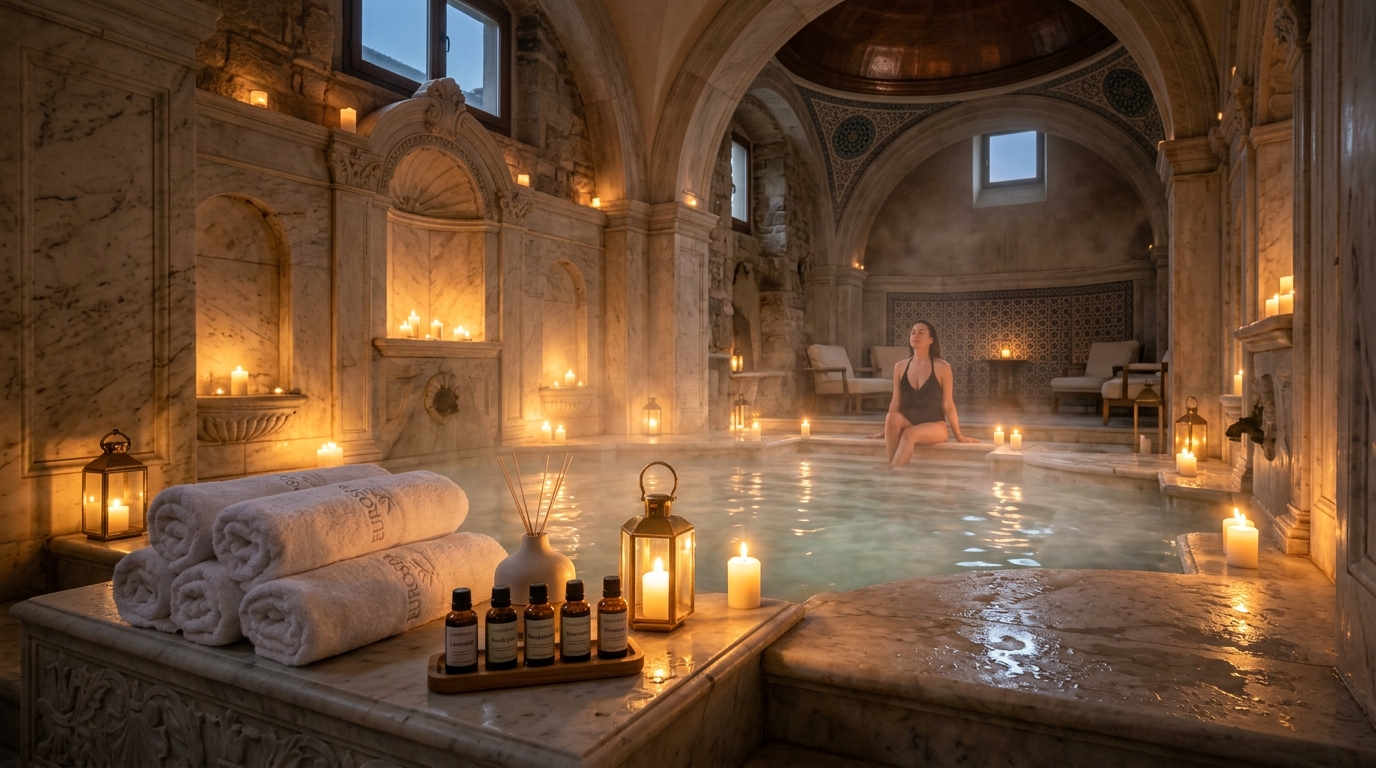
This guide covers the best spa destinations in Europe specifically for women, with honest information about what makes each one worth the journey.
Before diving into destinations, it helps to know what you want from a spa trip, because Europe’s options vary dramatically.
Thermal and mineral water bathing is Europe’s oldest spa tradition, rooted in the Roman discovery that certain natural springs have healing properties. Budapest, Baden-Baden, and Iceland’s geothermal pools fall into this category. The experience is more immersive than treatments based, and best suited to women who want to soak, float, and decompress rather than lie on a table for facials.
Hammam and steam traditions come from Ottoman culture and are centered around a sequence of steam, exfoliation, and soap massage performed by a practitioner. Istanbul and Morocco are the definitive hammam destinations, but hammam facilities now appear in spas across Europe.
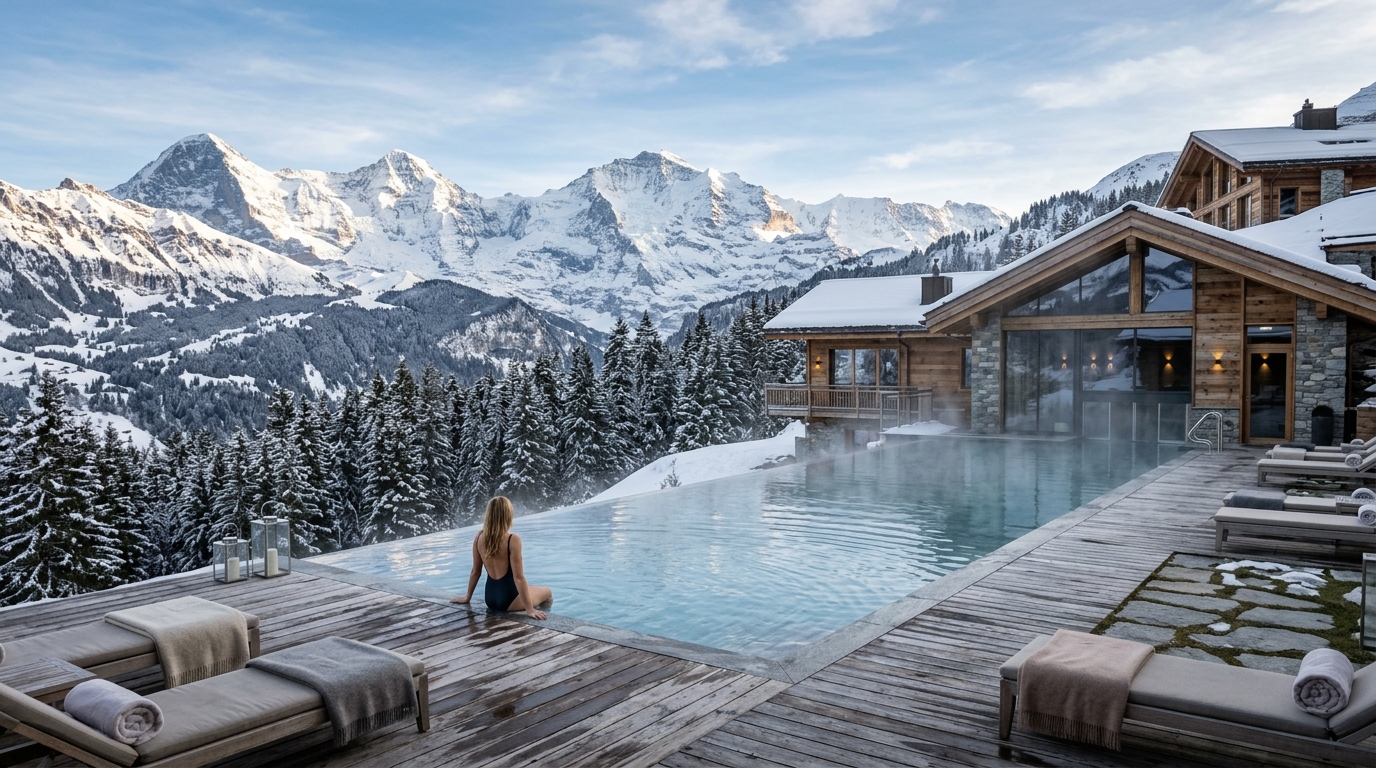
Alpine wellness retreats combine mountain scenery with high end spa facilities, often including saunas, cold plunges, hydrotherapy, and treatments using local alpine botanicals. Switzerland, Austria’s Tyrol region, and South Tyrol in Italy lead here.
Urban day spas and hotel spas in cities like Paris and London offer treatments and facilities within easy reach of city exploration. These work well if a spa experience is one part of a broader city trip rather than the entire focus.
Wellness and detox retreats involve structured programs over several days, including nutrition, movement, and therapeutic treatments. Portugal’s Alentejo region, the Andalusian hills in Spain, and Tuscany in Italy are popular for this format.
Budapest is the most accessible and varied thermal spa destination in Europe, and it works equally well as a quick weekend trip or as part of a longer Central European itinerary. The city sits above more than 100 natural thermal springs, and the baths built around them range from 16th century Ottoman domes to grand neo baroque palaces to more modern wellness focused facilities.
Szechenyi Thermal Baths is the most famous and the most social, a vast yellow neo baroque complex in City Park with 16 indoor pools and three large outdoor pools of varying temperatures. It is genuinely a spectacle from the moment you walk in, and the outdoor pools stay open year round, including through winter when steam rises off the heated water into cold air. It gets very busy, especially on weekend evenings when bath parties run with DJs and lights.
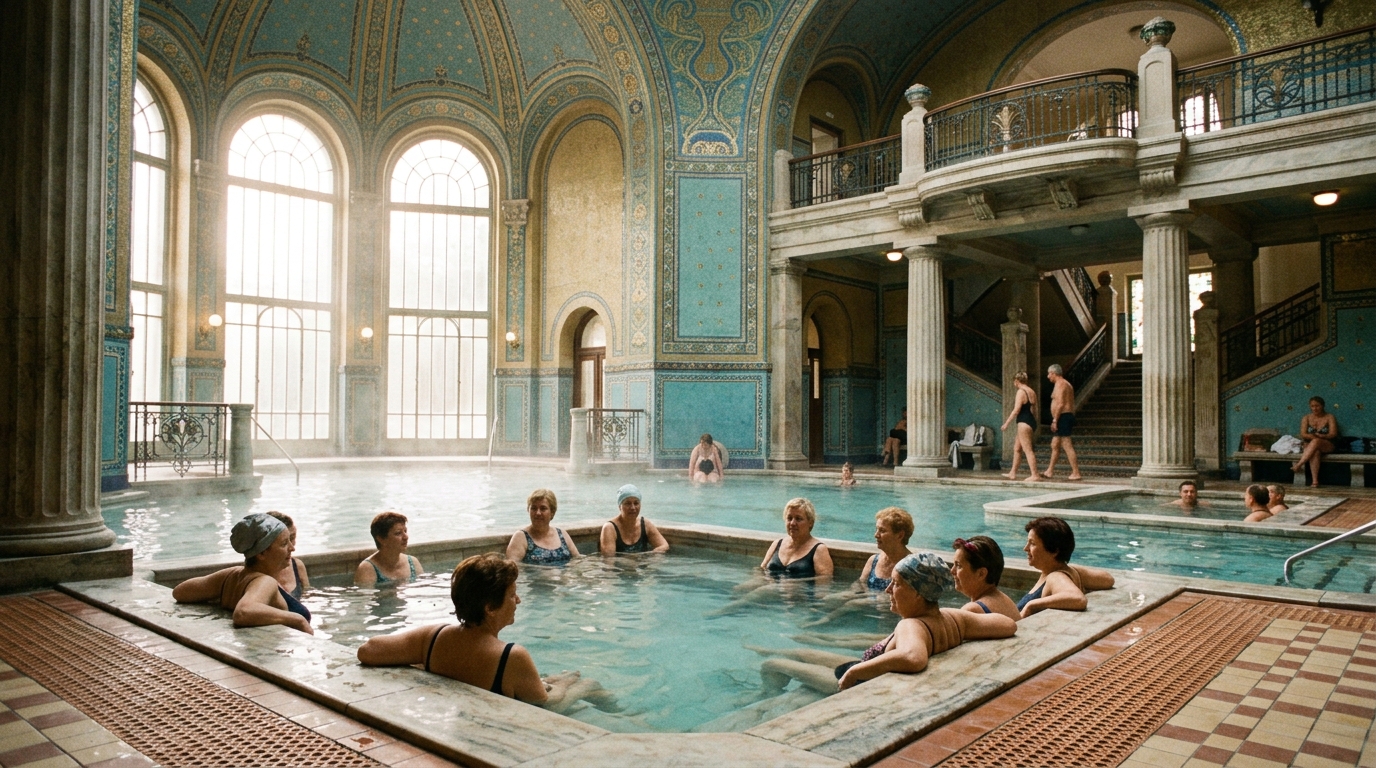
Rudas Baths is a better choice for women who want atmosphere over social energy. The original Ottoman domed pool, built in the 1560s, is extraordinary, with narrow beams of colored light coming through the dome apertures onto the mineral water below. Mondays and Tuesdays are women only days at Rudas, which makes them particularly popular for solo female travelers who prefer a quieter, more meditative experience.
Gellert Baths, inside the grand Gellert Hotel on the Buda side, is the most architecturally beautiful of the three, with Art Nouveau interiors that look as good in person as they do in photos.
Budget entry to Budapest baths starts at around 10 euros for a standard session. The experience is genuinely unlike anything available at this price elsewhere in Europe.
Iceland’s geothermal spa scene has grown significantly beyond the Blue Lagoon, which remains the most famous option but is now heavily booked and significantly more expensive than it used to be. The experience of soaking in silica rich, mineral warm water while surrounded by volcanic rock and open sky is genuinely unlike any spa experience in a built environment.
Blue Lagoon is worth doing once, especially if this is your first visit to Iceland. The water temperature hovers around 38 degrees Celsius, the silica mud is available for self application as a face mask, and the setting in a lava field near Reykjanes Peninsula is surreal. Book months in advance for popular dates and expect to pay 50 to 120 euros depending on the package.
Sky Lagoon, which opened in 2021 near Reykjavik, is underrated compared to the Blue Lagoon in most guides but frequently rated more highly by recent visitors. The signature experience is a seven step ritual called the Skjol ritual, moving through a warm lagoon, sauna, cold plunge, steam room, mist, a signature scrub, and finally a warm bath. The infinity edge over the North Atlantic is one of the most striking views from any spa in the world. It is significantly easier to book than Blue Lagoon and usually has better availability.
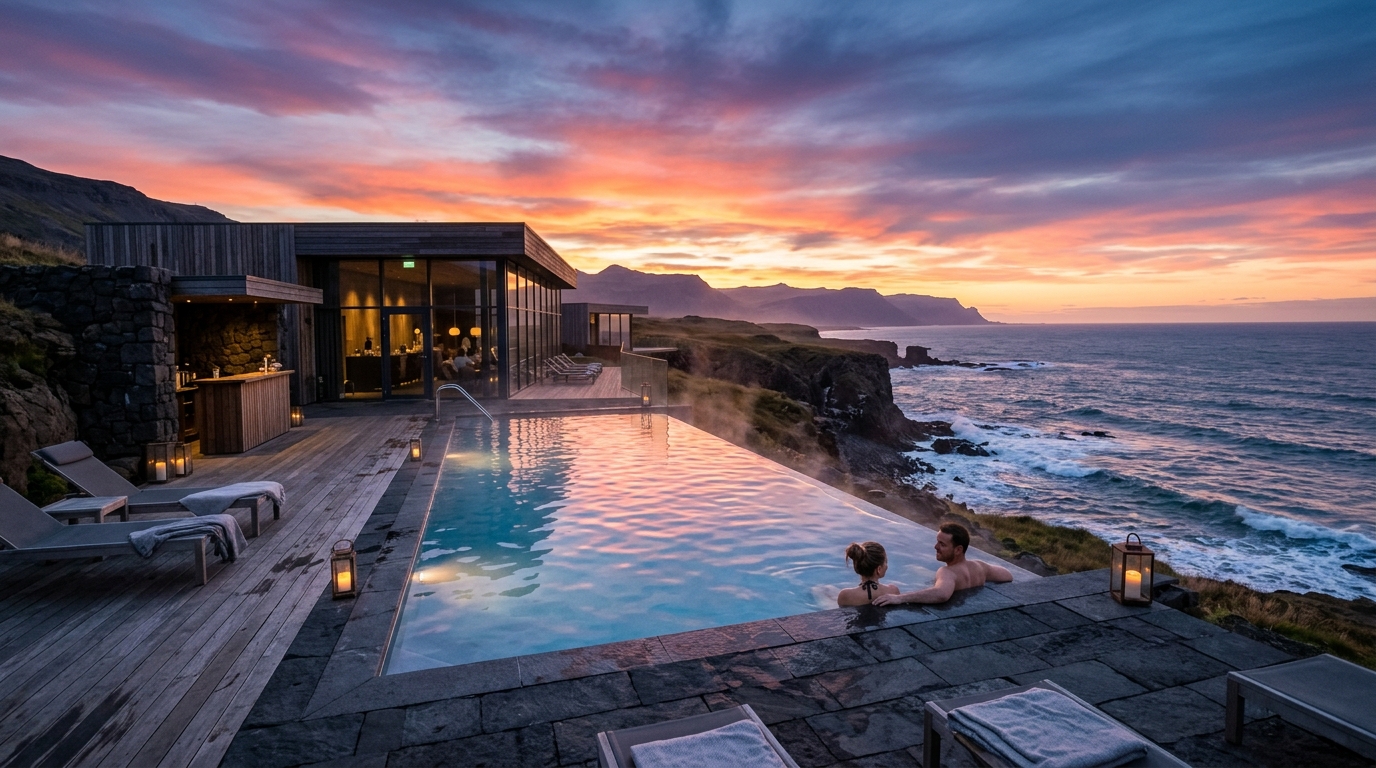
Iceland combines naturally with a broader short break from almost any European city, with cheap direct flights making Reykjavik more accessible than its location suggests.
Baden-Baden is one of the most beautiful spa towns in Europe and one of twelve destinations on UNESCO’s Great Spa Towns of Europe list, recognized for the cultural heritage of their thermal bathing traditions. The town sits at the edge of the Black Forest in southwestern Germany and has been attracting visitors for its twelve thermal springs since Roman times.
Friedrichsbad is the more traditional and spectacular of the two main bathhouses, a 19th century Roman Irish bath experience inside a ornate building where guests move through 17 stages of hot rooms, steam, brushing, and warm pools over a two hour circuit. Mobile phones are not allowed inside and the experience is clothing optional and gender mixed on most days, with women only days available. The no phone rule, which sounds restrictive, turns out to be one of the most genuinely relaxing aspects of the visit.
Caracalla Spa is the modern counterpart, with indoor and outdoor thermal pools, saunas, and a wellness area that allows swimwear and is accessible in a more conventional format. This is the better starting point if Friedrichsbad’s gender mixed, clothing optional format feels uncomfortable.
Baden-Baden itself is a beautiful town to spend two or three days in, with a casino, excellent restaurants, and walking trails into the forest directly from the town center.
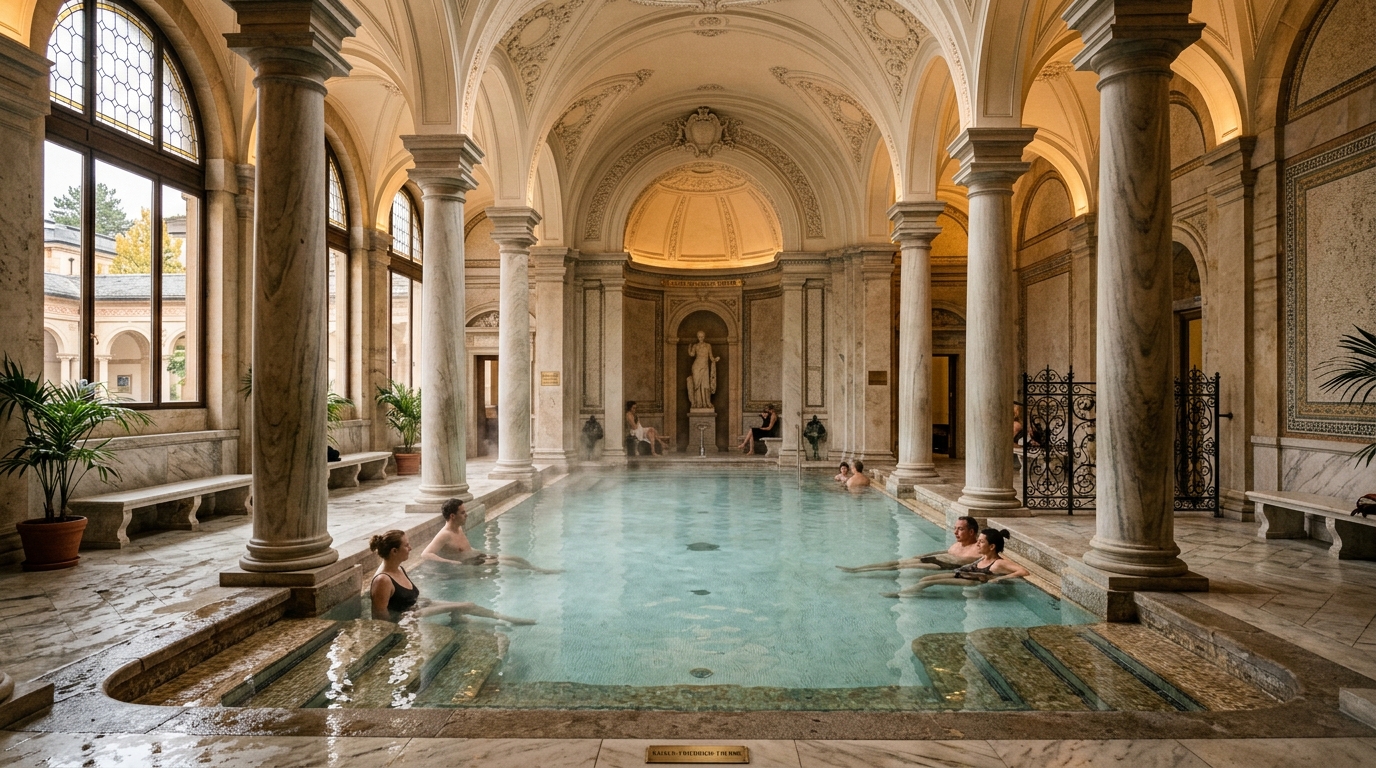
Leukerbad sits at 1,411 meters above sea level in Switzerland’s Valais canton, which makes it one of the highest thermal spa villages in the Alps. The thermal springs here reach temperatures up to 51 degrees Celsius before being cooled for bathing, and the village is surrounded by sheer cliff faces that make the setting feel completely enclosed and otherworldly.
Burgerbad is the main public facility, with indoor and outdoor thermal pools, a large slide complex, and a basic wellness area. The outdoor pools, with the cliff walls rising directly above them, are the main draw.
Alpentherme is the more upscale option, with a rooftop pool, Roman Irish bath circuit, and a spa area using local alpine botanicals and mineral waters. The rooftop pool overlooking the Valais mountains in any season is genuinely extraordinary.
Leukerbad appears on almost no mainstream travel lists despite being one of the best spa experiences in Europe, which means it remains noticeably less crowded than equivalent destinations and feels much more like a place locals actually use. Getting there requires a combination of train to Leuk and postal bus up the mountain, both covered by the Swiss Travel Pass.
Istanbul’s hammams are a completely different category of spa experience from the thermal bathing destinations above. A traditional Turkish hammam involves lying on a heated marble slab called the gobektasi while an attendant performs a vigorous exfoliation and soap massage that is simultaneously relaxing and invigorating. The experience is deeply cultural rather than purely cosmetic.
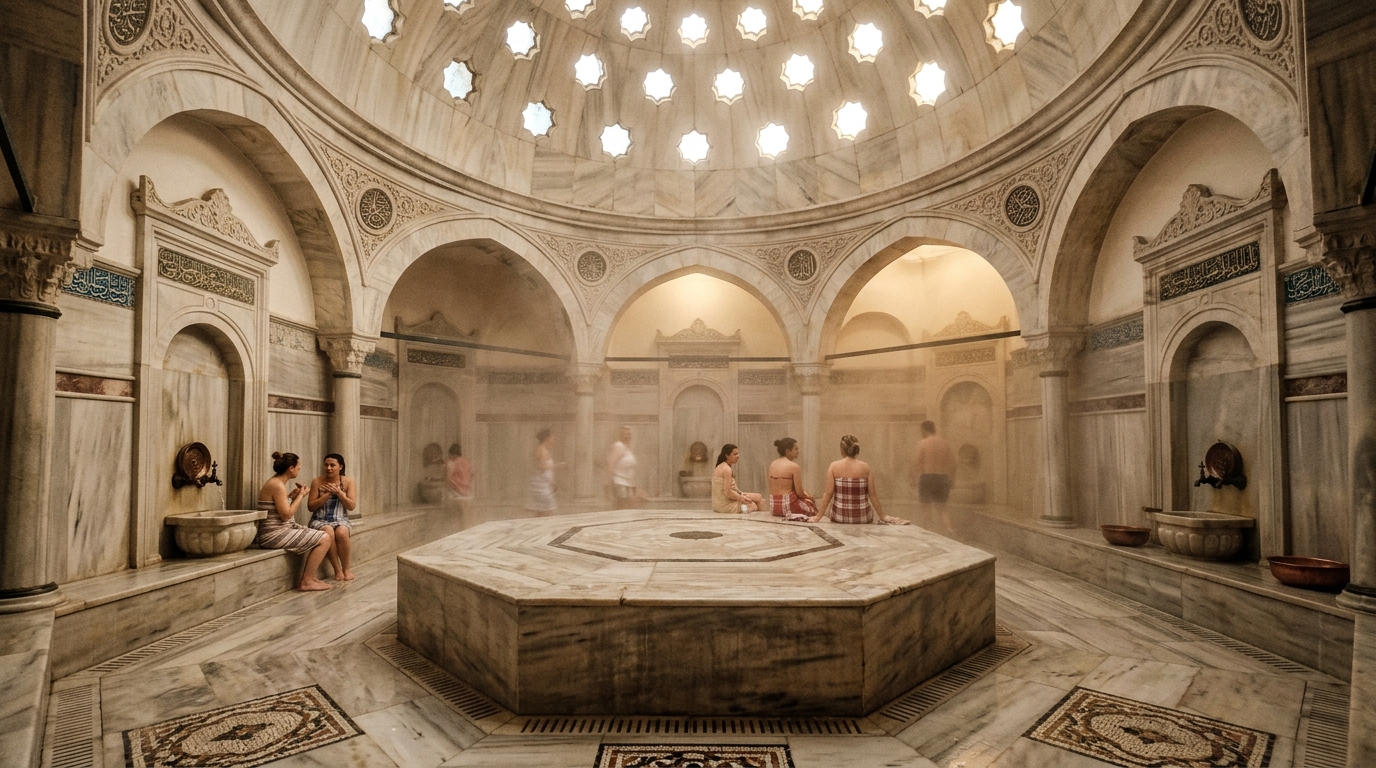
Ayasofya Hurrem Sultan Hamami, built in 1556 and restored to operation in 2011, is one of the oldest and most beautifully restored hammams in the city. The women’s section is separate from the men’s, with its own domed marble hall. Prices start at around 50 euros for a basic hammam experience and increase with additional massage services.
Cagaloglu Hamami, dating from 1741, is another historic option and consistently appears on recommendations for women, partly because the women’s section has been fully maintained and feels as authentic as the men’s.
Istanbul hammams are a genuinely transformative experience and have almost nothing in common with the hammam inspired treatment rooms found in European hotel spas. If this is something that interests you, going to Istanbul for the real thing is worth doing at least once.
Istanbul also combines naturally with a broader city trip covering the Hagia Sophia, Topkapi Palace, and the Grand Bazaar, making a long weekend extremely well balanced between culture and wellness.
Tuscany’s thermal springs are less famous internationally than Budapest or Iceland’s but have been used since Etruscan and Roman times and offer a uniquely Italian version of the spa experience, outdoors, in the landscape, often with free or very low cost access.
Terme di Saturnia is the most famous, a natural hot spring that flows into a series of cascading pools in the open countryside near Grosseto. The public pools are completely free, open 24 hours, and the thermal water flows at a constant 37.5 degrees Celsius year round. Arriving at dawn or late evening avoids the peak midday crowds.
Bagno Vignoni, a medieval village in the Val d’Orcia UNESCO landscape, was built around a thermal spring piazza where hot mineral water still flows through an open pool in the center of the village. The public bathing facilities at the base of the cliff below the village offer affordable access to the thermal water with views across the Val d’Orcia.
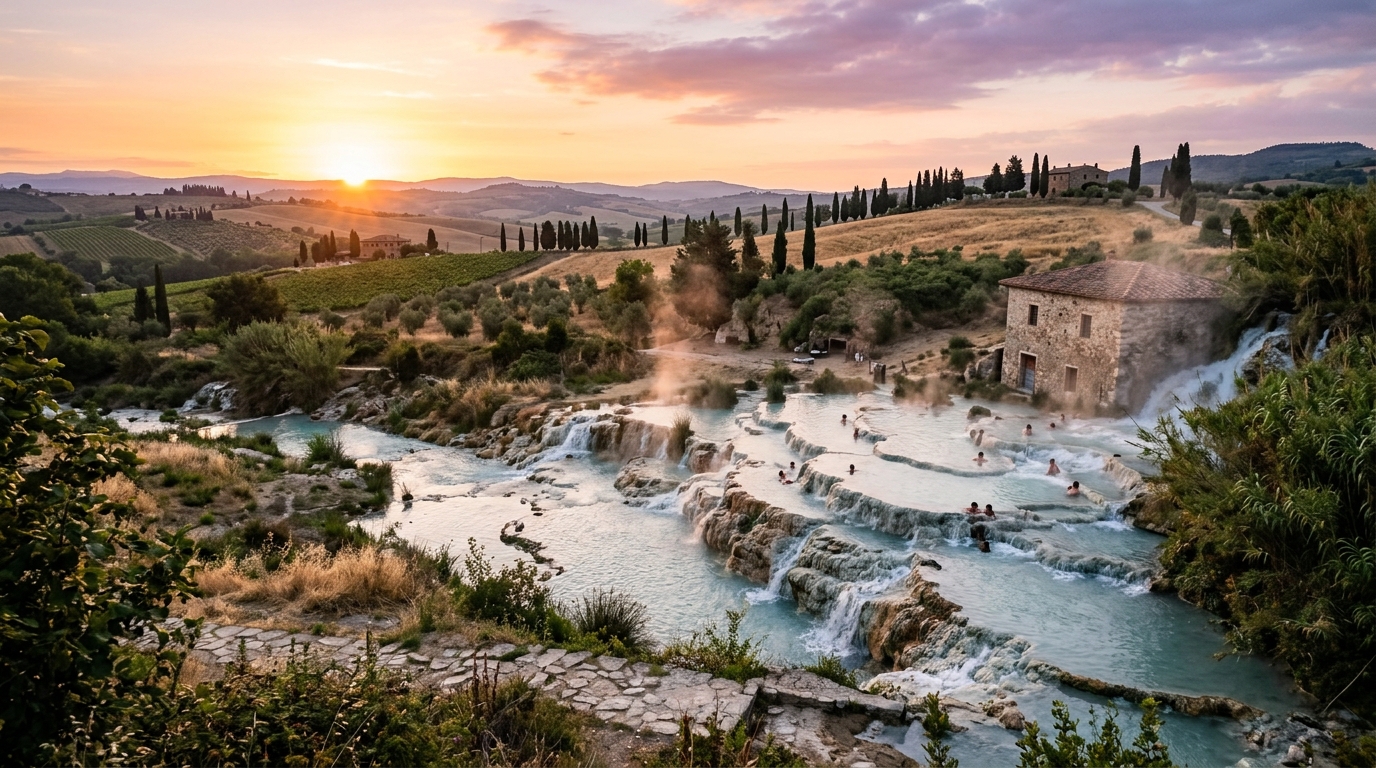
The Val d’Orcia landscape around Bagno Vignoni and Saturnia, with rolling hills, cypress lines, and medieval hilltop towns, is reason enough to visit even before adding the spa element.
Budget varies dramatically across these destinations, and most guides avoid putting numbers to it.
Budapest is the most affordable destination on this list. Thermal bath entry costs 10 to 20 euros. A decent three star hotel runs 60 to 120 euros per night. Total daily spend for a spa focused trip is manageable at 80 to 120 euros.
Baden-Baden and Leukerbad are mid range. Bath entry costs 25 to 45 euros per session. Accommodation in Baden-Baden runs 100 to 200 euros per night for a comfortable stay. Leukerbad has a smaller hotel selection but similar price range.
Iceland is the most expensive option on this list. Blue Lagoon entry alone is 50 to 120 euros, and Reykjavik accommodation regularly costs 200 euros per night and up. Budget for 300 to 400 euros per day for a comfortable trip.
Istanbul is a strong value, with hammam experiences starting at 30 to 50 euros and excellent accommodation options across all price ranges.
A few specific items make spa travel noticeably more comfortable and are consistently overlooked in general packing lists.
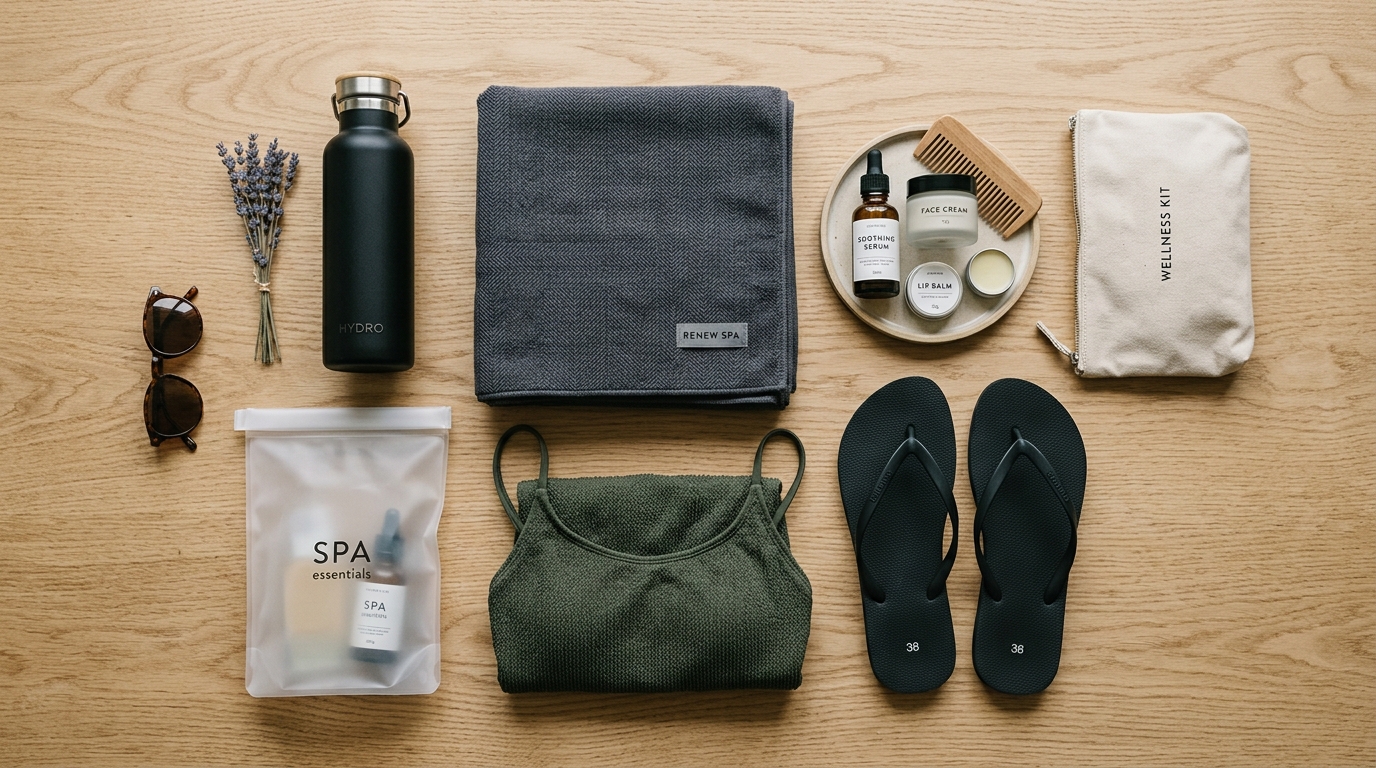
A quick dry microfibre towel is worth carrying if you are planning multiple bath or thermal pool visits, since many facilities provide towels but charge extra or offer thin, low quality versions. This compact quick dry travel towel on Amazon packs into its own small pouch and dries between pool sessions much faster than a standard towel.
Flip flops or pool sandals are required at almost every thermal bath and hammam, both for hygiene and for comfort on wet tiled floors. Carrying a pair that is specifically for indoor wet environments rather than wearing outdoor shoes to the poolside makes a difference.
A small waterproof bag for poolside use, to keep your phone, key card, and any jewelry safe while you are in the water, is consistently useful. Most facilities have lockers but having your own dry pouch for valuables that go poolside gives extra peace of mind.
This set of waterproof packing cubes on Amazon is a practical choice for organizing a spa trip wardrobe that involves multiple outfit changes between treatment sessions, evenings out, and travel between destinations.
If you are planning a dedicated wellness and relaxation trip that goes beyond Europe, the best luxury resorts in Maldives for couples offer an extraordinary level of private spa experience, with overwater spa villas, couples treatment rooms, and thermal pool facilities as part of multi day packages. For a trip that combines European spa culture with a warm water beach finale, this kind of combination works beautifully.
Which European city has the best spa experience for women?
Budapest offers the most variety and best value, with multiple historic thermal baths at very affordable prices. Istanbul offers the most culturally unique experience through its traditional hammam culture.
Is Iceland’s Blue Lagoon worth it?
Yes, for a first visit to Iceland. But Sky Lagoon near Reykjavik is often rated higher by recent visitors for a more structured experience with better availability and a similarly stunning setting.
Are European thermal baths safe for solo female travelers?
Yes, all the destinations in this guide are considered safe for solo female travelers. Many thermal bath facilities including Rudas in Budapest have dedicated women only sessions, which can feel more comfortable for solo visits.
What is a Turkish hammam experience like?
A traditional hammam involves a heated marble platform, steam, vigorous exfoliation with a kese mitt, and a soap foam massage. It is energetic rather than delicate. Women’s sections are always separate from men’s in traditional Istanbul hammams.
What is the cheapest European spa destination?
Budapest is the most affordable combination of quality and value. Terme di Saturnia in Tuscany offers free thermal bathing year round. Both deliver exceptional experiences at a fraction of the cost of Iceland or Swiss Alpine retreats.
What should I pack for a European spa trip?
Quick dry towel, pool flip flops, a small waterproof bag for valuables, comfortable layers for transitioning between heated pools and outdoor air, and minimal jewelry since metal and chlorinated or mineral water do not mix well.
How many days should I spend at a European spa destination?
Two to three days is enough for a focused spa break at any single destination. Four to five days works better if you want to combine spa time with exploring the surrounding area.
The best spa trip is the one that matches how you want to feel by the time you come home. For some women that means the social buzz of Budapest’s outdoor thermal pools in winter, steaming water and starlit sky above them. For others it means silence, the kind you only get in an alpine valley where the nearest town is a cable car ride away.
Europe has every version of that experience, at every budget level, in settings that range from a free outdoor spring in the Tuscan countryside to a rooftop infinity pool above the Swiss Alps. The hardest part is just deciding which one to book first.